Apuntes del Mundial, día 6:
- Si Dios ha muerto, Nietzsche dixit, y las Selecciones sudamericanas no dan pie con bola, aquí está Messi para resucitarlas. ¿Qué más se puede decir del genio argentino? Tal vez agradecer por verlo en vivo y directo y no por referencias
🚨This account from a Venezuelan security guard loyal to Nicolás Maduro is absolutely chilling—and it explains a lot about why the tone across Latin America suddenly changed.
Security Guard: On the day of the operation, we didn't hear anything coming. We were on guard, but suddenly all our radar systems shut down without any explanation. The next thing we saw were drones, a lot of drones, flying over our positions. We didn't know how to react.
Interviewer: So what happened next? How was the main attack?
Security Guard: After those drones appeared, some helicopters arrived, but there were very few. I think barely eight helicopters. From those helicopters, soldiers came down, but a very small number. Maybe twenty men. But those men were technologically very advanced. They didn't look like anything we've fought against before.
Interviewer: And then the battle began?
Security Guard: Yes, but it was a massacre. We were hundreds, but we had no chance. They were shooting with such precision and speed... it seemed like each soldier was firing 300 rounds per minute. We couldn't do anything.
Interviewer: And your own weapons? Didn't they help?
Security Guard: No help at all. Because it wasn't just the weapons. At one point, they launched something—I don't know how to describe it... it was like a very intense sound wave. Suddenly I felt like my head was exploding from the inside. We all started bleeding from the nose. Some were vomiting blood. We fell to the ground, unable to move.
Interviewer: And your comrades? Did they manage to resist?
Security Guard: No, not at all. Those twenty men, without a single casualty, killed hundreds of us. We had no way to compete with their technology, with their weapons. I swear, I've never seen anything like it. We couldn't even stand up after that sonic weapon or whatever it was.
Interviewer: So do you think the rest of the region should think twice before confronting the Americans?
Security Guard: Without a doubt. I'm sending a warning to anyone who thinks they can fight the United States. They have no idea what they're capable of. After what I saw, I never want to be on the other side of that again. They're not to be messed with.
Interviewer: And now that Trump has said Mexico is on the list, do you think the situation will change in Latin America?
Security Guard: Definitely. Everyone is already talking about this. No one wants to go through what we went through. Now everyone thinks twice. What happened here is going to change a lot of things, not just in Venezuela but throughout the region.
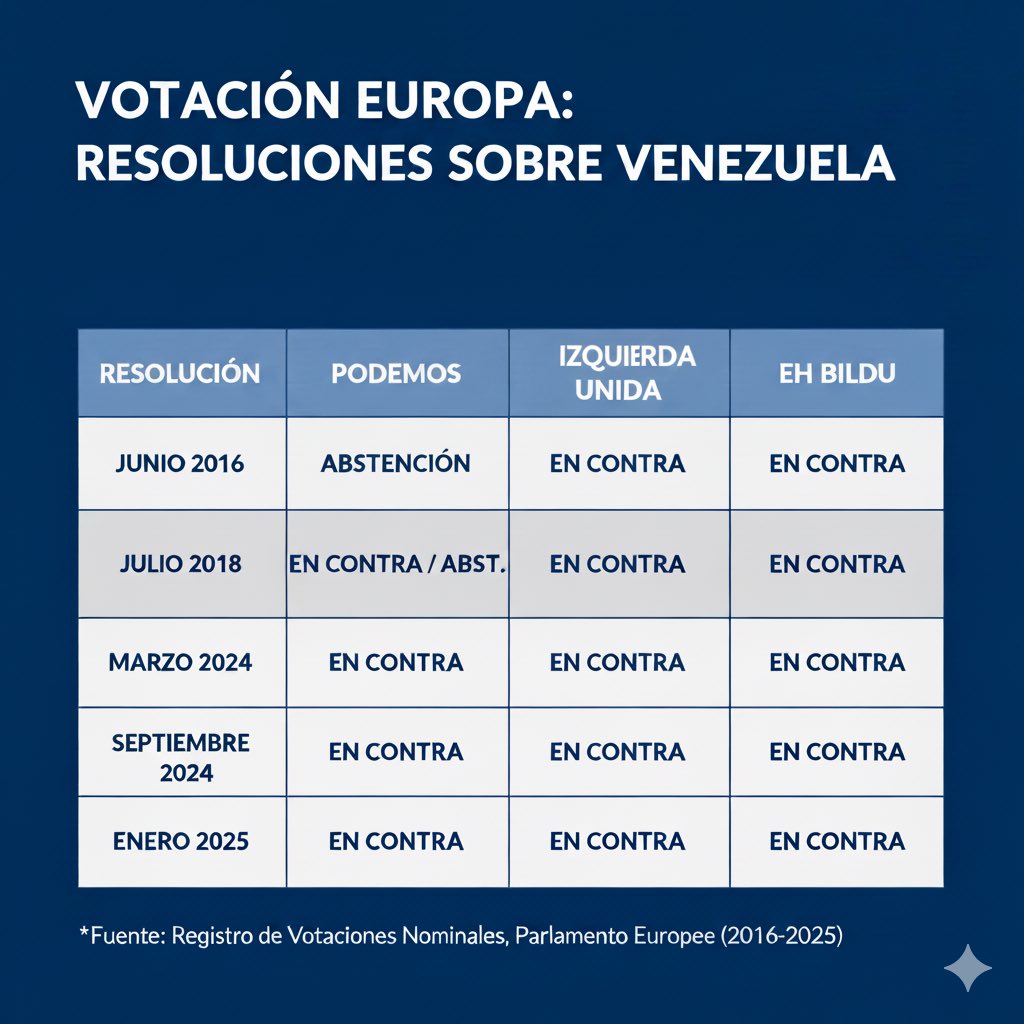
¿Qué ha votado la paleoizquierda española en el Parlamento Europeo cuando se han presentado iniciativas para liberar presos políticos y condenar la dictadura Venezolana?
🇨🇺 Por poner contexto:
Cuando el hombre puso un pie en la Luna ya Fidel llevaba dos mandatos presidenciales.
Chávez tenía 4 años cuando Fidel llegó al poder, Maduro no había nacido.
El inicio de la Dictadura Cubana está más cerca de la caída del Imperio Otomano que de la invención del iPhone.
Está más cercana al hundimiento del Titanic que a ChatGPT.
Para cuando Fidel dió el golpe de estado, la muerte de Hitler era tan reciente como para nosotros lo son las Olimpiadas de Londres.
En duración, equivale a 3 dictaduras chavistas una tras otra.
Espero que este año podamos ver la luz, por los millones de cubanos que murieron esperando ese día.
Oatmeal (and I think that’s rice and sourdough) made the cut! In all seriousness, assuming overall calories are kept in check and people exercise & get sun(day)light, this looks spot on. Maybe up the veggies a bit, add low sugar fermented foods like sauerkraut & this is great.
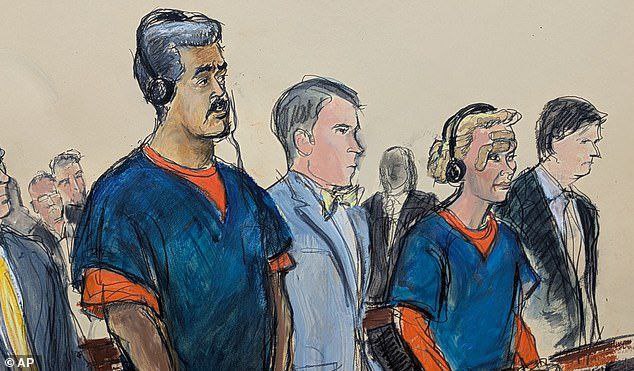
Maduro Court transcript:
Judge: Are you Nicolas Maduro Moros?
Maduro: I am the President of Venezuela. I consider myself a prisoner of war. I was captured at my home in Caracas.
Judge: Let me intervene. There will be time for this.
Judge: I only want to know—are you Nicolas Maduro Moros?
Maduro: Yes.
Judge: Have you been served the indictment?
Defense lawyer: We waive the public reading.
Maduro: I have it in my hands for the first time. I prefer to read it personally.
Judge: Anything you say may be used against you. I see you have counsel here, Mr. Pollack. If you cannot afford one, the government will provide a lawyer free of charge. Did you know of these rights?
Maduro: I did not know of these rights until now.
Judge: How do you plead?
Maduro: I am innocent. I am a decent man. I am President of Venezuela.
Defense lawyer: The plea is not guilty on all counts.
Si el Derecho internacional no puede evitar que yo sea torturado en una celda del Helicoide, pero sí protege a Maduro para que pueda seguir torturándome en el Helicoide, el Derecho internacional no sólo no me sirve de nada, sino que me está jodiendo.
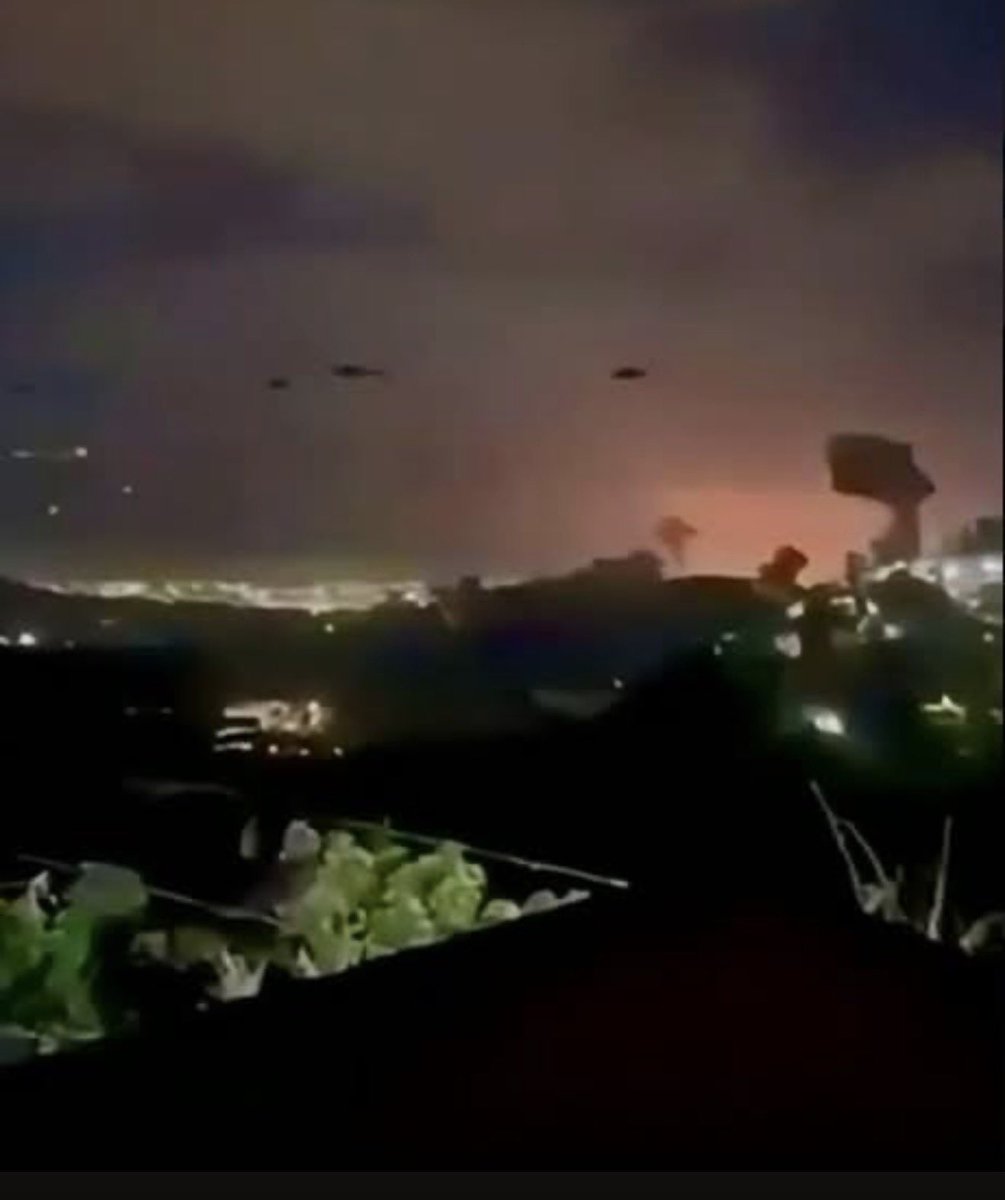
New footage from Saturday’s military operation in the Venezuelan capital of Caracas, showing gunfire erupt near several high-rise residential buildings inside Fort Tiuna, before the site in which the fire originated was quickly struck by rockets launched from MH-60M “Black Hawk” Direct Action Penetrators (DAP) with the U.S. Army’s 160th Special Operations Aviation Regiment (SOAR).
No han caído todavía con EEUU bombardeando Caracas. Llamaban cobardes a los venezolanos por no poder derrocarlos con palos y piedras. Continente de miserables.
Aunque hay muchos autores que han defendido que todas las historias del mundo parecen reducirse a unos pocos arquetipos universales como el héroe que vence al mal o el amor imposible, la realidad es que hay muchas variedad en la forma de las historias y algunas historias pegan más en ciertas culturas o épocas que en otras.
Este preprint propone un marco evolucionista para explicarlo todo: las ficciones activan mecanismos psicológicos universales que evolucionaron para lidiar con problemas reales de supervivencia, como evitar depredadores (historias de terrores con monstruos), buscar pareja (romances apasionados), explorar lo desconocido (aventuras épicas) o cooperar en grupo (tramas de amistad y lealtad). Estos arquetipos base surgen porque responden a necesidades humanas compartidas, pero la diversidad viene de cómo se combinan y adaptan.
Esos mecanismos no son fijos sino que varían en intensidad según el contexto. Por ejemplo, en tiempos de crisis económica, aparecen más historias de acumular recursos como búsquedas de tesoros; en sociedades desiguales las venganzas y la justicia resuenan más. También depende de la persona. En el caso de los jóvenes (adolescentes y adultos jóvenes), suelen preferir historias de romance apasionado porque en esa edad el mecanismo evolutivo de "apareamiento" (búsqueda de pareja, atracción romántica y sexual) está en su pico de intensidad. Evolutivamente, es cuando el cuerpo y la mente priorizan formar lazos reproductivos (buscar amor, sexo, compromiso), así que las ficciones que simulan eso les resultan superatractivas y relevantes. En las culturas colectivistas, por ejemplo, prefieren narrativas de solidaridad.
Los autores dan un enfoque práctico también identificando lo que llaman "ingredientes ficticios" que disparan estos mecanismos, como un banquete opulento (hambre y recursos), un monstruo acechante (miedo) o un héroe sacrificándose (compasión), con tablas de docenas de ellos y propuestas para medir empíricamente qué elementos activan qué respuestas. En esencia, las ficciones no son caprichos culturales, sino ecos de nuestras psicologías profundas que evolucionan con el entorno. El artículo, que es muy largo y con muchas tablas, explica por qué emergen, se viralizan o mutan, ofreciendo una lente fresca para analizar cuentos, pelis o libros desde la psicología evolucionista, y la ecología comportamental.
https://t.co/95sPPWcZDP