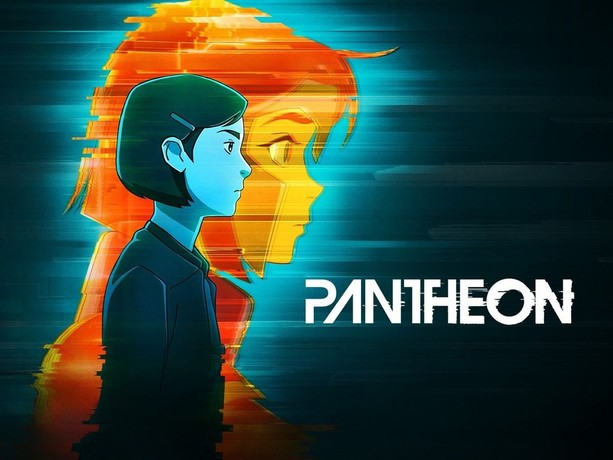
The rise of OpenClaw in 2026 reminds me of Netflix's Pantheon —digital entities operating across networks at non-linear, parallel speeds far beyond human cognitive rhythm, reshaping how things work. I think we're watching something like that move from sci-fi to reality.
The agent ecosystem is shifting from demos to real production. Projects are starting to close the loop, and the infrastructure—multi-agent coordination, autonomous evolution, payments—is taking shape fast.
Despite three years of exploring this space, when I try to think seriously about these problems, I realize how much I still have to learn. So starting this month, I'll be systematically learning & building in public around what I believe matters most:
1. Agent autonomy & self-evolution
This includes what's already widely recognized—multi-agent frameworks, context engineering (memory, skills, tools design & optimization).
And what's becoming increasingly important:
- Agent infra: sandboxing, browser automation, and business-layer primitives like agent-native payments and monetization
- Reliability at scale in complex scenarios—especially human-in-the-loop intervention strategies, boundary design, and graceful fallback
2. Human-AI linear collaboration
While envisioning a future where agents build autonomous networks, we should also recognize: not every task belongs to full-autonomy concurrency.
Many high-value scenarios still depend on real-time human-AI co-creation—education, creative work, multimodal collaboration, complex everyday decisions.
Gen-UI, MCP-apps, and emerging interaction paradigms are pushing the human-AI interface from command-driven to genuinely collaborative.
I'll be sharing my thinking here as I go. If you're also paying attention to agent infra, context engineering, or new paradigms in human-AI interaction—let's connect.