We are considering switching from an electric car to petrol or diesel. I have some questions to see if it really suits me and my family and hope someone knowledgeable can help?
1. I have heard that a petrol car cannot be refueled at home but I have to go to a special place for this? How often do I have to fill up, is it several times a year? Will there be options for refueling at home? We are used to the car being filled up every morning, as sort of by itself.
2. Are there many parts that need to be replaced? The seller said something about oil and filter change, gearbox, timing belt and other service. Do you see how many percent degradation you have on the wearing parts or will they break suddenly?
3. Do I often have to brake with the brake pedal, or can I accelerate and brake with the same pedal as in my current car? Do I get gas back into the tank when I brake or go downhill?
4. Do all petrol and diesel cars have much slower acceleration? I test drove one yesterday and it felt like it took a very long time from when I stepped on the gas pedal until it reacted. Maybe there was something wrong with that particular car?
5. We now pay $0.02/mile but with the petrol it will be about $0.13, even if the new car is cheaper to buy it will very soon cost more. We drive 15,000 miles per year. We hope that more people will use petrol so that the prices will go down... is there such a trend?
6. I have understood that petrol and diesel consist largely of oil. Is it true that the extraction of oil is associated with global environmental problems and widespread wars with absolutely terrible consequences for people around the world, including several world wars and trouble in the last 100 years in which tens of millions of people have died? Is there any solution to that in sight, we don't want to contribute to such crap, do we?
7. My son also heard that petrol cars emit fumes and toxic gases. I’ve read about air pollution and its impact on respiratory health. Are we contributing to that by switching to a petrol or diesel car?
Will these pose risks to our health and the environment?
... have more questions but these are the ones I came up with now. Thanks for all the help!
the idea that nuclear power is bad is costing us our future, and it’s time to let go of it.
my @TEDTalks is now live! please watch and share, i’d love to hear your thoughts 💕 #tedtalk#nuclearpower
https://t.co/n5W0VeWBtI
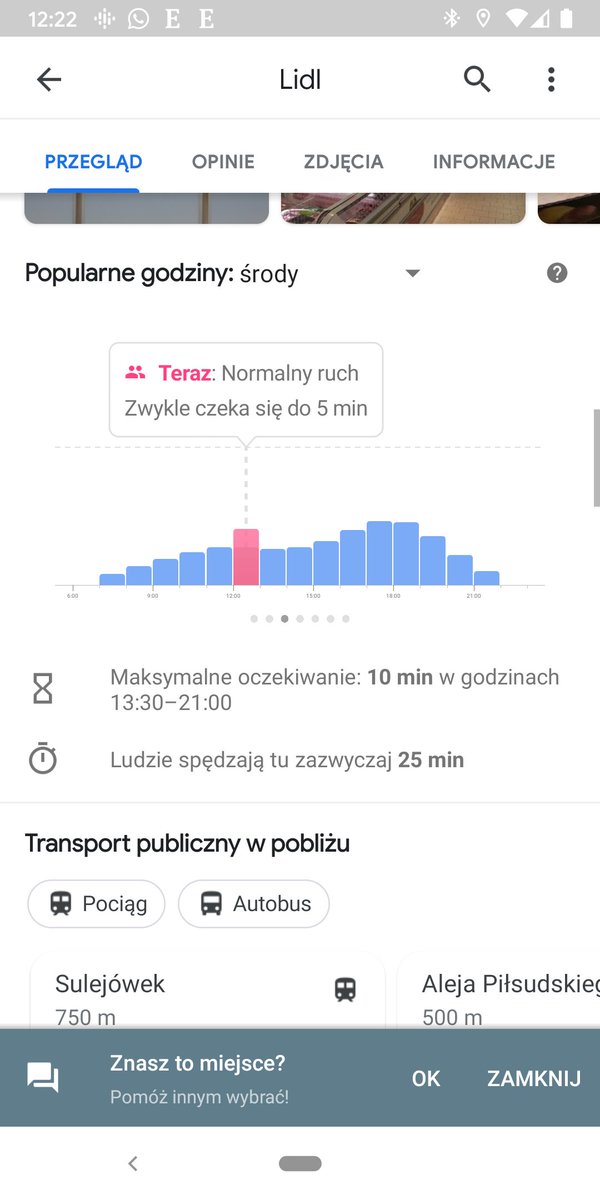
Wszyscy mówią, żeby unikać dużych skupisk ludzkich.
A w sklepach tłumy jak przed Bożym Narodzeniem, parkingi pełne, kolejki na dziesiątki minut stania osoba obok osoby.
Ludzie, to nie o to chodzi :/
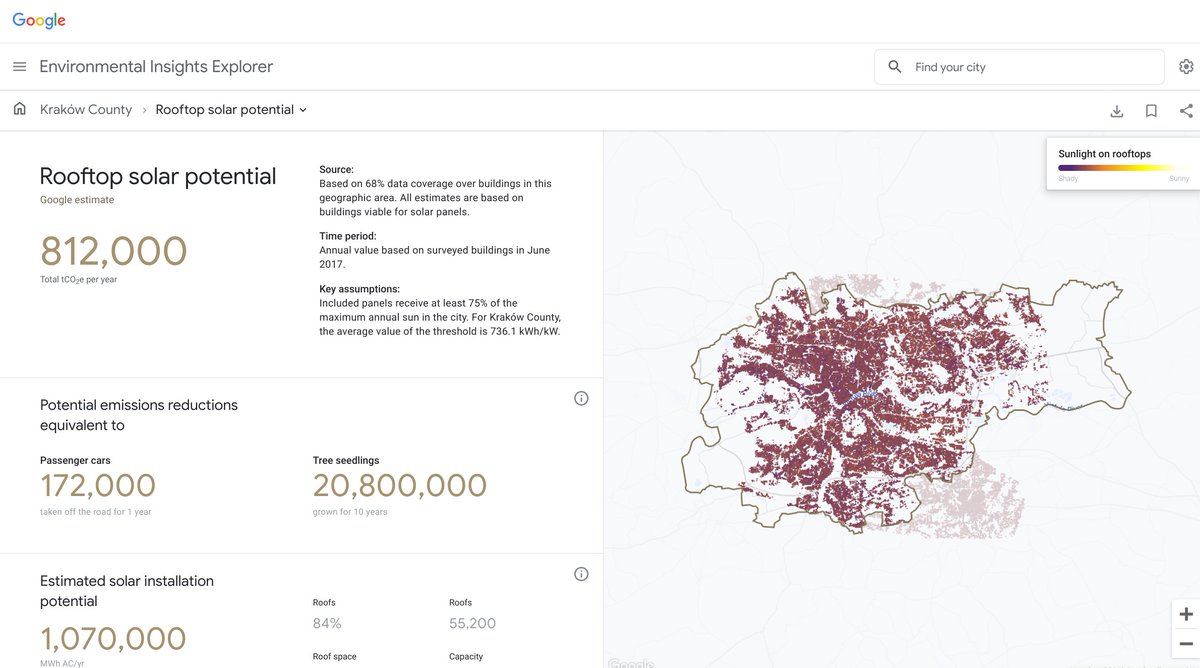
Dzisiaj udostępniamy dla Krakowa @krakow_pl narzędzie Google Environmental Insights Explorer, które pokazuje jakie miejsca w mieście mają największy potencjał solarny, czy jakie są szacowane emisje CO2. Tak pomagamy dbać o wydajność energetyczną miast:
https://t.co/HH7VneD9uO
BBC Radio wanted to have me on today to debate a climate-denier in the context of the drought/heatwave.
I said NO.
I told them it was a disgrace that they still give climate-deniers airtime at a time like this.
I won’t be part of such charades any longer.
Please RT if you agree.
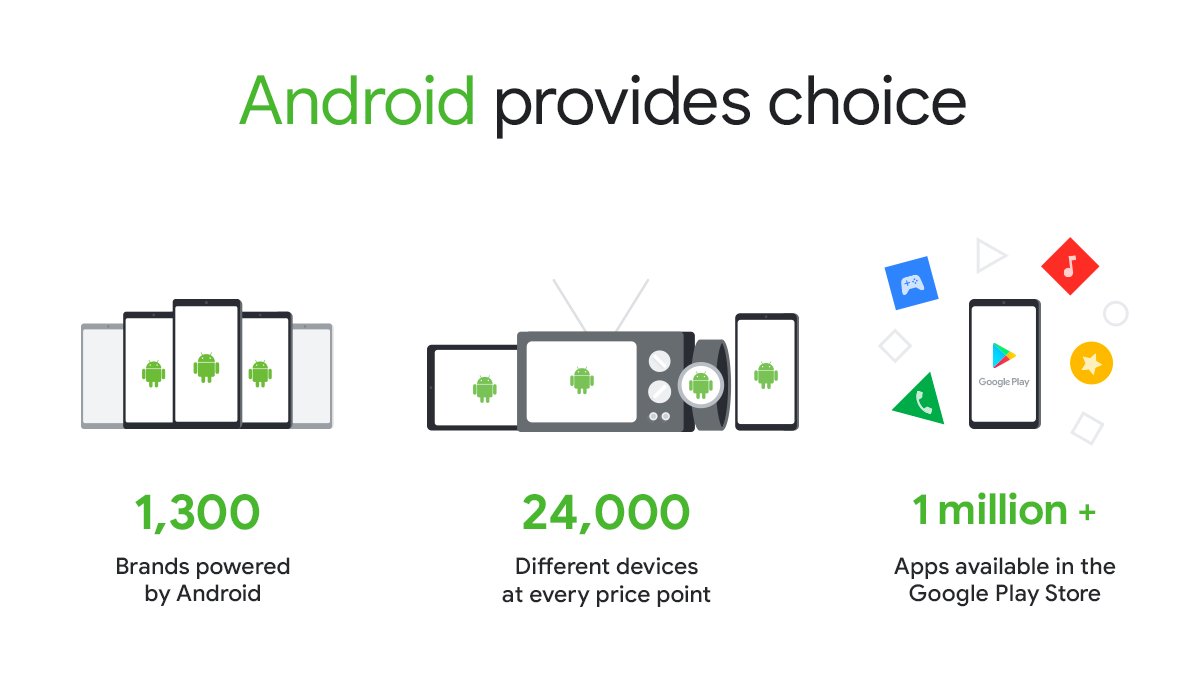
.@Android provides choice. With Android, you have a choice of 24,000 devices, at every price point, from more than 1,300 different brands & with over 1 million apps available in the Google Play Store. #AndroidWorks More on our blog: https://t.co/dOXaQ6ZPT3
To nie darowizna pieniężna, a darmowe usługi.Korzystać może każda fundacja i stow zarejestr w KRS. Są ich w PL setki https://t.co/1kxhD1hKOu https://t.co/85ivgD2El4