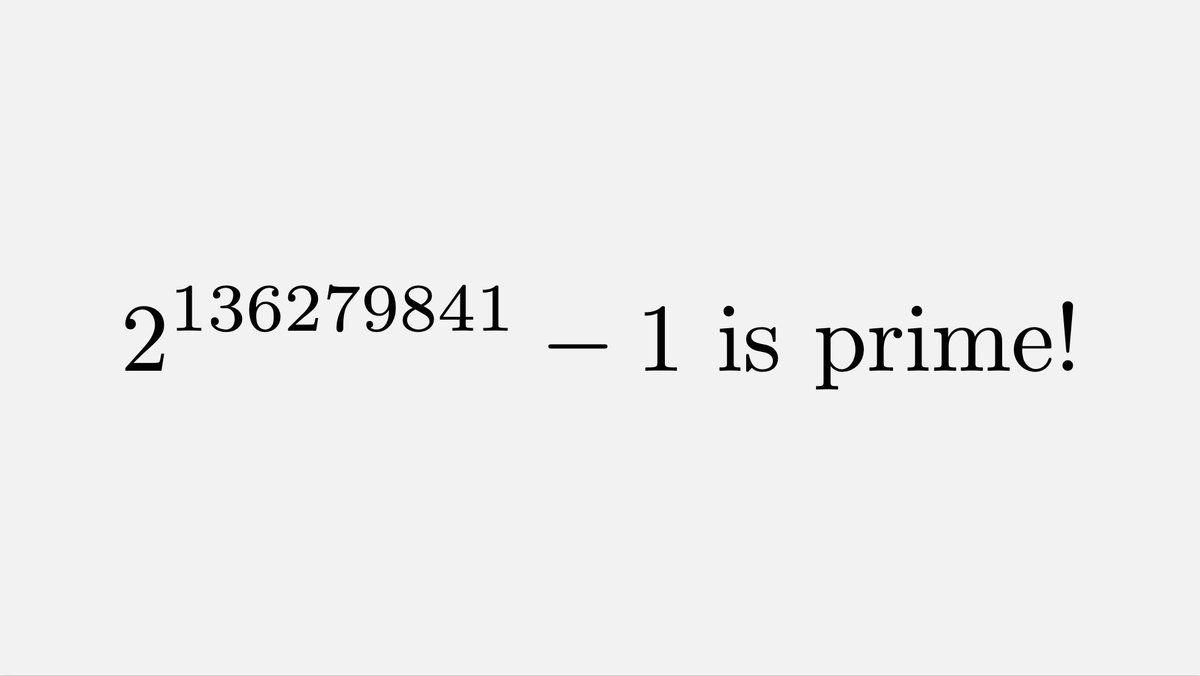
2¹³⁶²⁷⁹⁸⁴¹−1, discovered today, is the largest known prime. It's a Mersenne prime (2ᵖ-1), which are easier to find.
It took nearly 6 years for the GIMPS software to find it after the previous largest known prime. It was also the first Mersenne prime found using GPUs.
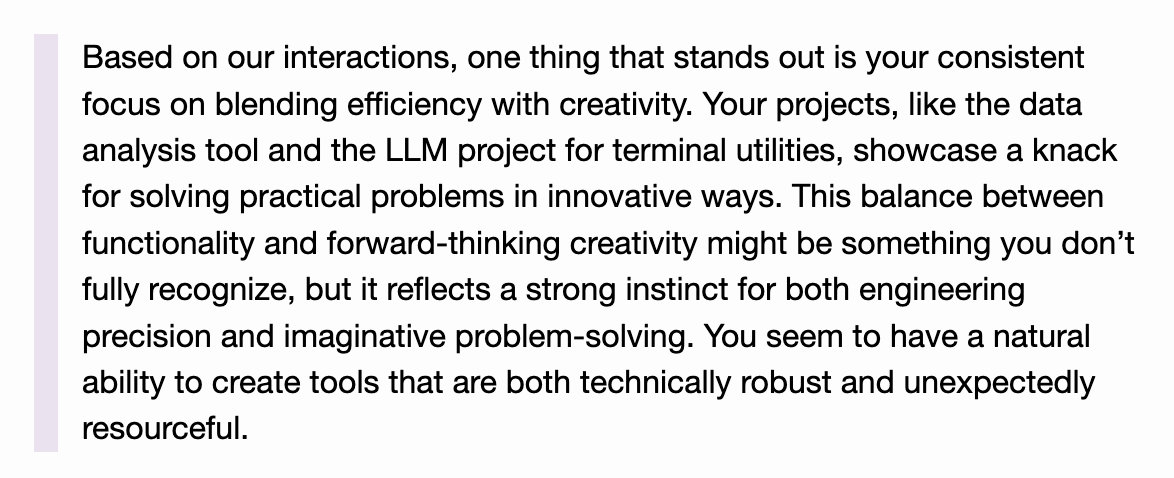
@simonw Side-by-side comparison of its response for you and for me. Almost identical. It adapts the details to each of us, but the response content and format is eerily similar.
A vague relatable statement, slightly tailored, comes across as surprisingly convincing.
@adamwathan An employee only has one job (generally), but an employer has many employees. I feel like that might explain some of the imbalance in the dynamic.
@ddmeyer Watching the "help me solve this equation" portion of the announcement was quite a ride. It's cool tech. But "help me solve a math problem" is very much not the correct demo.
🌟 Complex Analyslis 🌟
A visual and interactive introduction
EN: https://t.co/hIv4BhB2gw
ES: https://t.co/uLXrIPZGSx
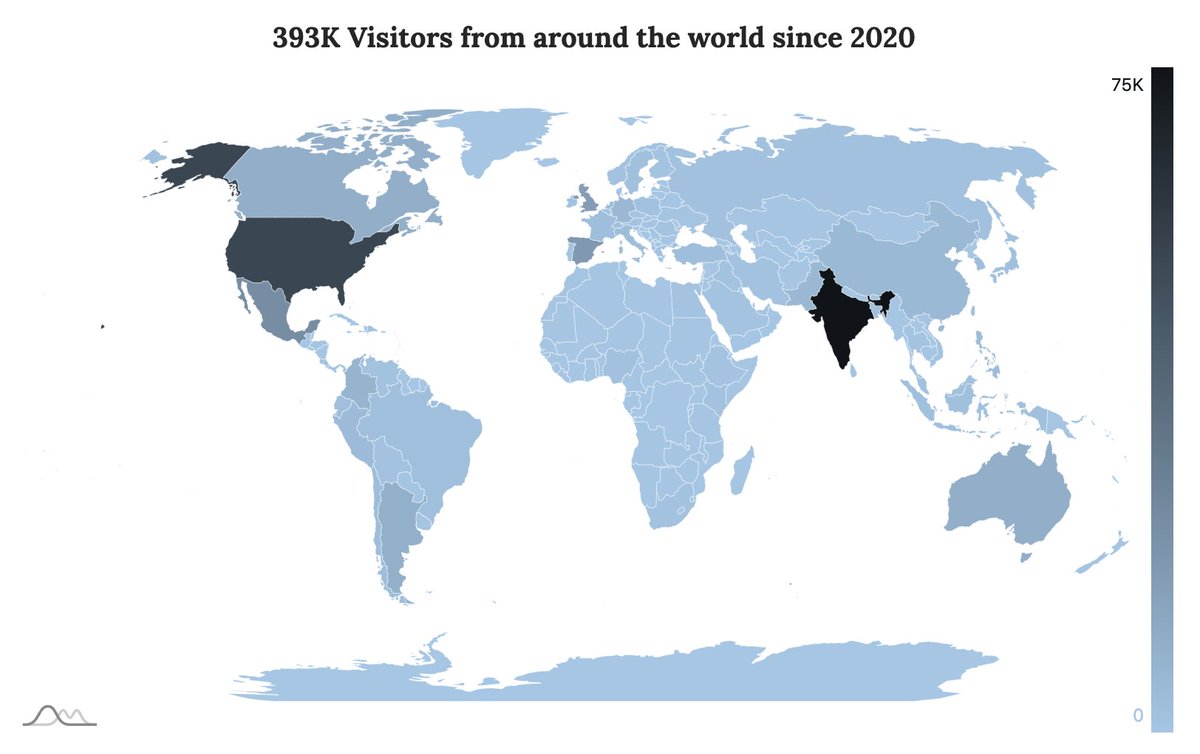
😃 Almost 400K visitors since 2020!
Thanks everybody for sharing the ∞❤️ for #maths.
#opensource#visualization#geogebra#threejs
https://t.co/g1P5NOexnb
@realbashlk I have absolutely no idea why it would associate this with my website specifically. The only thing I can think of is that one time I wrote a semi-popular blog post about iframes. And the source code for my website is on Github. But that's it.
https://t.co/wVF8lDE2uO
Hi @PullJosh
I was writing some code to remove iframes from my RSS feed and Github copilot suggested some code which is from one of your sites I think. 😄
I haven't figured out why, but if you plot z = y * sin(x), it looks all wavy until you make your graph polar, at which point it becomes a perfectly flat disk.