STEMI after TAVI
-33% longer door-to balloon time
-Higher PCI failure, especially for CV and RCA
-Very high in-hospital mortality
An emerging issue when treating low-risk patients...
Proud to be part of this international collaboration
@Fabri84Dascenzo
https://t.co/5LdBiKAApI
A concise and great update on the use of artificial intelligence in cardiology at Eur Heart J (free access). Not to be missed. https://t.co/BJGUXN6Ycv #cardiotwitter@PCRonline@ESC_Journals@ehj_ed
Among ACS patients with plaque erosion, presence of OCT-determined macrophages at culprit lesion is associated with more vulnerable plaque features and worse long-term prognosis (cardiac death&target-vessel revasc) @DrMontone@society_eas @Els_Cardiology https://t.co/qbwbteQk9Z
PULSE PROTOCOL
Angiographic control versus ischemia-driven management of patients undergoing percutaneous revascularisation of the unprotected left main coronary artery with second-generation drug-eluting stents: rationale and design of the PULSE trial https://t.co/ZpFUP4NyWD
PULSE PROTOCOL
Angiographic control versus ischemia-driven management of patients undergoing percutaneous revascularisation of the unprotected left main coronary artery with second-generation drug-eluting stents: rationale and design of the PULSE trial https://t.co/ZpFUP4NyWD
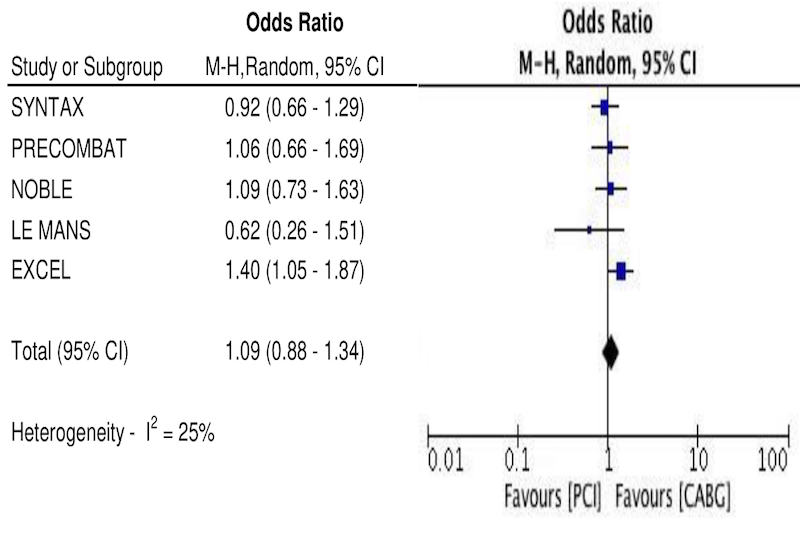
No difference in long-term mortality w/ #PCI vs. #CABG for left main #CAD
Systematic review & meta-analysis: https://t.co/w5JbGugvpJ
Follow @CCIJournal, https://t.co/oEQYGH7lGw
Official Journal of @SCAI
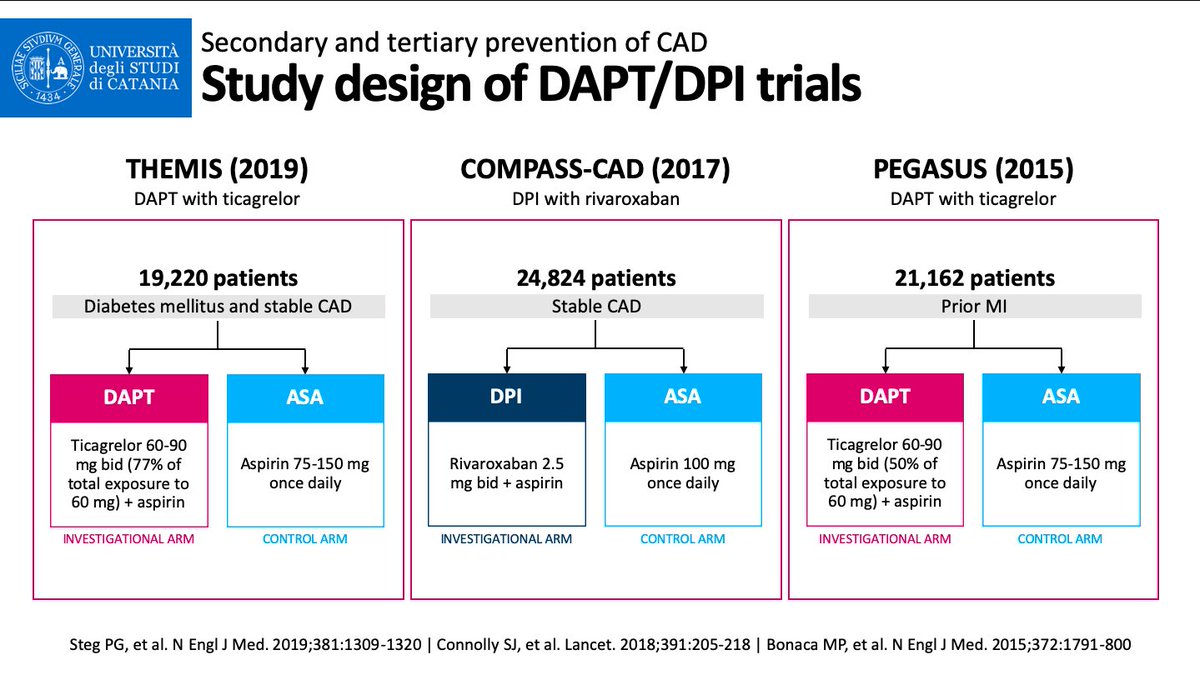
DAPT or DPI in high risk CCS? A few differentiating aspects to aid decisions in patients at low bleeding risk:
1) prior stroke excluded in PEGASUS
2) longer time from MI in COMPASS, shorter in PEGASUS
3) primary results were driven by reduced MI in PEGASUS and stroke in COMPASS