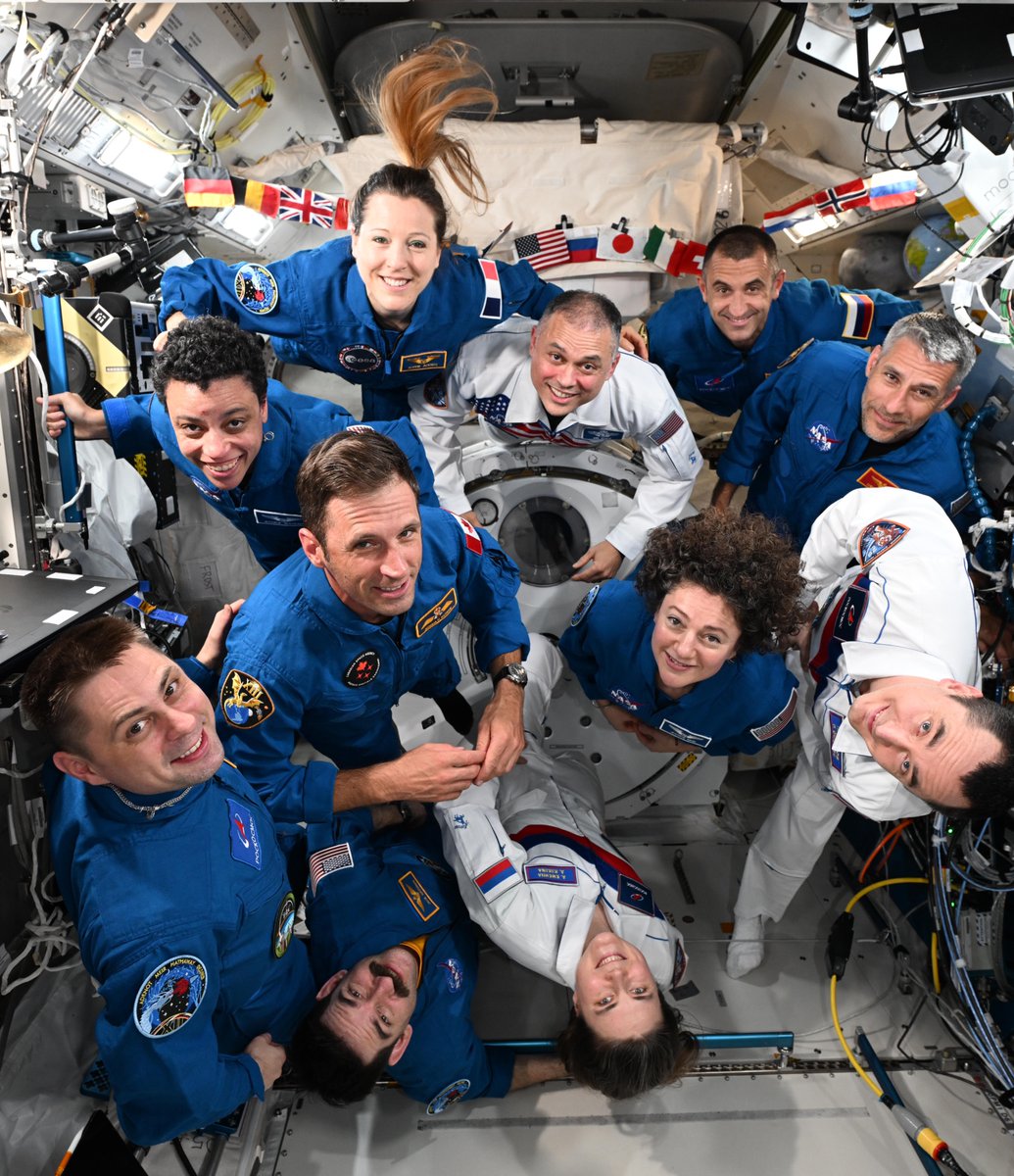
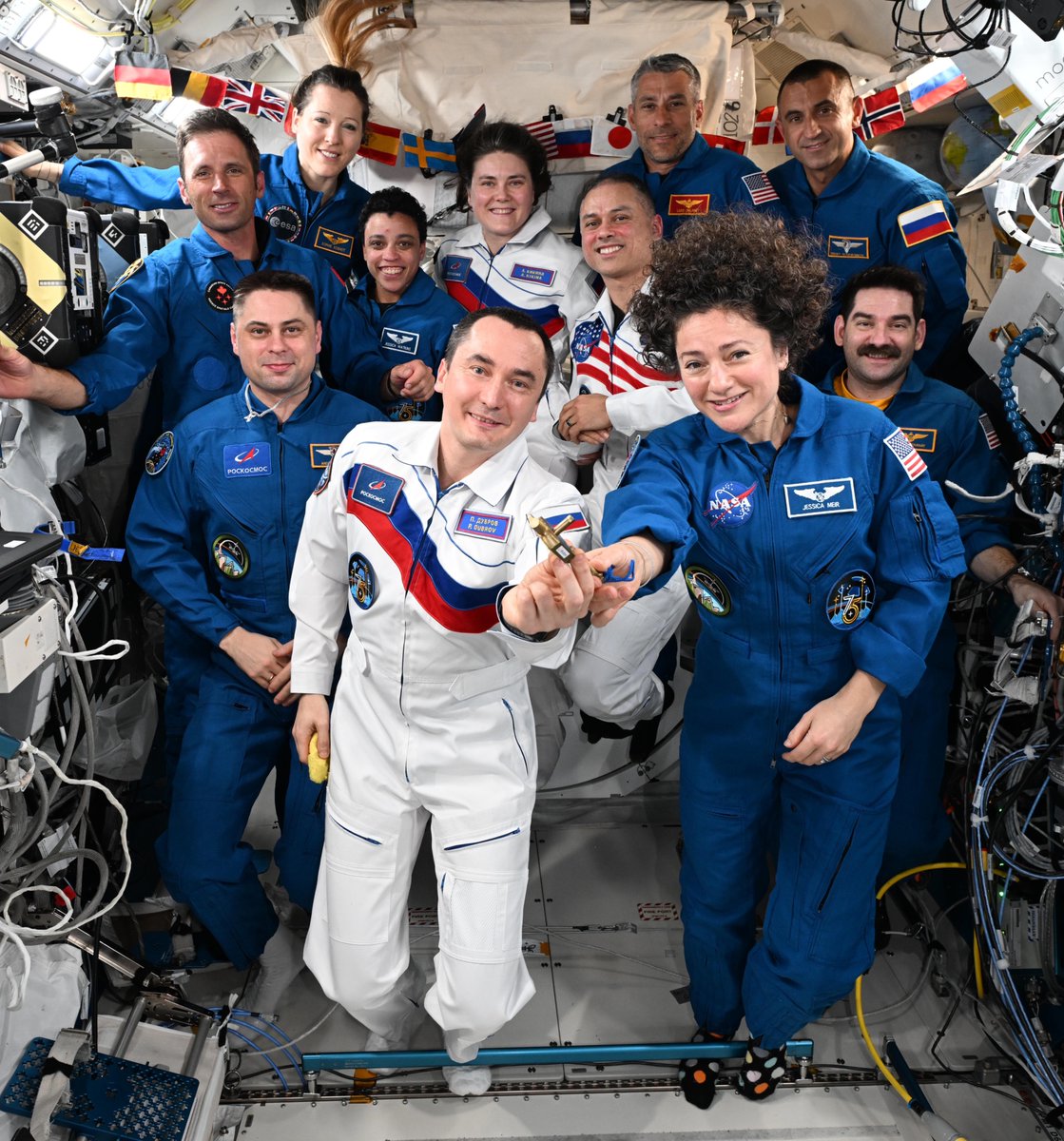
Expedition 75 vibes. It was an honor and privilege to serve as Commander of the @Space_Station! After welcoming Crew-13 this week to mark the second part of Expedition 75, today I handed over the key to the @Space_Station to my friend and colleague Pyotr Dubrov. This ship is in the best of hands!
Room with a view. Check out my new digs as I camp out in Dragon until our departure. With Crew-13’s arrival we have a very full house on the @Space_Station. Luke is living in my previous crew quarters, and I’ve pitched a tent in Dragon.
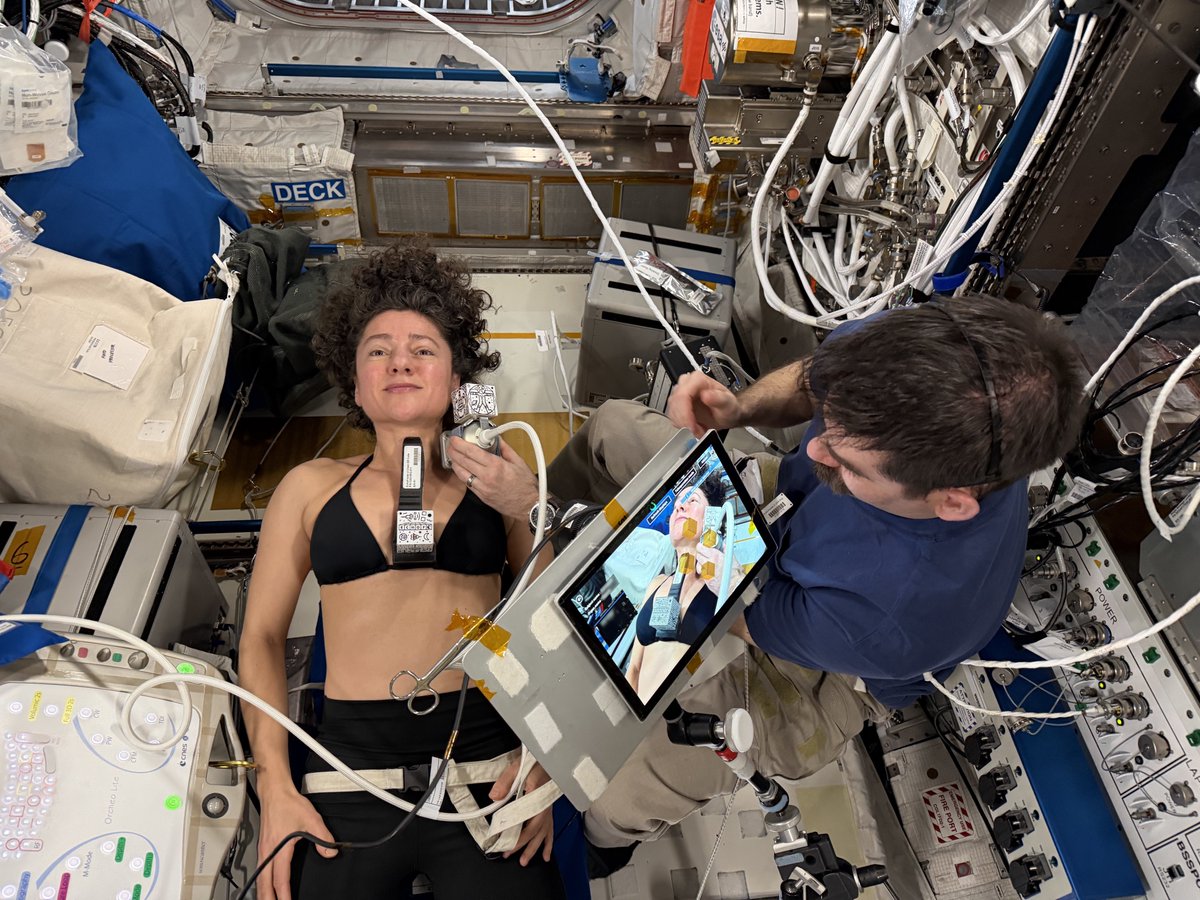
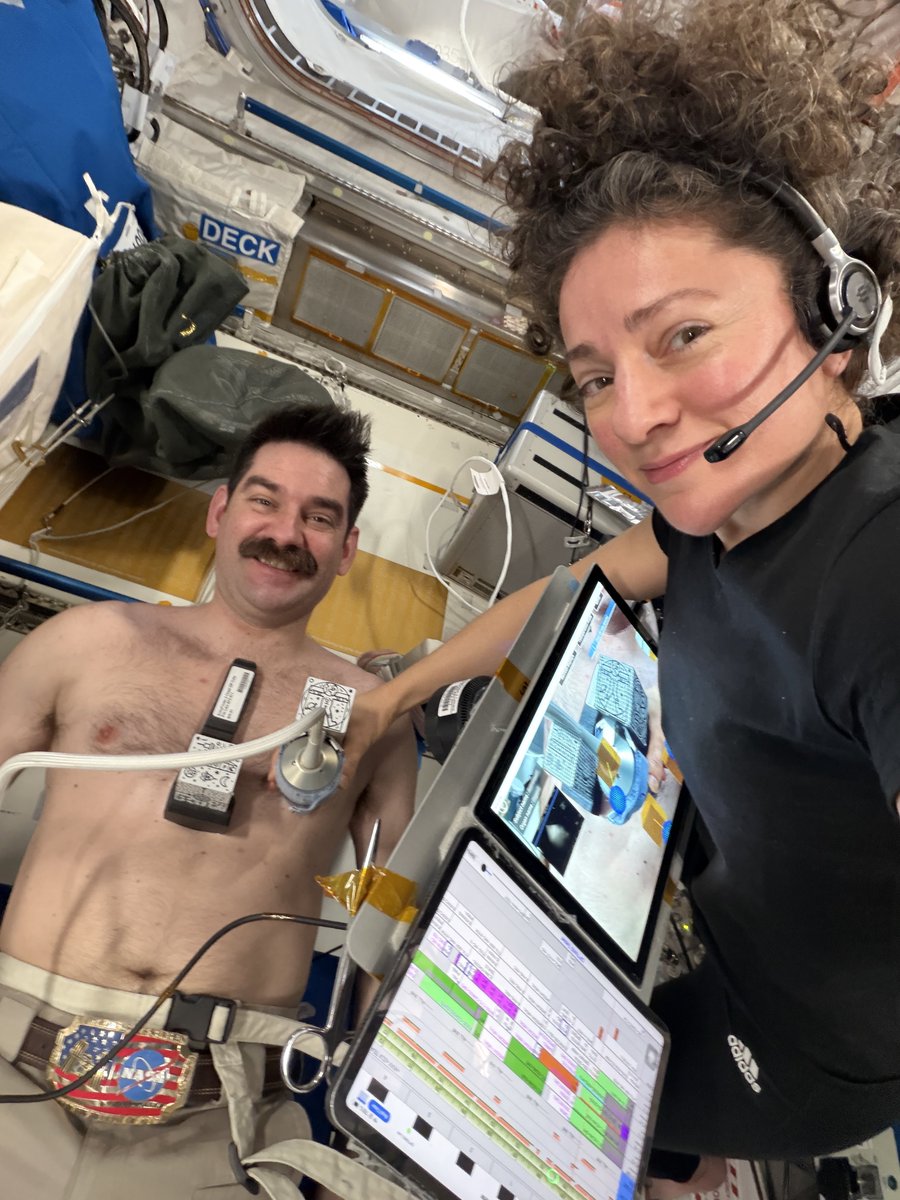
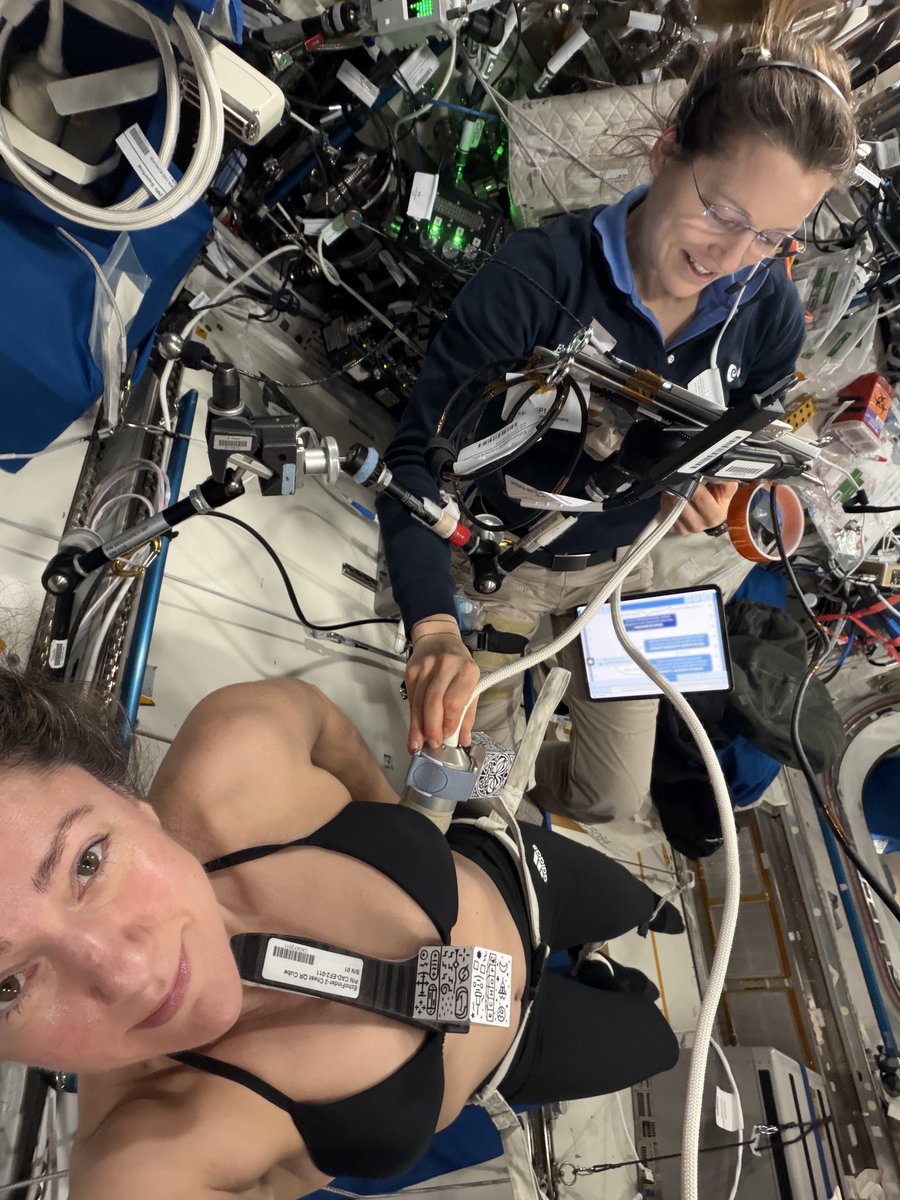
Last week @Soph_astro, @astro_hathaway and I took turns imaging each other’s internal organs for the @CNES EchoFinder-2 experiment. This experiment aims to use augmented reality and artificial intelligence to allow astronauts without medical or ultrasound expertise to perform scans without any support from Earth. This type of technology could prove invaluable for remote medical monitoring scenarios both on Earth and for @NASAArtemis missions to the Moon and Mars.
Day 210, orbit 3255 — A few pictures from EVA-99! In some of them, you can really see just how small I am compared to the Station, which is roughly the size of a football field. And believe me, there were moments when I felt truly humbled in my spacesuit, orbiting 400 km above Earth.
📸 @esa / @NASA
#εpsilon • @esaspaceflight • @Space_Station • @NASAJohnson
A whole new world, volume up! That’s me on the tip of the @csa_asc Canadarm in last week’s spacewalk. The ground team dubbed it the Disney Land ride, given the long trajectory of motion from one worksite to the next. This IRL version of space mountain certainly delivered. At times I faced away from the @Space_Station, not able to see any of its parts, nor that of the arm. It felt as if I was simply levitating above the majestic blue gem we call planet Earth.
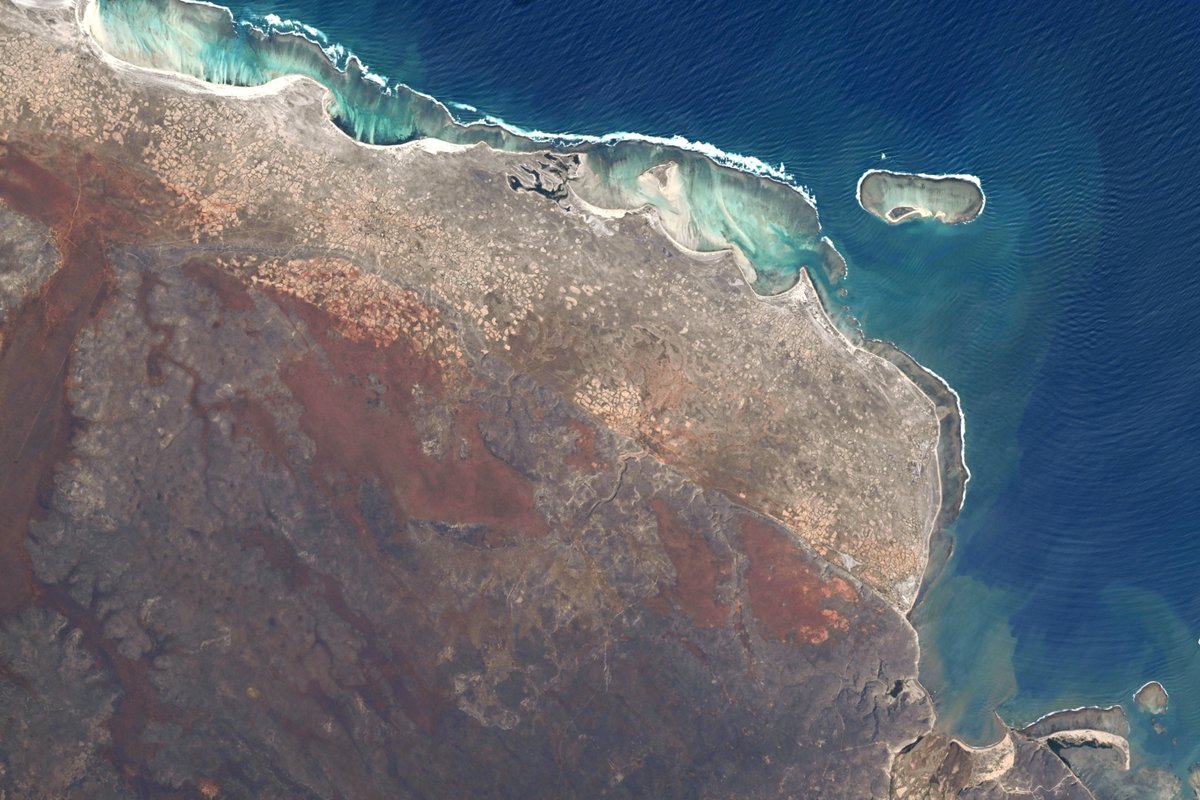
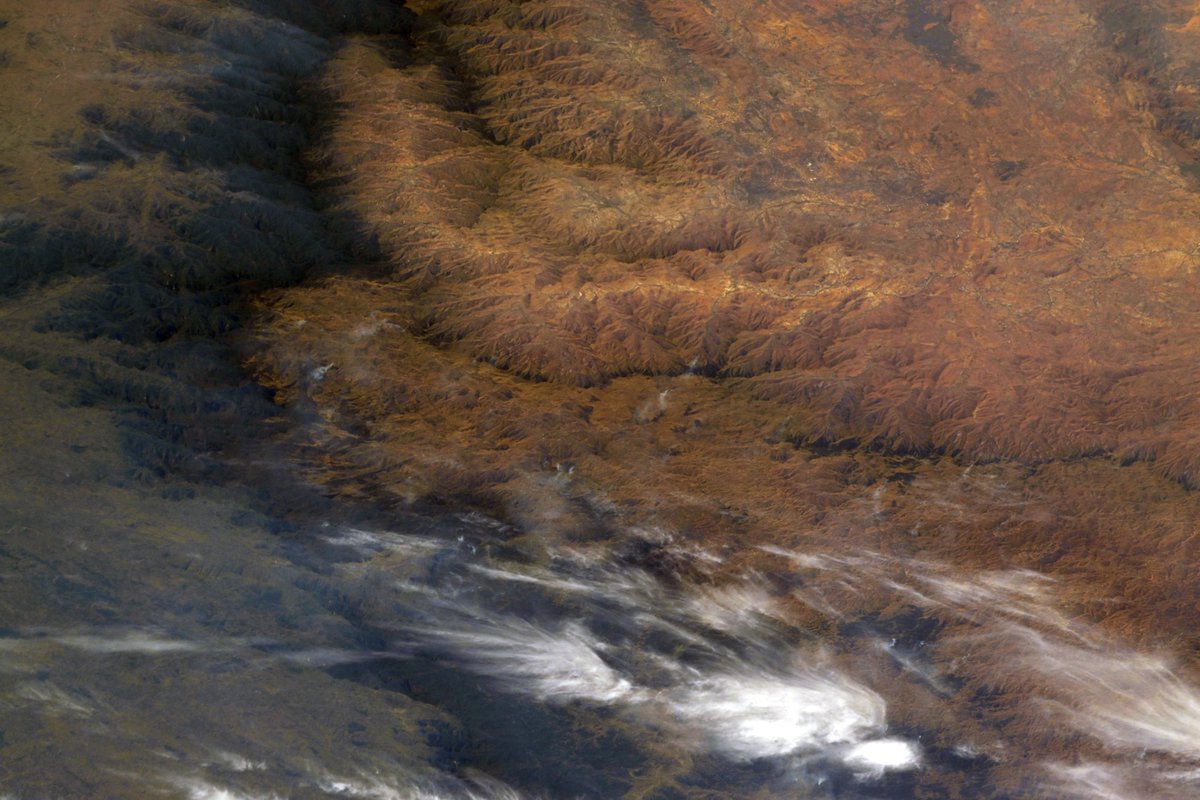
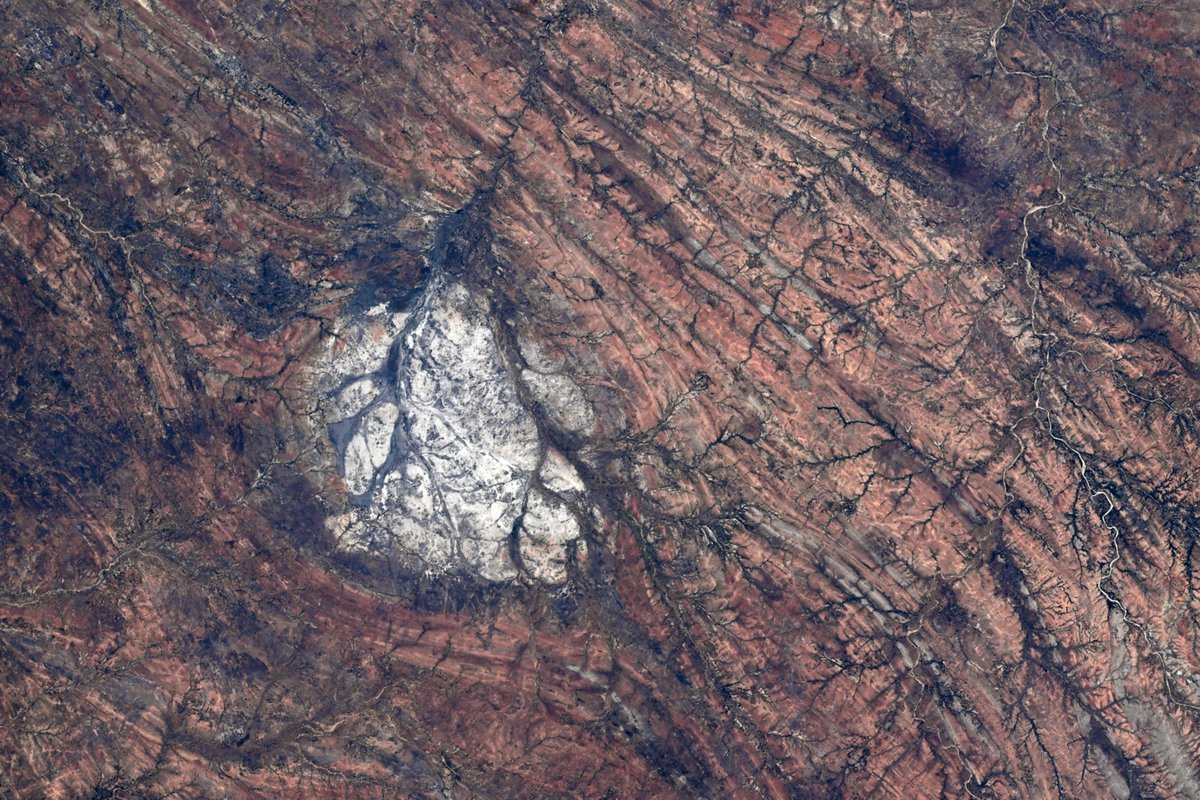
Madagascar. As a biologist, I’ve always been intrigued by its unique flora and fauna. Now, seeing it from the @Space_Station, I’ll add its colors and textures to the list. Certainly somewhere I’ll need to visit when I’m back on planet Earth. Enjoy the weekend Earth Art!
Ad astra ⭐
At 7:26am ET (1126 UTC) on Aug. 30, @NASARoman took to the skies en route to its new home 1 million miles away from Earth. It should reach its final destination in one month: https://t.co/GD5THXPBLn
We now have about 40 Interceptor projects under development across the Dominican Republic, Colombia, Panama, Guatemala, Honduras, the USA, India, Indonesia, Malaysia and the Philippines. Exciting times ahead!
We have spent centuries demystifying the heavens, deposing the deities, replacing omens with calculations. The gods were myths we invited to inhabit the sky. They were evicted by Kepler’s laws. In their stead, we intend a swarm of data centers, a pantheon of machine intelligences, actual reigning overlords
Note: This image does not accurately represent our technology and appears to be AI-generated. For context, our ocean system is U-shaped and moves forward slowly, guiding floating debris into a central retention zone; once this zone is full, the captured plastic is offloaded onto the vessel towing the system. We kindly ask everyone to avoid sharing misleading visuals, and we truly appreciate your support in helping us keep the information about our cleanup efforts accurate. If you’d like to see how our real systems work, you can visit our profile or learn more about our ocean operations here: https://t.co/VUr4su9cua
A timelapse view from our @SpaceX Dragon of the spectacular southern aurora seen in yesterday’s post, a result of a recent solar event. As opposed to the previous aurora I’ve seen, this one danced and snaked its way directly below us, putting on quite a show. I am in awe of this ethereal and emotionally evocative phenomenon.
This photo illustrates three phenomena that surprised me when I arrived on board the @Space_Station. I didn’t realize before seeing it with my own eyes that the Earth’s atmosphere would be so visible in the night sky, seemingly even more obvious at nighttime than daytime, nor that it would be so colorful! These orange and green colors on the horizon are airglow, a faint emission of light caused by chemical reactions and interactions between UV radiation and gases in our atmosphere (unlike aurora, which is caused by solar wind particles interacting with Earth’s magnetic field, airglow is present everywhere, all of the time). I was also surprised to see how blue and well lit the Earth can be at night, when a bright Moon illuminates it (Moonglow!). This photo was taken on May 30, the day prior to the full Moon. I hope that this provides a bit more @NASAArtemis Moon Joy for all of us!