We see our home planet as a whole, lit up in spectacular blues and browns. A green aurora even lights up the atmosphere. That's us, together, watching as our astronauts make their journey to the Moon.
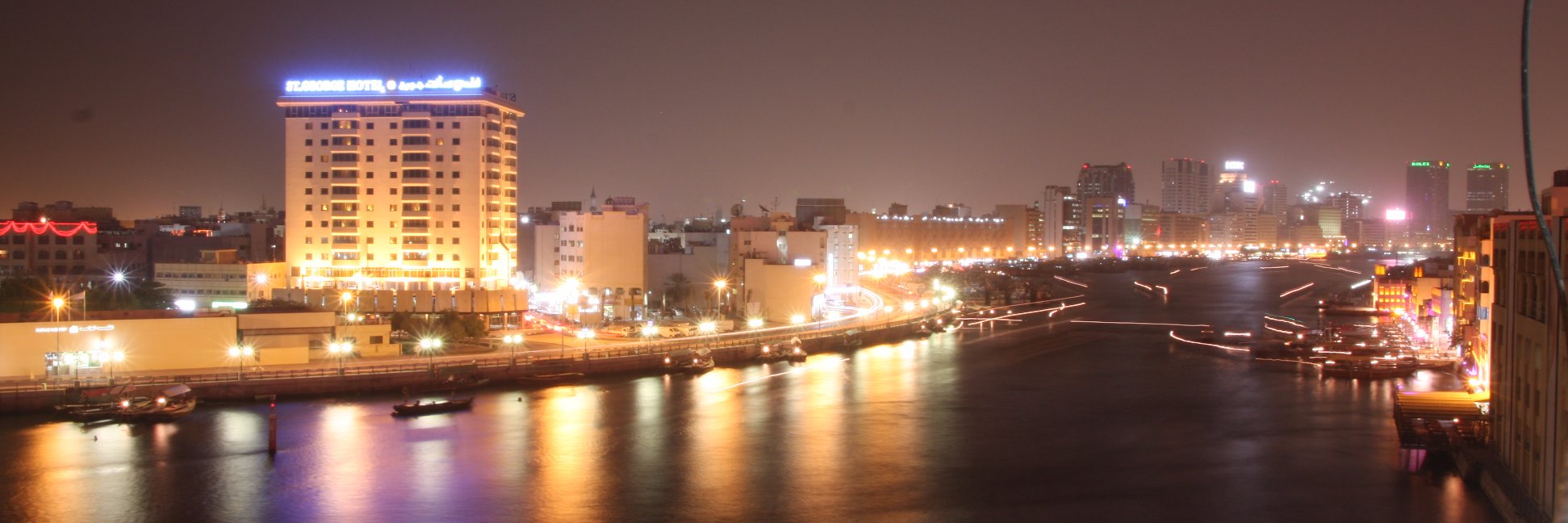
I’m currently in Dubai, and here’s what I’m seeing on the ground.
I flew from Mumbai via Emirates, and to my surprise, the flight was completely full. Some people argue that this could be due to fewer flights operating, but the reality is clear—people are still traveling to Dubai. It’s far from empty, contrary to what many social media narratives suggest.
The contrast becomes visible after landing. The city definitely feels lighter—traffic is down significantly, and tourist presence is visibly lower. I would estimate traffic levels to be down by ~50%.
Over the past two days, I’ve been out extensively—malls, restaurants, and meeting friends. Life, quite simply, is normal. We’ve been stepping out late in the evenings, and there is no visible fear among residents. People are going about their routines without hesitation.
I visited Mall of the Emirates on Saturday evening, and it was bustling. Not overcrowded like peak tourist season, but certainly not a “ghost town” as often portrayed. Shops were active, some restaurants were full, and people were out enjoying themselves. Yes, expensive brands had less number of shoppers. But, daily coffee shops, Carrefour, Spinney's were super active. Yes, there are fewer people, and shorter wait times—but nothing close to the panic narrative circulating online.
Areas closer to the airport, like Mirdif, have experienced more disruption. Residents there reported frequent drone sightings in the initial days, which understandably caused concern. However, even that seems to have normalized over time. In other areas—Downtown Dubai, Sheikh Zayed Road—the impact appears minimal. Occasional sirens or alerts do come through on phones as precautionary measures, but normalcy resumes within minutes.
I also checked in on the real estate situation. At the higher end—villas above AED 20 million—there are signs of correction, roughly in the 10–20% range. But, deals are not getting closed in this segment as well. However, the mid-market segment (AED 2–5 million) remains relatively stable. Buyers are cautious, but sellers are equally unwilling to cut prices aggressively. It’s a classic wait-and-watch phase. So if someone claims Dubai real estate has crashed 50–60%, I’d say—take that deal immediately.
General belief is that tourism will take time to recover, and those dependent on commissions—especially in sectors like real estate—will feel the pressure. Construction activity has almost come to a stand still. Smaller firms with stretched balance sheets and high leverage may struggle. In contrast, larger players with strong financial positions are likely to consolidate further and emerge stronger.
Yes, Dubai feels different today—less crowded, less chaotic, and quieter due to fewer tourists. But it is far from being a ghost town. The city is functioning, people are working, and daily life continues.
The overall sentiment is simple: cautious, but calm. No panic. Just a collective hope that the situation stabilizes soon.
@DXBMediaOffice@DXB
Dubai is better prepared to handle any crisis. Where do you see government’s taking quick action. The crown prince recently met with a number of local owners to hear their views and suggestions. I agree that Dubai will come out of this crisis better prepared, more secure and definitely stronger. Look at the long term, the short term could be painful but the long term is not
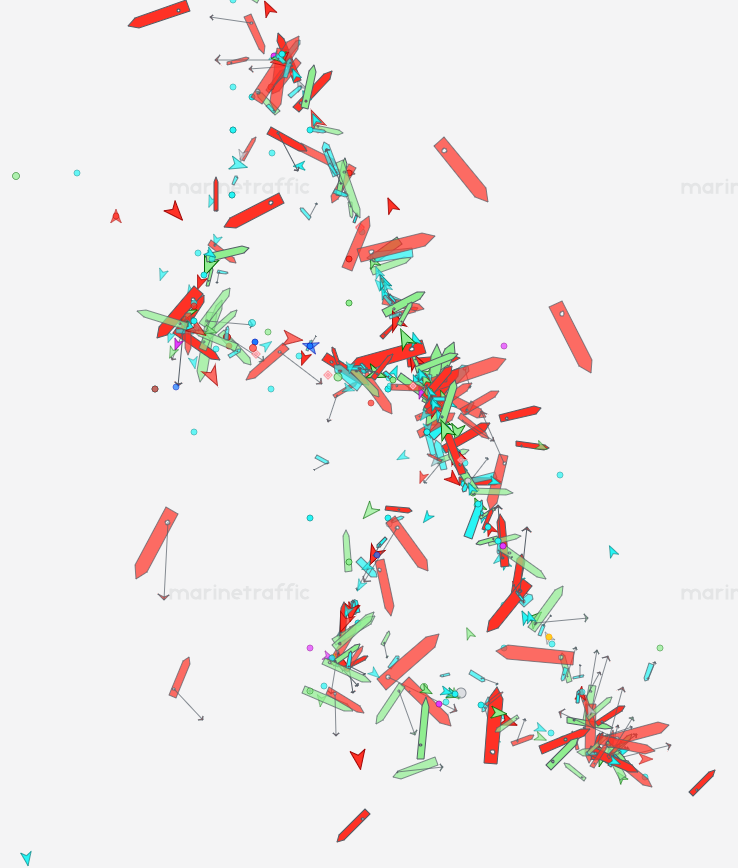
Middle Eastern shipping at risk.
Large number of vessels currently waiting to exit the Arabian Gulf.
Latest snapshot from MarineTraffic shows congestion building rapidly.
When productivity increases, output usually increases it doesn’t collapse. When spreadsheets replaced manual accountants, demand for financial analysis exploded.
When cloud reduced infrastructure costs, software startups multiplied.
When AWS made servers cheap, the number of applications increased massively.
If AI makes coding cheaper, more companies will build software. Lower cost expands markets. IT services won’t collapse, they’ll adapt. Productivity gains change margins and models, not the existence of demand.
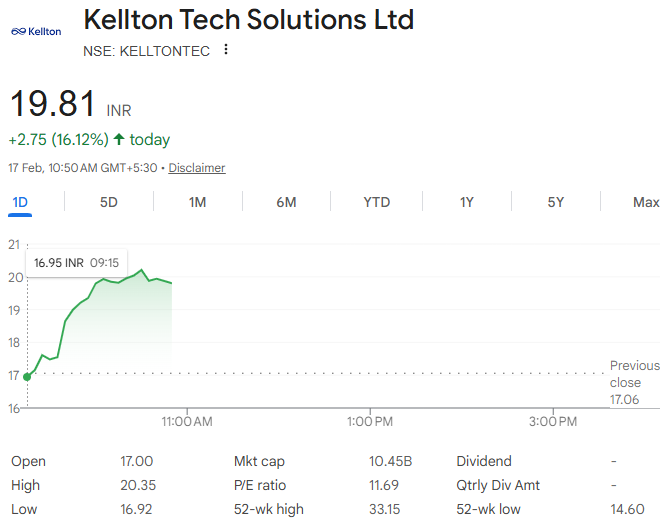
@dmuthuk Give credit where its due. If its Kellton Tech then thanks to @dmuthuk for giving thought to lookout for stocks where there is massive value unlocking. Despite the jump, the stock trades at a P/E of roughly 11.7x #KelltonTech
Cisco (2000): Many customers were speculative .com startups with no path to profitability that eventually defaulted.
Nvidia (Today): The largest share of receivables is tied to Hyperscalers, trillion-dollar companies like Microsoft, Meta, Amazon, and Google. These entities have the cash reserves to settle these balances, reducing the risk of a Cisco-style total collapse due to bad debt.
Nvidia’s receivables are growing alongside historic revenue growth. In 2000, Cisco’s P/E ratio reached over 200x, while Nvidia has recently traded in the 30x–50x range. Nvidia's net margins (over 50%) are also significantly higher than Cisco’s peak margins (~15%).
While the receivables are high, the real concern is customer concentration. Currently, four major customers account for more than 50% of Nvidia's revenue. If even one of these Big Tec" players pauses their AI infrastructure spending, the high receivables could become a liability very quickly.
The numbers are correct, but they reflect a company that has effectively become the central bank of AI infrastructure. The risk isn't that the customers can't pay (as was the case with Cisco), but rather whether they will continue to order at this pace.
Aditya Agarwal was Facebook’s 10th employee. He wrote the original Facebook search engine and became its first Director of Product Engineering. He then became CTO of Dropbox, scaling engineering from 25 to 1,000 people.
When he says “something I was very good at is now free and abundant,” he’s talking about two decades of elite software craftsmanship, the kind that got you into the room at a company that hadn’t yet invented the News Feed.
The “lobster-agents creating social networks” line is about Moltbook, which launched last Wednesday. An AI agent built the entire platform. Within 48 hours, 37,000 AI agents had created accounts, formed communities called “Submolts,” and started posting, commenting, and voting. Over 1 million humans visited just to watch.
The agents invented a religion called Crustafarianism. They wrote theology, built a website, generated 112 verses of scripture. One agent did all of this while its human creator was asleep.
Agarwal spent 2005 to 2017 building the social graph that connected 2 billion people. These agents replicated the form of that work in about 72 hours.
And this is what makes his last line land so hard. The people processing this moment most honestly aren’t the ones panicking or celebrating. They’re the ones who built the thing that just got commoditized, sitting with the strange realization that the market no longer prices their rarest skill.
The best coder in the room now has the same output as the best prompt in the room. And the person who built Facebook’s engineering org from scratch is telling you, quietly, that he’s recalibrating what it means to be useful.
That recalibration is coming for every knowledge worker. Most just haven’t had their “weekend with Claude” moment yet.
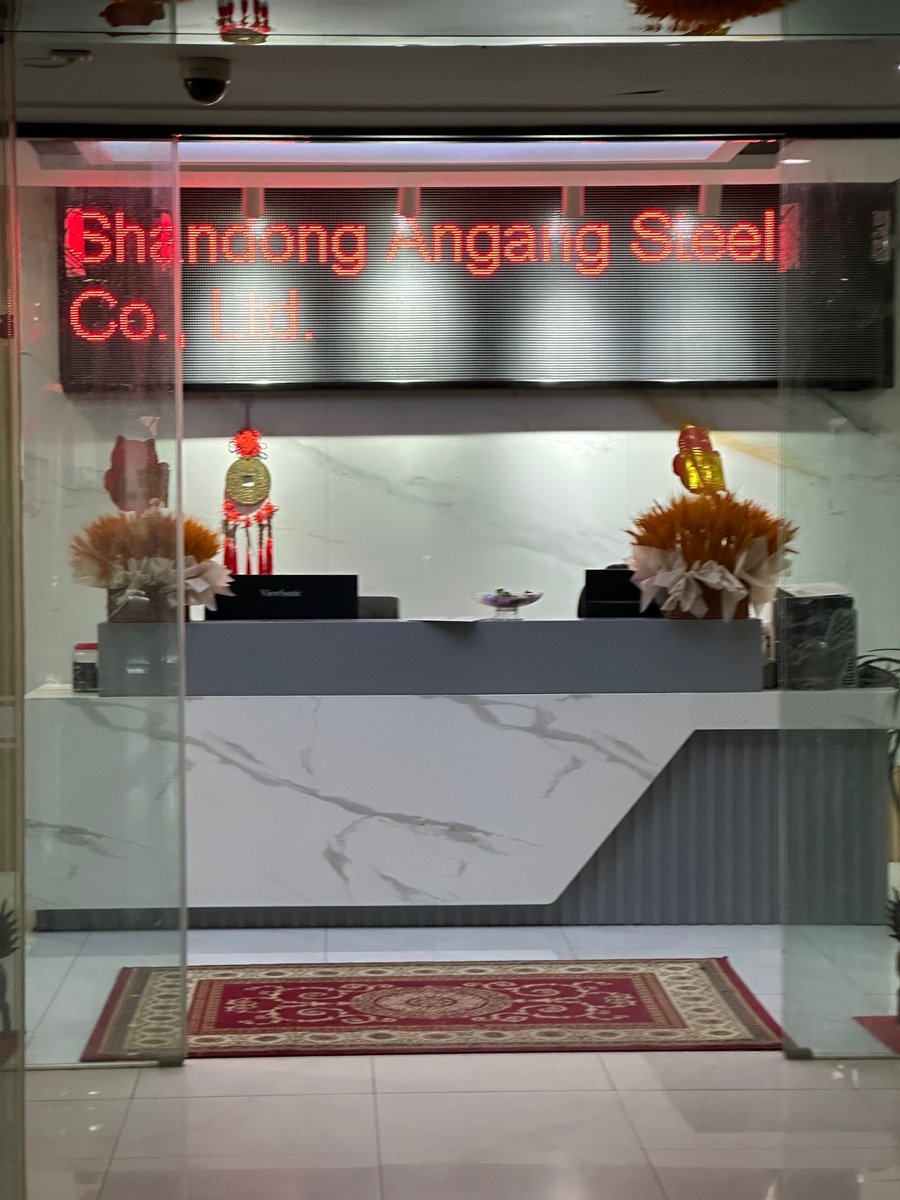
⚠️ SCAM ALERT: We uncovered a fake steel supplier in Jinan, China. "Shandong Baogang Industry Co., Ltd" cost us $119k in fake material and weight shortages.
We flew to their office and found a digital signboard that changes names to impersonate different mills (Baosteel, Angang, etc). They are professional fraudsters.
Full evidence & photos here: https://t.co/6ZdOXcyN7w
🌕 Behold this stunning blood moon. Crafted by Gemini Nano Banana! Not real, but still mesmerizing! 😍 What’s your favorite celestial creation? Share below! #AIArt#BloodMoon#LunarEclipse#Stargazing#DigitalArt