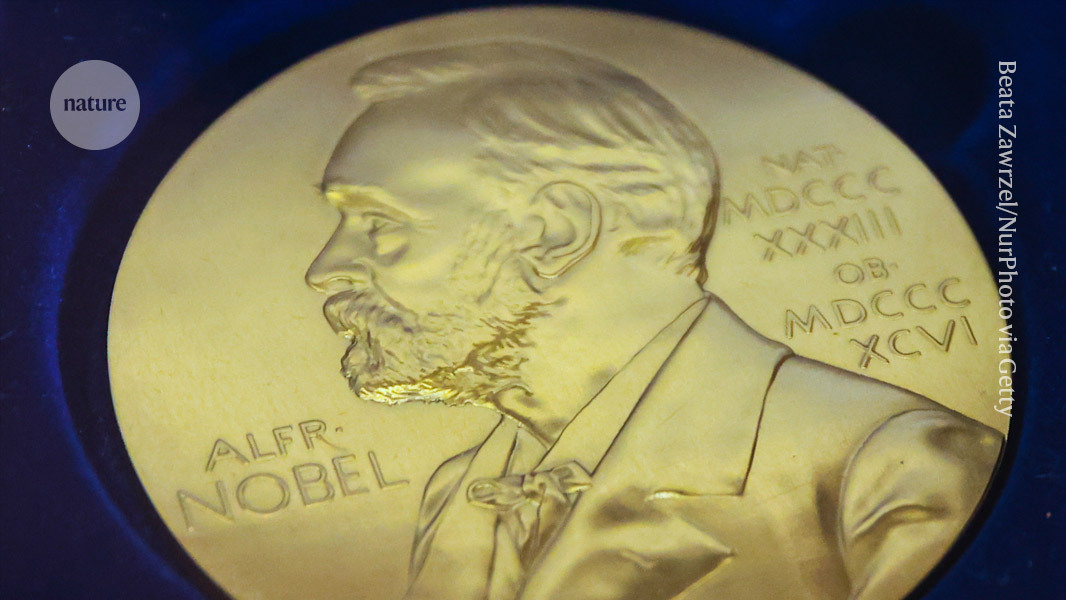
BREAKING: The Nobel Prize in Physiology or Medicine has been awarded to Karl Deisseroth, Peter Hegemann and Georg Nagel “for their discoveries concerning light-gated ion channels and optogenetics.”
More to follow.
Thank you to everyone who donated to the FAER academic giving competition. Stanford raised $21,329.50 while earning 3rd place this year in the competition. Thank you to all the Stanford colleagues who helped make this happen!
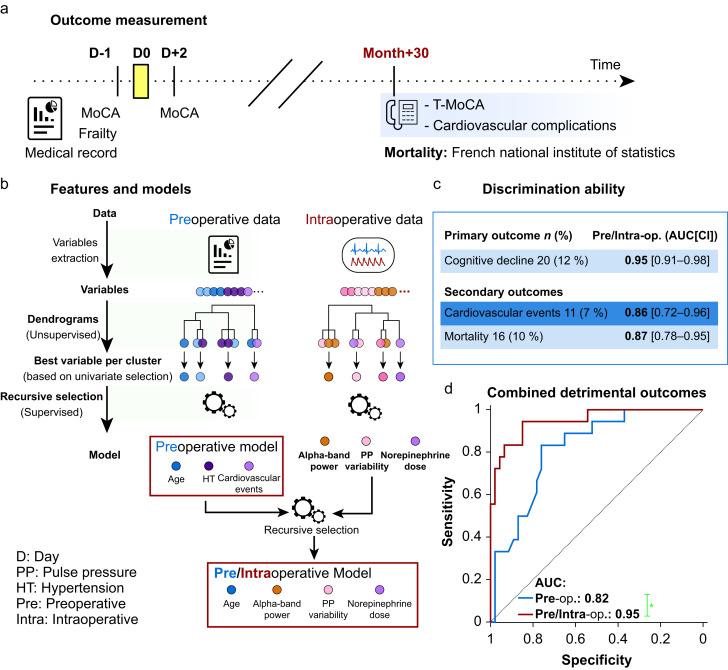
#Intraoperative data may predict longer term risks, forecasting #cardiovascular and #cognitive outcomes post-surgery.
ttps://www.bjanaesthesia.org/article/S0007-0912(25)00225-9/fulltext
Our team is using a common anesthetic to induce altered states of consciousness which may help treat PTSD. Max Feinstein @MountSinaiAnes1 made a great @YouTube vid that explains the links between anesthesia, psychedelics and PTSD. Big thx to @PilleriinSikka and @drpuppychow
Check out our new paper - cover story on @NatureNeuro - outlining a potential new target for pain treatment and which may explain the susceptibility of older adults to chronic pain
Managing major trauma in the ICU?
🧠 TBI. 💉 Coagulopathy. 🛏️ Operative decisions. 💬 Compassionate conversations... and more!
This two-part #BJAEd series by Gordon, Naumann & Shilston covers it all — now with a podcast interview 🎙️https://t.co/g2AfOelx52
Functional MRI in chronic pain patients has revealed which parts of the brain respond to spinal cord stimulation. Zhou et al offer commentary on the direction of future research in this area #fMRI#SCS https://t.co/k5Ezb6m1id
Happy #DoctorsDay25!
As we remember the first use of ether #anesthesia on this day in 1842, FAER would like to thank the incredible #FAERgrantees (2021–2024) pictured for their work to continue the specialty’s growth through #research!
Grantee abstracts: https://t.co/Del0MSCL3t
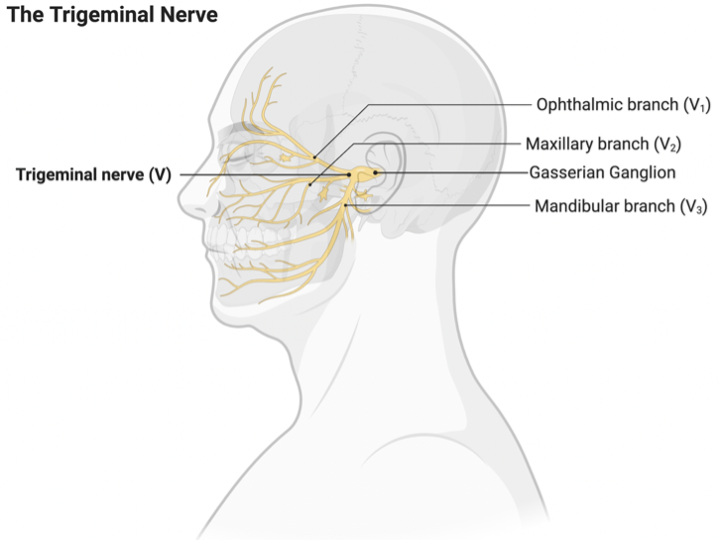
By implanting PNS at the C2-DRG, we aim to provide sustained therapeutic neuromodulation to this key afferent input to the trigeminocervical circuit. Dysfunction of this neural circuit is thought to underlie many headache conditions.
- “Q2-Approach” by Q and XQ 😄
New Way to Treat Severe Headaches
What's new:
A new study tested a less invasive method to treat severe headaches using a device called a peripheral nerve stimulator (PNS). This device was implanted at the C2 dorsal root ganglion (C2-DRG) to help relieve pain.
I am proud to share this new review on The Biology of Addiction that appeared today in @scisignal. It was fun to write the review all by myself and reflect on the tremendous progress achieved over the past three decades...
Trigeminal neuralgia (TN), also known as "tic douloureux," is a chronic condition that causes sharp, electric-shock pain on one side of the face. Everyday activities like smiling, eating, or even light touch can trigger episodes. (1/9)
@FAERanesthesia is a bedrock organization that supports early-career anesthesiologist-scientists in our research and career development.
Please donate&support this critical effort to continue growing our anesthesia research community!
Go Team Stanford!
https://t.co/jn283CRuaK
When performing percutaneous rhizotomy for trigeminal neuralgia, the needle is advanced to reach an ideal position on the lateral X-ray. Note that the tip of the needle is aimed at the junction of the clivus and petrous bone. This is the most important landmark on the lateral fluoroscopic image and guides the surgeon to reach the foramen ovale. The needle tip is advanced to the bony junction, and upon entering the foramen, should rest between 5-15 mm below the sellar floor.
#MedTwitter #Neurosurgery #NSGY #surgery