A DOE National Quantum Information Science Research Center leading the way in next-generation quantum science and engineering. Member of the #QuantumQuintet.
Congrats to Prof. Paul Kwiat whose research group has now received 24 STTR grants, totaling $4.8M in quantum optics funding over the last 5 years! The latest 2 grants focus on developing reliable entangled photon sources for quantum comms and networking. https://t.co/DiulWFjLWa
A @Stanford-led research team has built photonic cavities into thin diamond films with tin-vacancy centers. The device demonstrated a 26-times-faster spontaneous photon emission rate — promising for future diamond-based #quantum technologies. https://t.co/goTosDRJeG
Fast, high-fidelity qubit control is essential for scalable #quantum computing, but conventional techniques often generate heat and degrade coherence.
In a @NatureComms study, #C2QA researchers demonstrated a method that overcomes these limitations.
🔗: https://t.co/S7UnDOaVcq
New science highlight @doescience: SQMS Center research identifies niobium hydrides as a previously unaccounted-for source of noise in superconducting qubits. The finding gives researchers a clearer path toward higher performance quantum devices. #quantum
https://t.co/V3NXYzEhWd
Congratulations 🎉 to Q-NEXT collaborator and @uofigrainger Assistant Professor Chris Anderson on being named the James P. Gordon Memorial Speaker by @OpticaWorldwide. https://t.co/6Zw12vV1iN
Research from @Penn_State University, @UChicagoPME, and Q-NEXT, led by @Argonne, uncovers new insights into superconducting diamonds by carefully creating high-quality diamonds, isolating electronic signatures, and revealing mechanisms that long remained hidden. @ChicagoQuantum
🔗 Read more: https://t.co/0aCmO2fhTl
Research updates! ⚛️ @QSAcenter researchers @UNM studied how noisy, imperfect quantum systems can still outperform classical computers using special topological quantum states, even at nonzero temperatures. Access the preprint: https://t.co/7hMJXNCBM3
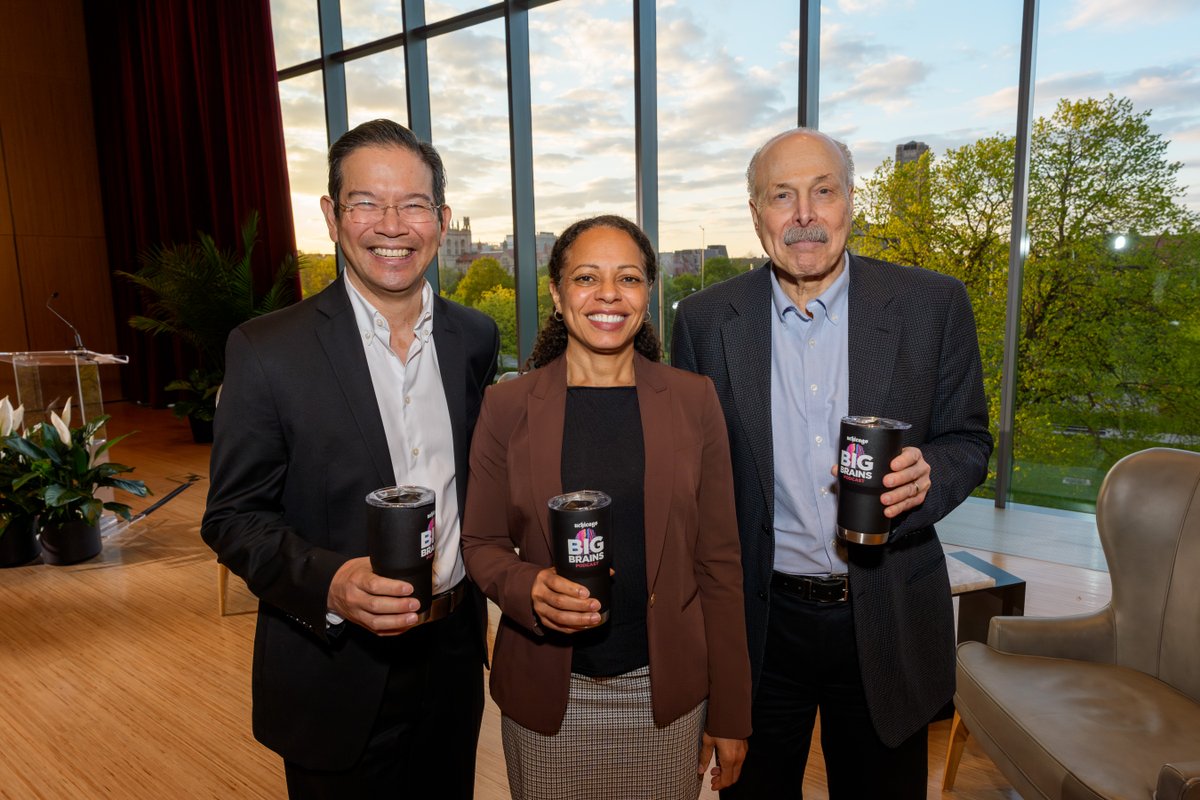
“Every day, we’re uncovering something new.” UChicago scientists demystified quantum technology at a live Big Brains podcast recording with 1440, exploring how this research could transform fields from medicine to computing. Full episode coming soon.
Are you a high school student curious about #quantum but not sure where to start?
We teamed up with @VT_Science to create a #quantum information science and engineering program for students like you.
📆 July 27-30
📍 Virtual
⬇️ Learn more and apply https://t.co/FVEfD91hu0
#C2QA researchers demonstrated entanglement distillation on @IBM#quantum hardware, showing how noisy quantum links can be strengthened.
Their results in @PhysRevResearch provide practical guidance for using this method in modular quantum systems.
https://t.co/JnTqNLM8TF
#C2QA researchers have boosted the lifetime of superconducting qubits from 0.1 milliseconds to 1.68 milliseconds — but they're not stopping there.
Read more in @Nature's "Quantum computers will finally be useful: what’s behind the revolution:" https://t.co/KjkSyBl5IN
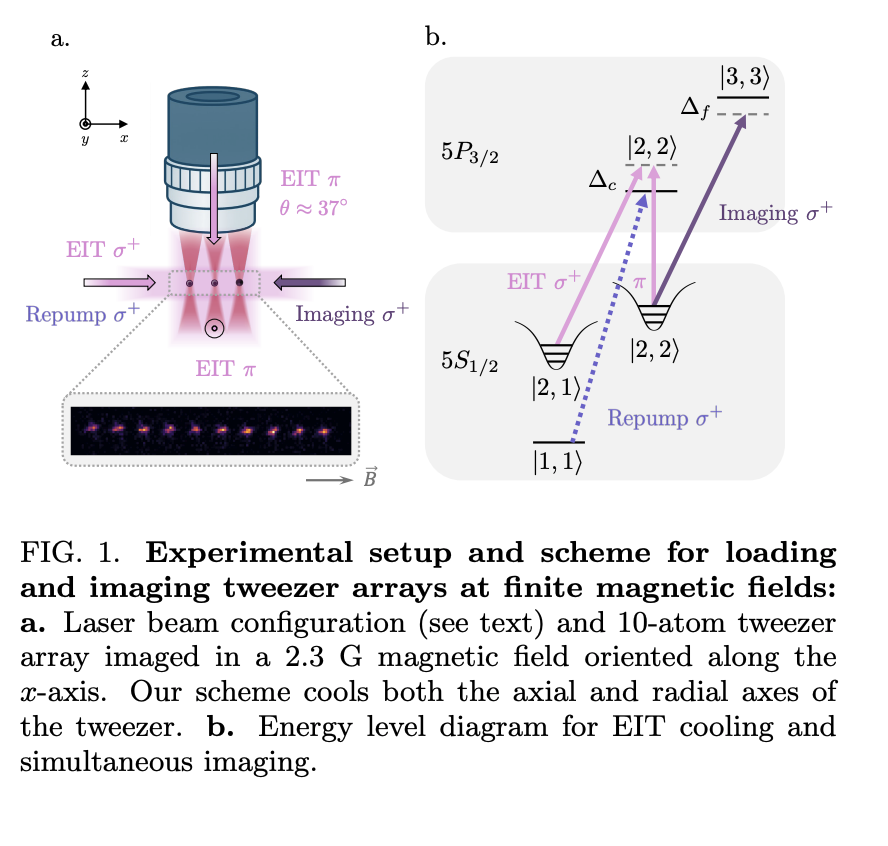
Preprint alert!🔔 @QSAcenter researchers @MIT@Harvard@harvardphysics have developed a new method to image & prepare atom arrays while maintaining the magnetic fields required for operation. https://t.co/8cKr2BjiwC
⚛️ What is co-design?
⚛️ How is #C2QA building quantum components and scalable architectures?
⚛️ Why is collaboration essential for impactful science?
C2QA Director Charles Black discusses all this — and more — in a recent Quantum Builders webinar. https://t.co/c3zVGHHEG6
Marking a milestone toward scalable quantum systems, #C2QA researchers from @BrookhavenLab and NY Creates developed — and demonstrated — a manufacturing-friendly process for building superconducting quantum devices using silicon-compatible materials.
🔗: https://t.co/f63ahZaJWW
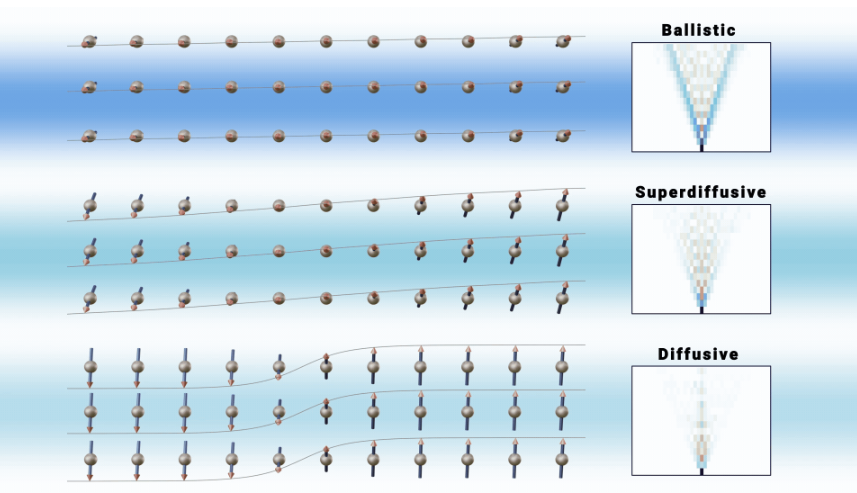
@QuantumSciCtr researchers have demonstrated a new way to simulate how spin—and the energy and information it carries—moves through #quantum materials using today’s quantum computers. It’s a step beyond proof-of-concept and a glimpse at what’s next.
🔗https://t.co/SdFatxoYtO
Did you know that today is World Quantum Day & @ENERGY supports 5 National Quantum Information Science Research Centers?
@C2QAdvantage, @QuantumSciCtr, @sqmscenter, @qnextquantum & @BerkeleyLab’s Quantum Systems Accelerator are all advancing quantum tech:
https://t.co/qTaUD7j18h