If you were a victim of Breast Ironing, and very willing to talk to me about your experience for an article, I need to speak to you, please send me a dm
It's day 9 of me sharing African women who shaped the political and social fabric of the African continent yet you may or may not know them.
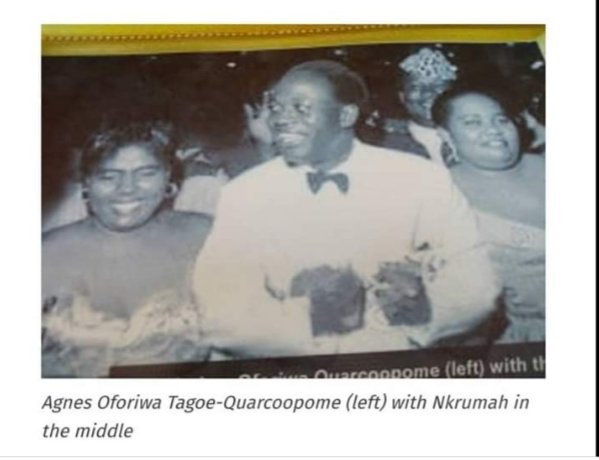
Today we talk about Agnes Oforiwa Tagoe-Quarcoopom. Wherever Kwame Nkrumah was, Agnes was there and that is because she carried Nkrumah's cause on her head. She fundraised, mobilized her fellow market women for Ghanaian independence that the British have documented in their history that Ghana's main weapon during their struggle for independence was the market women. These women who were illiterate,never had a formal education, seemed only concerned with selling on the market. But these very women distributed information at large; mobilized communities at large and kept each other safe through different safe houses they monitored.
Agnès's legacy is known for showing everyone that there can never be a social and political revolution without women. And women especially overlooked market and rural women must at the center of any revolution
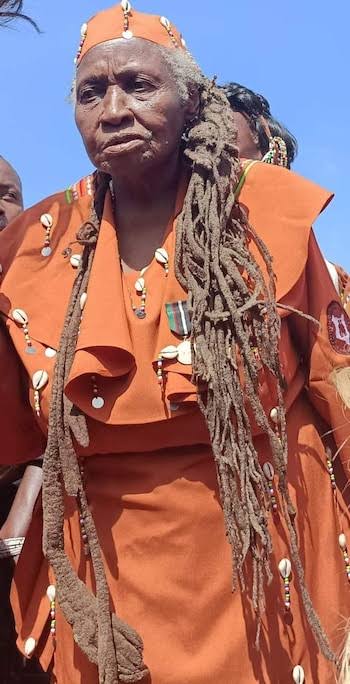
One of the most shameful acts against Shujaa Mūthoni Kīrīma happened ahead of the elections in August 2022. Her dreadlocks, a sign of continued resistance against the oppressive colonial Kenyan State, were cut off, in public, by one of the biggest beneficiaries of colonialism.
It's Day 8 of me sharing African women who shaped the political and social fabric of our continent.
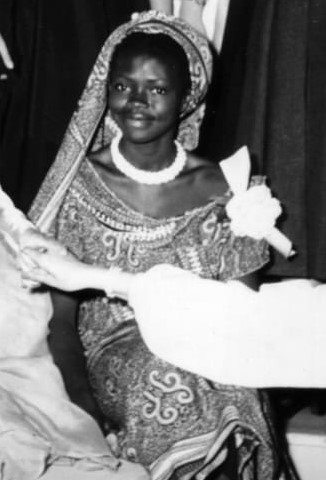
Today we talk about Felicitas Ntang. She is known in the UPC ( Union of the Cameroonian peoples) as amongst the few cameroonian women who joined the armed struggled against French colonialists.
In December 2017 while in Yaoundé, I learned about the women of UPC. In 2019 as I had started developing my book, I returned to Yaoundé and digged into UPC archives. That's when I came across Felicitas. She was UPC's underground agent and a skilled fighter. She joined the maquis when she was 19, living in the forest, fighting against French colonialists until Independence was declared.
Felicitas has petitioned the current government many times to recognize her contributions and the time she served her country. Yet she continued to be overlooked. In her own words: " I don’t want anything big from the government..All I want is a medal of recognition as one of the women who fought for Cameroon’s independence.”
Felicitas stands amongst the forgotten and often uncelebrated Cameroonian women who fought for independence such Marthe Ekemeyong, Marthe Ouandié,Marguerite Ngoyi, Gertrude Omog and so many others!
It's day 7 of sharing African women who shaped the political and social fabric of our continent yet you may or may not know them.
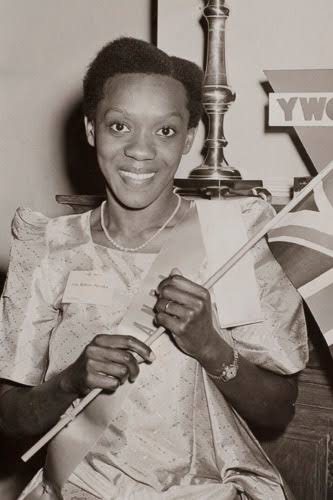
Today I am talking about Rebecca Allen Namugenze Mukasa, also known as Rebecca Mulira, was a Ugandan women's rights advocate and social activist. But mostly she was a panafrican and one of the pioneers of the Panafrican organization of African women in Addis Ababa in 1962 alongside Aoua Keita I talked on Day 3
Those who knew Rebecca described her as relentless. Again it takes relentlessness to be a woman in politics alongside your husband in the 50s and 60s while consistently asserting your own voice and individuality not as a wife of but as an activist yourself.
Rebecca's legacy in Uganda is known in different women organizations she worked with, women councils she chaired and the social activism she carried within the government.
And yet so little is also known about her. As we know women are not written properly in history, let alone African women
It's day 6 of me sharing African women who shaped the social and political fabric of our continent yet you may or may not know about them.
Today, I am talking about Field Marshal Muthoni Kirima. One of the women who fought in the Mau Mau rebellion for independence of Kenya.
In 2018 in Nairobi through a friend, I met Muthoni who narrated to us her story in the forest part of the rebellion that cost the British Empire millions and millions of pounds until they granted Kenya's independence.
When Muthoni was narrating her story to us, she mentioned other women who were in the forest in the Mau Mau rebellion such as Wamuyu Gakuru, Grace Nyaguthii, and Njoki Waicere. One could never imagine what it means to be a woman in a rebellion while also surviving patriarchal violence from the same comrades.
Muthoni passed away in 2023 angry that in all the narrated stories about the Mau Mau rebellion, women were omitted or not celebrated as their male counterparts meanwhile the women were the heart of the movement. They carried information, mobilized, fundraiser, grabbed arms while also carrying the domestic work.
I carry Muthoni's anger today and the anger of all the women who dared, who organized, who worked and laid their entire lives for their nations and yet their contributions often erased.
Happy international women's day. It's Day 5 of me sharing about African women who shaped the political and social fabric of our continent.
Today I talk about Adja Arame Thioumbé Samb. She is known as the first woman to be imprisoned in Sénégal for political reasons. Adja Arame didn't attend school but she shaped the political landscape of Sénégal during the struggle for its independence that one can wonder why her name is barely mentioned today. She organized in UDS known as Union of Senegalese women. She mobilized thousands of women to distribute information for independence. They turned market women into great political agents who moved information and fundraised for independence.
When independence was declared; Adja who not only advocated for the abolition of imperialism, and the ruling of elites; became the enemy of the state. She spent her life in the opposition holding accountable the same people she fought alongside for Sénégal independence. She believed there can never be a free country where the ruling e elites prioritize their own interests at the expense of everyone else.
I wrote about Adja in my book(coming soon). Her story is so inspiring. What an honor to have references of women who shaped the way for us.
Adja was known to assert her voice and demand women to be always included in political spaces. She changed the stereotype that politics were for only educated women.
🔴Zeinab Yassin Suleiman (1918–2005):
A Revolutionary Poet of the Horn of Africa
Zeineb Yassin was a revolutionary activist & poet who inspired the masses beyond patriarchal & conservative limitations.
Zeineb Yassin passed away on January 28, 2005. Born and raised in Afabet, she joined the EPLF in 1977 alongside her husband and two sons. During her time with the movement, she worked behind military lines, supporting freedom fighters and mobilizing the local population. She was renowned for her revolutionary poetry and was affectionately known within the EPLF as the "Mother of the Fighters." After the EPLF’s withdrawal from Afabet, she spent most of her time in Nakfa until Eritrea achieved liberation.
She represented the African spirit of defiance against imperialism & the externally-backed Ethiopian occupation
Day 4 of me sharing about African women who shaped the political and social fabric of our continent yet you may or may not know about them.
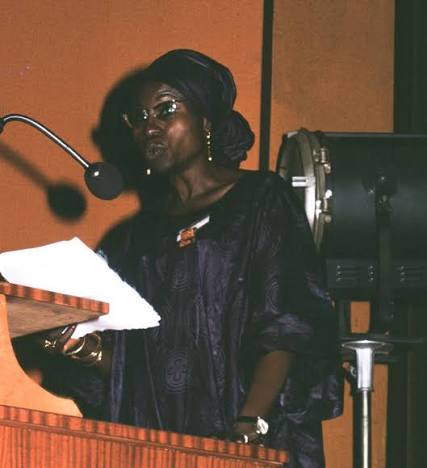
Today we talk about Aoua Keita. She is amongst the pioneers who founded the Pan African women organization of women in 1962. She and her comrades believed women's struggles are not isolated but very much connected and should be linked to other struggles of the African peoples.
I came across her name when I was in Bamako, Mali in 2018. I passed through a building that bears her name. It intrigued me and I learned that she was the first woman to be elected as a member of Parliament in Mali. Then I read her memoir: Aoua Keita, Femme d'Afrique and learned about her immense work organizing in different communities for the independence of Mali. In her memoir, Aoua narrates her journey as a woman in a political dominated spaces and the immense she did with other women. Her story reminds us how much we are the product of our foremothers. The African women who really organized immensely for our rights
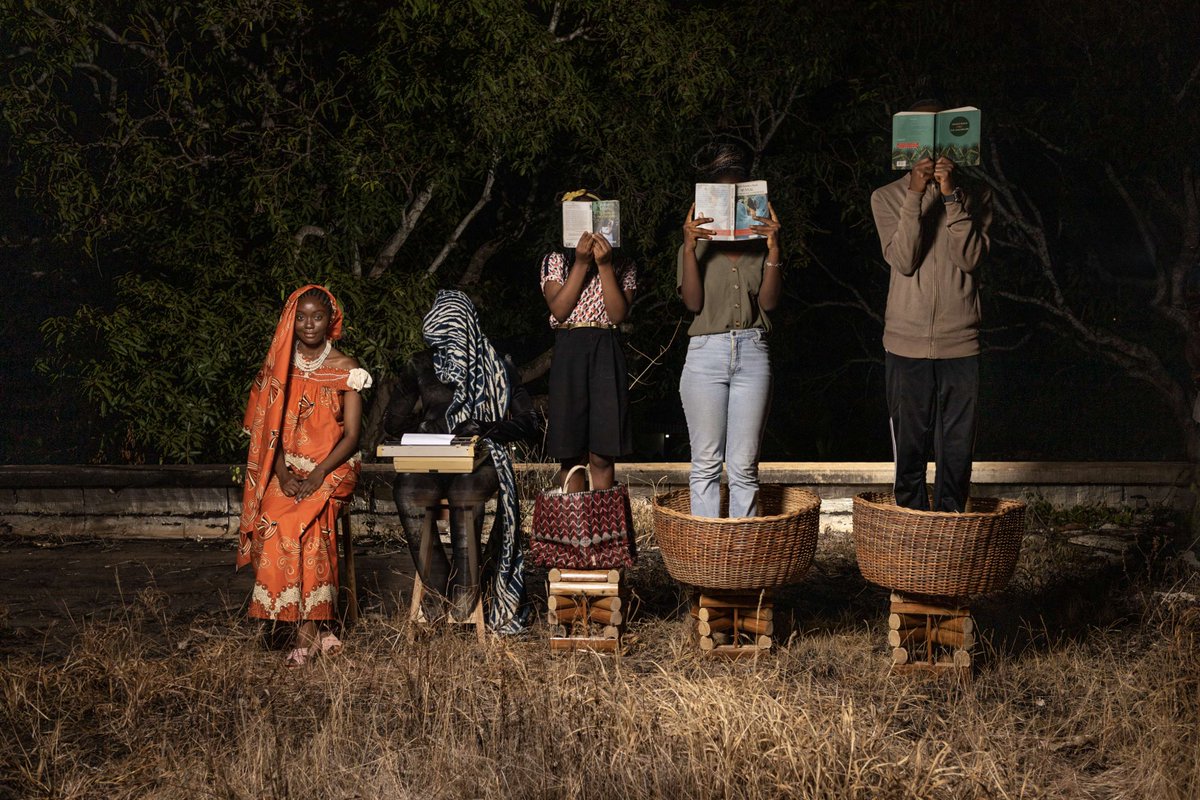
Marie Claire Matip rewrote what was possible for African women - literally.
At just 16, she authored Ngonda, considered the first published work of fiction by a Sub-Saharan African woman. A groundbreaking act that shifted how African girlhood, identity and knowledge were represented.
Her brilliance took her from Cameroon to France, where she studied literature, theology, philosophy, psychology and sociology. Political tensions prevented her return home, but not her influence. She later defended a thesis on the role of African women, continuing to challenge how the world sees African womanhood.
Ngonda remains a landmark - a young woman chronicling her own life, celebrating Bassa culture, and insisting that African girls deserve to read, write and shape their own narratives.
Marie Claire Matip didn’t wait for permission to tell her story - she claimed the page, and the page remembered.
#InvestInWomenAccelerateProgress
#AfricanWomenLead
#SheShiftsTheStory
#InternationalWomensDay2026
#WomensMonth2026