Tagungsankündigung: Internationale Fachtagung für Epigraphik 2024, „Schrifttum und Inschriften. Intertextualität in Mittelalter und Früher Neuzeit“, @SAW_Leipzig , "Die Deutschen Inschriften des Mittelalters und der Frühen Neuzeit"; Leipzig, 07.–09.10.24. Details und CfP folgen.
@rob_heinze But this building contains only a part of the University Library, the main part is actually in an historical building.
https://t.co/TRcKRNS3cD
Neuerscheinung: "Die Inschriften des Landkreises #Nienburg/Weser", bearb. von Katharina Kagerer (DI 114). Der Band umfasst 372 Katalogartikel, darunter zahlreiche Grabdenkmäler aus dem ehemaligen Zisterzienserkloster #Loccum.
https://t.co/5MgQJvYsij
#akademienprogramm@adw_goe
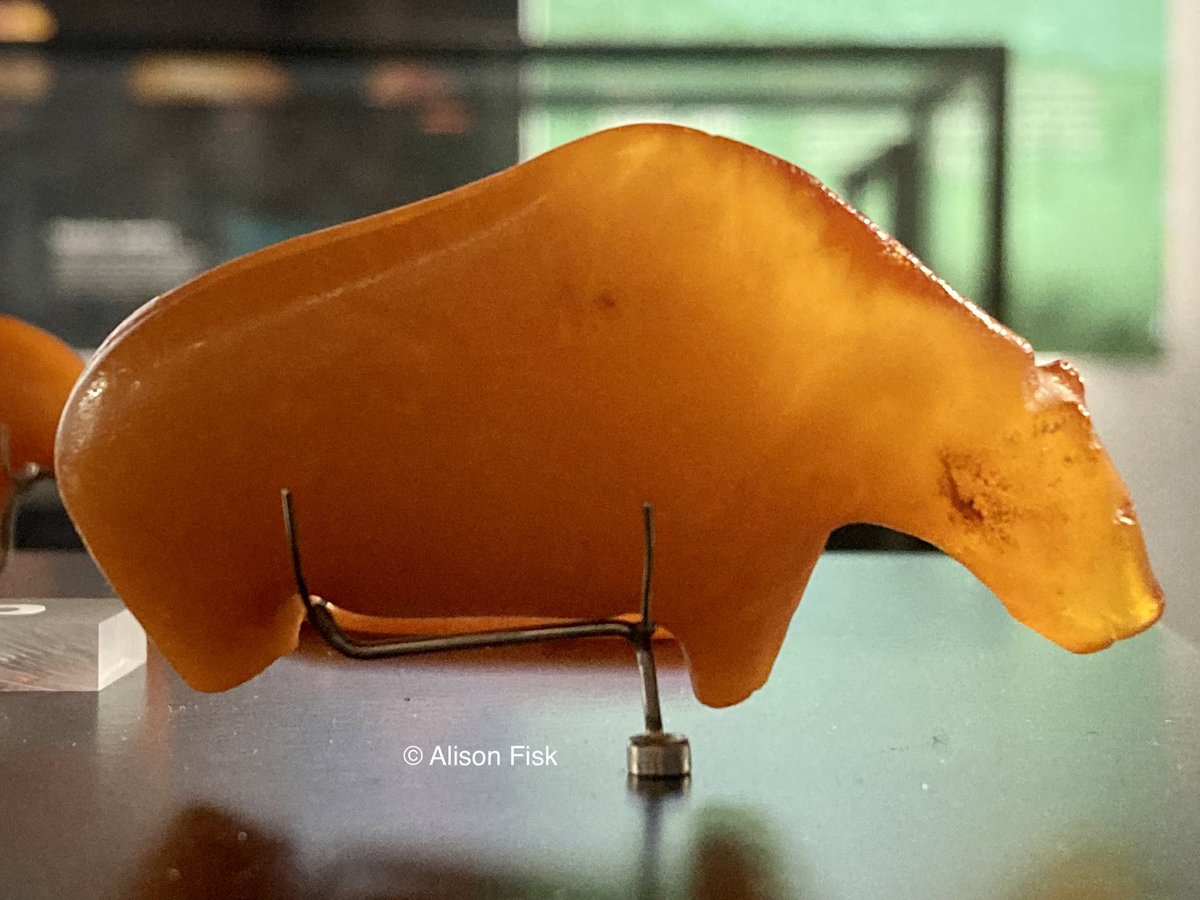
An ancient amber bear. Carved about 10,000 years ago, this magical find washed up on a beach at Fanø in Denmark from a submerged Mesolithic settlement under the North Sea. National Museum of Denmark. 📷 my own
#Archaeology
@rob_heinze This kind of connnection is awesome. The fact that people have created these buildings with their work is the reason why I'm in favor of preserving old buildings if it is possible.
@rob_heinze The perfect and magnificent structures of medieval churches are often idealised, many appearances are shaped by changing plans and many churches have some minor or major structural flaws that have increased over time and need to be compensated with additional support.
@rob_heinze After a long time of reading and thinking about the history of archtecture, I agree very much that the forms of architecture are interlinked with the modes of production, but the marxist categories of mode of production were often too broad in publications from the GDR.
"Our research combined organic residue analysis of 458 prehistoric vessels from 10 sites of the 3,500 year-old Nok culture
Results show that Nok people consumed plants such as jute mallow, African eggplant, okra, cowpea and bombax, widely used today"
https://t.co/5B2FXgYQia
If anyone's interested, the Met has free, high-quality pdfs of their out-of-print art bulletins. You can download this one here:
https://t.co/Uctt0l38lJ
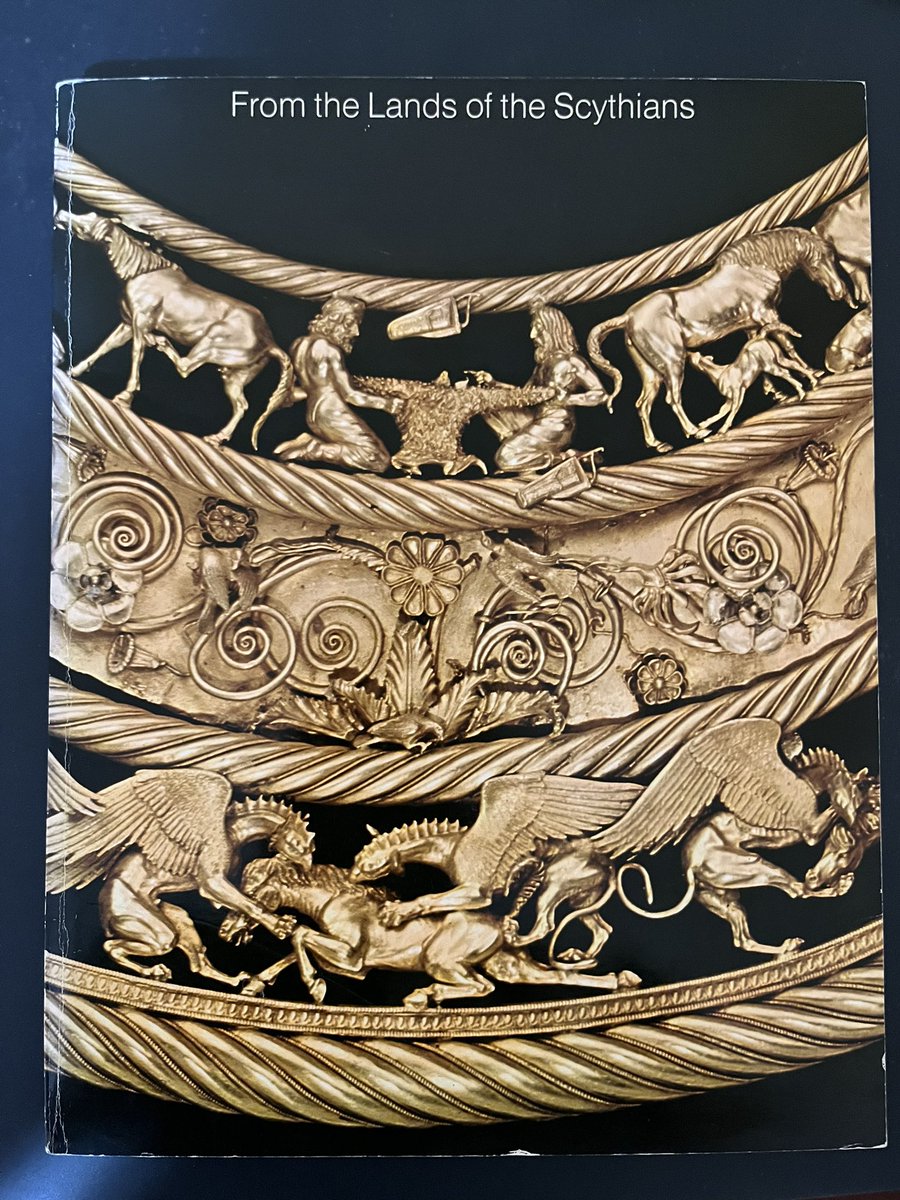
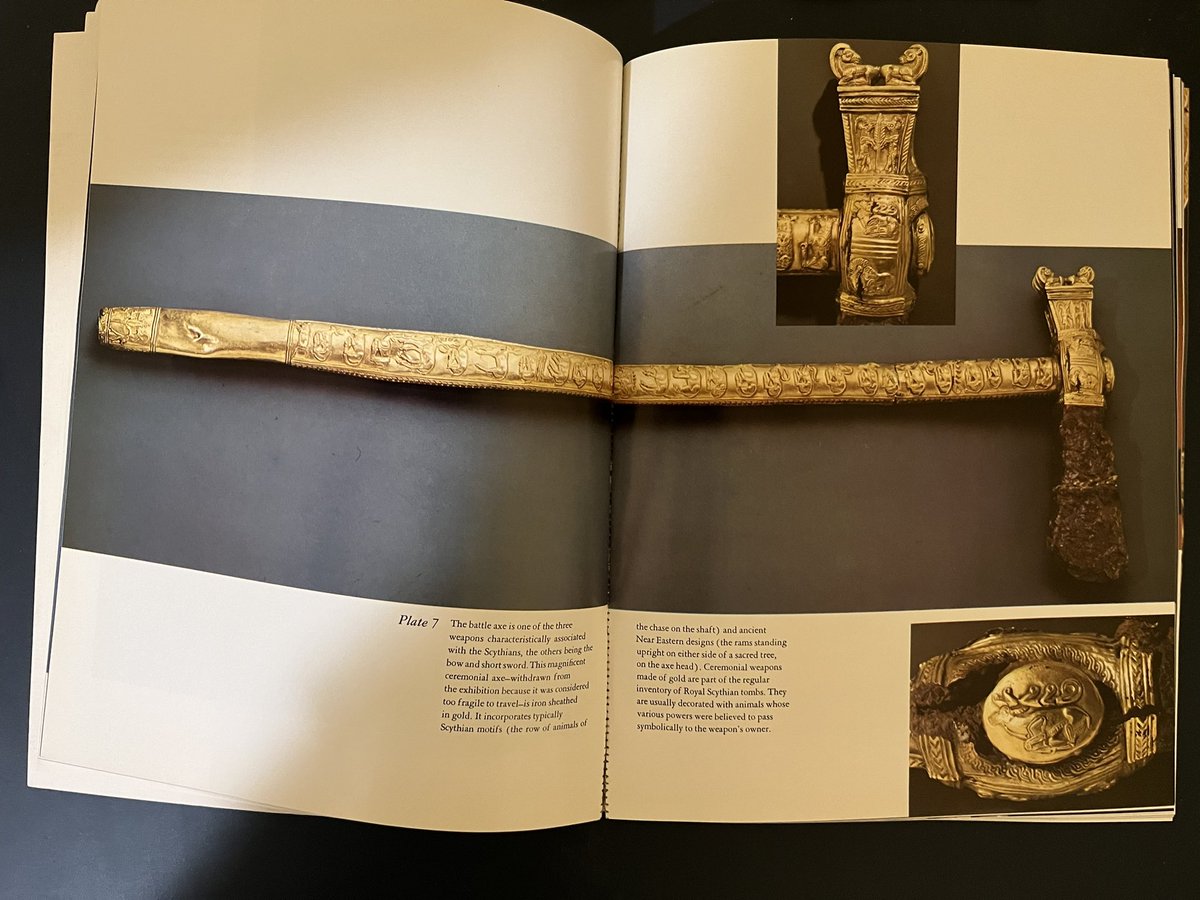
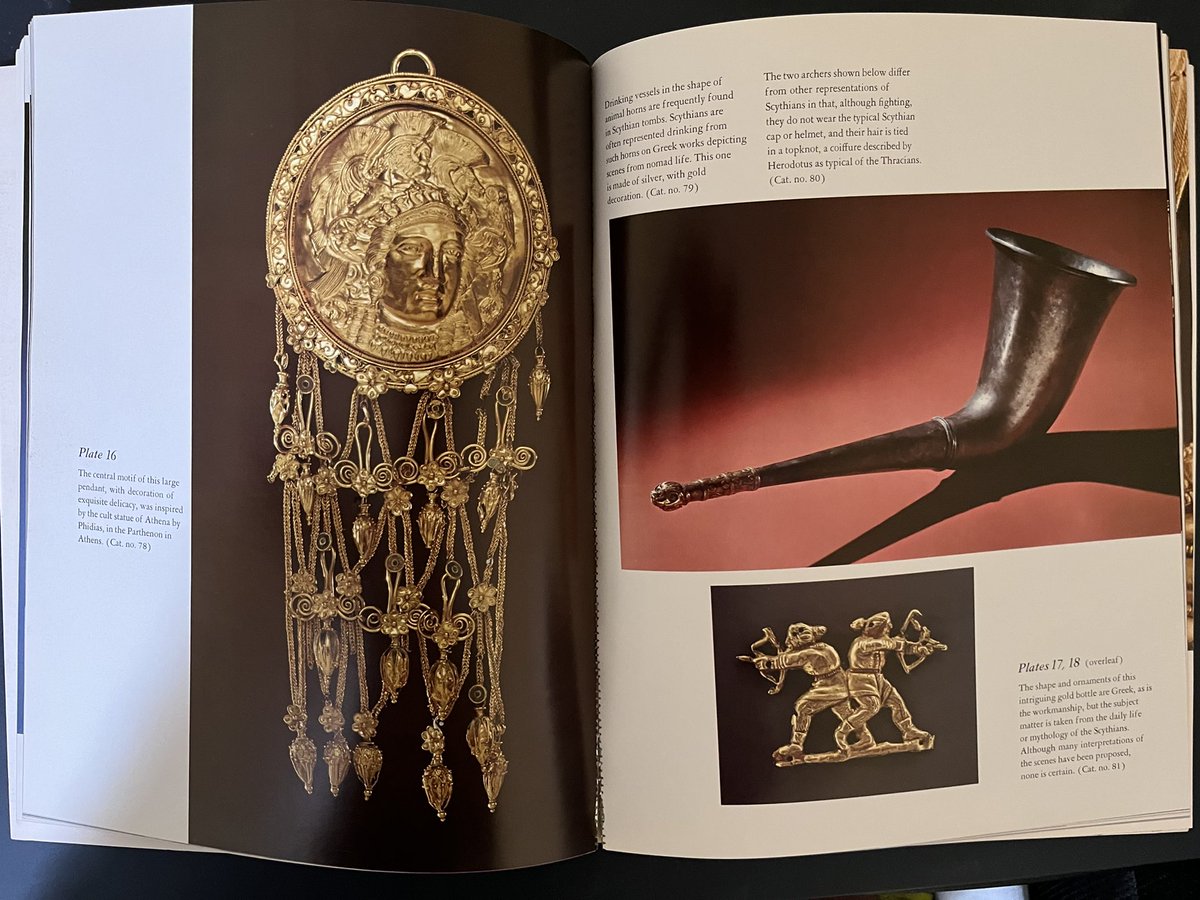
Elite used bookstore find: out of print book on Scythian artifacts that the Soviet Ministry of Culture lent to the Met for a landmark exhibit in 73. Great photos, including of the famous golden sagaris battle axe (one of those irl rpg weapons).
In 1655, a teenage Armenian slave in Istanbul conspired with free Armenians to forge his identity: he claimed he was born an Ottoman subject in Tokat, making his enslavement illegal. But in fact, he was born in Warsaw, captured by Tatars during the wars in the Commonwealth.
Gramsci on the colonies:
"For several years we Europeans have lived at the expense of the death of the coloured peoples: unconscious vampires that we are, we have fed off their innocent blood..."
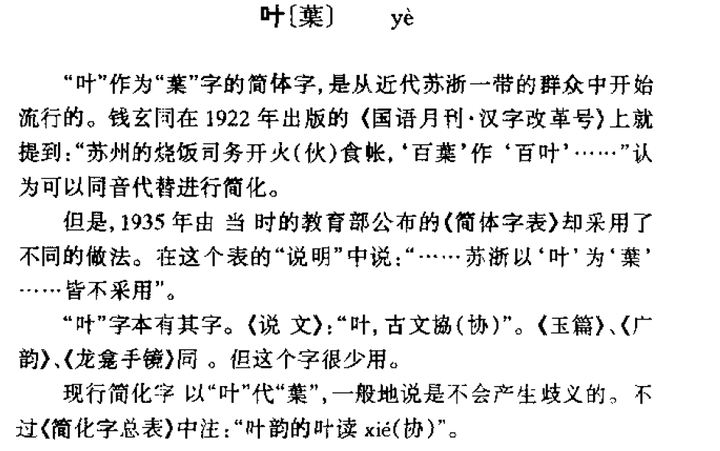
This is fascinating! Why is yè 葉 simplified with a character (叶) that used to be a variant of 協 xié? Because they are homophones in Wu and 叶 used to be a regional folk replacement! In Middle Chinese, 協 was */ɦep̚/ and 葉 was /jiᴇp̚/; in Wu both converged to ɦiq. 1/2
🧵 "How sharper than a serpent's tooth it is to have a thankless child", so said Shakespeare. #medieval#failson
In this 1453 case, a mother sues her "cruell and eville disposid child" who took his own mother hostage in a legal dispute! (1/5)
"The Swahili were the architects of their own civilization,
they were a cosmopolitan society linking Africa to the western Indian ocean through cultural syncretism, trade and matrimonial alliances."
https://t.co/UsUGbVcSk0
@TiniDo In Das hohe Haus schreibt er über weibliche Bundestagsabgeordnete auch ganz anders, als über die männlichen. Vieles ist immer noch treffend, aber der männliche Blick, der sich aber neutral gibt, ist manchmal unangenehm.