🪼 MAY 17 NEW FREE GAMES ON STEAM 🪼
1⃣WithIN
https://t.co/T46z1U9D22
2⃣AFK Journey
https://t.co/u94oYjXpS2
3⃣Tales of Terrarum
https://t.co/PDXSw3ILow
4⃣Ecto
https://t.co/JAy83zLLoM
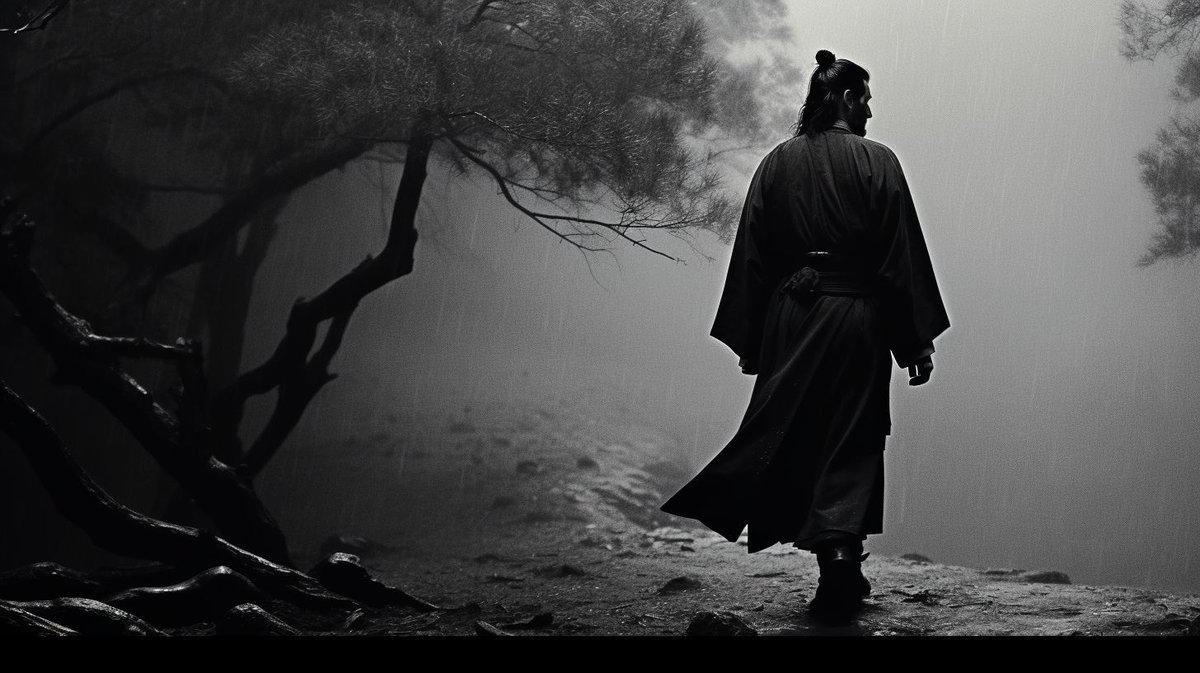
The warrior knows his worth isn't measured in possessions
Humility bridges self to the universe, revealing a role in a larger story
Your true value lies in your part in this grand narrative
Yo this is wild 😭
A group of white men attacked a black security guard after the security asked them to move their pontoon boat so the big Harriot can dock. They refused to & attacked the security guard.
A group of black men seen & went defend him by beating the white men 💯🙌🏾
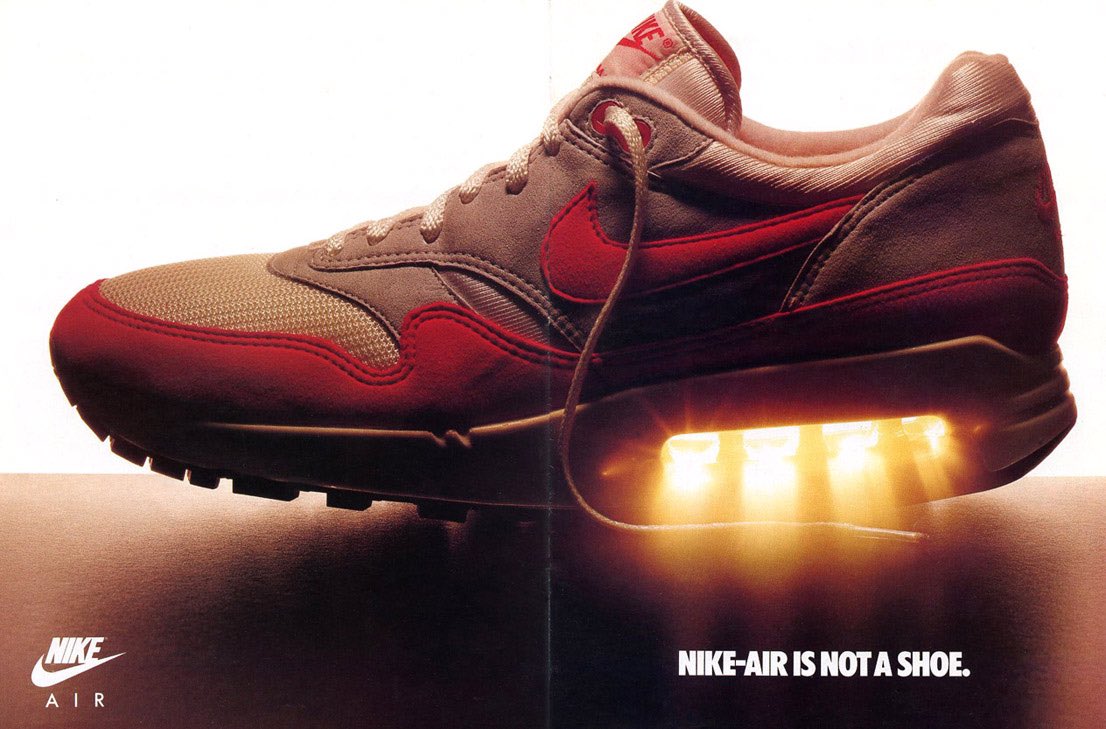
In 1985, Nike held a 24-hour shoe design contest.
Nike was struggling. Their stock dropped 50%. They had to lay off people. Adidas, Converse, & Reebok were all selling more shoes.
So in a panicked attempt to find creative talent, Nike held a shoe design contest.
The winner was
A corporate architect named Tinker Hatfield.
"Two days after the competition," he said, "I wasn't even asked—I was told that I was now a footwear designer for Nike."
As he got to work on his first official shoe design, he thought about a building he had studied in architecture school: The Centre Pompidou in Paris.
The Centre Pompidou is an inside-out building, meaning that the structural, mechanical, and circulation systems are all exposed.
“That building,” Tinker said, “was describing what it was to the people of Paris. And I thought, ‘Well why not do that with a shoe? Let’s cut a hole in the side and show what’s in the shoe.’”
So Tinker designed an inside-out shoe:
The Air Max 1.
The Air Max 1 was a massive success, and it steered Nike's design direction from then on.
"To this day," Tinker says, "Phil Knight says I saved Nike."
Takeaway 1:
Had he not studied that building in Paris, Tinker says, he couldn’t have created the Air Max.
Creativity, he says, is a function of the “library in your head."
“When you sit down to create something...what you create is a culmination of everything you’ve seen and done previous to that point.”
Takeaway 2:
Tinker Hatfield went to architecture school and then he was a corporate architect for 4.5 years. Then, literally overnight, he became one of the best shoe designers in the world.
This makes me think of a counter-intuitive discovery made by psychologist Charles Spearman in 1904.
Before Spearman, the natural assumption was that the more you specialize in one thing, the worse you’ll be at other things.
Instead, Spearman discovered "the positive manifold" phenomenon.
He found that different abilities tend to be positively correlated. That the expertise gained through specialization is transferrable. That the cognitive and creative abilities cultivated as an architect could positively correlate with being a shoe designer.
- - -
"Creativity is a function of the previous work you put in." — Robert Greene
Follow @bpoppenheimer for more content like this!
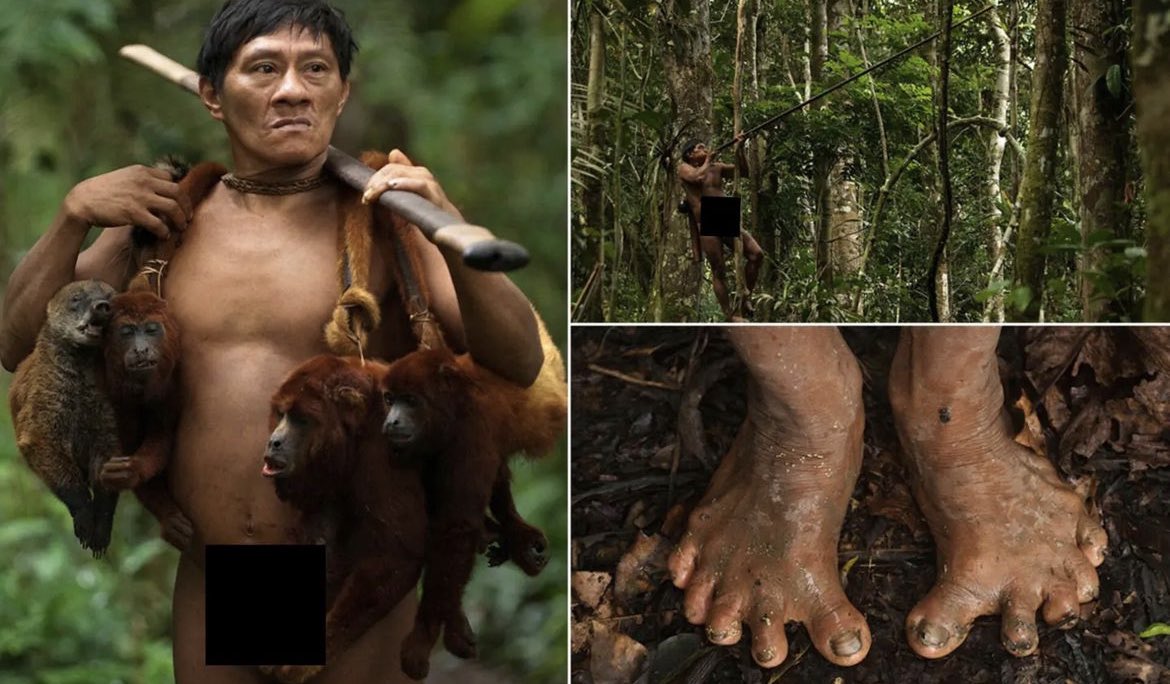
The Huaorani tribe, also known as Waorani or Waos, is an indigenous group residing in Eastern Ecuador within the Amazon rainforest. This isolated tribe, consisting of approximately 4,000 members, has a unique cultural and linguistic heritage. Their language is distinct and unrelated to any other known tongue, including Quechua, which is commonly spoken in Ecuador.
Due to their longstanding practice of tree climbing, a crucial skill for their way of life, the Huaorani people have experienced physical adaptations in their feet. The tribe primarily relies on hunting monkeys and other small game using spears and blow guns as a major food source. The combination of a limited gene pool, constant exposure to the challenging environment, and the necessity of climbing trees has resulted in the flattening of their feet. Some individuals within the tribe even exhibit the presence of six toes on each foot and six functional fingers on each hand. Interestingly, the structure of their feet undergoes changes over time, starting with straight toes at birth.
It is worth noting that the Huaorani tribe is not the sole example of human adaptation to specific environments. Certain tribes in Malaysia, for instance, have developed the ability to stay submerged underwater for extended periods to fish for pearls. Their lungs have evolved to process oxygen more efficiently in order to support this activity.
Moreover, the emergence of white skin in early humans who migrated to northern Europe can be attributed to the reduced sunlight in that region. White skin has a greater capacity to absorb vitamin D compared to dark skin, thus facilitating its production despite the limited sunlight.
In general, human feet may gradually become flatter over time when exposed to comparable environments, as the toes tend to spread out to provide enhanced grip and balance.
It’s the movie they really don’t want you to see: #WhatIsAWoman?
Watch the explosive documentary starring @MattWalshBlog FREE on Twitter for 24 hrs. https://t.co/qDi7thCNid