New paper in Imaging Neuroscience by Clayton C. McIntyre, Paul J. Laurienti, et al:
The individuality of single-frame functional brain connectivity
https://t.co/cTvScZjt3E
New paper in Imaging Neuroscience by Niek Stevenson, Steven Miletić, and Birte U. Forstmann:
Building bridges between brain and behavior: An open-source toolbox for joint modeling with fMRI
https://t.co/j8CkAyAik4
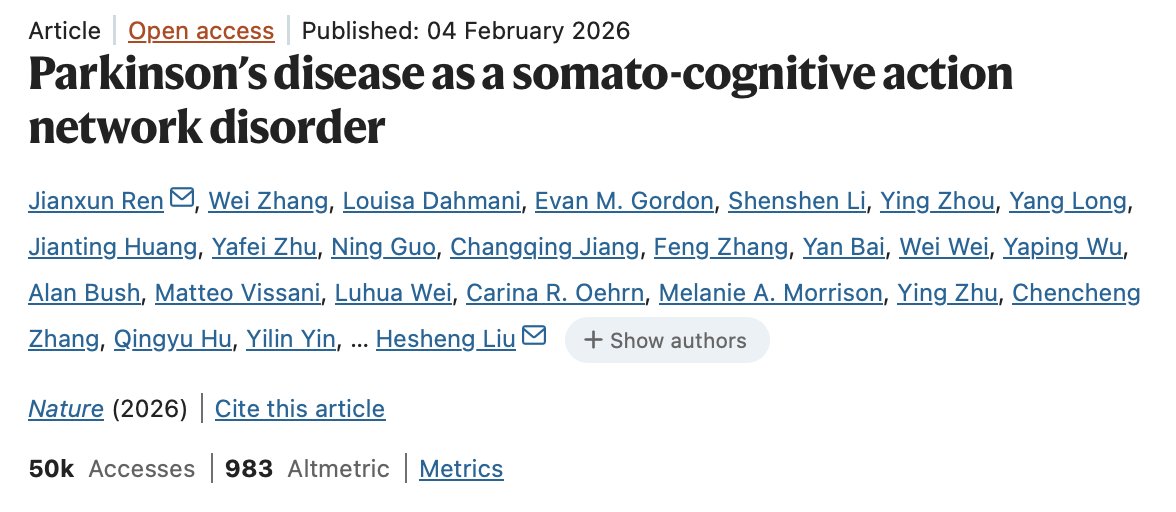
New Nature paper doubled the effectiveness of non-invasive Parkinson's treatment.
How? Everyone was stimulating the wrong part of the brain. 863 patients across 11 datasets. Here's what they found 🧵
It’s time to rethink Parkinson’s disease. Our work reframes PD as a disorder of the somato-cognitive action network (SCAN), and shows that normalization of SCAN connectivity represents a shared mechanism across diverse effective therapies.
https://t.co/OuqOQcOcYq
@ndosenbach@DavidRen555@iamzhangvv@bttyeo@foxmdphd
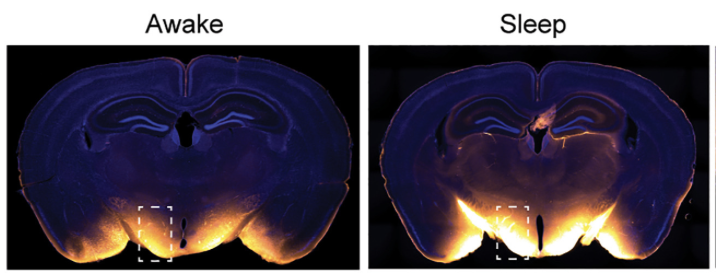
New Cell paper from the team that discovered glymphatic clearance (how your brain removes waste during sleep).
Sleep hours DIDN'T predict brain cleaning. Neither did REM or deep sleep.
They found what actually matters - and why some sleeping pills might undermine it 🧵
you put cells in a dish and energize then, they naturally connect.
Either physically by growing protrusions. Or through secreted signals—cytokines, metabolites.
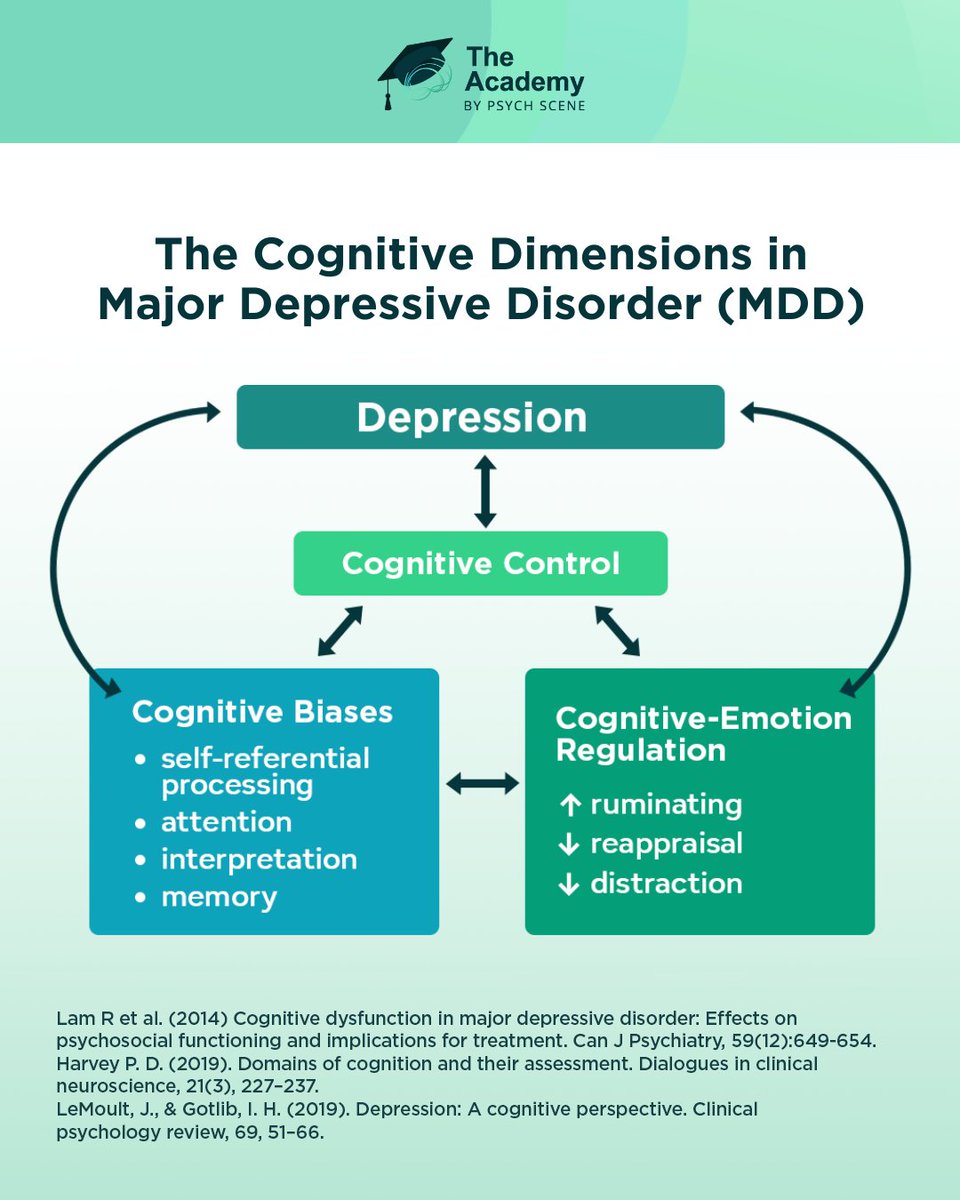
Depression isn’t just “low mood”…
Converging cognitive and affective science shows consistent biases in information processing that shape how patients think, feel, and interpret the world.
Here are the core cognitive–affective biases in depression — and what clinicians need to know about each👇🧵
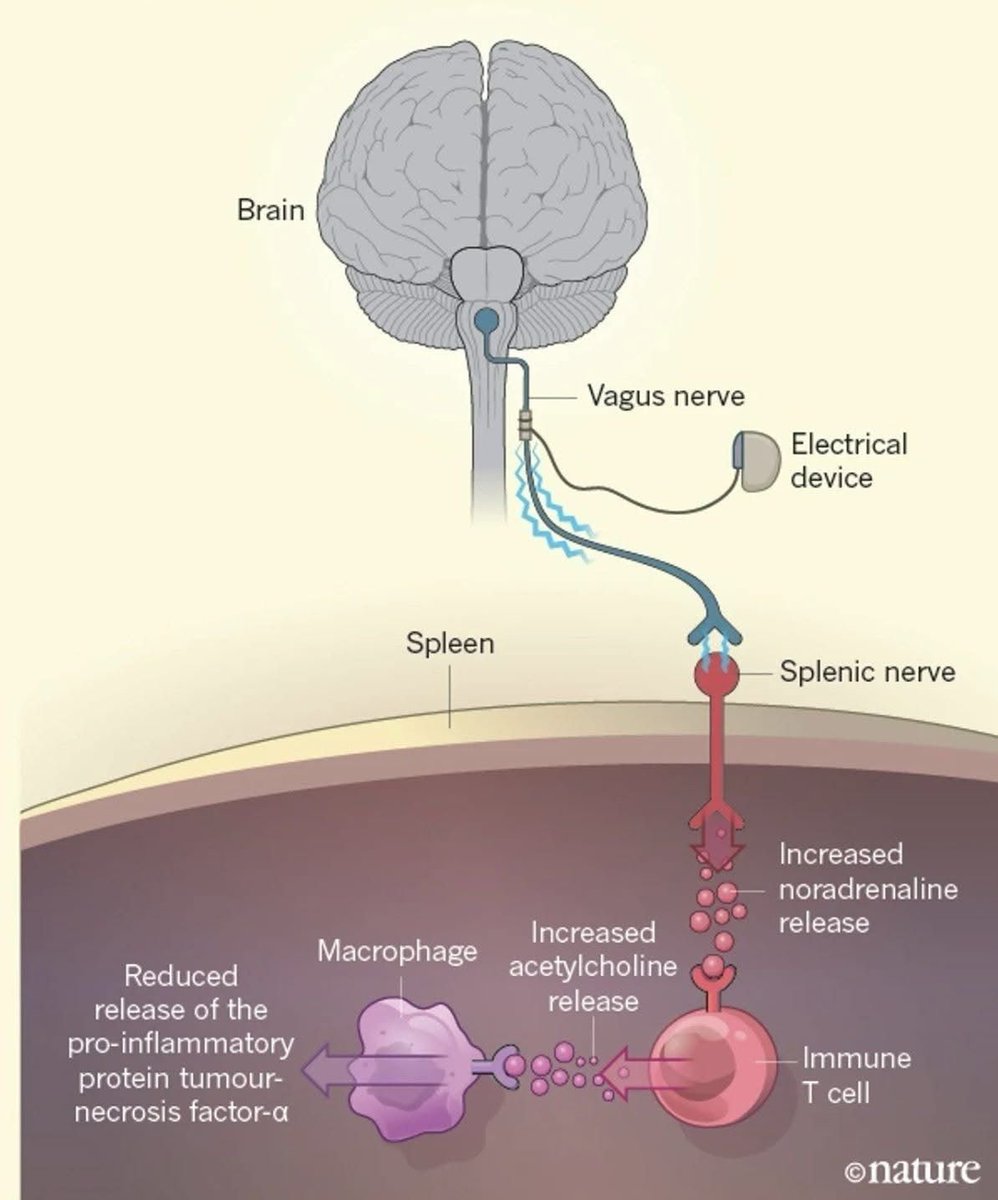
How the brain talks to the immune system
This diagram shows the inflammatory reflex - a neural circuit where the brain regulates inflammation through the vagus nerve. It’s how psychological stress, inflammation, and immune activity stay linked.
1️⃣ The signal starts in the brain
The vagus nerve carries electrical impulses from the brainstem to the spleen, the body’s blood-filtering and immune-coordinating organ.
🟢 Example: Deep breathing and meditation can activate the vagus nerve, lowering heart rate and reducing circulating inflammatory markers like CRP and IL-6.
2️⃣ The spleen acts as a relay
When the vagus nerve is stimulated, it triggers the splenic nerve to release noradrenaline, which activates immune T cells to release acetylcholine.
🟢 Example: In animal models, vagus nerve stimulation increased noradrenaline in the spleen within minutes, showing how fast the nervous system can modulate immunity.
3️⃣ Acetylcholine calms inflammation
This neurotransmitter binds to receptors on macrophages, reducing the release of tumor necrosis factor-α (TNF-α), an inflammatory cytokine involved in chronic disease.
🟢 Example: Clinical studies using implanted vagus nerve stimulators in rheumatoid arthritis patients lowered TNF-α levels and improved joint pain without immunosuppressive drugs.
The inflammatory reflex shows that inflammation isn’t just chemical, it’s electrical. The brain can literally tell the immune system when to stand down.
Five year outcomes for Vercise deep brain stimulation (DBS) in Parkinson's disease are in, and they look very good. The system was designed to offer people living w/ Parkinson’s a precise form of brain stimulation, fewer side effects, longer-lasting batteries and greater flexibility for long-term care. Specific features of the system included independent control of each contact on the DBS lead, rechargeable batteries lasting possibly up to 15 years, directional leads to steer current and MRI compatibility for safer lifelong imaging.
Key points:
- Motor function improved by 51 percent at year 1.
- Benefits were sustained at 36 percent at year 5 in the medication-off state.
- Dyskinesia decreased by 75 percent at year 1 and remained 70 percent better at year 5.
- Medication doses were reduced by 28 percent and stayed generally reduced at 5 years.
My take: It is important for us to put any device to a 'longer-term stress test' to be sure that it will remain effective for Parkinson's. This device passed! Here are 5 thoughts that resonated w/ me from the paper, and please do keep in mind I was an author, so I am obviously biased. 1- DBS can deliver long term motor benefit for people living w/ Parkinson’s disease. 2- Improvement is greatest in tremor and rigidity, however gait and balance may decline over time. 3- Many people can lower medication burden after DBS and this may help some w/ side effects. 4- Satisfaction was high across 5 years w/ most reporting they would recommend DBS. Parkinson’s is progressive, however DBS remains a powerful option to sustain function and quality of life. https://t.co/Mx9ZVQR1XS #Parkinson @FixelInstitute@JAMANeuro@JAMA_current@ParkinsonDotOrg@SfNtweets