A noninvasive brain stimulation technique called tTIS can modulate reward learning circuits in the brain and safely relieves symptoms of subclinical #depression in adults, according to new results from a clinical trial in @ScienceTM. https://t.co/7v42uCx4K1
Our work is now published @NatureHumBehav
We hope TUS can be a game-changer for bridging the gap between high-level cognition and its neural basis in healthy humans by enabling causal tests of deep-brain structures such as the hippocampus.
https://t.co/b6by1zjzQn
Preview:
Using Heart-Brain Coupling as a prefrontal grid search procedure for TMS yielded HBC in 90% of subjects, most often a non-BeamF3 site.
Beyond Beam-F3: A Grid-Based Frontal Mapping Approach using Heart-Brain Coupling to Guide Personalized Non-Invasive Brain Stimulation
https://t.co/940p5RPTQ9
Congrats Jessica Jacobs, great work!
Another great meeting @RaynorProject. Great talks by @Brain_Circuits faculty @calvinwhow and John Rolston on electrode localization and identifying brain circuit targets for symptoms of cerebellar dysfunction.
Brain cancers take advantage of neural circuit activity. Re-purposing an anti-seizure med called levetiracetam disrupts an important neuron-cancer interaction in #DMG#DIPG, slowing growth and extending survival in mice and retrospective patient data.
https://t.co/XTXKkDyt90
Congratulations to Dr. G. Rees Cosgrove on being selected by the WSSFN leadership to receive the 2026 Tasker Award. The Ronald Tasker Award is a distinguished achievement honor presented by the World Society for Stereotactic and Functional Neurosurgery (WSSFN) to highly accomplished functional neurosurgeons.
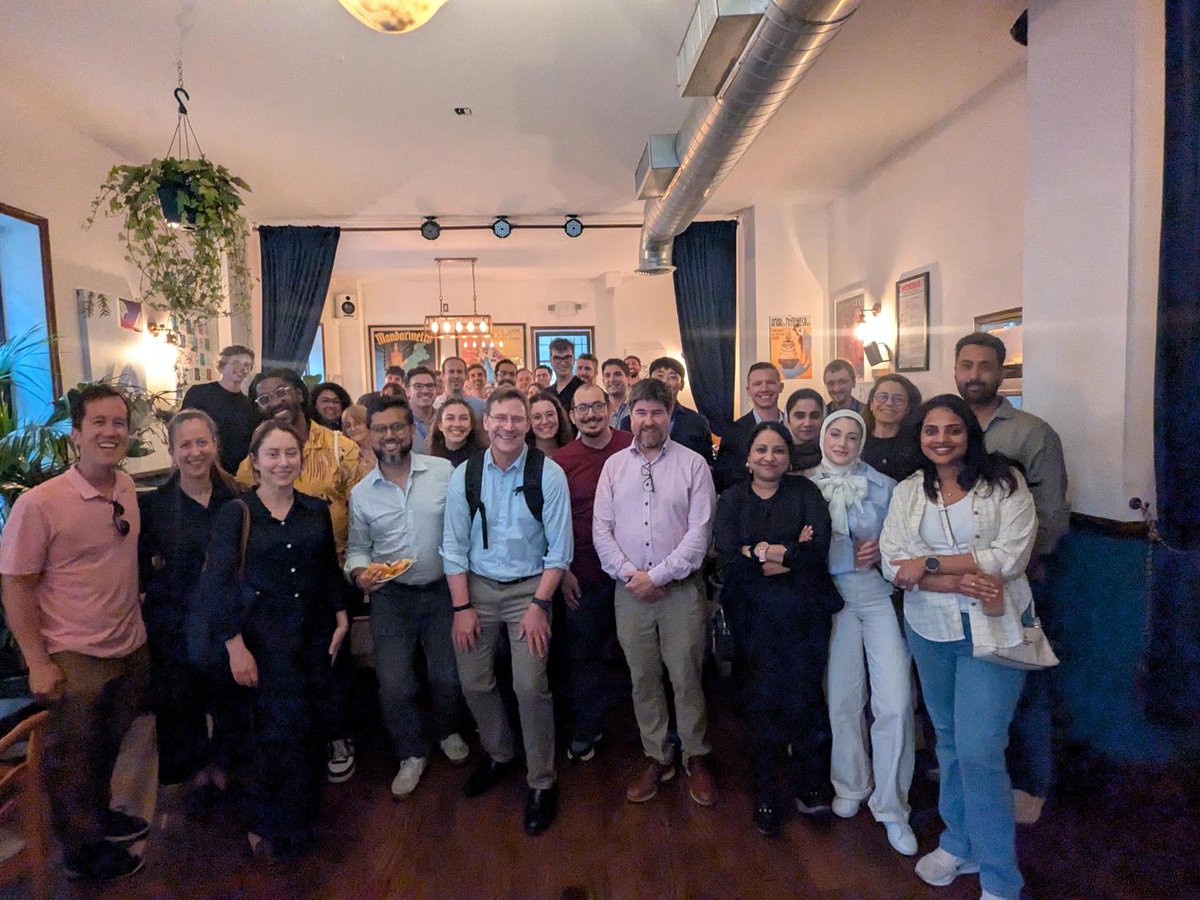
🧠Great to see the BD² community at NYC Neuromodulation 2026—sharing ideas, connecting across the field, and bringing our neuromodulation teams together.
What a fantastic weekend at 2026 #NYC#Neuromodulation#Conference, without a doubt one of the best neuromodulation conferences of the year!
It was a pleasure to attend with a wonderful team from @Brain_Circuits. Huge congratulations to @foxmdphd, @shansiddiqi, @PinesAndrew, @b_hollunder, Samantha Baldi, and @NaN_Value for their outstanding talks and insightful panel discussions.
It was also great to reunite with my former @UofTNeuroSurge researcher colleagues, Ghazaleh Darmani and @HamidRamezanpou, who both delivered excellent presentations. An especially exciting moment was seeing Ghazel receive the prestigious Zabara Foundation #EarlyCareerAward with #focusedultrasound research, an incredibly well-deserved recognition. Congratulations!
A big thank you to the entire @neuromodec organizing committee, especially @MaromBikson, @allisoncwaters, Elisa Kallioniemi, and Renée Hartig, for putting together such an outstanding meeting. I'm already looking forward to next conference!
Massive study published yesterday in @NatureHumBehav for anyone in the neuropsychiatry/mind-brain-behavior spaces
Direct in vivo evidence for how attention can modulate the immune system in ways that seem almost unbelievable
https://t.co/PKuVQXp7rg
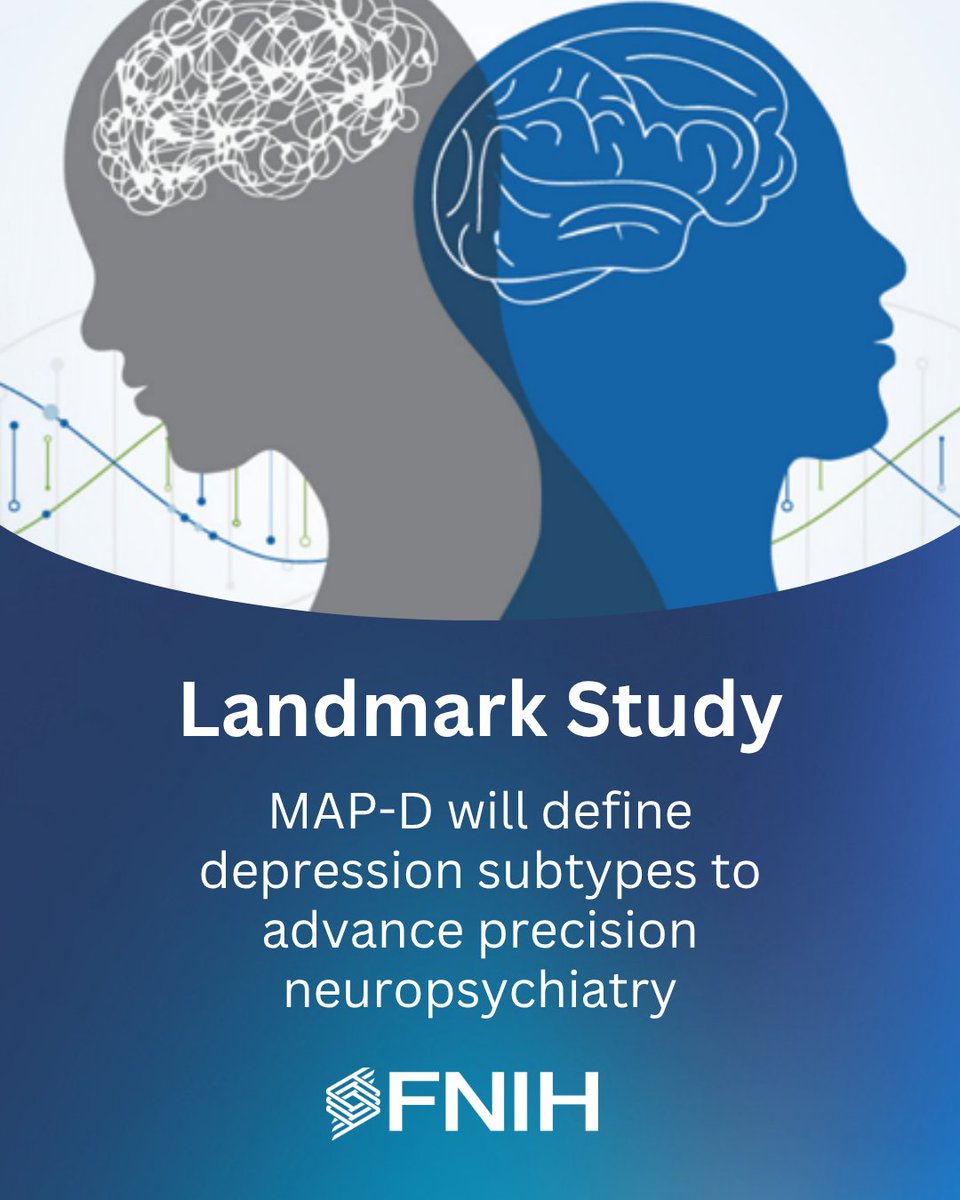
For years, depression has been diagnosed as a single disease based on symptoms – yet the underlying causes can vary from person to person. FNIH is launching the first phase of a long-term study that will collect data across a broad set of measures to identify biomarkers and more clearly define depression subtypes. This will pave the way for more individualized care for the nearly 21 million U.S. adults who experience a major depressive episode each year.
Learn more: https://t.co/uAqIaFmOv5
#PrecisionMedicine #MAP-D #BridgestoBreakthroughs #Depression #BiomarkerScience
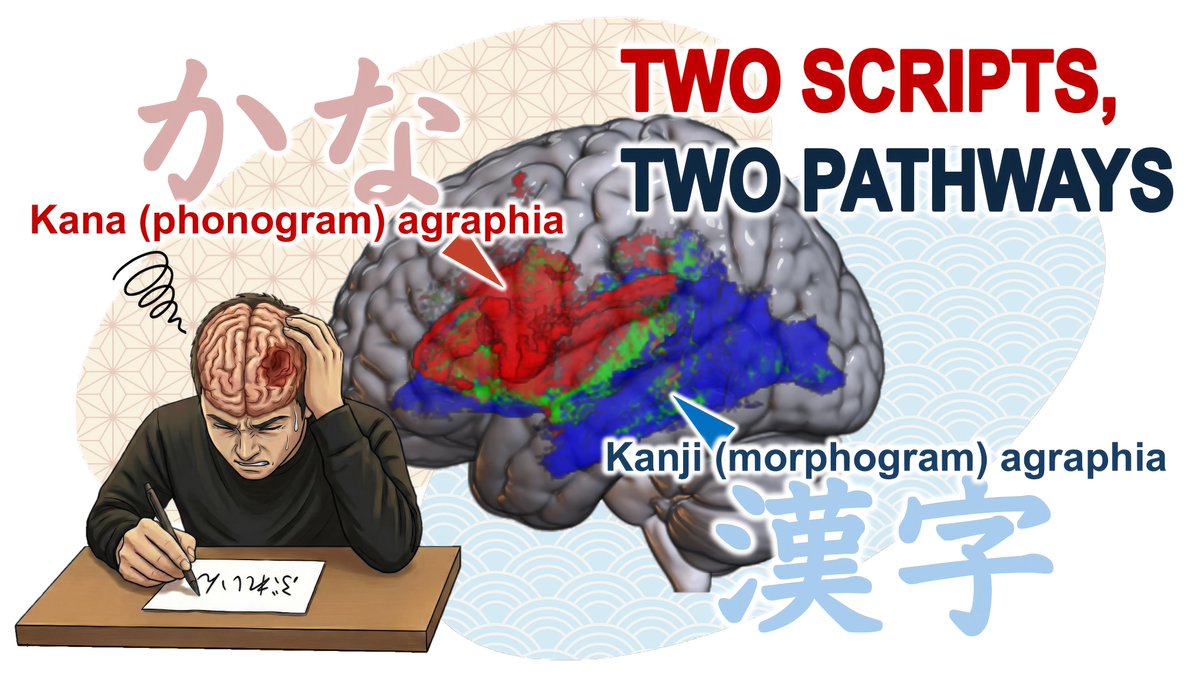
Using disconnectome analyses in stroke patients with aphasia, Ito et al. find that distinct neural pathways underlie writing deficits in kana (phonograms) and kanji (morphograms). https://t.co/ToinPNPsA6
The cancer-Alzheimer's paradox, an inverse correlation, with an unexplained mechanism
"The risk of Alzheimer’s disease in patients with cancer is significantly reduced, and the risk of cancer in patients with Alzheimer’s disease is halved."
https://t.co/JOI0agYsWq
@warmxue@shansiddiqi Possibly, or could be a delayed effect of the more targeted stim or that placebo effects dissipate leading to more separation over time.
Is brain circuit targeted TMS better at treating depression than scalp targeted TMS? New paper by Joe Taylor @Brain_Circuits out today in @JAMAPsych says yes!
Connectivity- vs Scalp-Based Targeting of Accelerated TMS for Depression https://t.co/F04CIP1y0q
We all thought this study would fail, for different reasons.
Joe Taylor (1st author) thought it'd be a takedown of fMRI-guided TMS.
@foxmdphd and I (co-senior authors) thought the effect would be too small to detect in just 40 patients.
We were wrong.
https://t.co/MlFghE9hBX
Please RT - We are looking for someone who wants to establish and lead a cutting-edge neuroimaging center at Northwestern, working closely with multiple labs, including my own, in neuroscience research broadly construed.
If you are curious, dm me and Im happy to answer questions
A paper was just published in @NatureMedicine showing again the striking efficacy of pramipexole, the active component in ALTO-207, in a randomized trial of depressed patients with high anhedonia ! Congrats to Daniel Lindqvist, Filip Ventorp et al. A 🧵 https://t.co/9aG0d3J1mj