https://t.co/IPeRIwz0uE
The day has finally come! "The Phantom Machine" is up now!
Working with such a talented team to bring this vision to life was an honour & a privilege. I am so proud to be part of such a unique project and I can't wait to hear what the world thinks!
If you like the dogs I share and they cheer you up daily, I’d love you to watch this one video.
I only do this once a year and never ask any other time.
You can support here and if you can’t sharing this video helps 🙏 https://t.co/Roftrb3ZWW
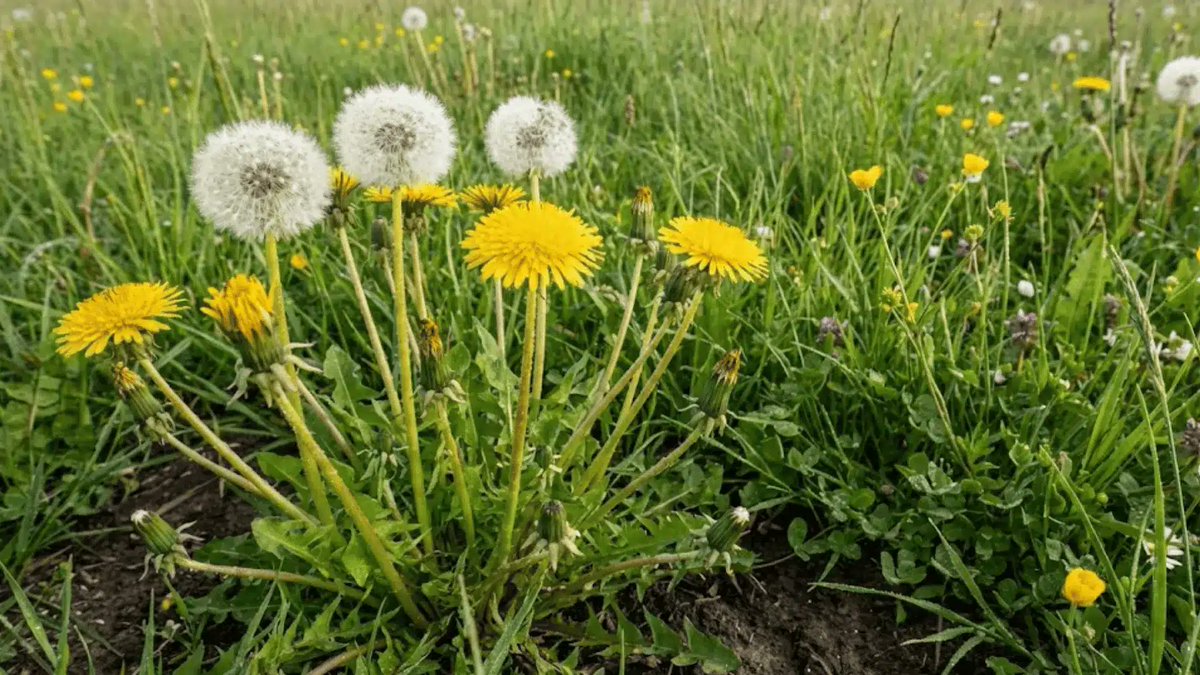
The reason we think dandelions are weeds is because of a 1950s marketing campaign.
Dandelions, native to Europe and Asia, were brought to North America in the 1600s by European colonists who grew them deliberately.
Every part is edible. The leaves are a salad green, the flowers were made into wine, and the roots were roasted as a coffee substitute and used medicinally for liver and kidney conditions for thousands of years. They were a kitchen-garden staple well into the 1800s.
The shift happened after World War II, when 2,4-D (originally developed for chemical warfare research) was approved as a residential herbicide. Companies like Scotts built the modern lawn-care industry around the idea that a perfect green lawn meant zero broadleaf plants.
Dandelions, being bright yellow and resistant to mowing, became a visible enemy, and the campaign worked. By the 1970s, "dandelion-free" was synonymous with "well-kept."
They aren't native, but they aren't doing significant ecological harm either. The herbicides used to kill them, on the other hand, kill bees, contaminate groundwater, and have been linked to non-Hodgkin lymphoma in humans.
If you hate dandelions, it's most likely due to a marketing campaign that ran before you were born.
I don’t want a city on Mars. I don’t want AI in every app. I don’t want data centres in space. I don’t want humanoids or flying cars. I want clean water. I want a stable climate. I want bees to survive. And a habitable planet.
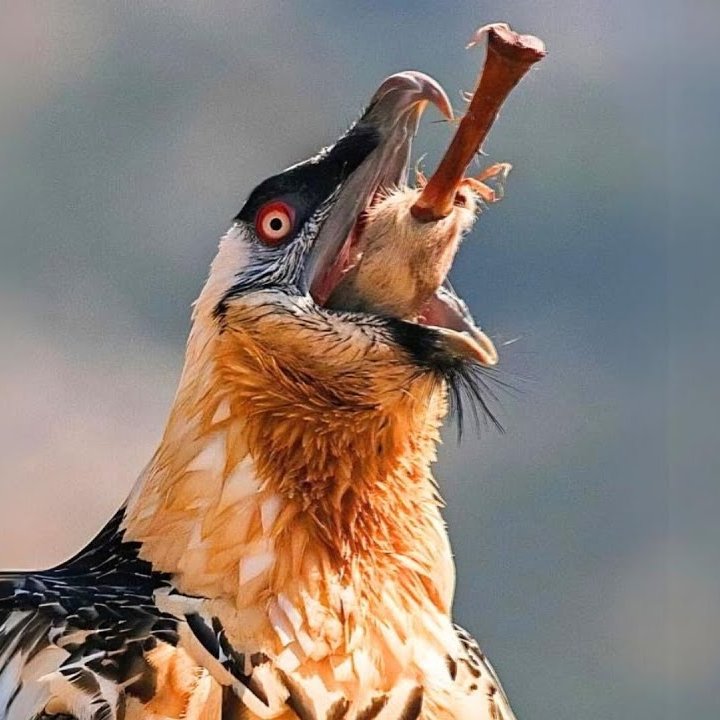
Vultures eat anthrax, botulism, rabies, and cholera for breakfast.
Their stomach acid is among the most corrosive in the animal kingdom, with a pH around 1, low enough to dissolve the bones, hide, and pathogens of dead animals that would kill almost anything else.
A vulture eating a diseased carcass isn't a vector for disease, it's a terminus. The disease chain ends in the vulture's gut, and that's pretty hardcore.
When vulture populations crashed in India in the 1990s, rotting livestock carcasses sat where vultures used to clean them.
Feral dogs and rats took over the cleanup, both of which actually do spread rabies. Researchers later linked the vulture collapse to roughly 500,000 deaths in India over the following decade.
The same collapse is now underway in sub-Saharan Africa. Six of eleven African vulture species are threatened with extinction, primarily from poisoned poaching baits.
The animals nobody finds cute are doing more public health work than most of the species we actively protect.
we live on a planet where trees warn each other of danger through underground networks. where octopuses dream. where elephants return to the bones of their dead and stand over them in silence. where bees communicate through dance, showing each other where to fly. where flowers bloom...where crows remember human faces -especially those who were cruel to them - and pass that memory on to their young. where ants build entire cities. where cats purr at a frequency that can help heal bones. where forests, after fires, grow flowers first.
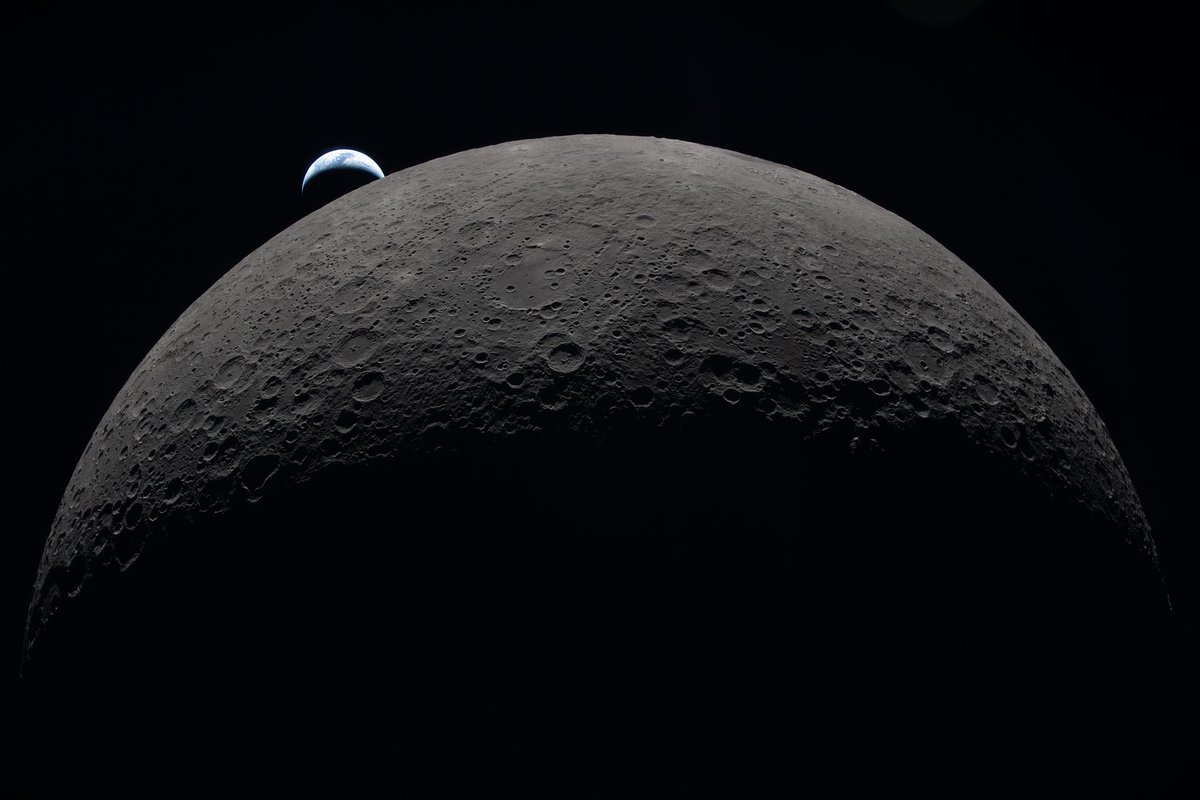
What the Artemis II astronauts did over the last 10 days was a testament to their bravery. And the fact that they traveled farther from Earth than anyone ever has, re-entered our atmosphere at more than 24,000 mph, and splashed down safely was a testament to human ingenuity. Thanks to everyone at @NASA for making this mission possible, and for taking us along for the ride.
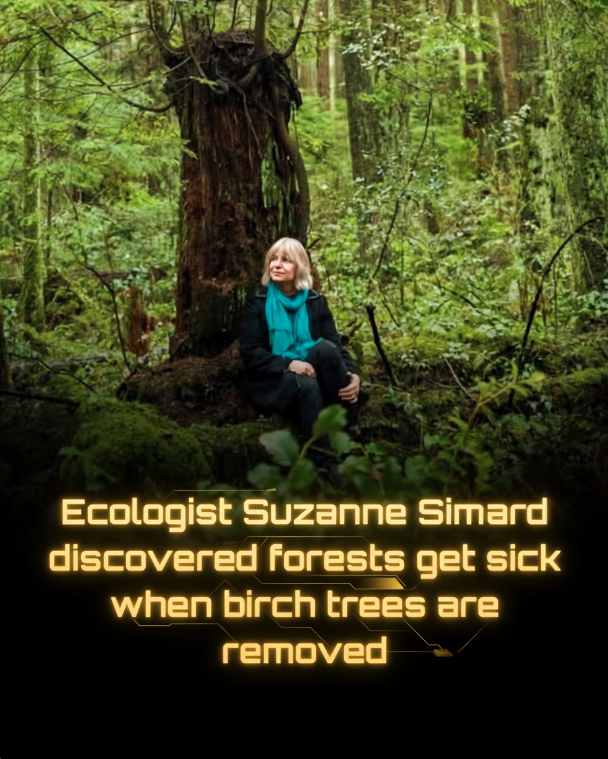
In the 1990s, Canadian ecologist Suzanne Simard made a groundbreaking discovery that challenged everything we thought we knew about how forests work. While studying managed forests in British Columbia, she noticed something puzzling: when birch trees were removed to promote the growth of valuable Douglas firs, the firs did not flourish as expected — they actually struggled and grew more slowly.
Determined to understand why, Simard traced the movement of nutrients using radioactive carbon isotopes. What she found was astonishing. Trees were actively sharing resources through vast underground fungal networks known as mycorrhizae. These delicate, thread-like fungi connect the roots of different trees across the forest floor, forming a complex web that allows the exchange of carbon, water, nutrients, and even chemical signals — sometimes between entirely different species.
She discovered that older, larger trees often serve as central "hubs" or "mother trees," supporting younger saplings by redistributing vital resources and helping the entire ecosystem remain resilient. When these key trees are removed, the underground network weakens, and the health of the remaining forest declines.
Simard’s research overturned the traditional Darwinian view of forests as battlegrounds of ruthless competition. Instead, she revealed a far more sophisticated reality: forests operate as highly cooperative systems where trees communicate, support one another, and even warn neighboring trees about threats like drought, disease, or insect attacks.
What appears to the human eye as a silent, still forest is, in truth, a vibrant, interconnected living network — built not on isolation and rivalry, but on deep connection and mutual aid.
I don't think people understand the gravity of the situation as the UN is preparing for possible nuclear weapon use in Iran.
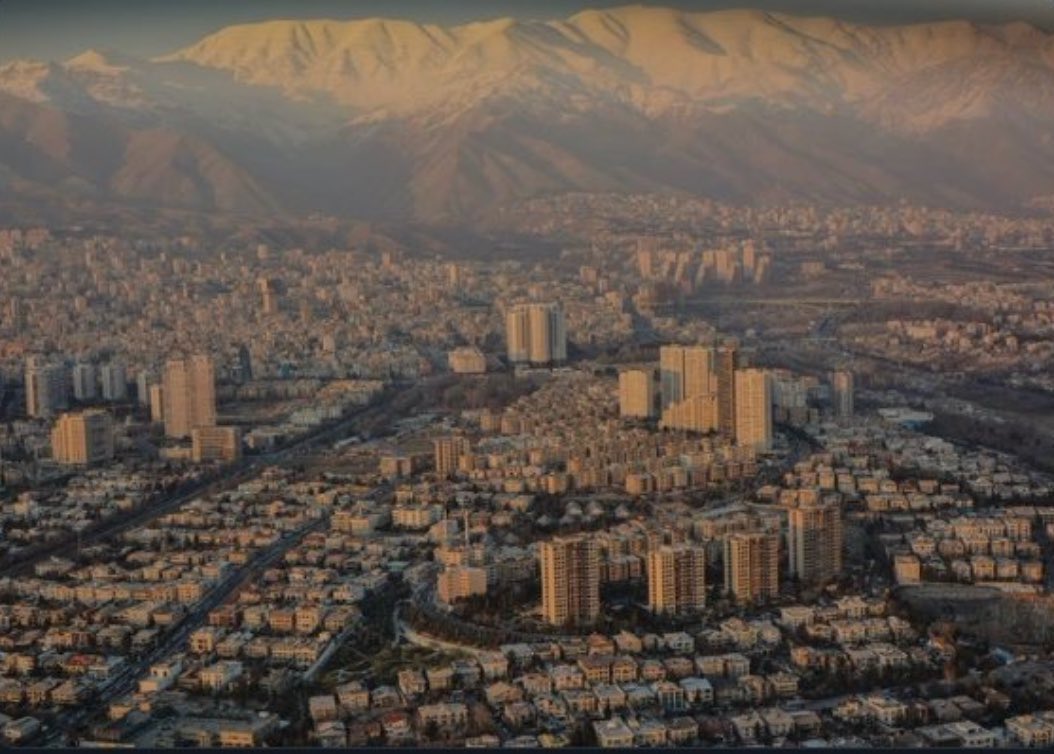
This is a picture of Tehran. For you uneducated, untraveled, never-served, warhawks licking your chops at the thought of bombing it. It's not some low population desert. There are families, children, family pets. Regular working class people with dreams. You're sick to want war.
Tehran is a city of nearly 10,000,000 people. Imagine nuking Washington, Berlin, Paris, London, or beyond, bombed with nuclear weapons.
I gave up my diplomatic career to leak this information. I suspended my duties so as not to be part of or a witness to this crime against humanity, in an attempt to prevent a nuclear winter before it is too late.
Yesterday, nearly ten million people protested “No Kings” in the United States. The possibility of the use of nuclear weapons must be taken very seriously. It's dangerous. Act now. Spread this message worldwide. Take the streets. Protest for our humanity and future. Only the people can stop it. History will remember us.