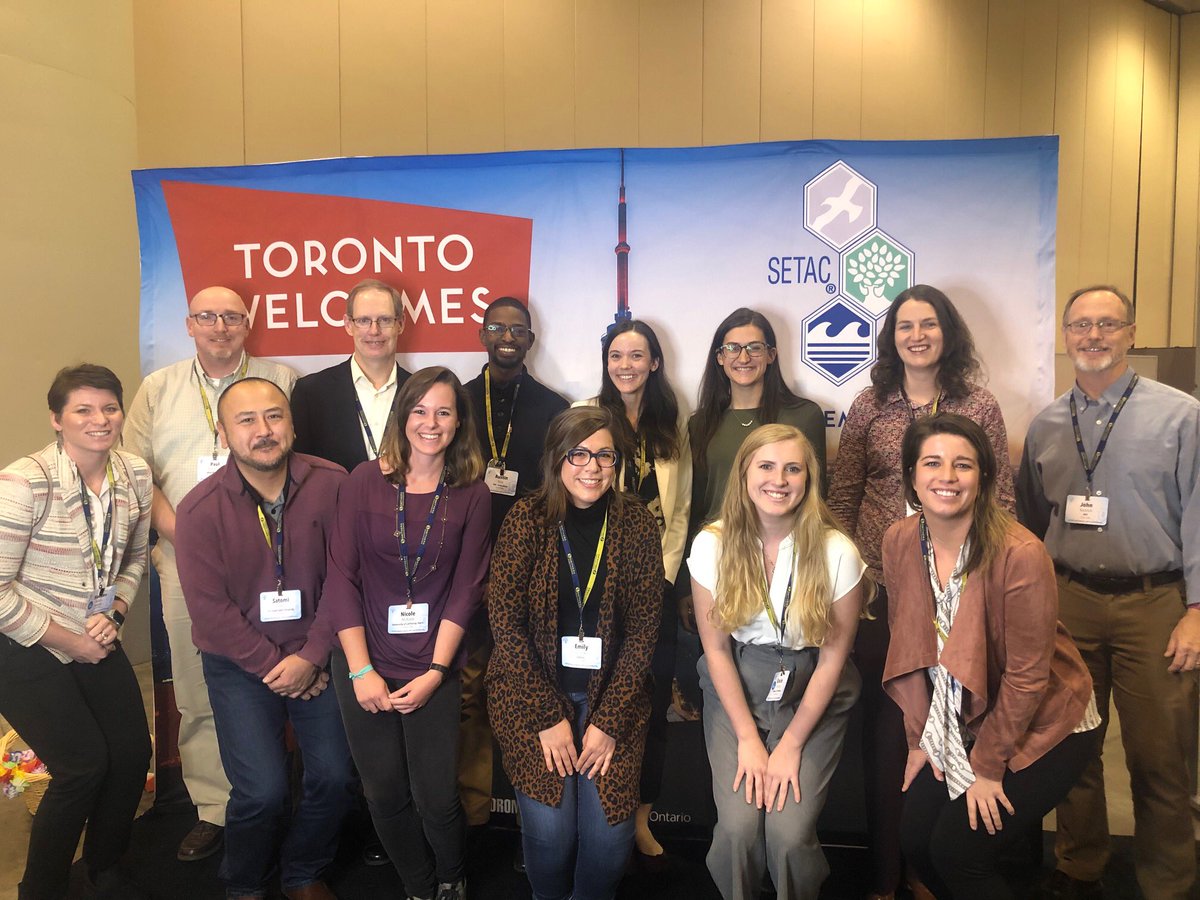
Check out our session and consider submitting an abstract! "Advances in the Photo-Induced Toxicity of Environmental Contaminants" full session description: https://t.co/hblHR8XXbD #SETACLouisville
.@SETAC_world friends! @AJKhursigara and I are chairing a session "Advances in the Photo-Induced Toxicity of Environmental Contaminants" at #SETACLouisville! Join us if you do photo-induced toxicity or photomodified product work! Info: https://t.co/hblHR8XXbD @studentsofSETAC
@SETAC_world friends! @AJKhursigara and I are chairing a session "Advances in the Photo-Induced Toxicity of Environmental Contaminants" at SETAC NA! Consider submitting if you do photo-induced toxicity or photomodified product work! Info: https://t.co/hblHR8Yv1b @studentsofSETAC
From cancer to homelessness, and from environmental pollution to serving patients, students and clients, these Britons continue to benefit their communities and find success by taking action. #CreatingWithCourage
https://t.co/9kKTwn5Ieg
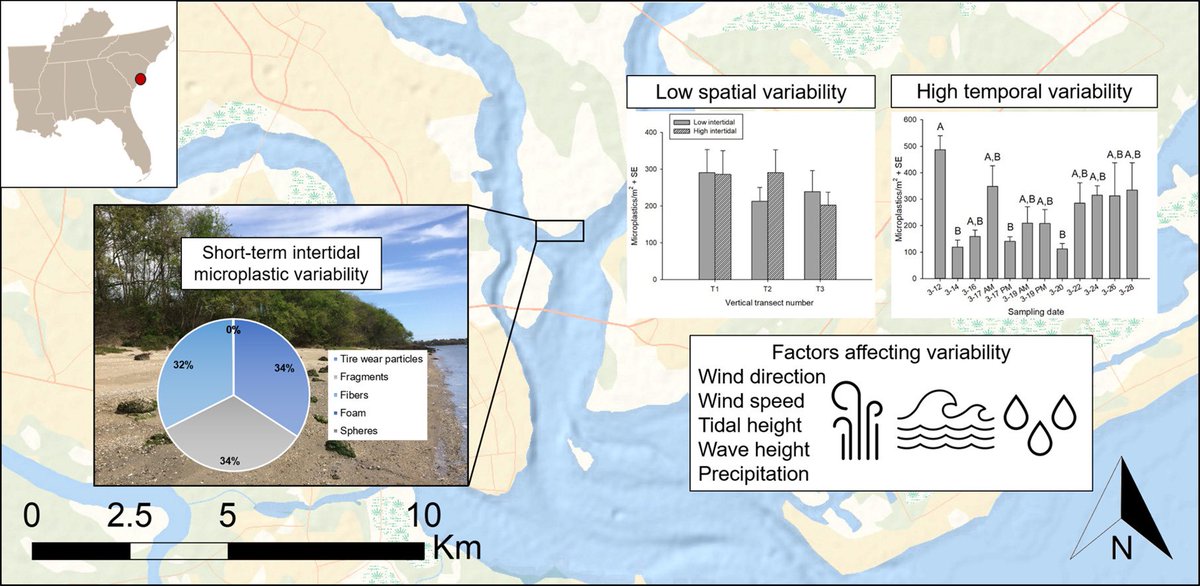
New publication! Work and paper led by @rachleads with co-authors @weinstein_lab and members, @ErtelBonnie, and me titled “ Spatial and temporal variability of microplastic abundance in estuarine intertidal sediments: Implications for sampling frequency” https://t.co/Qv5EruOnmQ
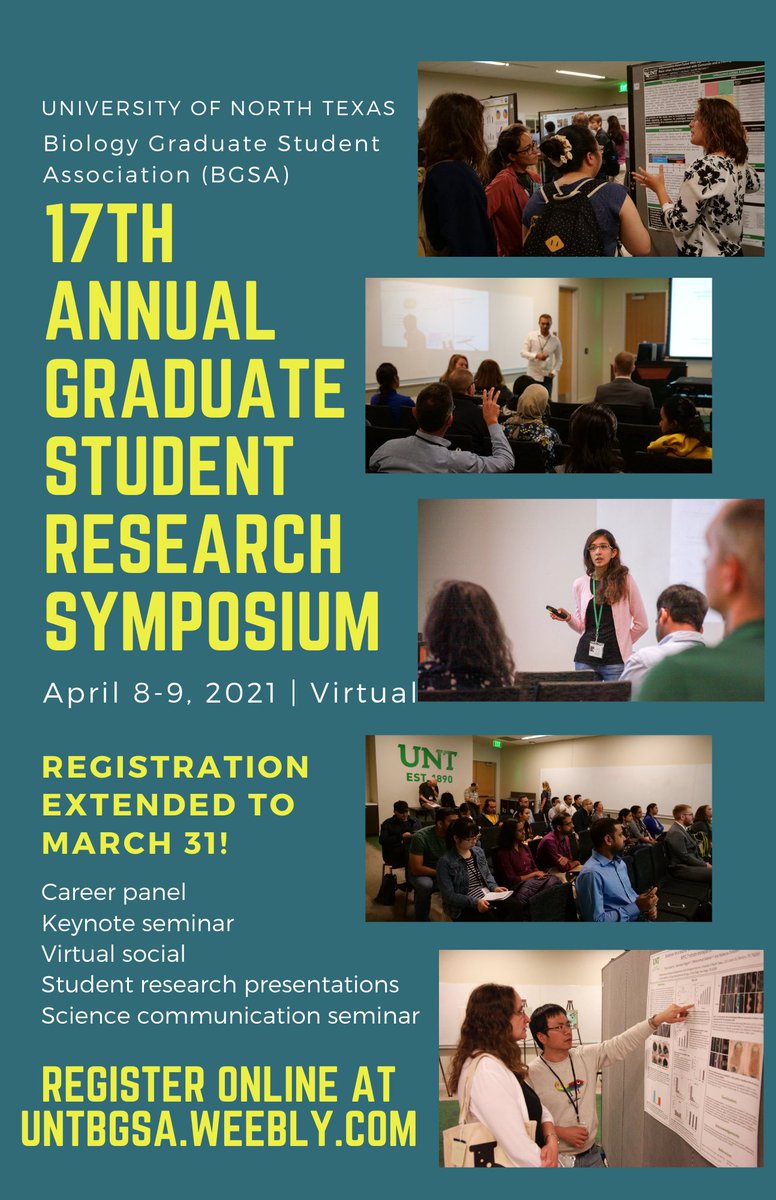
Register for this year's BGSA virtual research symposium by March 31! We've planned student research presentations, career panel, science communication seminar, keynote speaker, and more! More info and registration at https://t.co/A6Fudo56Hv @BDI_UNT@UNTScience@UNTGradSchool
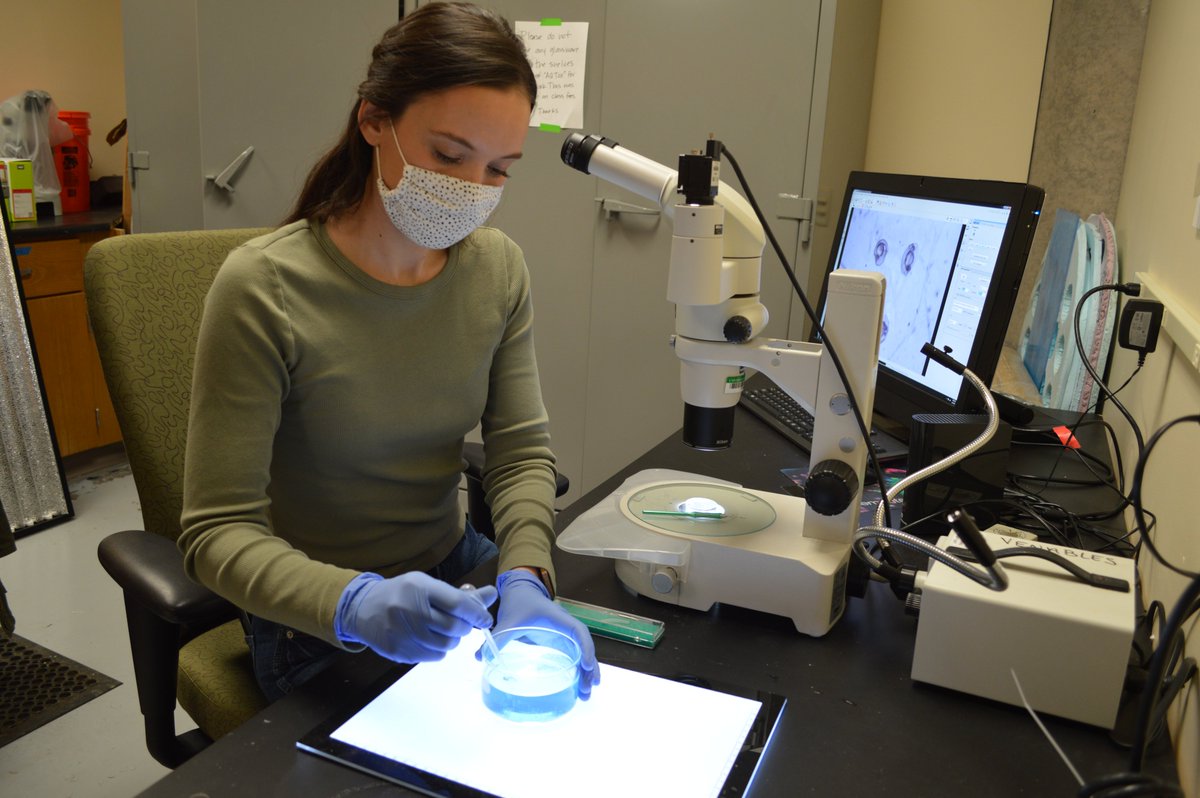
Rachel Leads, the most recent recipient of the Bill Glaze Graduate Fellowship in Environmental Science, is using the support to advance our understanding of aquatic toxicology to significantly improve oil spill response and recovery. Read her story here: https://t.co/mJx5SYrk8B
@BrittanyHarried Yes! I tape over my mask with (clean) label tape to create a tighter seal between my face and the fabric/nose wire. Works a charm for me and makes me look only slightly crazy! #sciencetwitter
It is essential that the public stay up to date on vital information during the coronavirus pandemic. For that reason, Scientific American is providing free access to all of our COVID-19 coverage: https://t.co/gkFnfUkI7x
Would you believe that microplastic particles from tires are making their way into our oceans?
After 5 years of scientific research, environmental toxicologist Dr. John Weinstein found that tire particles are indeed making their way into our waters.
Interview in @NatGeo with my master’s advisor, Dr. John Weinstein, about our #tire wear particle and #microplastic research in #Charleston Harbor. Tire wear is a significant contributor to microplastic pollution globally, but awareness is currently low. https://t.co/7gxhB3nHJN