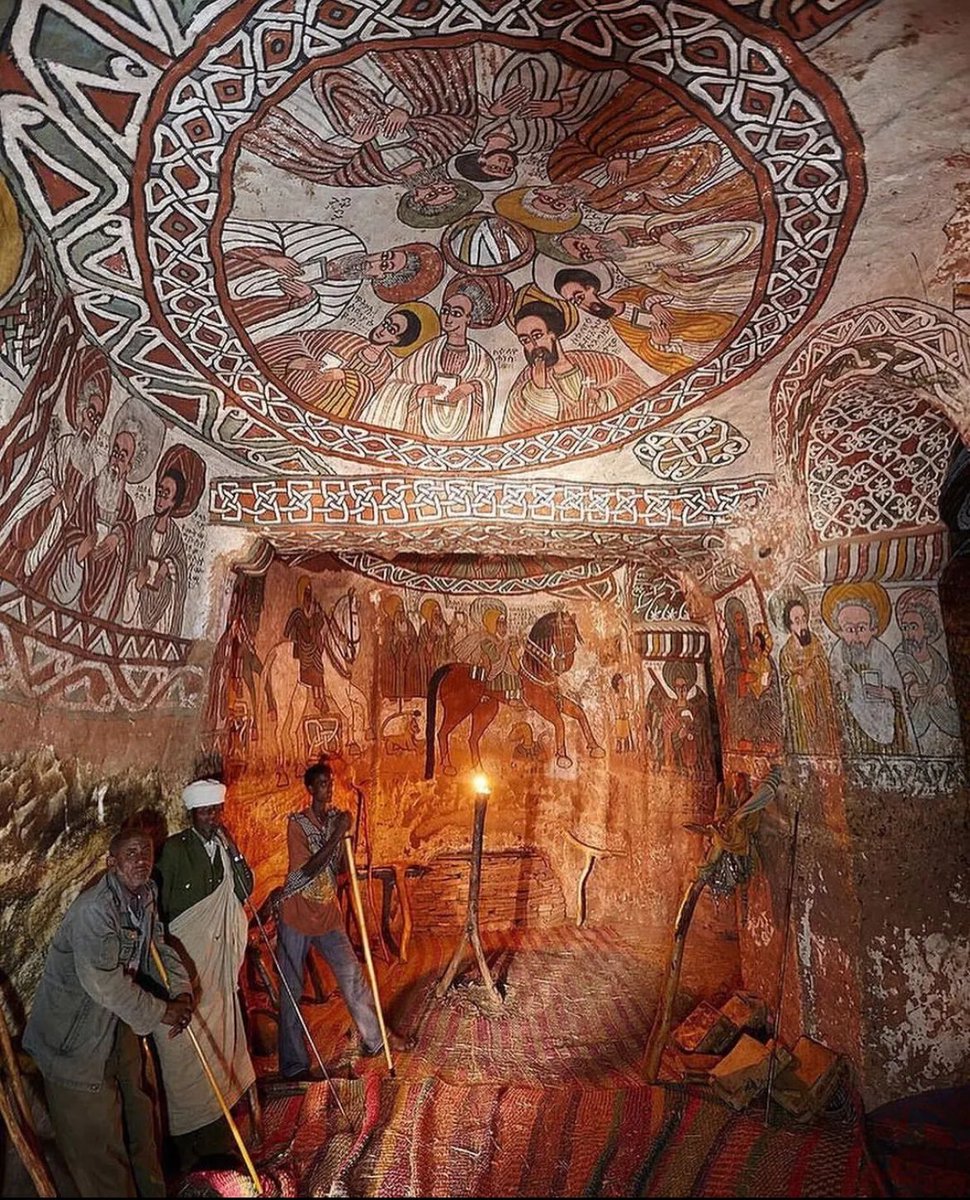
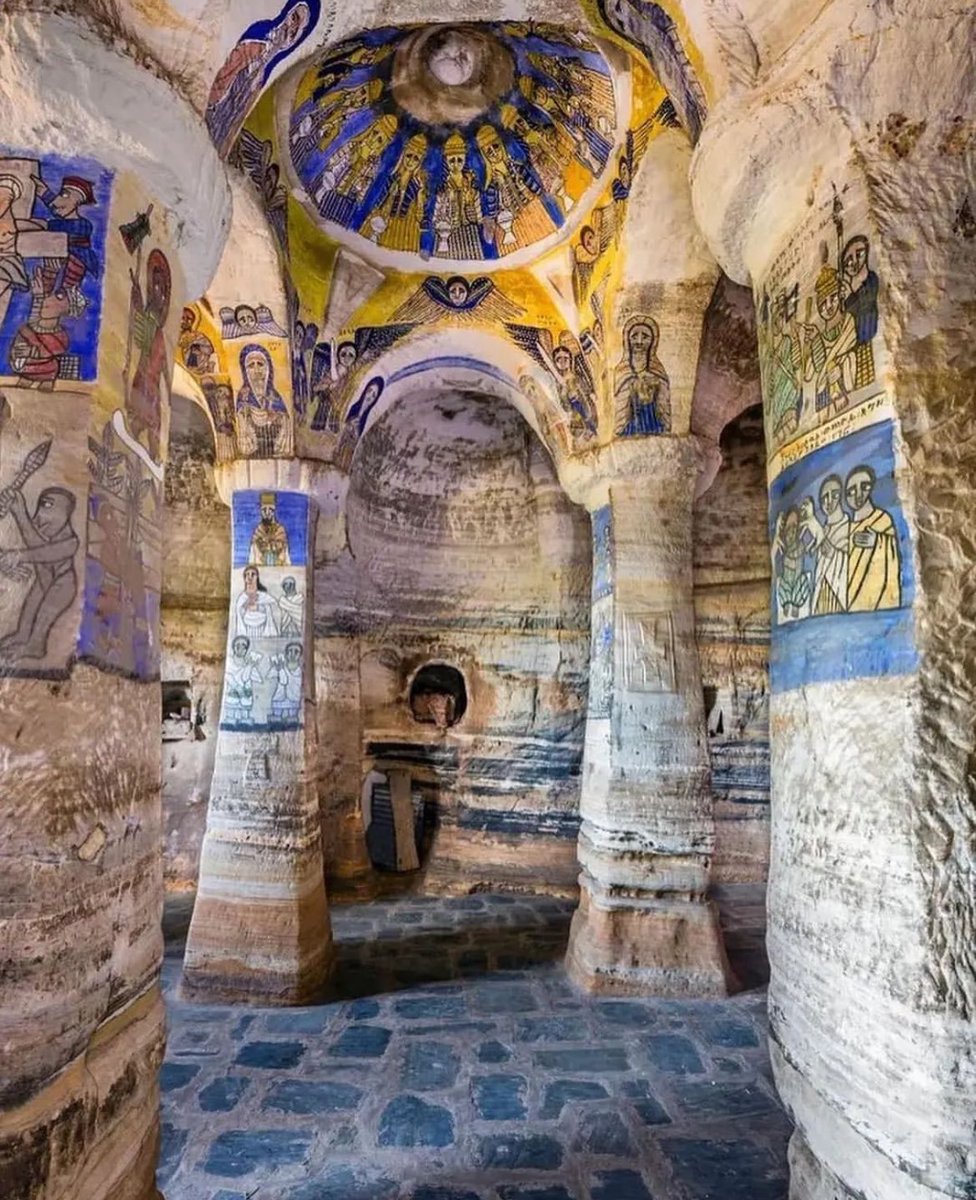
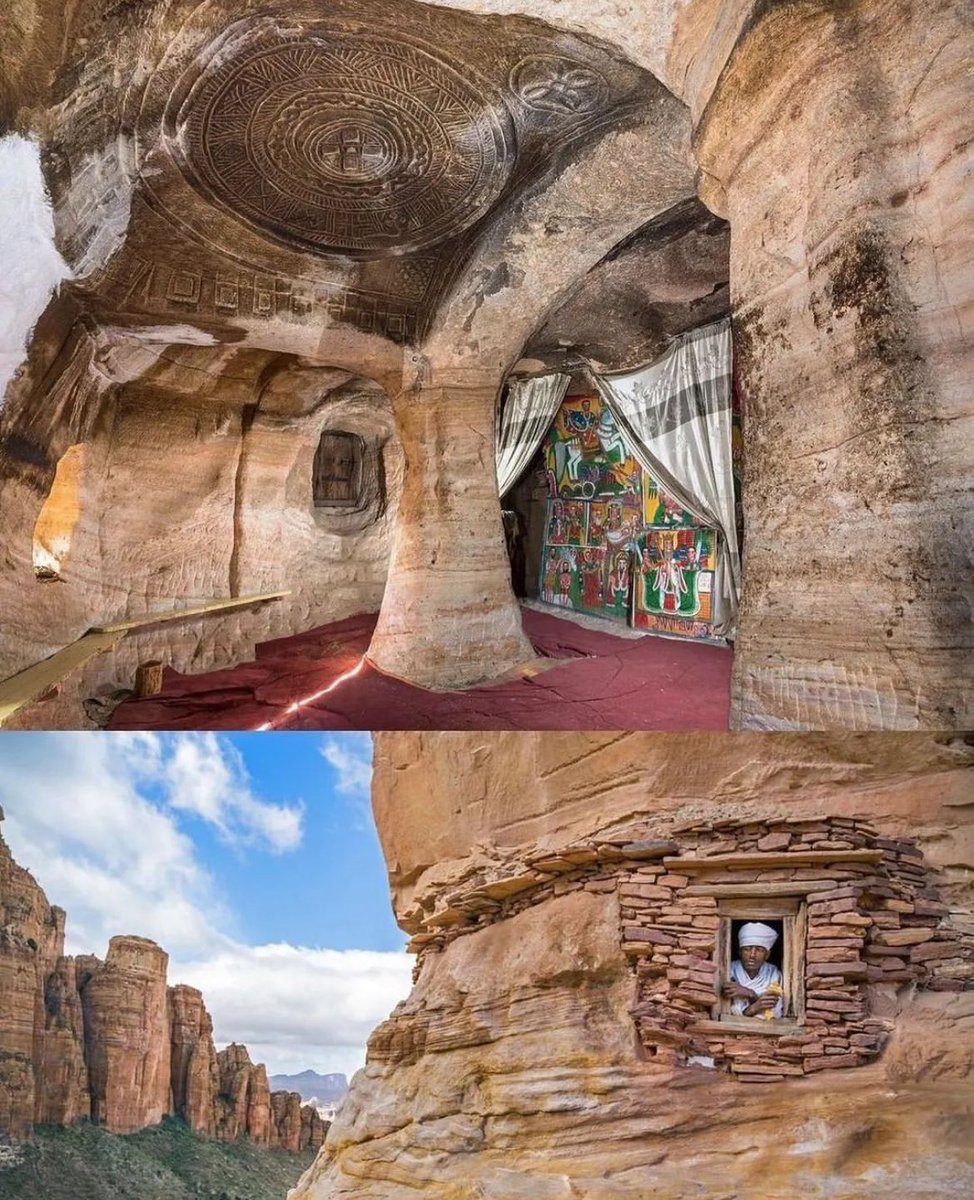
The world's (second) oldest Christian country is not in the Middle East or Europe — it's Ethiopia.
There are centuries-old churches there that most people don't know about.
These were not "built", but carved directly into the rock… (thread) 🧵
“A Interrupção Voluntária da Gravidez não é um direito sozinho”, diz Sebastião Bugalho no podcast ‘Perguntar Não Ofende’. Daniel Oliveira pergunta pela posição do candidato da AD às Europeias sobre a descriminalização do aborto.
Ouça o episódio: https://t.co/nXDe73QE6X
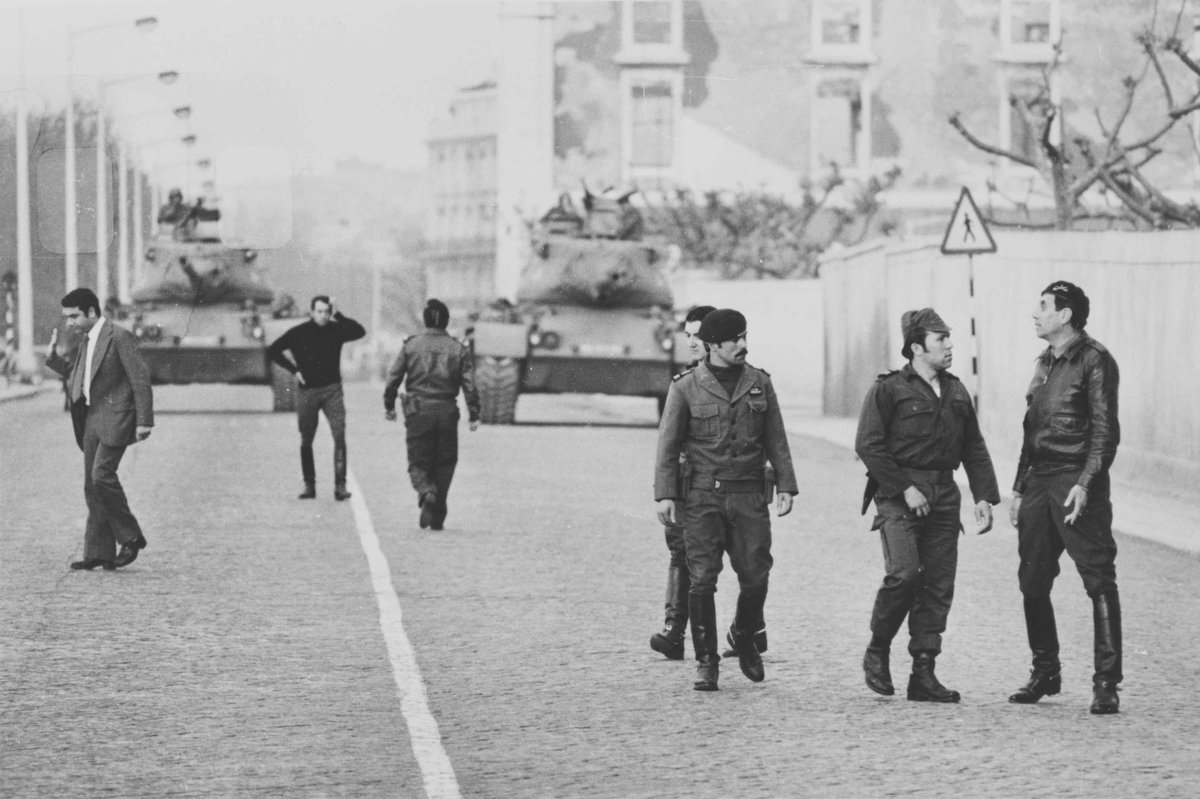
📷 No Terreiro do Paço, o Tenente-Coronel Ferrand de Almeida, perante o dilema de ter de disparar ou de se render, entregou-se a Salgueiro Maia, sendo preso, e a coluna ficou sem comando (autor Alfredo Cunha) #25a74
"O que quero com os meus livros é desassossegar, desassossegar, desassossegar o espírito do leitor e não deixar que durma, despertá-lo. Pôr-lhe a mão no ombro e dizer-lhe: homem, mulher, rapaz, rapariga, desperta. Porque o mal está aí à espera, e depois não digam que não sabiam, que não tinham dado conta."
José Saramago
Almost one year after the beginning of the conflict in Sudan, more than 10.07 million people have been displaced making Sudan the highest number of internal displacements in the world, even surpassing Syria’s 7.2 million
Ethiopian authorities must immediately and unconditionally release French journalist Antoine Galindo, who was unjustly detained on Thursday under alarming circumstances, the Committee to Protect Journalists said https://t.co/egZ3YlOIou
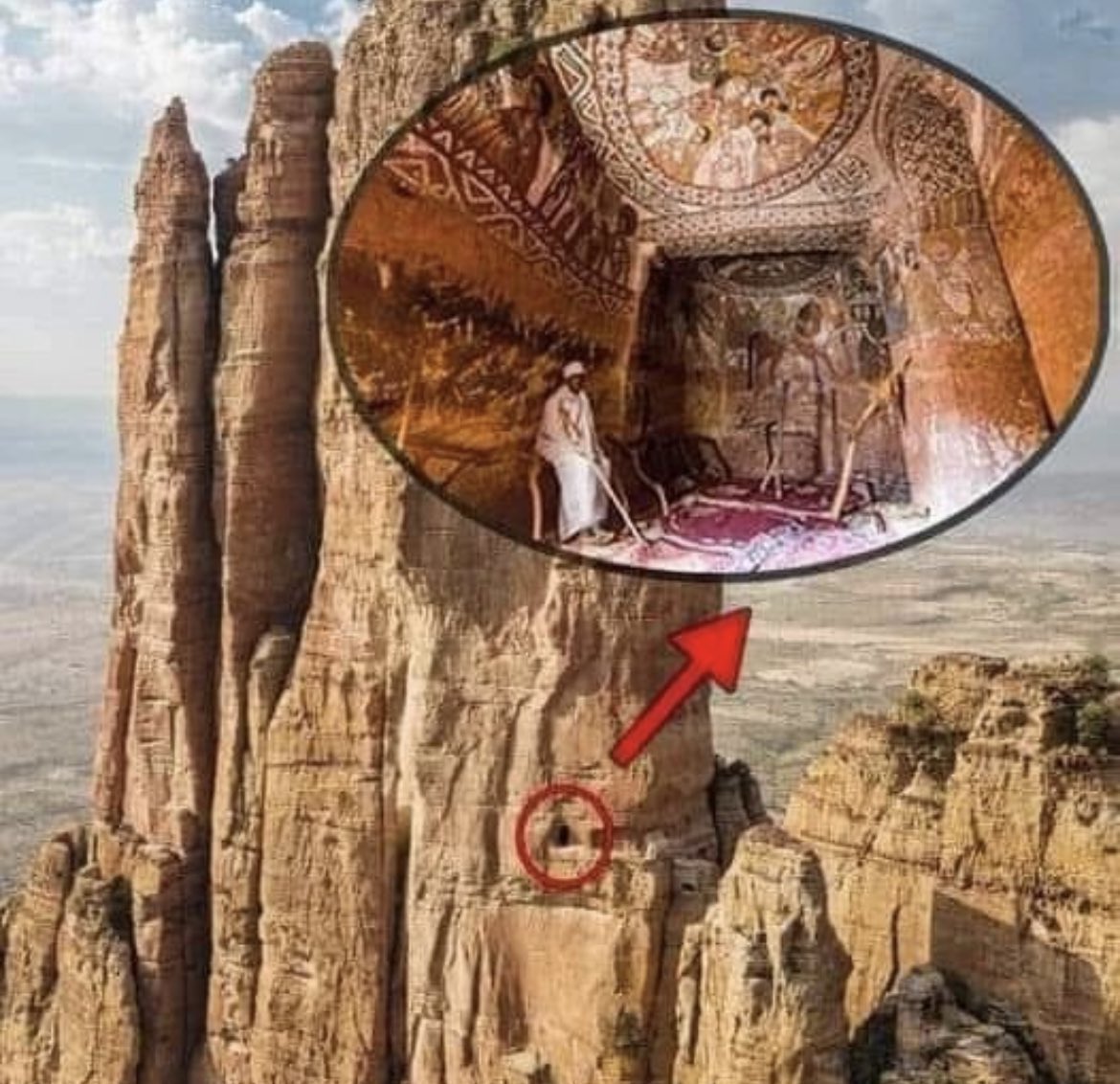
The incredible site of the mountain church, Abuna Yemata Guh, is a monolithic church located in the Hawzen woreda of the Tigray Region, Ethiopia. It is situated at a height of 2,580 meters (8,460 ft).
According to local tradition, the church was built in the sixth century by one of the Nine Saints, Abuna Yemata. The Nine Saints are said to have come to Ethiopia from various regions, including Rome, Constantinople, and Syria, to spread Christianity and establish a monastic tradition. The paintings in the church are original and have been well-preserved due to the dry air and lack of humidity.
To access the church, one must climb a steep cliff with hand and feet holes carved into it. The ascent is considered hazardous and requires both physical strength and mental fortitude. Abuna Yemata Guh is one of 35 churches in Ethiopia that is built into a high place, making it a unique and awe-inspiring site to visit.
New report from Oxfam out today. The richest 1% account for more carbon emissions than the poorest two thirds of humanity combined. Climate change is class war. https://t.co/eX3xuTncmN
"I’m personally a Holocaust survivor as an infant, I barely survived. My grandparents were killed in Aushwitz and most of my extended family were killed. I became a Zionist; this dream of the Jewish people resurrected in their historical homeland and the barbed wire of Aushwitz being replaced by the boundaries of a Jewish state with a powerful army…and then I found out that it wasn’t exactly like that, that in order to make this Jewish dream a reality we had to visit a nightmare on the local population.
There’s no way you could have ever created a Jewish state without oppressing and expelling the local population. Jewish Israeli historians have shown without a doubt that the expulsion of Palestinians was persistent, pervasive, cruel, murderous and with deliberate intent - that’s what’s called the 'Nakba' in Arabic; the 'disaster' or the 'catastrophe'. There’s a law that you cannot deny the Holocaust, but in Israel you’re not allowed to mention the Nakba, even though it’s at the very basis of the foundation of Israel.
I visited the Occupied Territories (West Bank) during the first intifada. I cried every day for two weeks at what I saw; the brutality of the occupation, the petty harassment, the murderousness of it, the cutting down of Palestinian olive groves, the denial of water rights, the humiliations...and this went on, and now it’s much worse than it was then.
It’s the longest ethnic cleansing operation in the 20th and 21st century. I could land in Tel Aviv tomorrow and demand citizenship but my Palestinian friend in Vancouver, who was born in Jerusalem, can’t even visit!
So then you have these miserable people packed into this, horrible…people call it an 'outdoor prison', which is what it is. You don’t have to support Hamas policies to stand up for Palestinian rights, that’s a complete falsity. You think the worse thing you can say about Hamas, multiply it by a thousand times, and it still will not meet the Israeli repression and killing and dispossession of Palestinians.
And 'anybody who criticises Israel is an anti-Semite' is simply an egregious attempt to intimidate good non-Jews who are willing to stand up for what is true."
📢 It's that time again! In this month's roundup, we share open positions in our Kigali and Addis Ababa offices. Full job descriptions and application links are on our website: https://t.co/luzhIhdGu2
Ethiopia's 'Abuna Yemata Guh' is arguably the most inaccessible place of worship on earth and has to be climbed on foot to reach. Located in the Tigray region of northern Ethiopia, this ancient rock-hewn church stands atop a vertical cliff, perched at an elevation of around 2,580 meters (8,460 feet). It is considered one of the most inaccessible and challenging religious sites to reach in the world.
The construction of rock-hewn churches in Ethiopia has a long history dating back to the 4th century AD, during the time of the Aksumite Empire. These churches were built by carving into solid rock formations, creating impressive architectural masterpieces. The rock-hewn churches served as centers of religious devotion and provided shelter during times of conflict.
Abuna Yemata Guh is believed to have been carved out of the cliff face during the 5th century, making it over 1,500 years old. It is dedicated to Saint Yemata, a legendary Ethiopian saint who is said to have meditated and prayed in this secluded location. The church is named after Abuna (meaning "father" in Amharic) Yemata, who was a prominent Ethiopian religious leader.
What makes Abuna Yemata Guh particularly notable is the challenging ascent required to reach it. Pilgrims and visitors must hike up a steep and narrow footpath, navigating rugged terrain and exposed ledges. The ascent involves scrambling up the cliff face, sometimes using ropes for support. This arduous journey symbolizes a spiritual pilgrimage, testing the devotion and commitment of those seeking solace and connection with their faith.
Despite its remote and inaccessible location, Abuna Yemata Guh has attracted attention in recent years as a testament to Ethiopia's rich cultural heritage and architectural prowess. It is not only a place of worship but also a symbol of the enduring faith and determination of the Ethiopian people.
Furthermore, the Tigray region, where Abuna Yemata Guh is situated, has witnessed significant historical and cultural events throughout the centuries. It has been a center of religious and political power, with various empires and kingdoms rising and falling in the region. Today, Tigray is home to a diverse population, including the Tigrayan people, who have their unique language, culture, and traditions.
In recent years, the Tigray region has faced challenging times due to internal conflicts and humanitarian crises, making access to sites like Abuna Yemata Guh more difficult. Nevertheless, the church continues to be a testament to Ethiopia's rich history and the resilience of its people, reminding us of the enduring power of faith and the importance of preserving cultural heritage.