Just published my first book chapter on coral reef conservation ! 🐠 the chapter dives into the coverage of different reef types by Brazilian marine protected areas and the levels of protection they afford based upon measures of conservation effectiveness
Excited to share my new book chapter on the effectiveness of conservation efforts and the pressing needs for protecting marine biodiversity in Brazil.
The chapter is available on Research Gate - happy to share the file upon request:
https://t.co/GDobfjfUG5
🌊New paper alert!
Excited to share my latest research: https://t.co/CNsqXxsJNO
As we mark the #WorldOceansWeek at #UNOC3 to accelerate global ocean action, I hope this work can help to improve #MarineProtectedArea planning more effectively, inclusively, and strategically
A new paper, exploring 30+ years of #MarineProtectedArea planning will be out soon. We analysed 60 planning exercises, uncovering common challenges, emerging opportunities, and what they mean for future ocean conservation
Stay tuned for publication link soon 🔗🌊📄#UNOC3#OOSC
🎯 The magic number? The more the merrier!
When grassroots 🌱 + government 🏛️ + science 🔬 + business 💼 work together, nature AND society win!
Latest evidence from the @IPBES#TransformativeChange Assessment:
https://t.co/zKrmSXQz0M
🎮 Visualize transformative change like a board game - we've mapped out all the pieces!
🎯 Where we are 🌟 Where we want to go 💪 How to get there 🚧 What's in our way
Read the Summary for Policymakers of the @IPBES#TransformativeChange Assessment:
https://t.co/zKrmSXQz0M
📌New in TREE: Systematic conservation planning is evolving with faster algorithms, climate-smart strategies & better integration of biodiversity and ecosystem services. How can we bridge the gap between science & practice? Read more : https://t.co/0Z6NfTbttE
@Trends_Ecol_Evo
This large-scale assessment led by @Biol_NSchubert and @RafaelMagris reveals the importance of rhodolith beds as habitats for threatened, endemic, and commercial species, and identifies hotspots for biodiversity that are still largely unprotected
https://t.co/s27UTUTYbF
Time to take action on conserving one of the largest coralline algal beds in the world:
📍 only 1 biodiversity hotspot is currently protected
📍 Bottom trawling = major historical threat
📍Oil&gas expansion will cause cumulative impacts
📍Mesophotic beds are scarcely protected
🚨 OUT NOW 🚨
📚 The @IPBES#TransformativeChange Assessment Summary for Policymakers is here!
➡️ Dive into the extensive exploration of how fundamental change can halt biodiversity loss and secure just and sustainable futures for all.
https://t.co/zKrmSXR6Qk
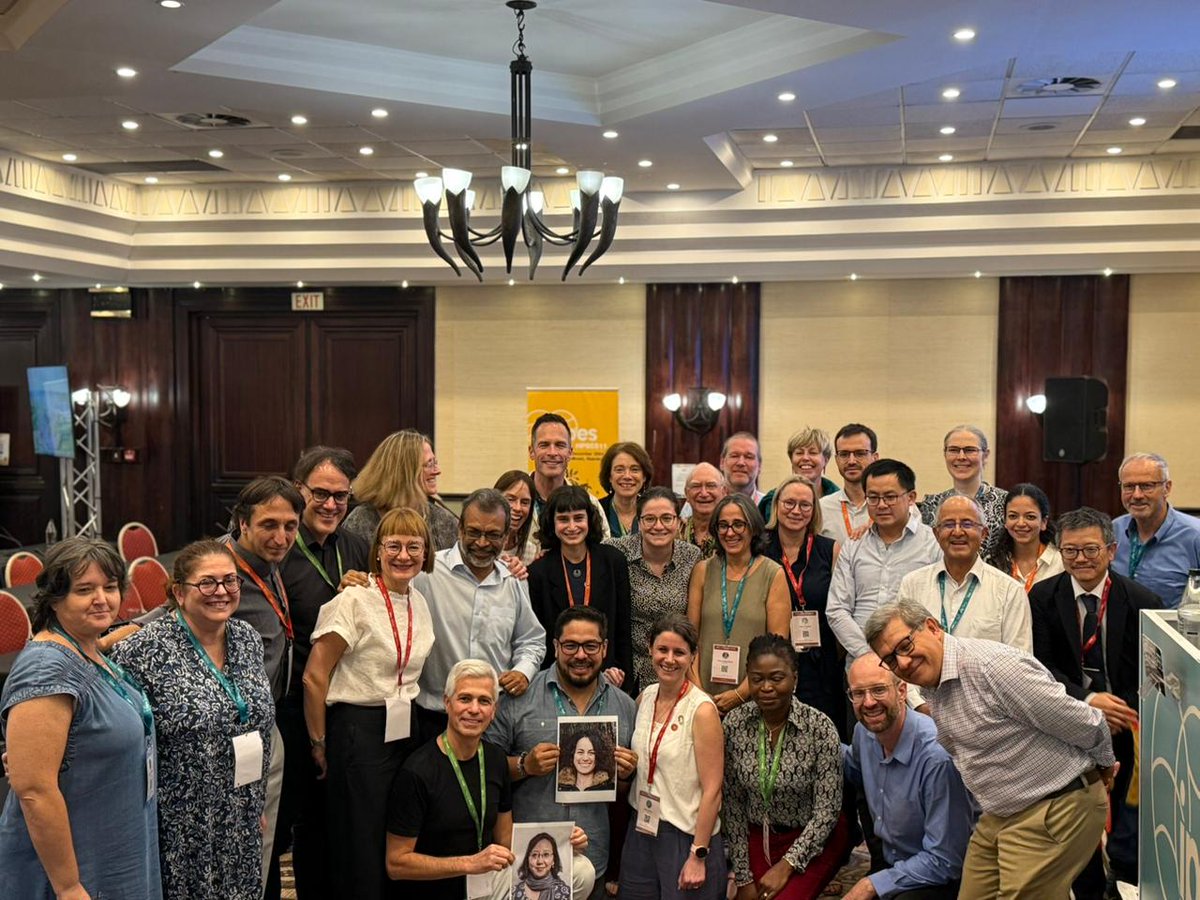
BIG NEWS! Amazing to have this formally accepted! This milestone marks a giant leap understanding & driving the systemic changes needed for a sustainable and equitable future 🌿🌎 Below a few pics from the beginning of the assessment 👇
It’s official! After years of hard work by @IPBES experts, the #TransformativeChange Assessment Report is approved by the Plenary at #IPBES11!
Congratulations to all on this achievement for people and #nature. 🌿🌏
Also, we examined the existence of ecological monitoring programs running over MPAs and existing restoration efforts. #CoralReefConservation#OceanProtection
Just published my first book chapter on coral reef conservation ! 🐠 the chapter dives into the coverage of different reef types by Brazilian marine protected areas and the levels of protection they afford based upon measures of conservation effectiveness
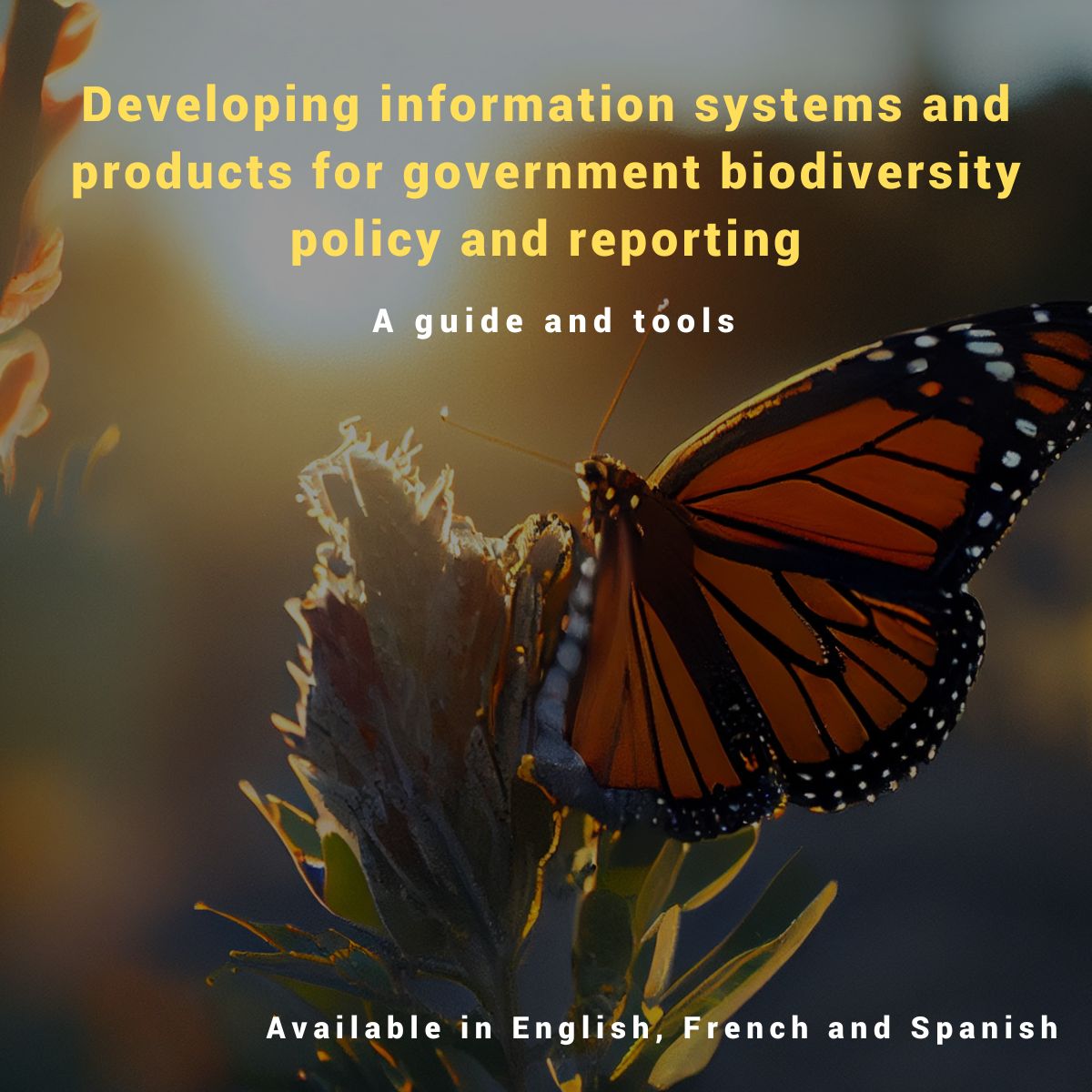
Government staff can develop systems that organize how biodiversity information is produced and made available for effective decision-making with UNEP-WCMC’s latest suite of information systems guide and tools: https://t.co/y9BPZuCxxb
When misleading interpretation and conclusions overestimate the effects of #MPA. We published this comment
on @SpringerNature Marine Biology journal highlighting the problems in assessing ecological variations among protection levels. Check it out!
https://t.co/mYNgvJXG7L
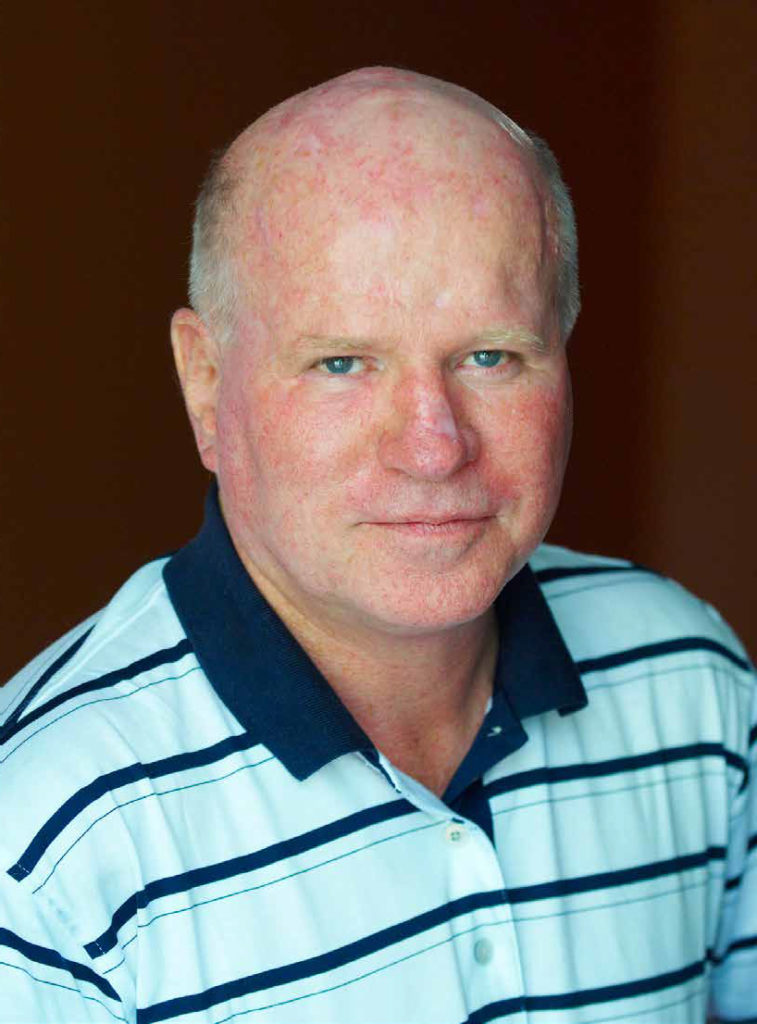
Vale Professor Bob Pressey FAA FRS
(16/09/1953 – 5/07/2023)
A conservation planning pioneer, Prof Pressey worked in a variety of roles, including spending 19 years with the NSW National Parks and Wildlife Service in semi-arid and forest ecosystems and a period as governor of the World Wildlife Fund Australia (@WWF_Australia).
Prof Pressey gave his time generously to the Academy, serving on a range of committees, including as chair of the Fenner Conferences on the Environment award committee. Just last year, he was elected a Fellow of the Royal Society.
Our sincere condolences to Bob’s family, friends and colleagues.
Read his Academy profile: https://t.co/mXCb473Rqz
Devastated to hear about the death of Dr Bob Pressey (left on the photo), a colleague, friend, mentor and giant in conservation planning that did so much for so many people. RIP Bob - you are leaving us way too early.