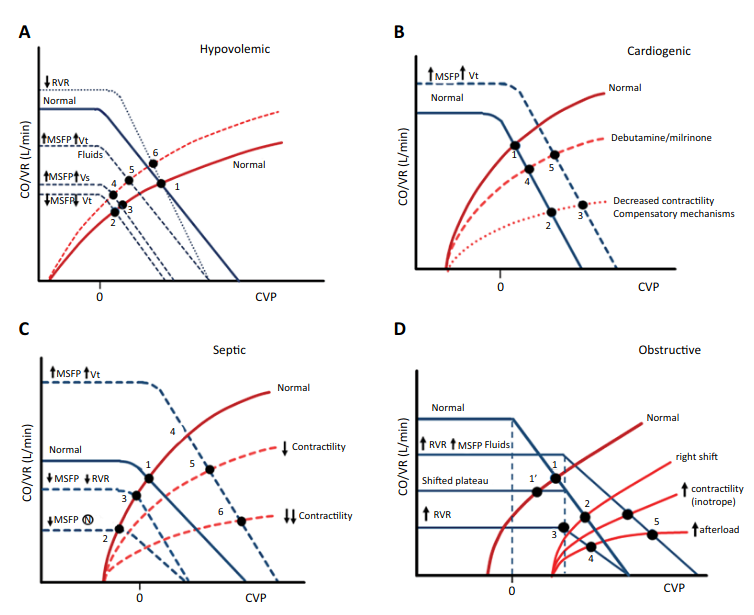
Right ventricle and venous system: bridging physiology and clinical practice. A narrative review
CCR Journal Watch - tracking the critical care literature daily
https://t.co/Sp06oA6IDG
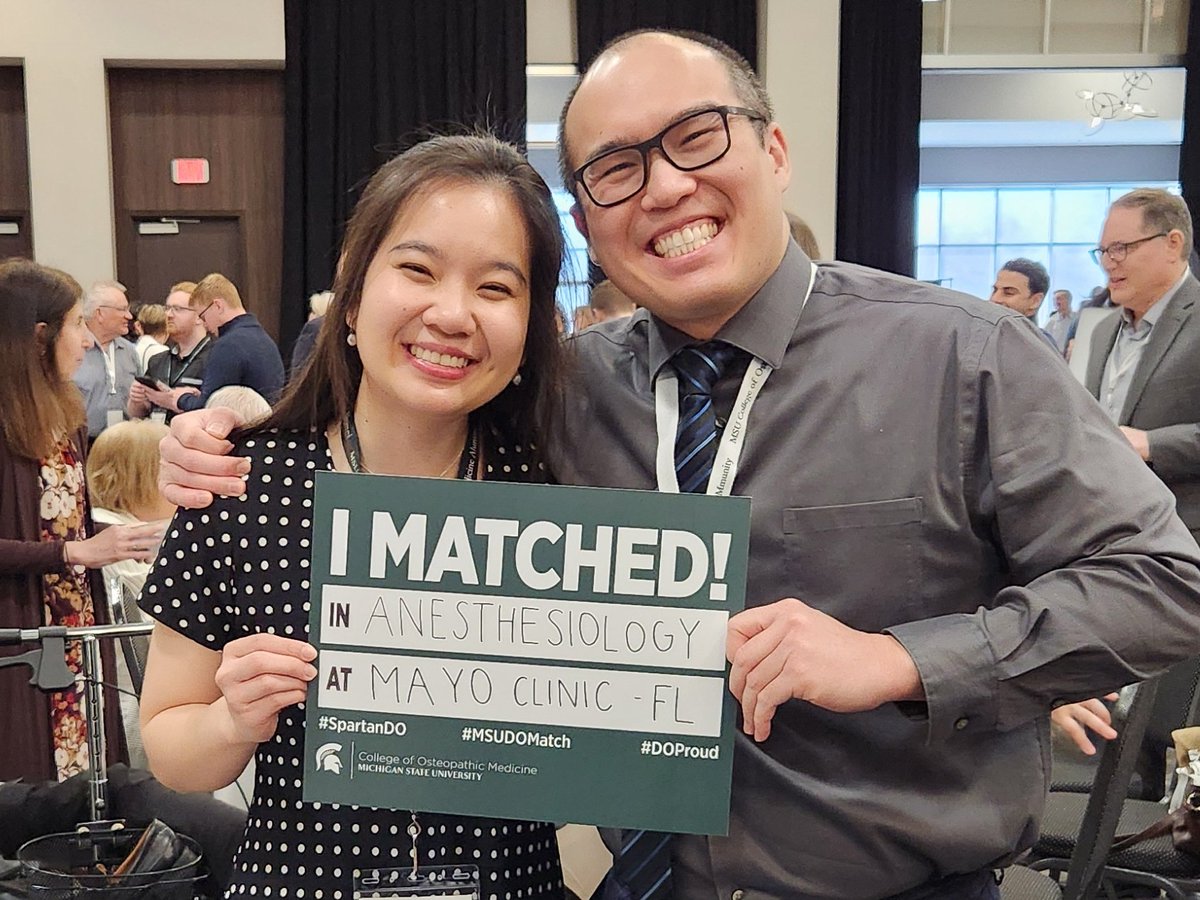
It is difficult to capture in words the appreciation and value of learning, training, and working with dedicated, humble and skilled doctors everyday at Mayo Clinic Florida. Impromptu nephrology-rheumatology table rounds on a complicated patient.
Clinical validation of pulmonary artery catheter for continuous thermodilution CO monitoring in VA #ECMO?
🖥️ strong agreement between PAC and #POCUS CO, maintained across different flow settings (0.5, 2, 4 LPM); CO trends induced by EBF variations also demonstrated good agreement
🫀 continuous thermodilution safe, feasible, simple but accurate hemodynamic monitoring (particularly if #ultrasound challenging due to poor windows or arrhythmias), which can assist in decision-making for weaning.
🔓 https://t.co/MrkSNLp1W0
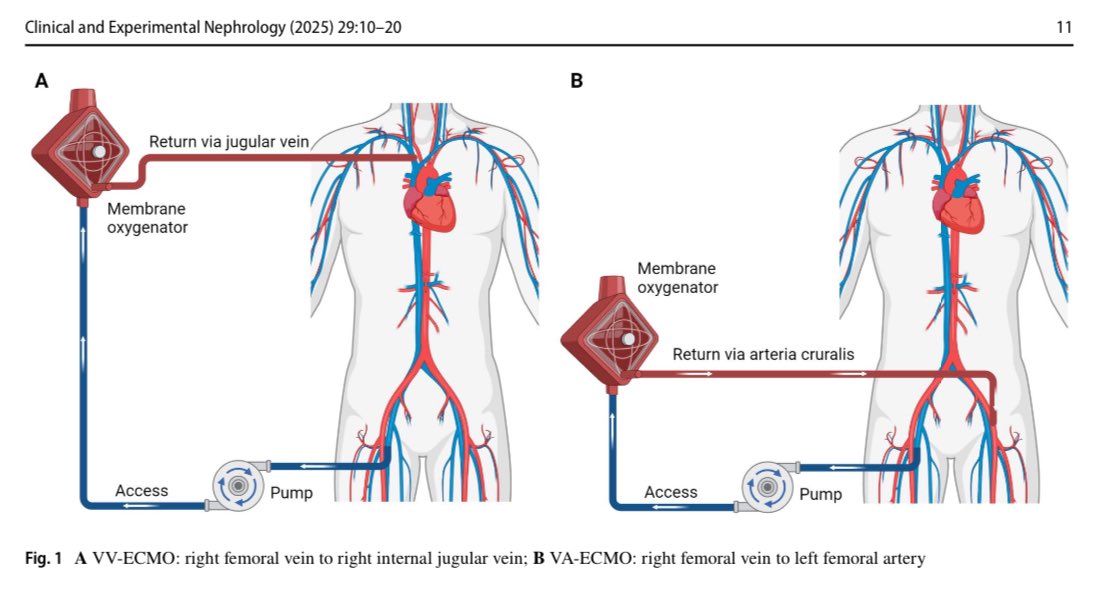
🚨ECMO & AKI: A Deadly Combo🚨
Non-pulsatile flow & venous congestion—ECMO risks renal hypoperfusion, leading to AKI🫀🫘
Can we prevent it? Dive into this review👇
📖AKI in ECMO: Research Progress
🔗https://t.co/hQOJDOlxVZ
#Nephrology#ECMO#AKI#Cardiology#MedTwitter#NephX
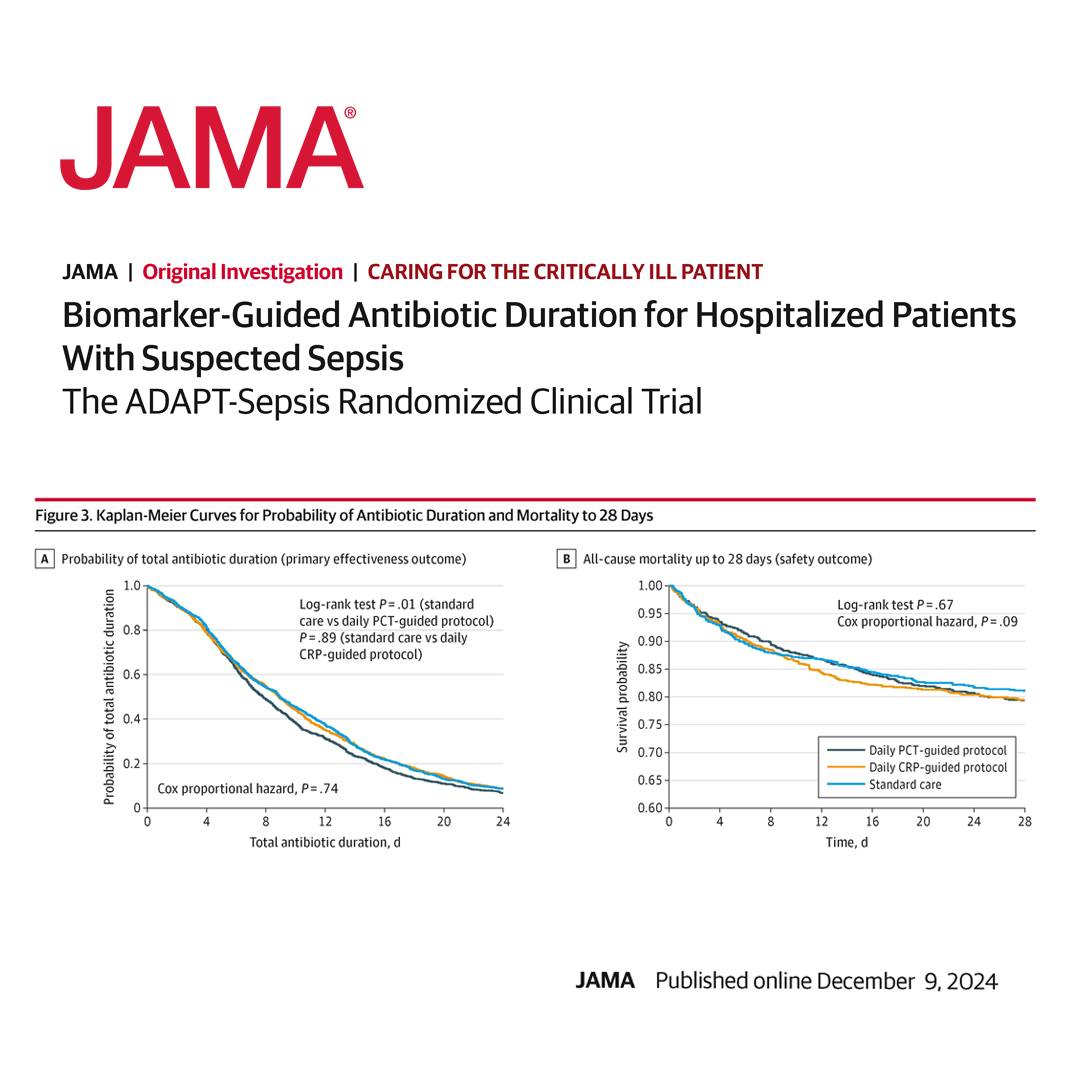
In critically ill adults with suspected sepsis, antibiotic regimens were safely reduced when guided by measurement of procalcitonin but not by C-reactive protein.
https://t.co/Y3NVgYZsLr
Our new paper explores how pass/fail grading has created a "shadow economy of effort," as medical students engage in extracurricular activities to compete for residency positions, often at the expense of clinical skill and well-being. @Midwest_MedPeds
https://t.co/yz5E4TYkbt
...🧵This is a thread about 8.4% sodium bicarbonate (aka bicarb amp) in critical care.
This the first part in a series of three about sodium bicarbonate 🧂in critical care:
🧐I will get in deep to complexities, benefits, risks and clinical implications of this (overused) drug.
“I don’t know” is not an admission of ignorance. It’s an expression of intellectual humility.
“I was wrong” is not a confession of failure. It’s a display of intellectual integrity.
“I don’t understand” is not a sign of stupidity. It’s a catalyst for intellectual curiosity.
Hepatic Hydrothorax & Spontaneous Bacterial Empyema
▪️HH & SBE ➡️ poor prognosis
▪️No MELD exception points for HH/SBE
▪️HH often RIGHT-sided!
▪️HH Dx when serum:pleural albumin>1.1
▪️AVOID chest tube/pleurodesis for HH
▪️SBE when (+) Cx and >250 PMNs
🔗 https://t.co/arSxV7UMkd
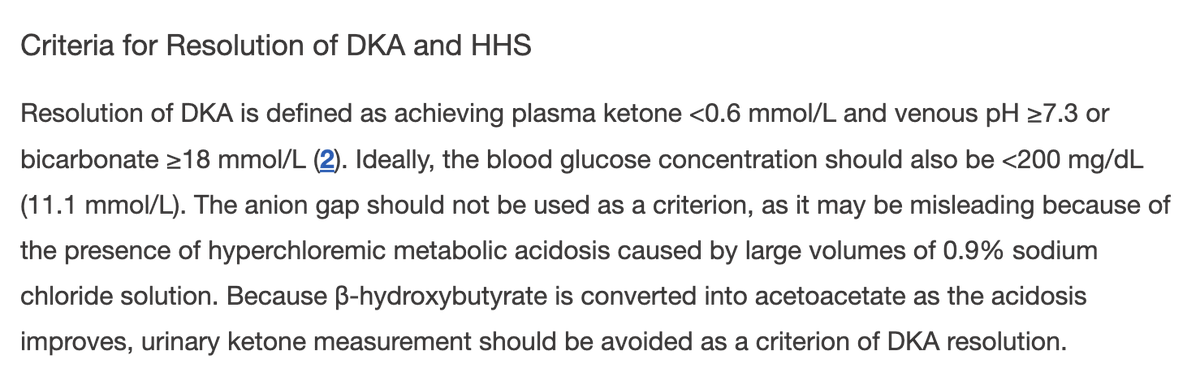
I missed this when it came out: 2024 HHS/DKA guidelines:
No more "the gap has closed".
Following the anion gap is no longer recommended.
Instead, follow plasma ketones directly, venous pH, and/or bicarbonate.
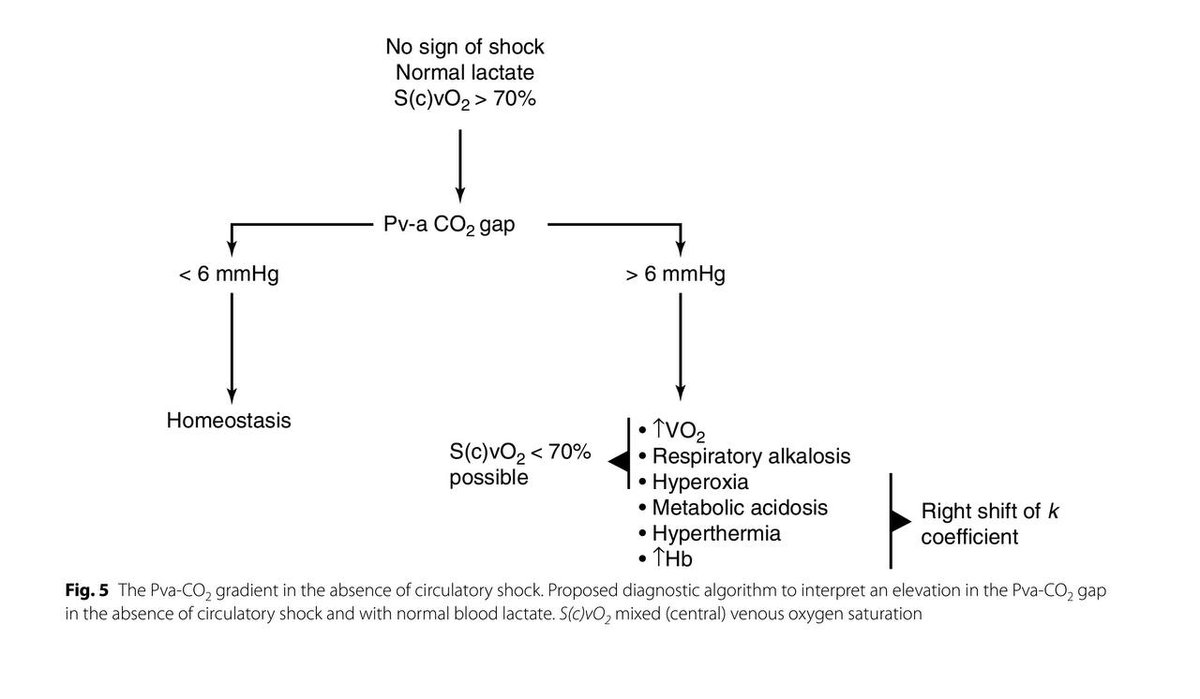
Veno-arterial PCO2 gap
Looks simple. But complicated. You need to consider a lot of factors in the interpretation. More importantly, it can be normal or high in sepsis.
Tip: Make sure you study the CO2 dissociation curve before attempting to understand this concept.
https://t.co/Ix0JUABviW