PCCF (HoFF) Dr. C. Suvarna visited the Devunigutta Temple in the Mulugu District, a 6th-century heritage site within forest landscape.
The visit explored its potential as a guided trekking route under forest eco-tourism, blending heritage conservation with sustainable tourism.
🌳✨ A Revolutionary Breakthrough from Telangana
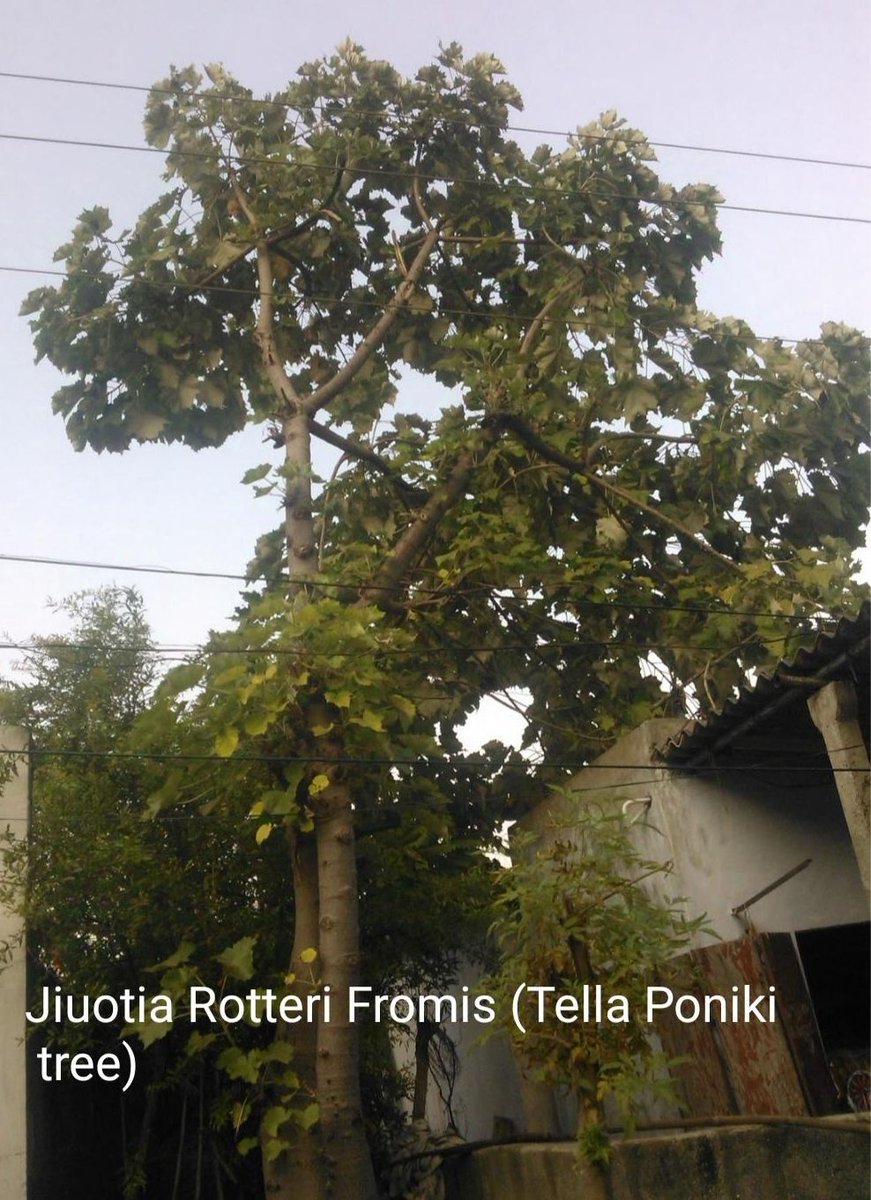
Researchers at FCRI, Mulugu have achieved a major milestone by developing an advanced germination technique for Givotia rottleriformis (Poniki) the tree behind the world-famous Nirmal Handicrafts 🪵🎨
👏 Led by Ms. Maloth Mounika (https://t.co/JWHrETChyk. Scholar) under Dr. Reeja Sundaram, this innovation boosts germination success to 75–80%, ensuring the revival of this rare species that sustains hundreds of artisan families.
🌿 “This is not just about conserving a native tree, but also preserving Telangana’s cultural heritage and supporting artisan livelihoods,” said Mr. V. Krishna, IFS, Dean, FCRI.
The technique—pending patent—marks a new era for eco-restoration, craft-based economy, and sustainable forestry in Telangana. 🌱💚
New germination technique boosts survival of Givotia rottleriformis, paving the way for conservation and artisan livelihoods.
In a major scientific breakthrough, researchers at the Forest College and Research Institute (FCRI), Mulugu, Telangana, have successfully developed an improved germination technique for Givotia rottleriformis, a rare tree species crucial to the famous Nirmal handicraft industry. The innovation promises to revive dwindling populations of the species and support the livelihoods of hundreds of artisan families.
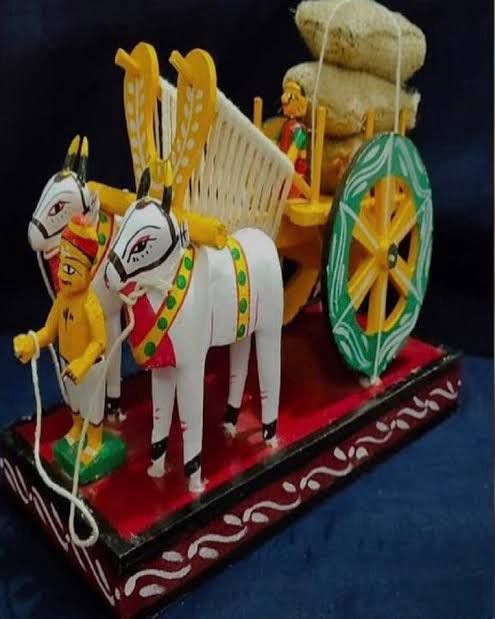
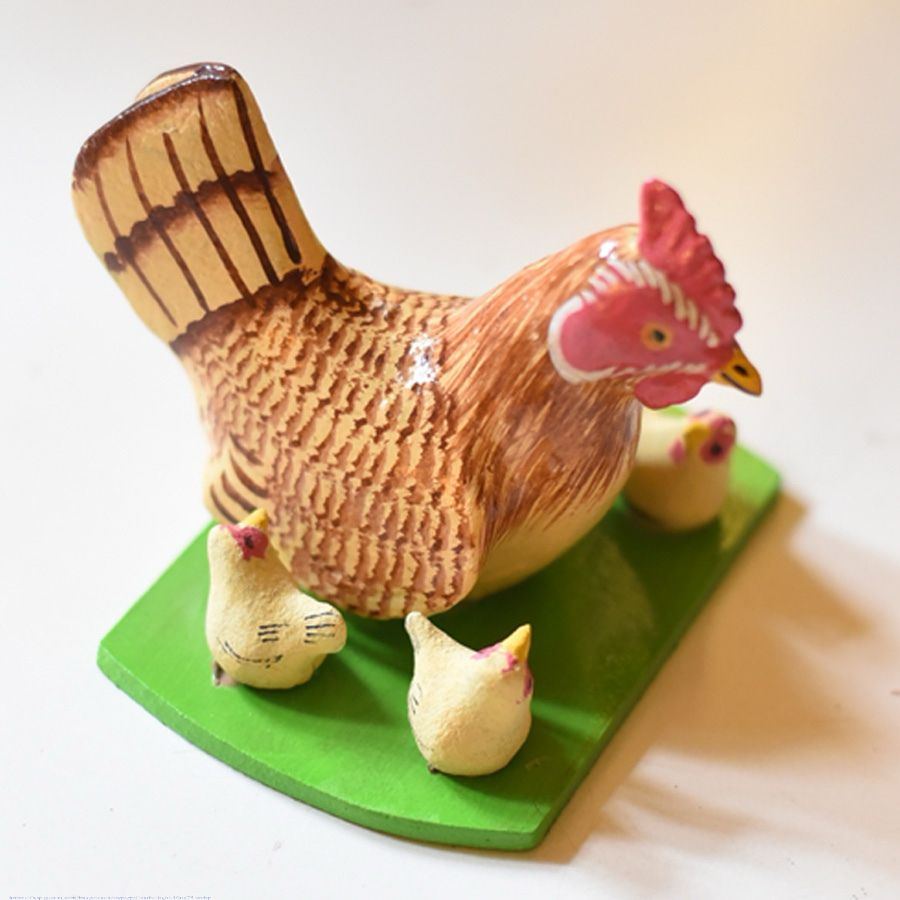
Givotia rottleriformis, locally known as Poniki, is renowned for its soft and lightweight wood, ideal for crafting toys, figurines, lacquered artefacts, and traditional art pieces that hold the Geographical Indication (GI) tag of Nirmal, Telangana. However, its natural populations have sharply declined due to poor regeneration, seed dormancy, and habitat degradation, making the species increasingly difficult to cultivate.
The breakthrough was achieved by Ms. Maloth Mounika, https://t.co/JWHrETChyk. Research scholar, under the guidance of Dr. Reeja Sundaram, Assistant Professor, Department of Tree Breeding and Improvement at FCRI. Their newly developed protocol, pending patent approval, has successfully enhanced seed germination rates to 75–80%, overcoming long-standing challenges posed by the tree’s hard, water-impermeable seed coat and prolonged dormancy.
Speaking about the achievement, the Dean of FCRI, Mr. V. Krishna, IFS, stated:
“This achievement reflects FCRI’s commitment to blending scientific innovation with cultural preservation for socio-economic development of forest-based industries and communities. Reviving Givotia rottleriformis is not just about protecting a native tree species, it is about sustaining the livelihoods of artisan communities and preserving Telangana’s unique heritage. We are proud that our young researchers are contributing solutions of national importance.”
Givotia rottleriformis is native to dry deciduous forests of Telangana, Andhra Pradesh, Karnataka, Tamil Nadu, Maharashtra, Kerala, and Sri Lanka, where it thrives in rocky and degraded landscapes. Beyond its utility in woodcraft, the species is valued in traditional medicine for its anti-psoriatic, anti-inflammatory, and antimicrobial properties.
This pioneering germination method developed at FCRI opens new pathways for large-scale plantation, ecological restoration, and conservation of craft-based livelihoods. The institution plans to transfer this technology to forest departments and artisan clusters to ensure a sustainable supply of raw material for the well-known Nirmal toy industry.
@revanth_anumula@TelanganaCS@TelanganaCMO
#FCRI #TelanganaInnovation #NirmalHandicrafts #PonikiTree #GivotiaRottleriformis #EcoInnovation #ForestResearch #ArtisanEmpowerment #CulturalHeritage #SustainableForestry #TelanganaPride #MakeInTelangana #GIProducts #CraftRevival #ToyMakingTradition #WomenInResearch #GreenBreakthrough #ResearchForChange 🌳🪶🧑🔬
7 Btech Students of NIT Warangal, Got Stuck in Mulugu Forest, Rescued by Police and Forest Officials
Seven Engineering #students, of #NIT#Warangal , visits #Mahithapuram#Waterfalls in #Venkatapuram mandal, #Mulugu dist, for Photos and Selfies and lost their way, while returning. Got stuck in the dense forest for 6-hours at night during Heavy Rains.
Despite the Prohibition Orders, the 7 NIT Warangal students, including 4 boys and 3 girls visited Mahithapuram Waterfalls in Venkatapuram mandal, Mulugu district, near the Telangana - Chhattisgarh border and lost their way.
After getting the information, the Venkatapuram police and forest officials immediately rushed to the spot. They searched them on foot in the forest and brought them safely.
Everyone breathed a sigh of relief.
However, due to the torrential rains, visiting the waterfalls is not allowed at present. The police and forest department officials have issued warnings that strict action will be taken against anyone who violates the rules and goes to visit the waterfalls.
Important note to all visiting Bogatha Waterfalls
Bogatha Waterfalls will be closed for visitors for next some days due to heavy rainfall and waterflow being beyond safe limits.
Kind cooperation of all visitors with authorities is solicited.
#Telangana | Trainees in Mulugu learned to craft 108 bamboo products in a 20-day programme. Now, locals who once harvested bamboo illegally are getting orders for decorative items and a shot at stable rural income.
https://t.co/UlxxYPHjMP
The evolution of the Indian Forest Service (IFS) can be traced back to the British colonial period and has undergone significant transformations post-independence. brief historical timeline of its development:
1. Pre-Independence Era
1855: The formal management of forests in India began under the British rule, led by Dr. Dietrich Brandis, a German botanist who became the first Inspector General of Forests.
1864: The Imperial Forest Department was established to regulate and conserve forests for commercial purposes (mainly timber for railways).
1865 & 1878: The Indian Forest Acts were passed to consolidate British control over forests.
1906: The Imperial Forest Service (IFS) was established as an organized cadre.
2. Post-Independence Era (After 1947)
1950s: With independence, forests were transferred to state governments, leading to decentralized forest management.
1966: The Indian Forest Service (IFS) was re-established as an All India Service under Article 312 of the Constitution to ensure uniform and scientific forest management across states.
1972: The Wildlife Protection Act(WPA) was passed, marking a shift towards conservation-oriented policies.
1980: The Forest Conservation Act(FCA) was enacted to prevent deforestation and regulate forest land diversion.
1990s-Present: Focus has expanded from timber production to biodiversity conservation, climate change mitigation, and sustainable development.
Current Role of IFS
Managing forests, wildlife, and environment-related policies.
Implementing government initiatives like Project Tiger, Green India Mission, and CAMPA
Addressing climate change through afforestation and sustainable forest management.
The Indian Forest Service today is a key pillar of India’s environmental governance, balancing economic needs with ecological sustainability.#UPSC
#ifs #climatechange
The Khammam forest complex was established in 1914. The division office building was made in 1925 by the Nizam govt.
Eyes from the sky:
Drones are becoming favourite tools for monitoring various aspects of forest and wildlife management for the foresters nowadays. Tried to guide @rah_jad DFO Mulugu to have the best effect and coverage for drone photography from one of the highest points of Tadvai forests in Eturunagaram WLS #Telangana .
@CentralIfs@DroneDJ@LadyIFSOfficers@IFS_Officers@ntca_india@moefcc@wii_india
Team of Forest department is continuously and tirelessly dousing forest fires and helping conserve the nature. Working in undulating terrain is no joke.
It's a request to not light fires in forest out of curiosity or ill-will and help in our cause.