I am an adoptive mum of 2 amazing children. I believe in equality, diversity, inclusivity, love, tolerance and free speech. I love animals, nature, music
Sometimes children speak in whispers.
Not because they're shy, but testing whether someone will listen.
When a child shares a worry or feeling, they're offering something precious: "I trust you."
The most powerful response isn't always advice. Sometimes it's: "I hear you. Your feelings matter."
Children don't need us to fix everything. They need us to understand. They need emotions validated. They need space to express without judgment.
When we truly listen—without interrupting—we teach something invaluable: their voice matters.
In a loud world, children need quiet moments where someone genuinely hears them.
So pause. Put away distractions. Listen with your whole heart.
Because sometimes the greatest gift is simply being heard.
Learn more at: https://t.co/g5ciael5QJ
#ChildDevelopment #ActiveListening #EmotionalWellbeing #MindfulParenting #FamilyConnection
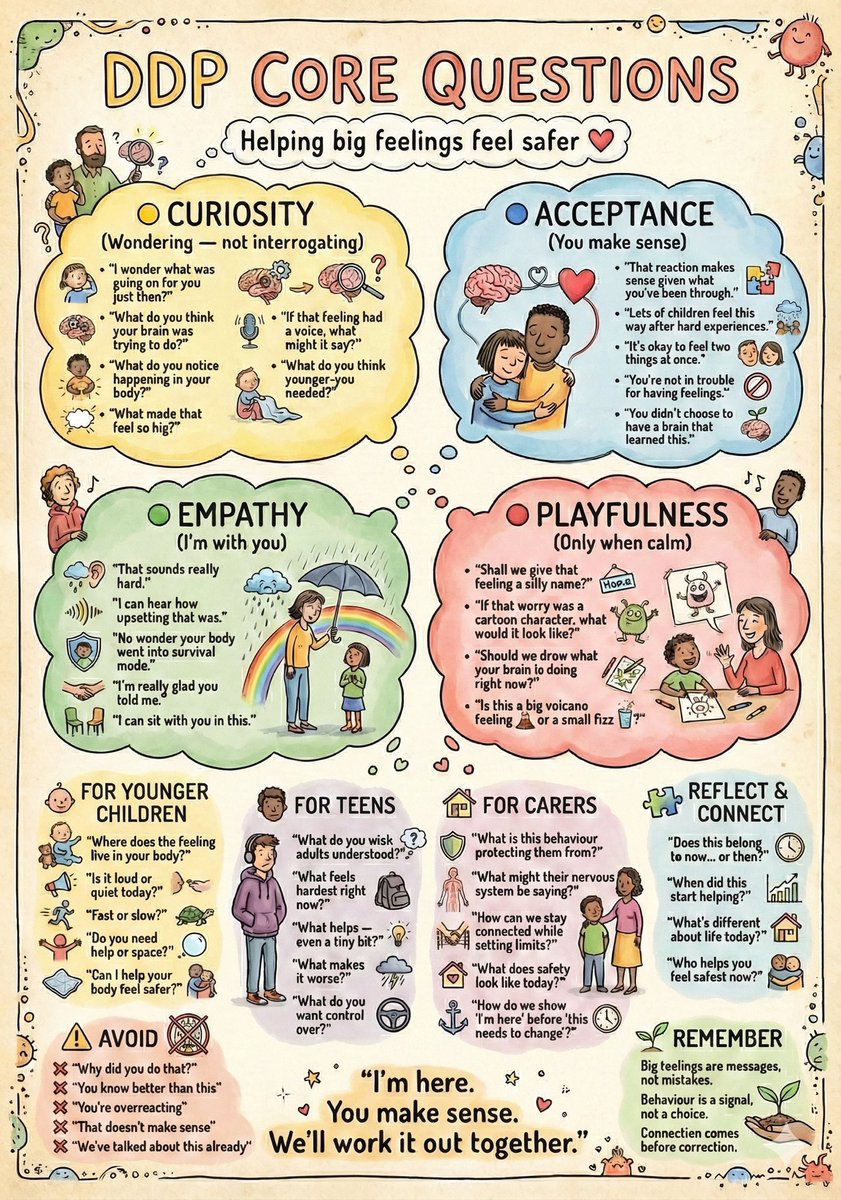
The approach focuses on building trusting relationships, emotional connections, containment of emotions and a sense of security. PACE is a way of thinking, feeling, communicating and behaving that aims to make the child feel safe 💕
Hope is one of the most powerful things we can give a child who has been hurt. Trauma can make kids feel like the world isn’t safe and their story is already written. But when even one caring adult believes in them, listens, and stays, something begins to change. A small light turns on. Hope tells a child, “Your past is not your ending.”
And sometimes, that small light grows bright enough to change a life.
🍼 Babies See Everything… Even What You’re Hiding 🤯
Think babies are just tiny, drooling, clueless humans? Think again.
Science shows that even a few-month-old can judge people. They notice smiles, frowns, tone of voice… and whether someone is kind or mean. They may not talk yet, but their tiny bodies tell the truth — they turn away, grow uneasy, or fuss when something feels wrong.
Babies naturally prefer helpers over blockers, kindness over cruelty. Long before words like “good” or “bad” exist, their brains are already scanning the world for safety, warmth, and care.
While we scroll, rush, and multitask… babies are quietly observing, absorbing, and learning. Every gentle touch, every smile, every act of love leaves a mark.
Next time you’re near a baby, remember:
They’re not just looking at you.
They’re learning who you really are.
10 Things That Can Make Childhood Better Starting Today
Children do not need a perfect childhood. They need connection, curiosity, safety, and time to be kids. Many of the things that help children most are simple, human, and available right now.
1. More unstructured play
Why: Free play strengthens creativity, problem-solving, and emotional regulation. The brain learns flexibility and resilience when children create their own games.
Try tomorrow: Give a child 30 minutes with no agenda, no screens, and no instructions. Just let them play.
2. More time outside
Why: Nature lowers stress hormones, improves mood, and helps attention and focus. Outdoor movement also supports healthy brain development.
Try tomorrow: Take a short walk, visit a park, or simply let kids play outside after school.
3. Exploration and curiosity
Why: When children explore, their brains release dopamine, which strengthens learning and motivation. Curiosity fuels lifelong learning.
Try tomorrow: Let a child follow a question they are interested in. Look something up together or try a simple experiment.
4. Less screen time
Why: Too much screen time can crowd out sleep, conversation, creativity, and movement, which are essential for brain and social development.
Try tomorrow: Choose one part of the day to be screen-free, such as dinner or the hour before bedtime.
5. More real life conversations
Why: Talking face to face builds language, empathy, and emotional awareness. Children learn how to understand themselves and others through conversation.
Try tomorrow: Ask one open-ended question like, “What was the best part of your day?” and really listen.
6. Family meals together
Why: Research consistently shows that shared meals improve emotional health, language development, and family connection.
Try tomorrow: Sit together for one meal without phones or TV, even if it is short and simple.
7. More laughter and joy
Why: Laughter reduces stress hormones and strengthens bonds. Joy is not extra. It is essential for emotional resilience.
Try tomorrow: Tell a silly story, play a quick game, or let yourself be a little goofy.
8. Less pressure and fewer high-stakes tests
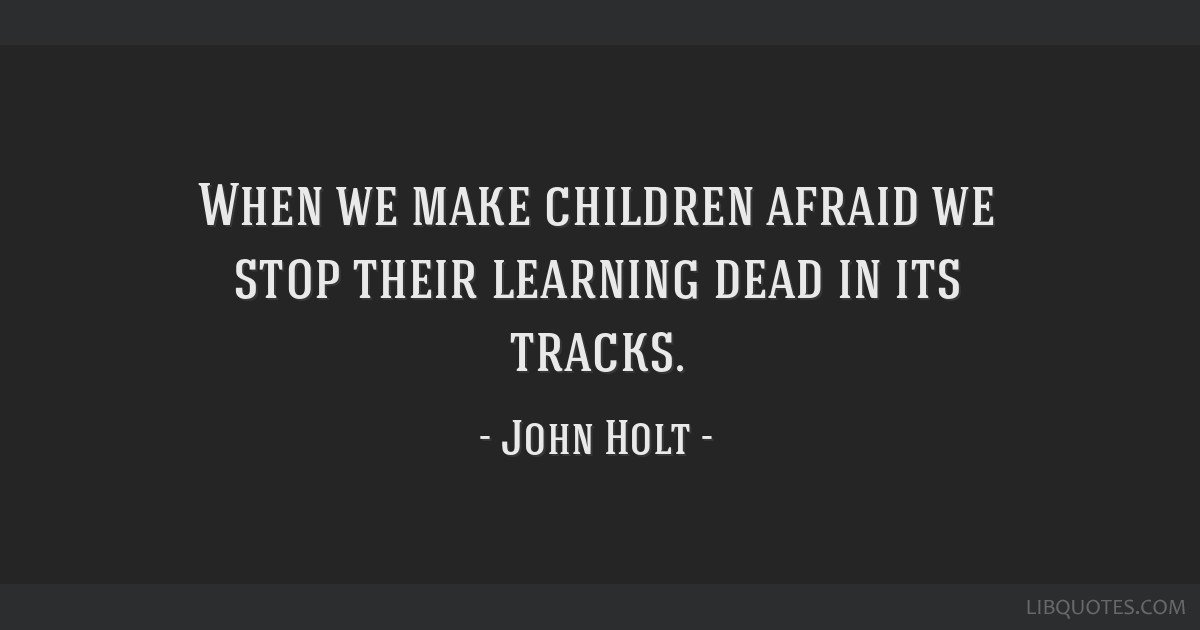
Why: Chronic pressure and fear of failure activate the stress response, which makes learning harder, not easier. Children learn best when they feel safe.
Try tomorrow: Praise effort, curiosity, and persistence rather than just grades or outcomes.
9. Learning at their own pace
Why: Every brain develops differently. When children feel rushed or compared, confidence drops and anxiety rises. When they feel capable, learning accelerates.
Try tomorrow: Notice and celebrate one thing a child is improving in, no matter how small.
10. Encouraging passions and dreams
Why: Pursuing interests builds motivation, confidence, and a sense of identity. Passion is one of the strongest drivers of deep learning.
Try tomorrow: Ask, “What do you love doing?” and help them spend a little time doing it.
Closing Thought
Childhood does not need to be faster, louder, or more competitive to be meaningful. It needs time, connection, laughter, and space to grow. The small moments we create today become the memories and confidence children carry for a lifetime.
Safety is not created by compliance. Safety is created by relationships,attunement & genuine understanding of a young person’s neurobiology.
The more healthy relationships we wrap around our pupils,the better the outcomes.
Its not rocket science.
Its neuroscience. 🧠🌱
A childs brain develops in the interaction within its environment, especially the emotional relationships with nurturing adults. Also, research shows us that in safe, supportive environments can reverse many of the negative effects of early adversity. 🧠🌱
I like this and I hope you will all join me in being a KAHU it describes precisely what having such great companion means. But I would apply it to all species they all deserve and needs us to be their KAHU 🐻🦍🐗🦣🐕🦅🦇🦁🐵🐦🐴🦉🐝
Last week, the BBC revealed that more than 1,000 adopted children have been returned to care in England over the past five years.
I know why, writes @rosielewis23👇
https://t.co/bKuQF6XhBr
@nayibbukele Wow! This is a truly awesome partnership of two phenomenal individuals, both driving hard changes to make the world a better place. This is really wonderful news for animals🐶🐱