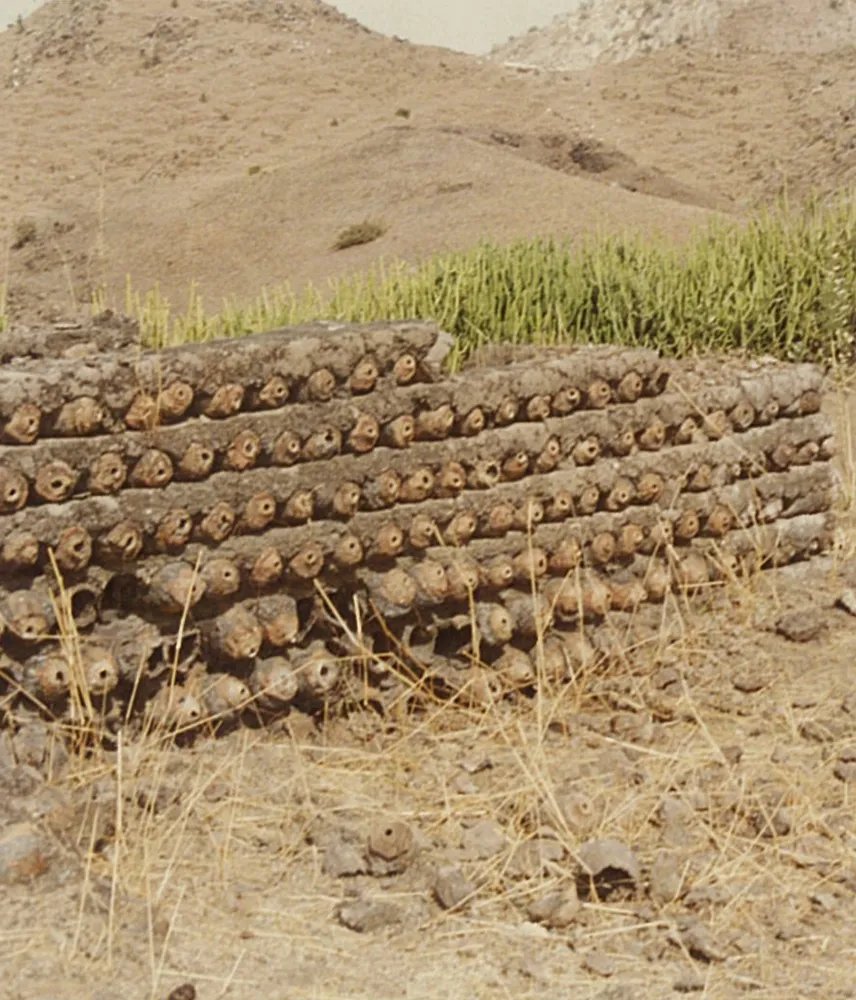
𝟏𝟐𝟎𝟎 𝐁𝐂𝐄. 𝐙𝐚𝐰𝐚𝐫, 𝐑𝐚𝐣𝐚𝐬𝐭𝐡𝐚𝐧.
India was distilling metallic zinc.
Not smelting traces. Not accidental alloys.
𝐏𝐮𝐫𝐞 𝐳𝐢𝐧𝐜. 𝐃𝐢𝐬𝐭𝐢𝐥𝐥𝐞𝐝 𝐚𝐭 𝟗𝟎𝟎°𝐂+.
A process Europe wouldn't crack until 1746 CE.
𝐓𝐡𝐚𝐭'𝐬 𝐚 𝟐,𝟗𝟎𝟎-𝐲𝐞𝐚𝐫 𝐠𝐚𝐩.
We have:
• Stone Age
• Bronze Age
• Iron Age
All named by Europeans. All centered on their timeline.
But no Zinc Age.
Because the civilization that mastered it first wasn't writing the textbooks.
So instead, you learned about European blacksmiths and Renaissance metallurgy.
Meanwhile, Zawar's retorts and furnaces sat in archaeological reports - 𝐫𝐞𝐚𝐝 𝐛𝐲 𝐧𝐨 𝐨𝐧𝐞.
This isn't about pride.
It's about taxonomy.
𝐖𝐡𝐨 𝐝𝐞𝐜𝐢𝐝𝐞𝐬 𝐰𝐡𝐢𝐜𝐡 𝐚𝐜𝐡𝐢𝐞𝐯𝐞𝐦𝐞𝐧𝐭𝐬 𝐝𝐞𝐟𝐢𝐧𝐞 𝐚𝐧 𝐞𝐫𝐚?
And whose innovations get buried in footnotes marked "local tradition"? 🏺
1200 years before Do-Re-Mi, an Indian scholar named Bharata Muni had already written the complete theory of music. He divided the octave into 22 shrutis. He named the 7 swaras. He documented how string length changes pitch. All of it. In writing. Around 200 BCE. Guido of Arezzo gets the credit in Western textbooks.
The Natya Shastra deserves to be known by the world. Did your school ever teach you about the Natya Shastra? Comment below. We want to know. If this changed how you see music history, share it with one person who needs to hear it. Follow us for more stories from ancient India that the world forgot to teach you.
India invented it 1000 years ago. America patented it in 1896.
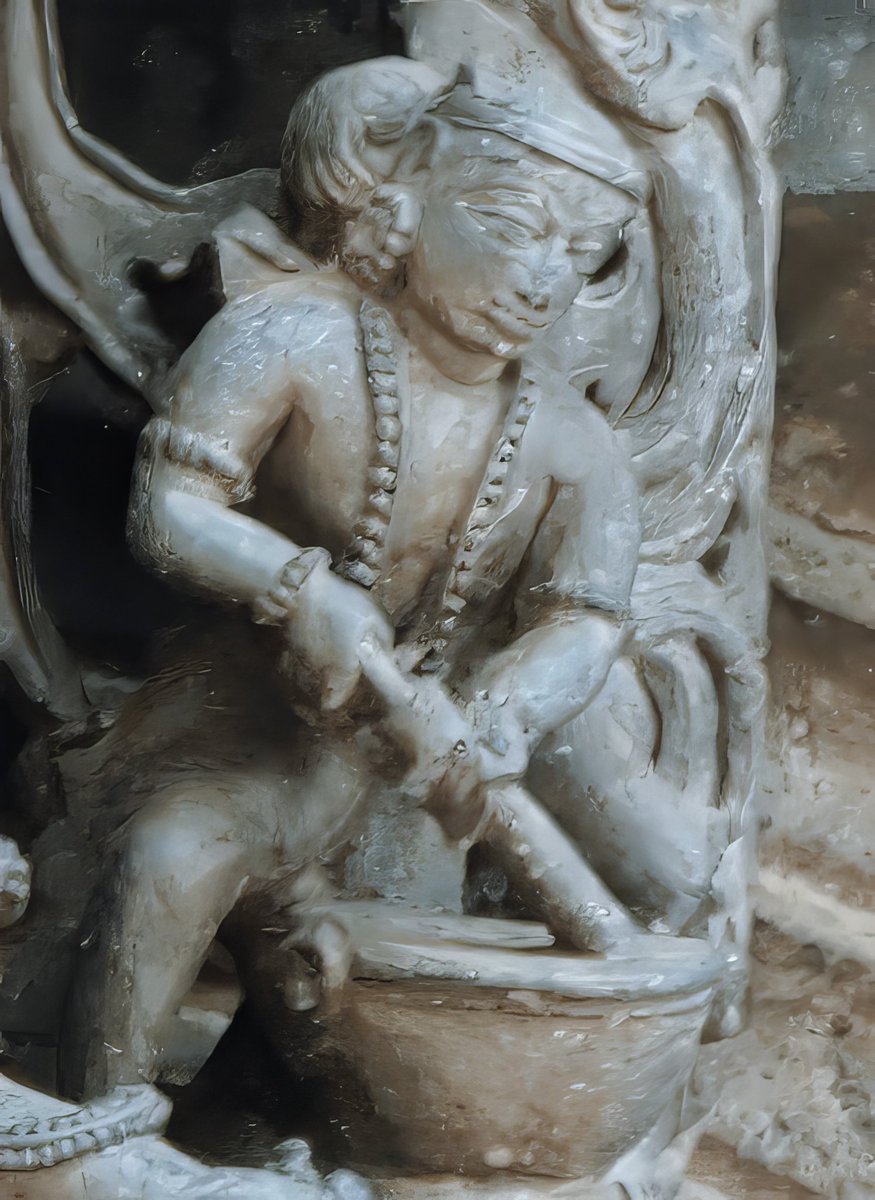
The pichkari — that piston-pump water squirter every Indian child knows from Holi — appears in ancient texts. Archaeological evidence confirms it. Millennium-old festival tradition.
Then JW Wolff walks into the US Patent Office and gets Patent No. 556,532 for the "piston squirt gun." 💧
An invention used across India for centuries, now officially American intellectual property.
The absurd part? Under patent law, anyone manufacturing the "piston squirt gun" during that patent period could technically owe royalties. On our own invention.
How do you patent what already exists?
You just... don't acknowledge where it came from.
🇵🇰🇦🇫 Pakistan captured a Taliban military position inside Afghanistan.
Their soldiers are on camera tearing down the Taliban flag.
Pakistani forces are pushing forward into Afghan territory. This is now a ground invasion.
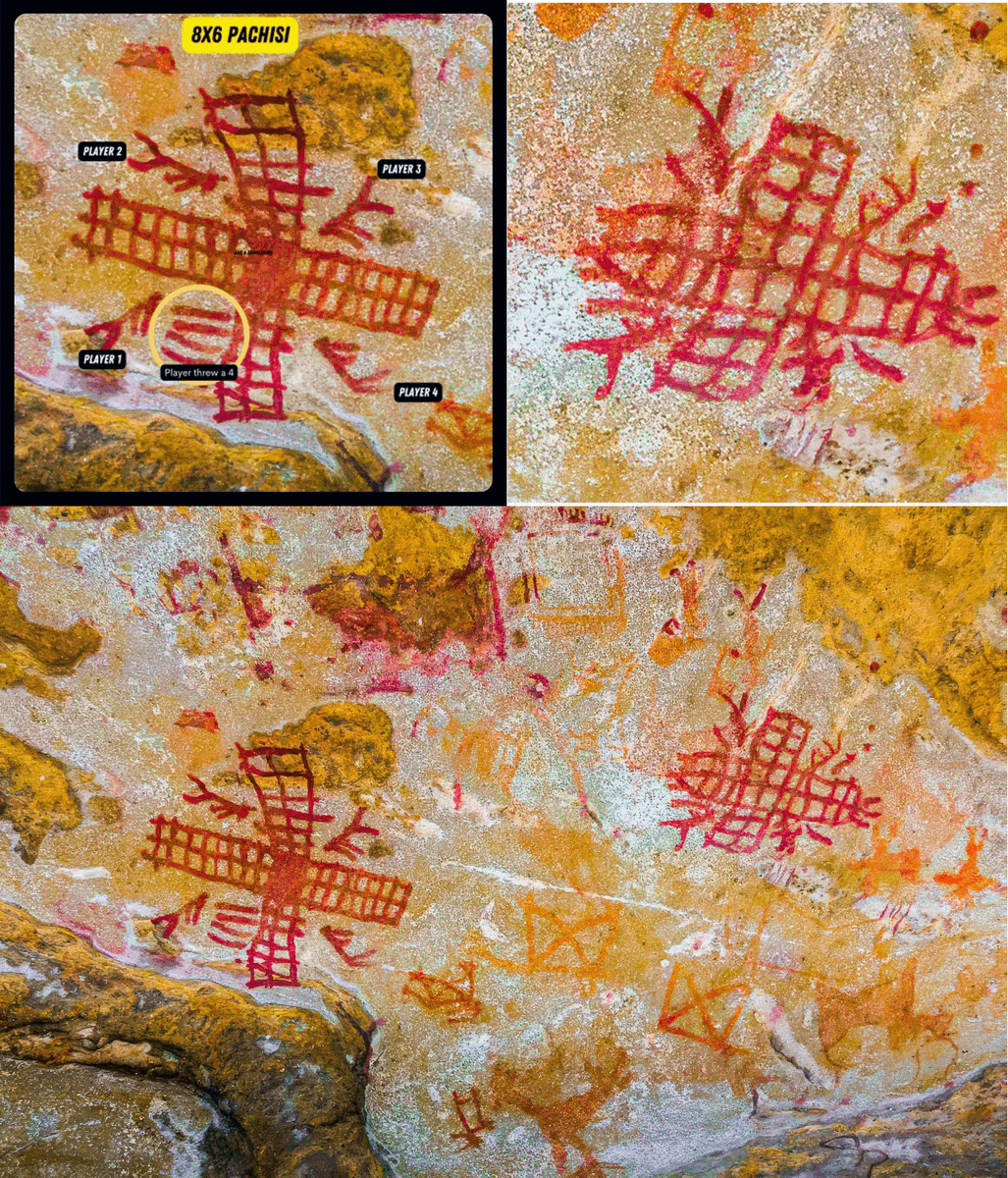
Bhimbetka. Long before “board games” had boards. ~4500 years ago.
This is Pachisi—etched and painted directly onto living rock.
Not decorative. Functional. Played.
At Bhimbetka, the game board isn’t imagined.
It’s measured.
8×6.
Elsewhere, 3×4.
Rule variations existed thousands of years ago—before printing, before standardisation, before the 250th generation.
Top left: a four-player match frozen in time.
A throw has just happened.
The dice shows 4.
Someone’s turn mattered enough to record it on stone.
This isn’t pastime.
This is probability, counting, strategy, social play.
Encoded in ochre and patience.
Civilisations that “couldn’t think abstractly” were literally gaming with maths on cave walls. 🎲🪨
Timeless passion.
Timeless minds.
"a first step towards becoming a Kardashev II-level civilization." - Elon Musk
In the last three weeks:
SpaceX acquired xAI, merging the world's largest rocket company with one of the fastest-moving AI labs on the planet. SpaceX valued at $1 trillion.
The stated goal of the merger: build orbital data centers. A constellation of a million satellites that generate AI compute in space, powered by near-constant solar energy with near-zero operating costs. Elon Musk's words: "Within 2 to 3 years, the lowest cost way to generate AI compute will be in space."
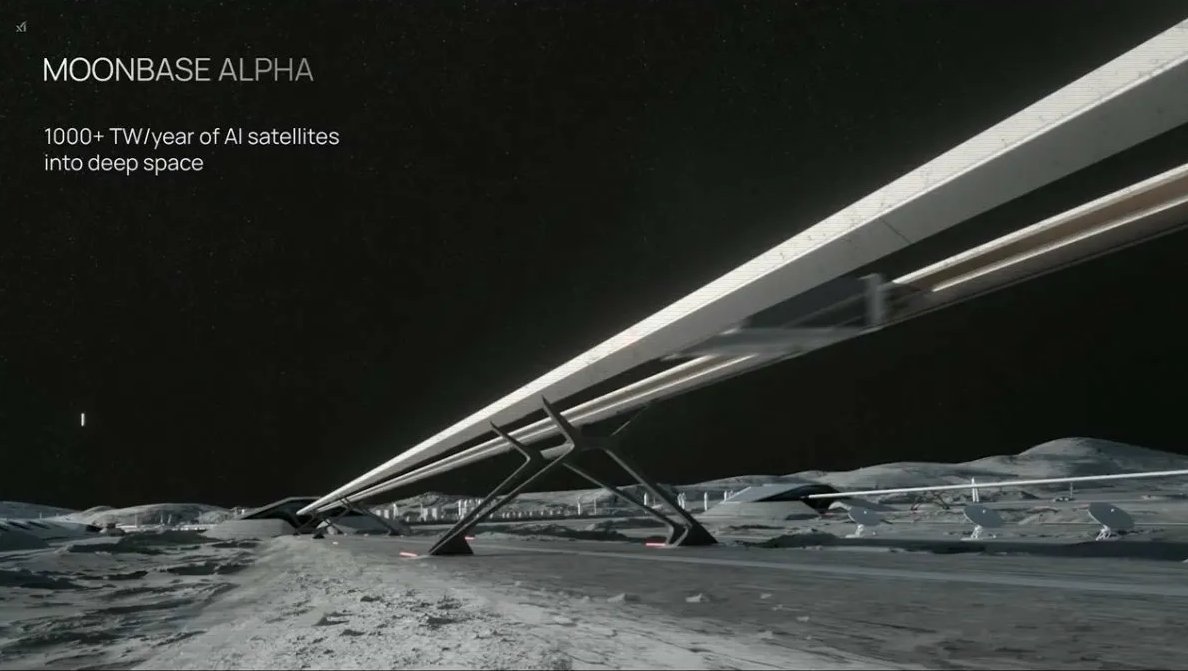
The math he laid out: launching a million tons per year of satellites generating 100 kW of compute per ton adds 100 gigawatts of AI compute capacity annually. The long-term path is 1 terawatt per year from Earth launches alone. And with lunar factories using electromagnetic mass drivers, 500 to 1,000 terawatts per year into deep space.
Elon Musk also announced SpaceX is building a self-growing city on the Moon. Target: under 10 years. First uncrewed landing: March 2027. Lunar manufacturing will feed the orbital compute network. Factories on the Moon building satellites and launching them deeper into the solar system.
And the rocket that makes all of it possible, Starship V3, with 100+ tons to orbit, orbital refueling, and Raptor 3 engines, is targeting its first flight in mid-March. The plan: launches every hour, 200 tons per flight, millions of tons to orbit per year.
The most powerful rocket in history. Aimed at the Moon. Designed to launch the largest AI infrastructure ever built. Weeks from flying.
It's happening.
5th century CE. Women in royal courts. Not decorative. Decision-makers.
Gupta-era inscriptions confirm it. Legal texts reference it. Administrative records preserve it.
Colonial narrative: Indian women were always confined, powerless.
We internalized it. Ignored our own archaeological evidence.
Whose version did we choose to remember?
Namaste, India! 🇮🇳
Cheguei para mais uma visita com uma agenda importante: estreitar laços, aprofundar parcerias e discutir o futuro da inteligência artificial no mundo.
Seguimos trabalhando para construir mais cooperação, inovação e oportunidades entre nossos países.
🎥 @ricardostuckert
The history, culture and influence of India so eloquent that a million narratives for a million year will not be able to wipe it out..
Gilgit Baltistan was India, is India and will be India..
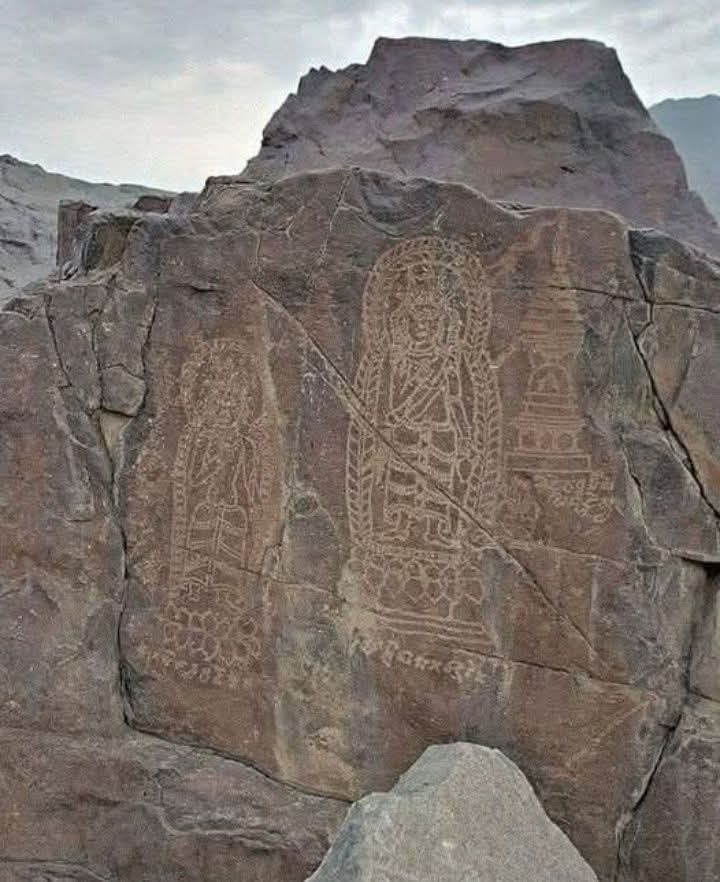
Ancient Thalpan Petroglyphs, which are rock carvings located near Chilas in Gilgit-Baltistan, Pakistan 🇵🇰
These carvings are found along the historic Silk Road route, which was used by merchant caravans, military expeditions and explorers. The petroglyphs date from the 9th millennium BC, to the 16th Century CE, showcasing a vast span of history and cultural exchange.
The rock art includes depictions of deities, stupas (Buddhist shrines), animals, and human figures. The site is a significant cultural heritage location, reflecting the spread of religions and ideas over thousands of years.
#archaeohistories
@GemsOfINDOLOGY Power and plunder both has always been part of same coin and will always be.. it may be wrapped in different flags, ideologies, narratives and idioms, end result is always systematic plunder..
A 14th century Kerala mathematician and genius; his works left behind as Sanskrit literature; and a Malayalam teacher's 25 year quest to find his lost magnum opus. Episode 4 of the SAGA series with @Arpo_IN on Sangamagrama Madhava, ft @LittyChacko2
https://t.co/vB3aMZYNF5