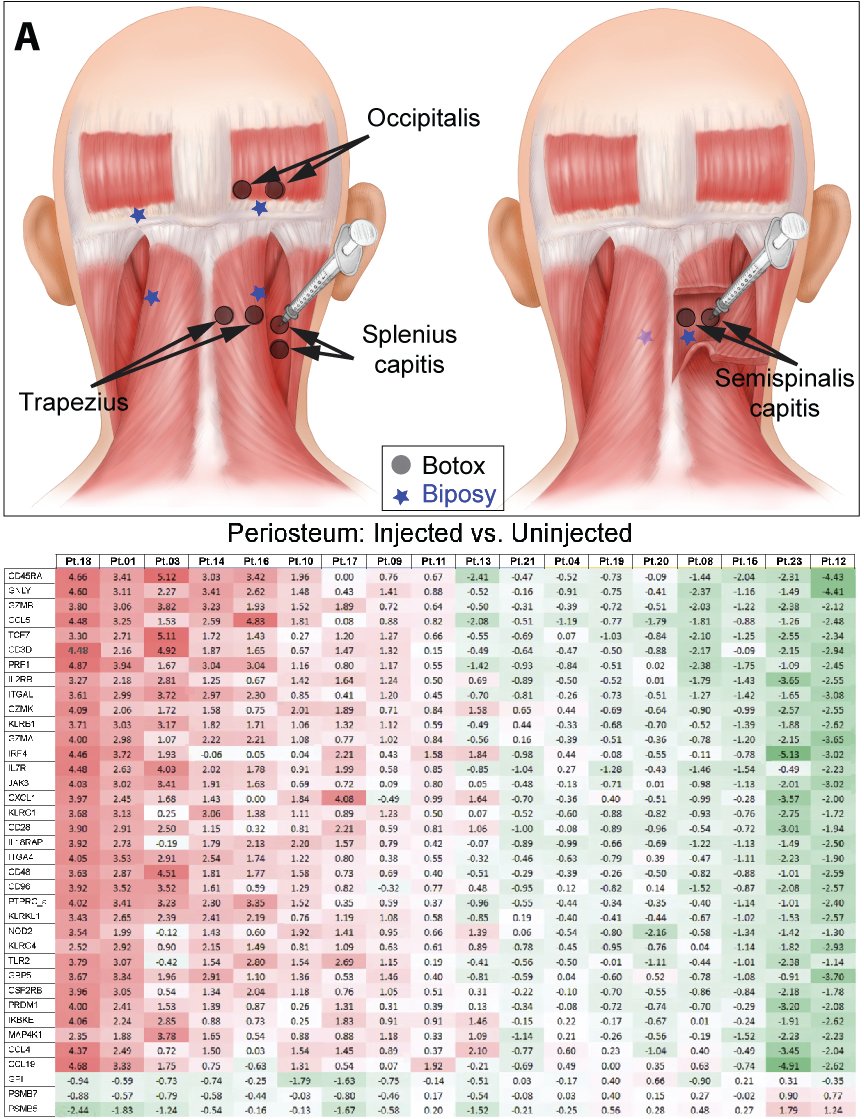
Predicting response to anti-CGRP mABs.
This study found that older age, fewer prior treatment failures and no past history of immuno-rheumatologic disease may be associated with a better response to aforementioned therapy.
https://t.co/jRdWN7ByDJ
#migraine#headache
Even a mild decrease in #migraine frequency by CGRP monoclonal antibody, #galcanezumab, is sufficient to partially reverse the excitability and responsivity of #neurons involved in generation of certain #triggers and potentially #premonitory symptoms 👉 https://t.co/wp6jDveVbq
A CGRP monoclonal antibody, #galcanezumab, reduced incidence of #headache after occurrence of common premonitory symptoms and triggers in those patients in which it reduced migraine frequency by>30,>50 and>70%, but not by<30% @NeuroPsychBMC#migraine 👇
https://t.co/TTBJMAhRMy
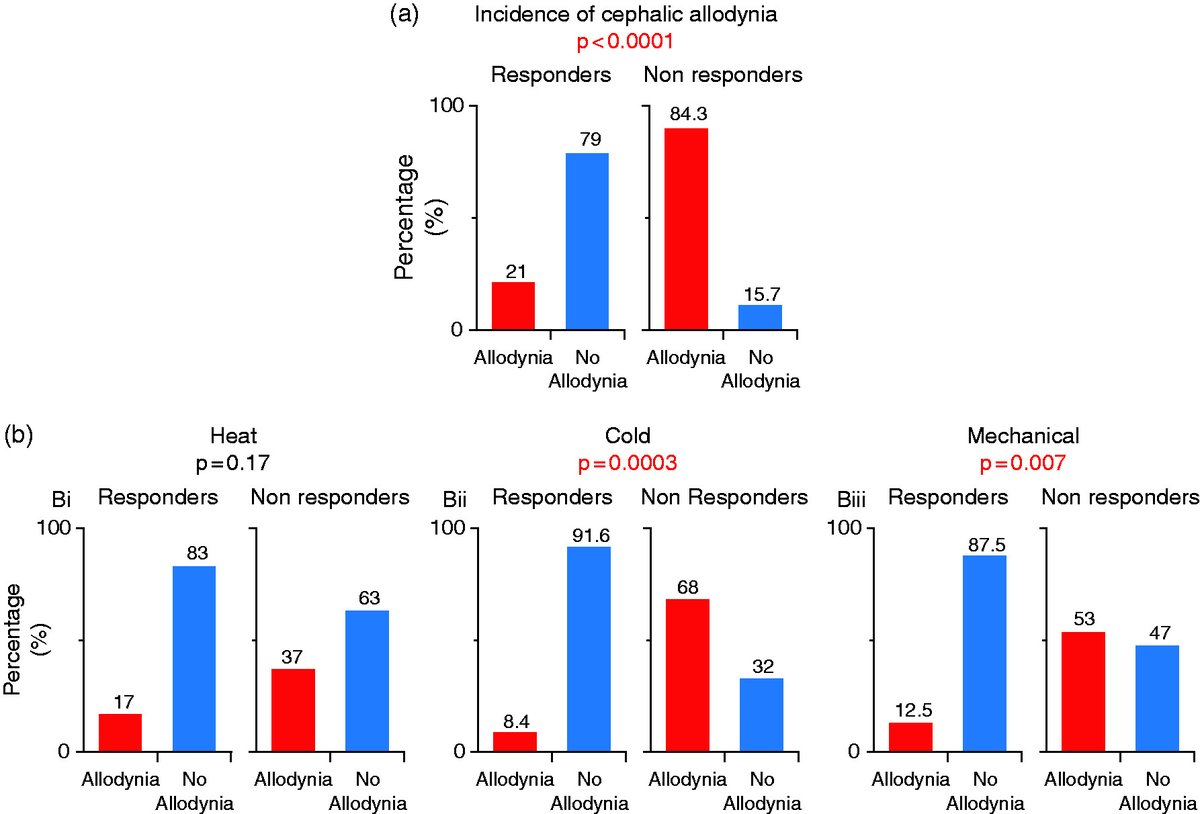
"Non-ictal cephalic allodynia can be used to predict galcanezumab responders with nearly 80% accuracy and galcanezumab non-responders with nearly 85% accuracy". Find out more at: https://t.co/2NPSO8EiX4
#migraine#headache#ichd3matters
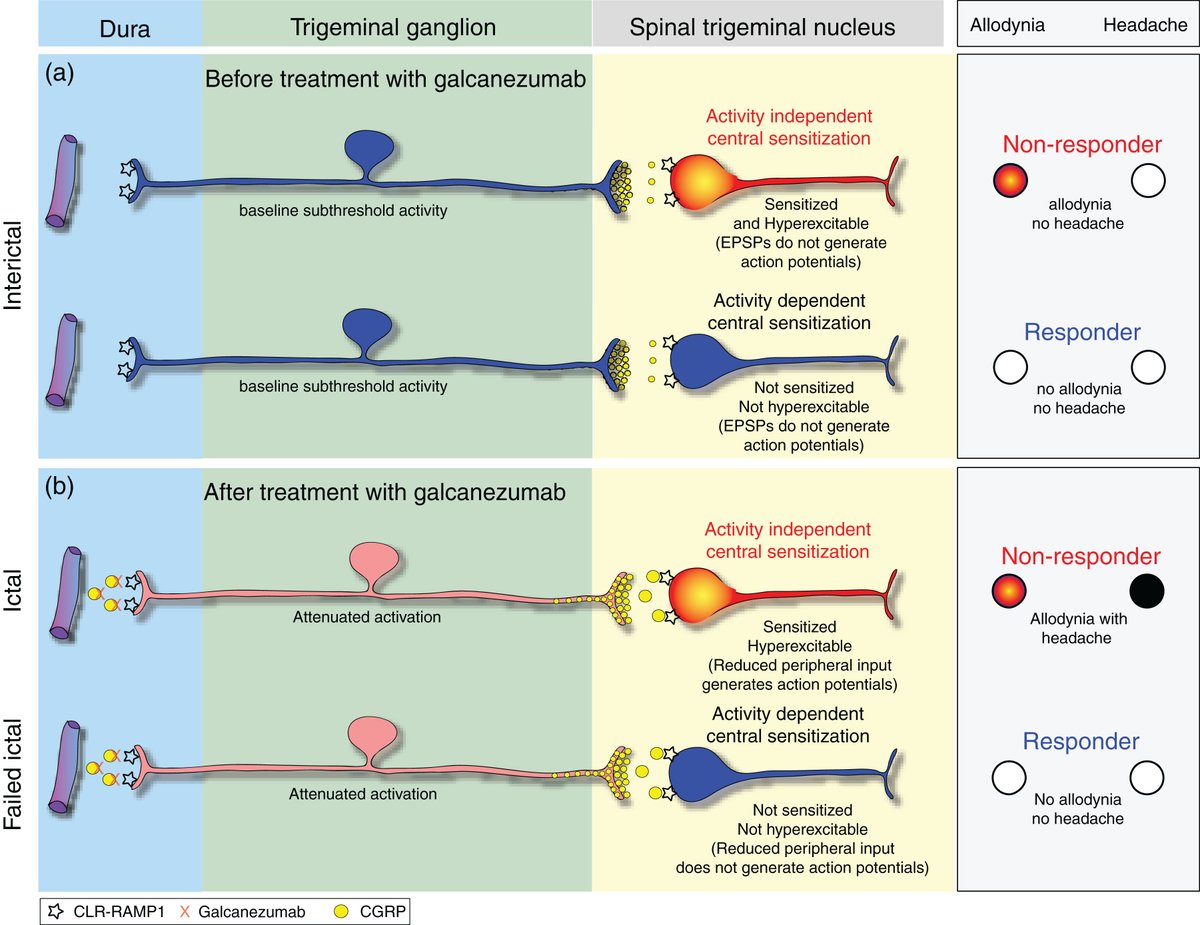
Proposed explanation for why and how non-ictal #allodynia interferes with ability of CGRP monoclonal antibody, #galcanezumab, to prevent initiation of next headache. This may have clinical implications. #migraine#CGRP@JCephalalgia In our latest study👉https://t.co/YRhT5daXVb
Headache diary is an important tool that can assist the #diagnosis of medication overuse #headache, help to monitor frequency of headache and track the medication use #migraine#diagnostic
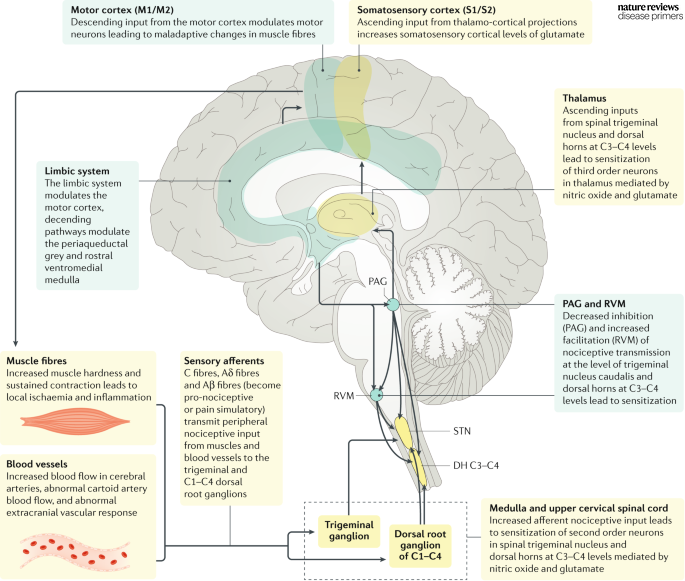
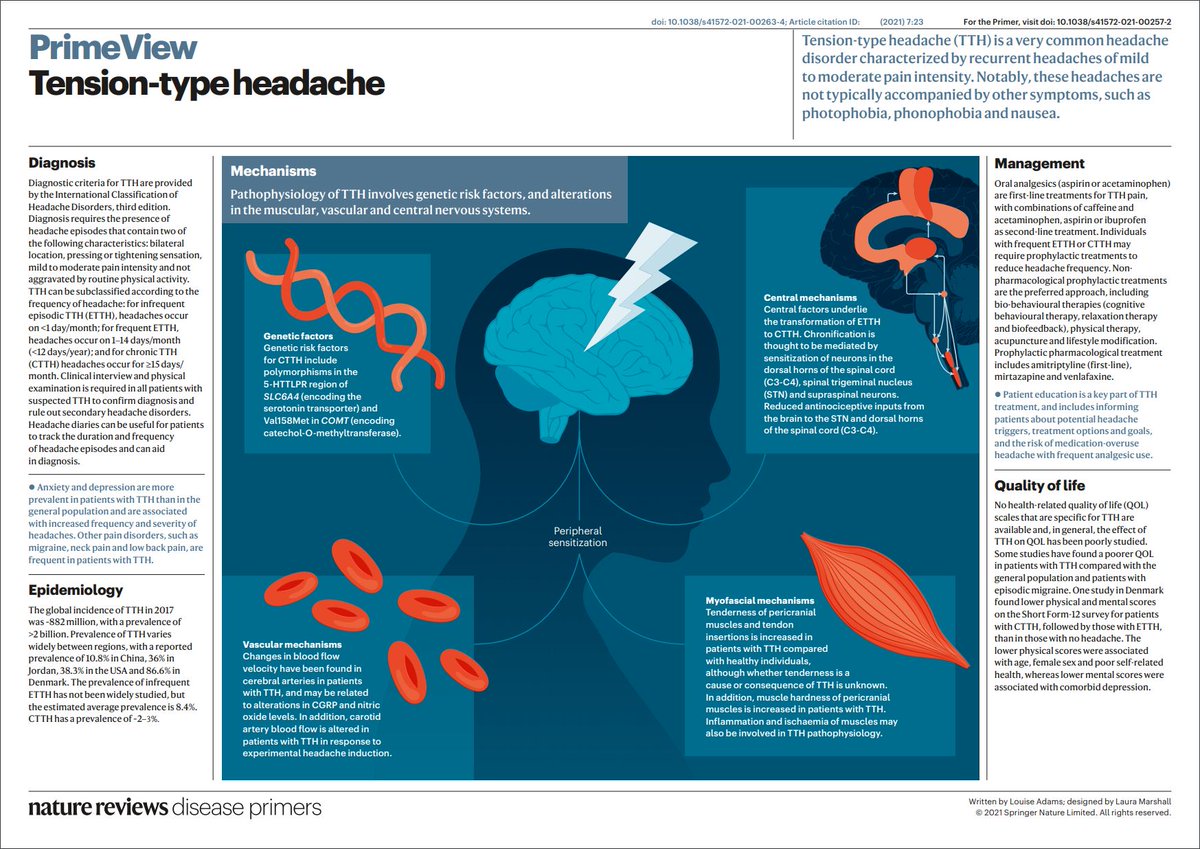
Chronification of tension-type #headache involves sensitization of #spinal and supraspinal #neurons, and decreased antinociceptive activity from the brain https://t.co/rhNJXPBYYN