La justicia política no se debe reducir en distribuir bienes, su alcance tendría que modificar las estructuras y procesos de toma de decisión... Pronto el segundo ciclo de conversatorios.
Toda restricción del sufragio que no derive de sentencia firme contradice el principio de inclusión.
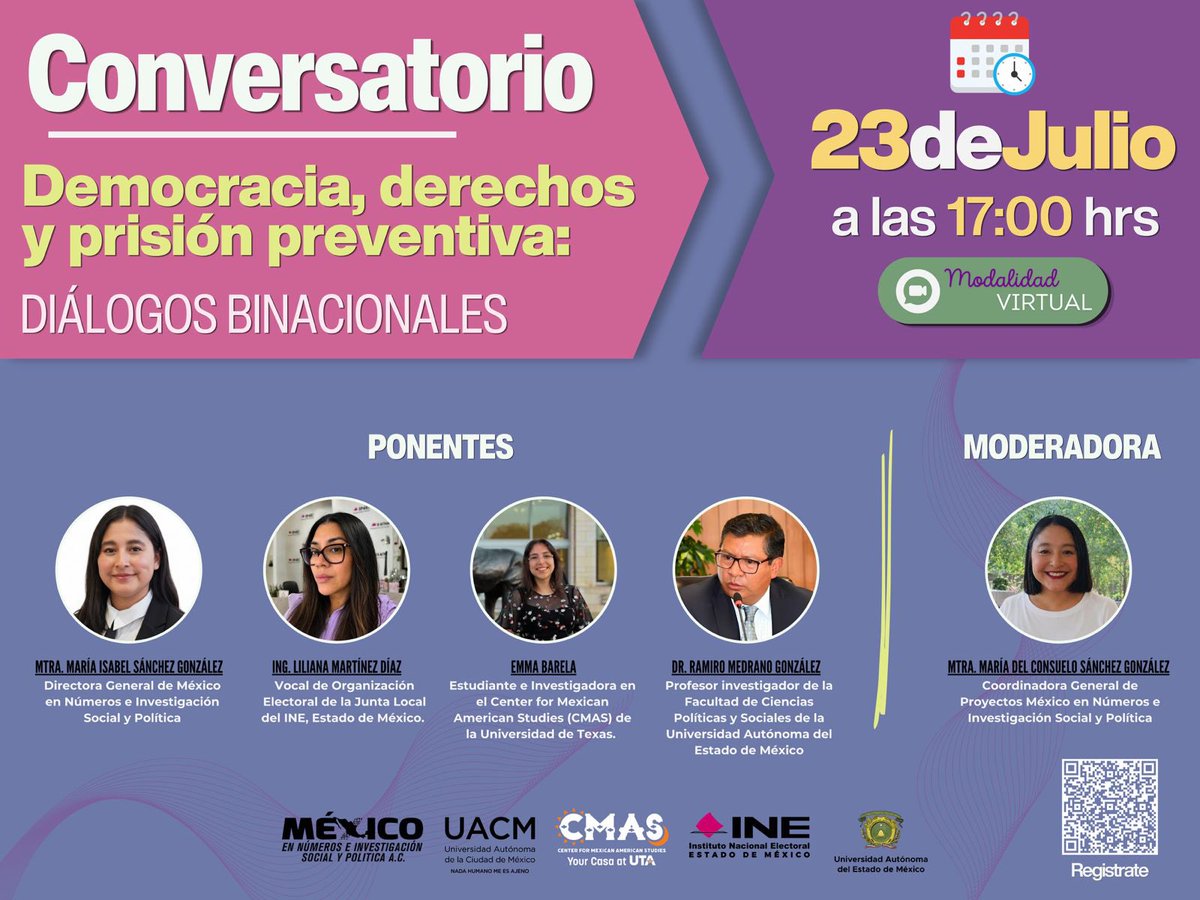
Gracias por la invitación @MexicoNumeros, @INEedomex, @uacdmx, @cmas_uta
Argentina’s behavioral crisis in the World Cup final has brought to light traits many of us in Latin America have internalized and that we need to come to terms with.
In many countries, emotional self-control and the ability to admit mistakes are seen as virtues. A behavioral problem in parts of Latin America is that there are social circles where the opposite is often celebrated.
This is the idea that someone who remains in control of their emotions is a coward or, depending on the situation, a traitor.
If someone offends you, your family, your team, the reaction that is celebrated in these circles is not restraint but flipping the table. The more berserk you go, the more you show that you care. That is a harmful value to hold, and also, one that many of us once shared. I certainly had it internalized when I left Chile 20+ years ago. In fact, I’ve spent much of my adult life trying to unlearn what I grew up believing was the socially acceptable behavior.
The second trait is an unwillingness to admit mistakes. You can always find an excuse, move the goalposts, or, once again, start a fight instead of publicly accepting that you’ve made a mistake. Admitting fault is a sign of weakness. Defending a losing position is a symbol of courage or, in sports, a test of loyalty.
Together, these two traits are behavioral dynamite. People explode because they cannot admit fault, and double down. Instead of learning from their mistakes, they become prisoners of them.
I grew up watching football with my father. When I was 10 or so, I was learning what was right and wrong from the way he interpreted the game. This included behavior both on and off the field. Only later in life did I realize that every penalty he called for, or contested, had little to do with the play itself. Whether a call was fair depended entirely on which team benefited. He was happy if his team received a nonexistent penalty or an opposing player got an undeserved red card.
These traits are among the things that pushed me away from the continent. They are certainly not exclusive to Latin America or the Southern Cone. I’ve encountered them in people all over the world. In an important sense, these are behaviors that all of us exhibit as children. What strikes me as unusual from the place I am from is having been part of social circles where these behaviors were not seen as flaws of character but as virtues to be admired, celebrated, and enforced.
These excessive forms of pride are not conducive to learning. They make it psychologically difficult to update one’s beliefs, accept responsibility, or improve. Although they become particularly visible in sports, they are by no means confined to them.
Something I am proud to have learned is to apologize quickly and often. Not because it is too difficult, but because it was like learning a new language at old age. That doesn’t mean becoming a pushover. But I’ve learned that a man who never apologizes cannot be a man of integrity, because we all make mistakes.
Argentina’s behavior on and off the field during the World Cup final was, to me, a particularly blatant expression of values that many people continue to defend. In some circles, these attitudes have become intertwined with ideas of national identity and loyalty. Yet they are shackles that ultimately limit our development, not because they make us lose a football match, but because they make it harder for us to learn from our mistakes.
The right thing to do now is the least likely: offer an honest apology. If my interpretation is even partially correct, we are more likely to see the opposite. Never back down. Never apologize. Never control your emotions. There is such a thing as having the wrong values. I hope that one day we can do better.
(1/2)
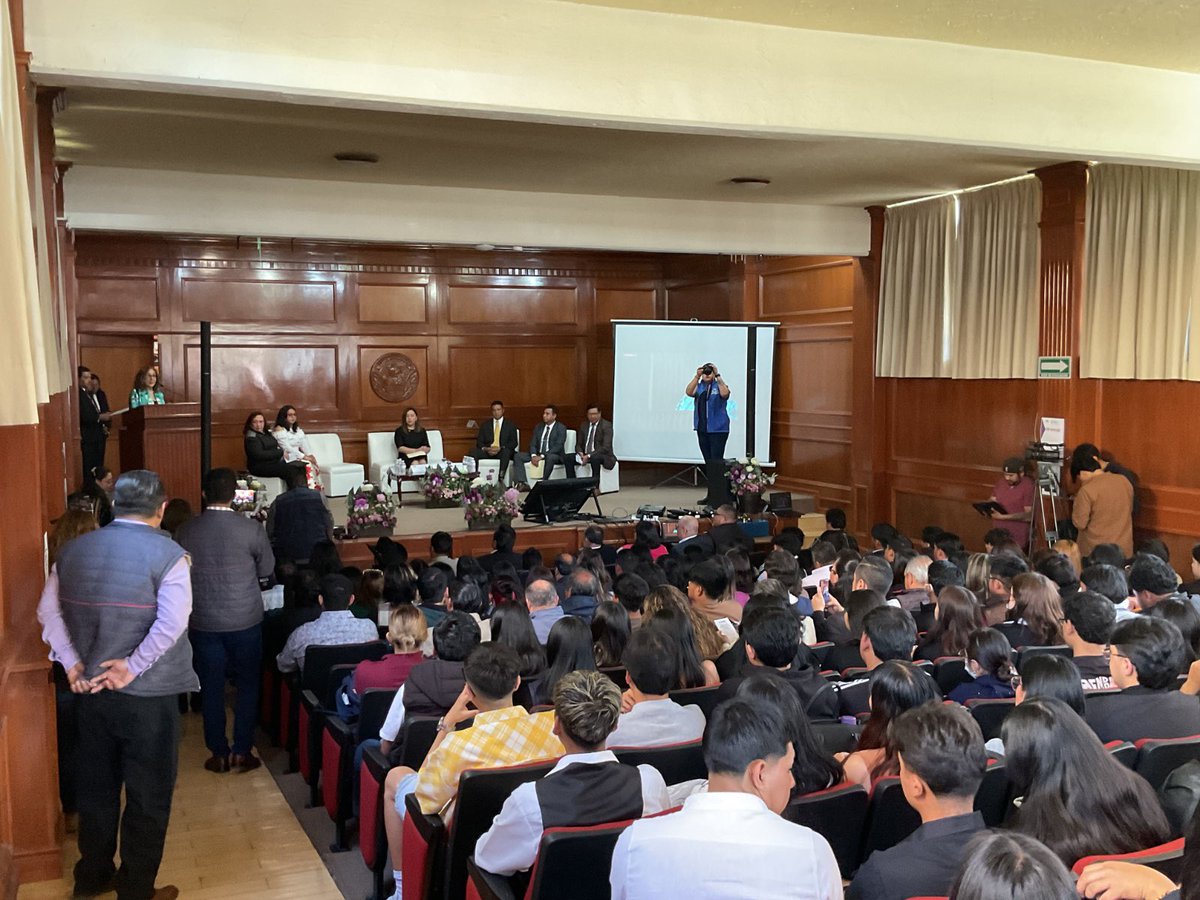
📸🏛️ Liliana Martínez Díaz, Vocal de Organización Electoral de la Junta Local Ejecutiva del @INEedomex participó en el panel de análisis “El Voto en prisión preventiva. Expectativas sociales, respuestas institucionales”, organizado por la Facultad de CPyS de la UAEMéx.
Fortalece tu formación con los programas de apoyo institucional de #tuaeméx.
Consulta requisitos y fechas en: https://t.co/FWkKsErLtx
Conoce más en la Secretaría de Vinculación, Extensión y Promoción de la Empleabilidad
Un mecanismo relevante para reducir el impacto de la desinformación electoral es el Sistema de Consulta de la Estadística de las Elecciones @INEMexico
Excelente organización de las Juntas Distritales 01, 03 y 09, @INEedomex
La Universidad Ixtlahuaca, CUI, gran anfitriona.
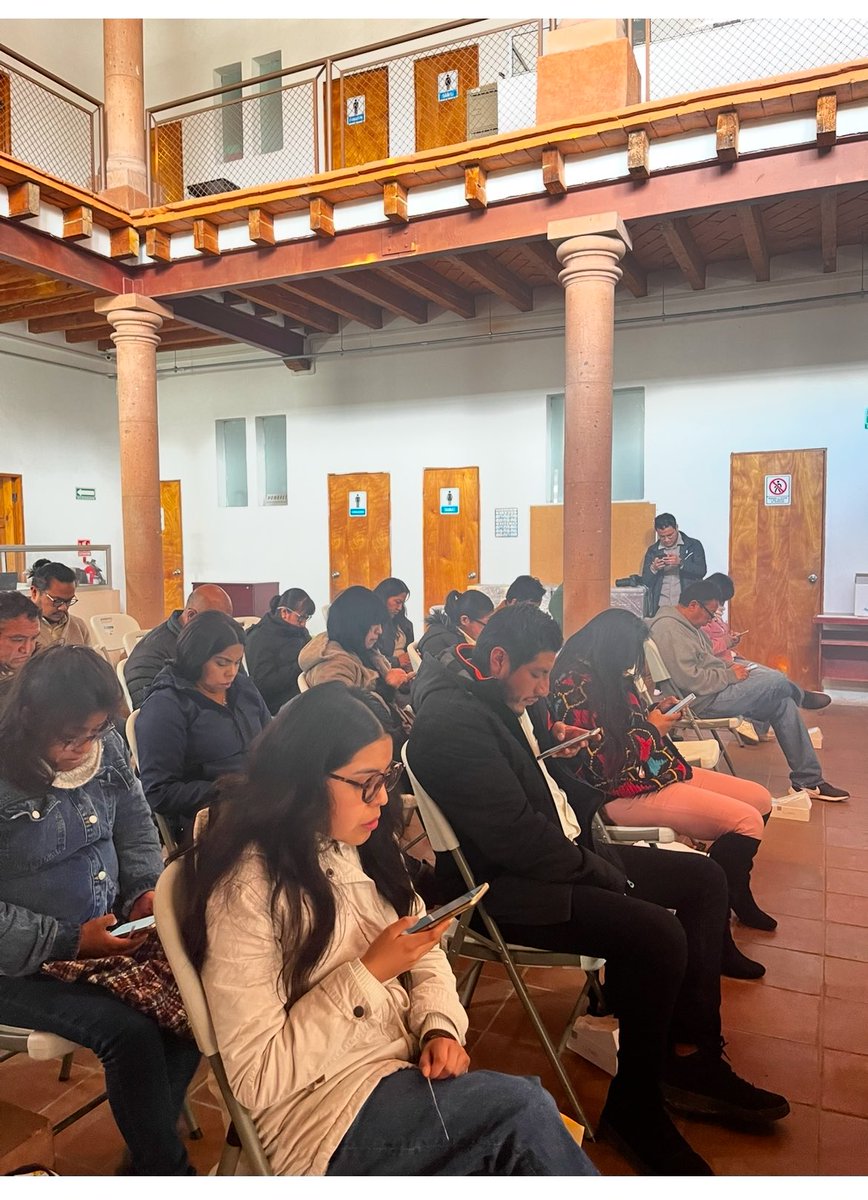
El @INEedomex, a través de las Juntas Distritales Ejecutivas 01, 03 y 09, te invita a la presentación del Sistema de Consulta de la Estadística de las Elecciones (SICEE).
🗓 18 de febrero | ⏰ 11:00 h
📍 Universidad de Ixtlahuaca CUI
🔗 https://t.co/0lFQ3hwglb�
El Sistema de Consulta de la Estadística de las Elecciones, @INE, @INEedomex, y el Sistema de Geografía Electoral, @IEEM, también son componentes para la ciencia abierta.
La información financiada con fondos públicos debe difundirse como bien público (@UAEM_MX PRDI, 2025-2029).
La desconfianza en las instituciones, el déficit participativo, la desinformación, entre otros, motivan repensar la arquitectura democrática.
Y en el campo de las universidades, nos recuerda repensar los diseños y estrategias curriculares. Gracias a los/as colegas de la BUAP.
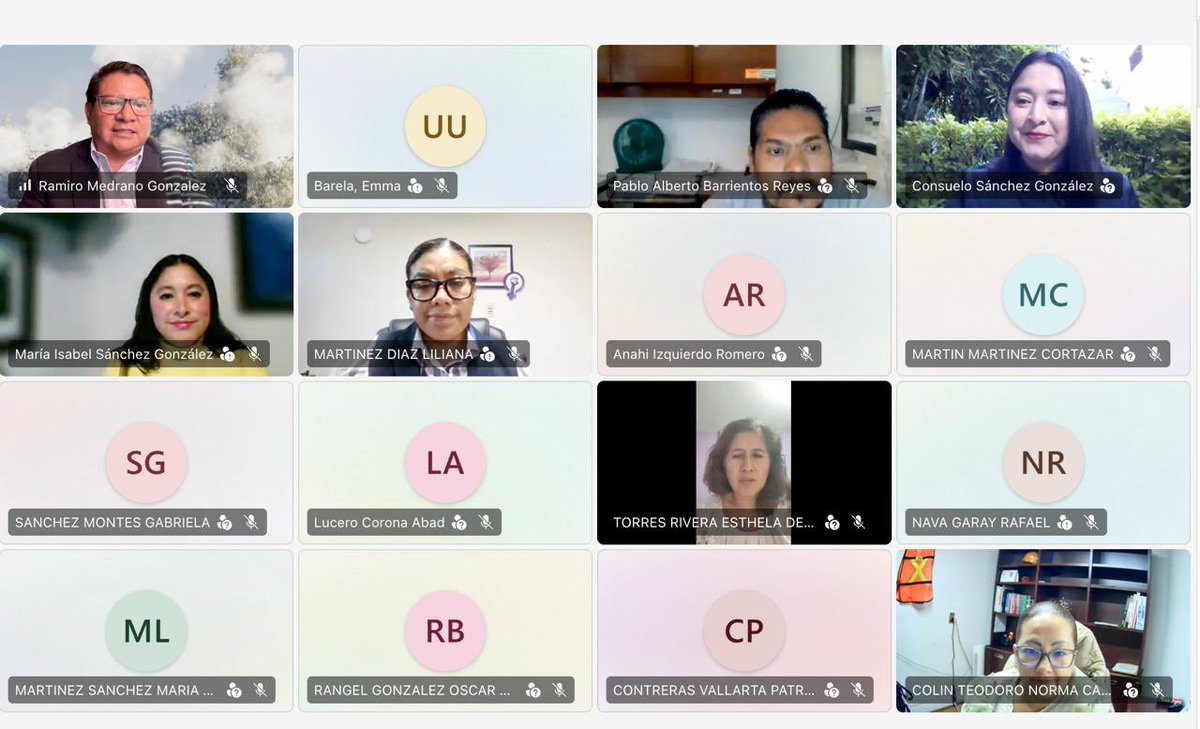
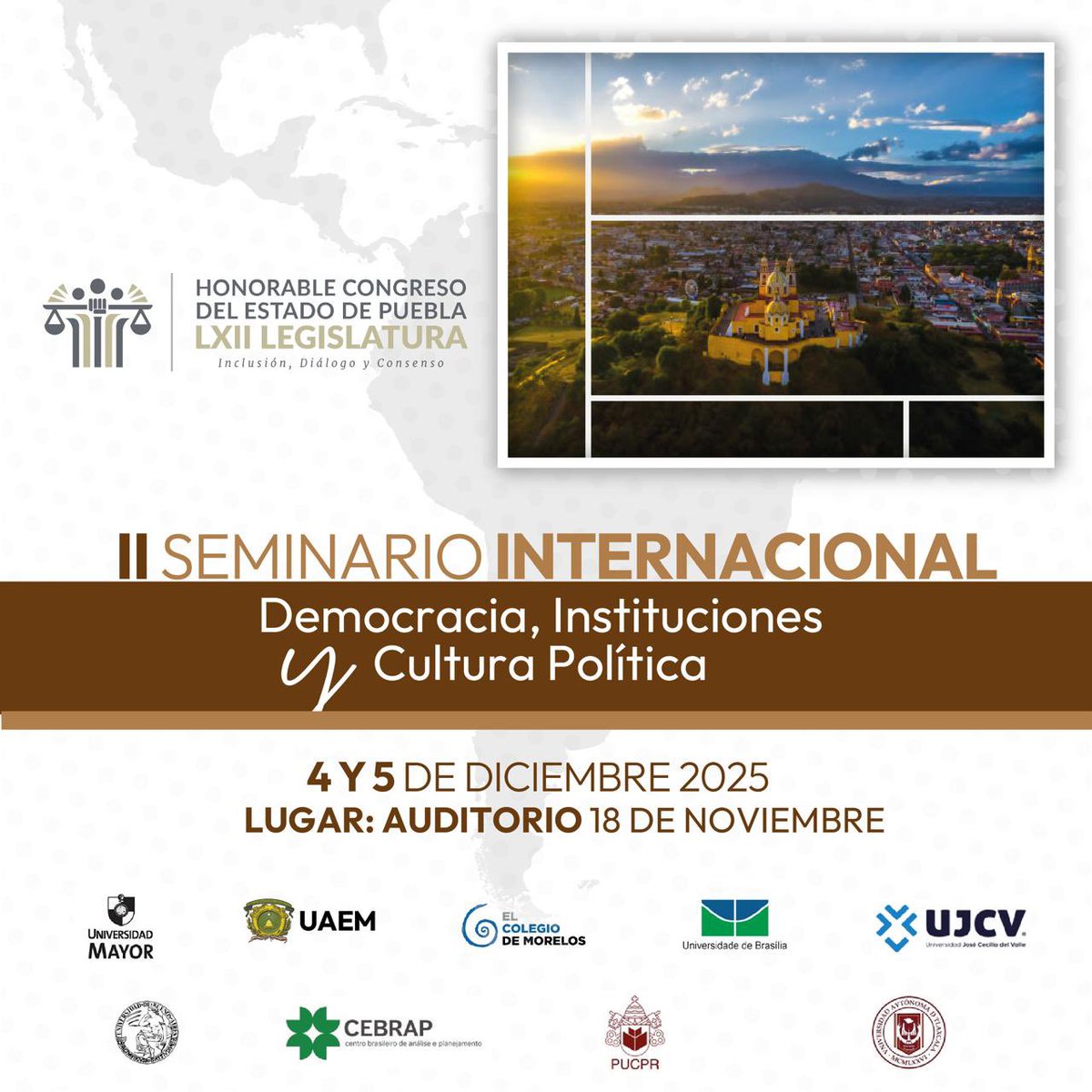
Ramiro Medrano González, investigador de la Universidad Autónoma del Estado de México, señaló que el seminario busca generar propuestas y compartir experiencias que impulsen una ciudadanía más informada y activa con la democracia.
Vía: @AdaMoraless
📰#SicomNoticias
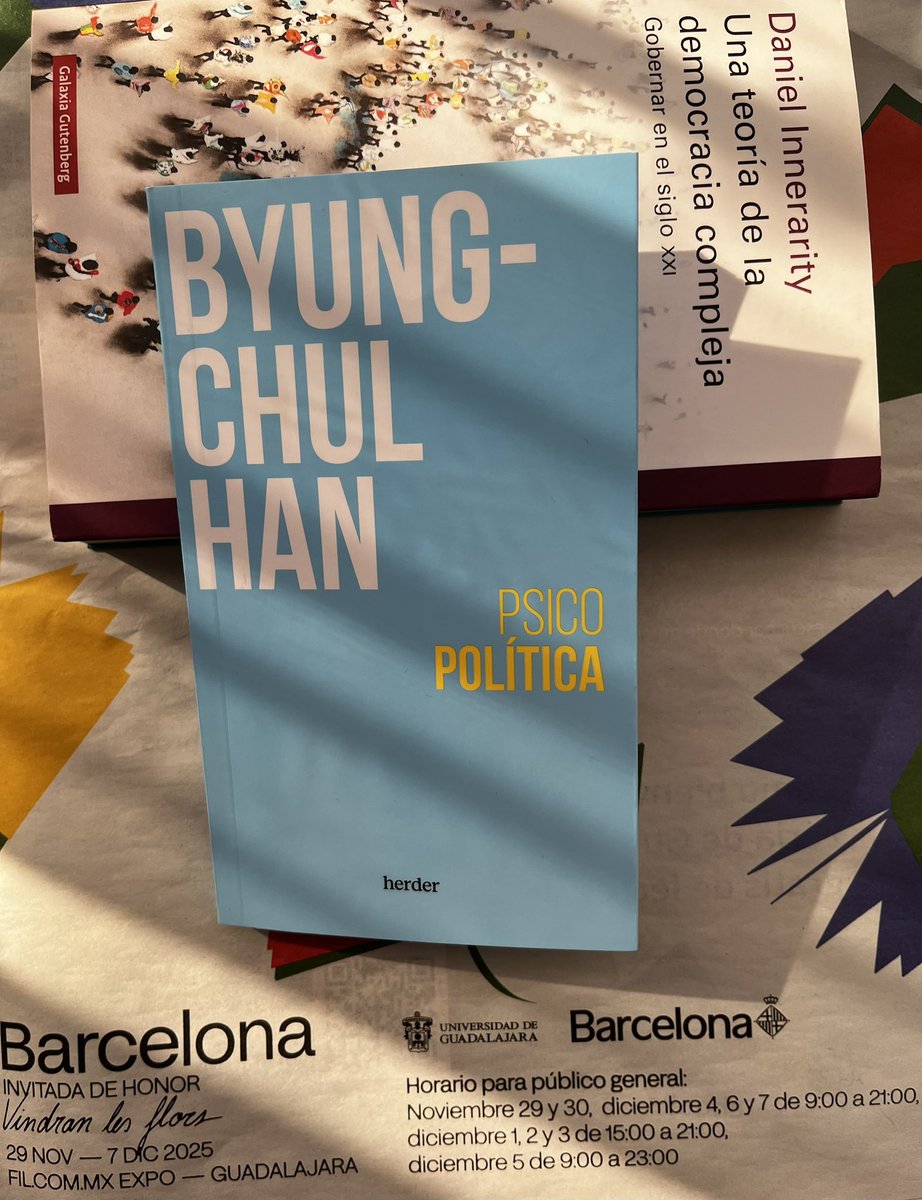
¿Por qué venir a la FIL- GDL si el libro de Byung- Chul Han lo envía Amazon en 24 horas?
Hojear los libros me libera, por ahora, de las cookies y el algoritmo que ya conoce cada crisis intelectual.
Una parte del pesimismo de Chul Han con la extracción de datos que despolitiza
Hace veintitatos años regresé a la FCPyS de la UAEMéx para vivir la docencia.
El aula es un espacio de comunicación; hace posible acoplamiento y desacoplamiento de ideas/preguntas. La investigación favorece esas capacidades.
La asistencia electoral ha conectado concepto y dato
Dialogamos el tránsito de la representación descriptiva a la sustantiva, hay disputas y obstáculos. Hoy en el Encuentro de Instituciones Electorales.
Gracias por la invitación de los
miembros de la V Sala Regional Toluca del TEPJF.
¿Cómo va la organización de la elección de integrantes del PJF? En el INEedomex continúa la preparación.
Hoy sesionaron los Consejos Distritales. Implementarán el voto anticipado, aplica a personas discapacitadas y empadronadas en domicilio +cuidadoras primarias. Aquí el 34 CD.
CONVOCATORIA
Personas Observadoras Electorales Proceso Electoral Extraordinario del Poder Judicial de la Federación 24 – 25.
📅 Recepción de solicitudes del 13 de diciembre 2024 hasta el 7 de mayo 2025.
📅 A partir del 6 de enero podrás registrarte a través del portal público.
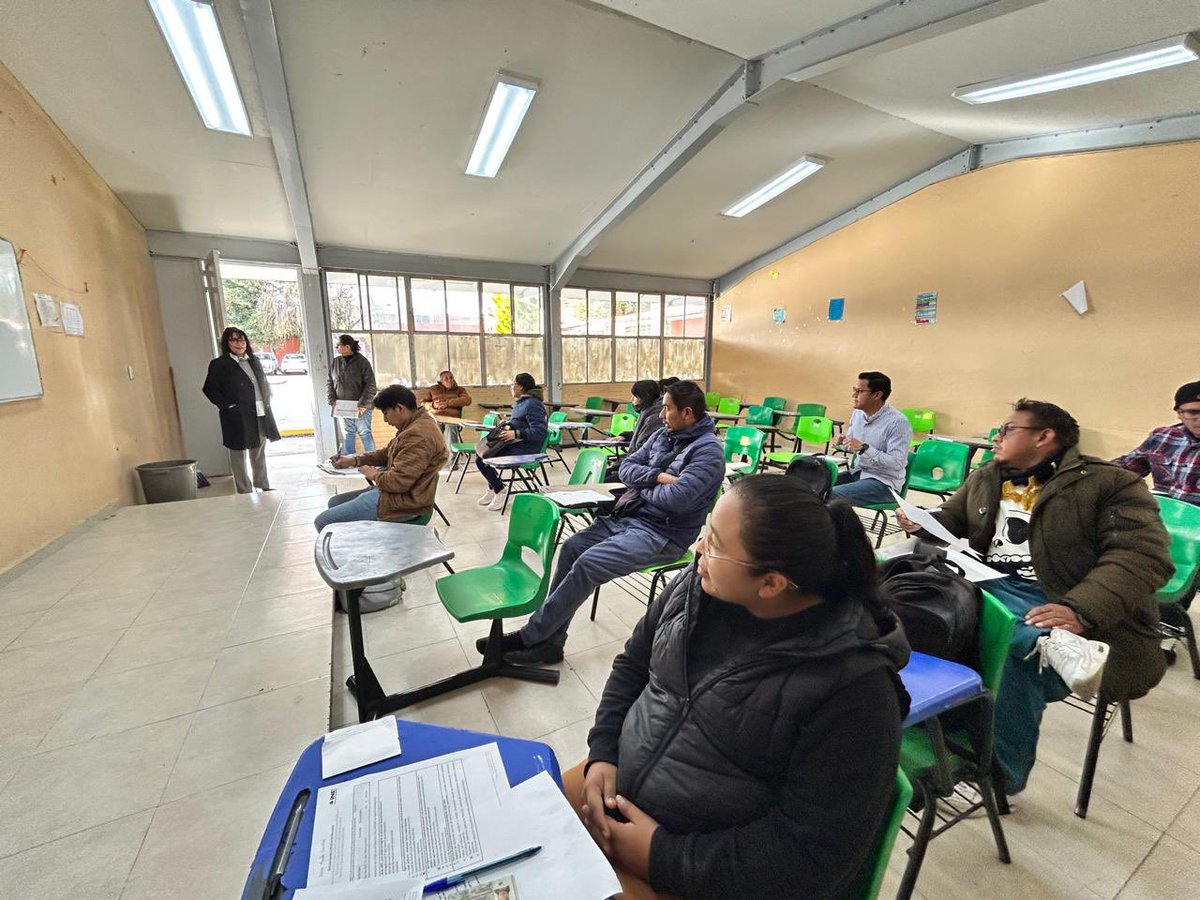
Hoy examen, parte del proceso de reclutamiento de supervisores y capacitadores electorales.
¿Qué lo justifica? Mejora la calidad en la selección de talento, reduce costos asociados a la mala contratación y, cumple normativas y prácticas éticas.
Aquí el 40, 26 y 23 CD @INEedomex
“Incertidumbre” es una categoría citada con frecuencia en el proceso electoral extraordinario, #ReformaPoderJudicial
Hay motivos, pero “capacidades institucionales” también tendría que ser referida.
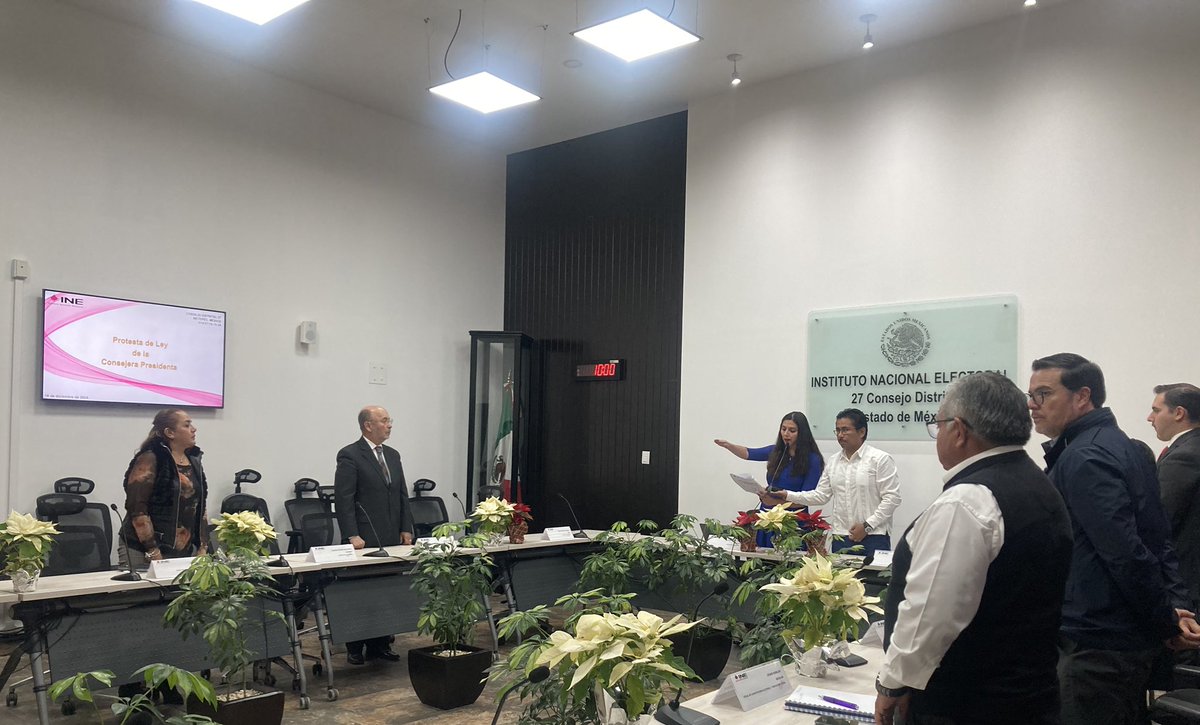
Hoy en la instalación de los Consejos Distritales, 23 y 27, @INEedomex.