8 yrs ago #SoMe4Surgery emerged with no funding, no hierarchy & 1 idea: connect surgeons worldwide. It became more than a #: friendships, collaborations, research & a global community. Tech connects us. People make it matter. Thank you all!
@me4_so@Me4Trauma@SoMe4GS@AmbMe4
Autonomous robotic surgery, surgical video and world models: what the surgeon needs to know about the next computational layer of the operating theatre
#some4surgery#robotics#worldmodels@SurgGPT@me4_so
https://t.co/higkvMUXGF
More than 15 million Americans live in a U.S. county with no general surgeon.
A new national analysis from ACS and the @UNC Cecil G. Sheps Center, published in @acsJACS, maps surgeon supply across 12 surgical specialties and all 3,144 U.S. counties.
Thomas C. Tsai, MD, MPH, FACS, introduces the new ACS Surgical Workforce Mapping Toolthat brings that data to life. Filter by specialty, compare geographic areas, overlay hospitals and ambulatory surgical centers, and download maps for use in reports and presentations.
Explore the ACS Surgical Workforce Mapping Tool and stop by ACS Central in the Exhibit Hall at #ACSCC26 to learn more: https://t.co/XNjNU0hD6V
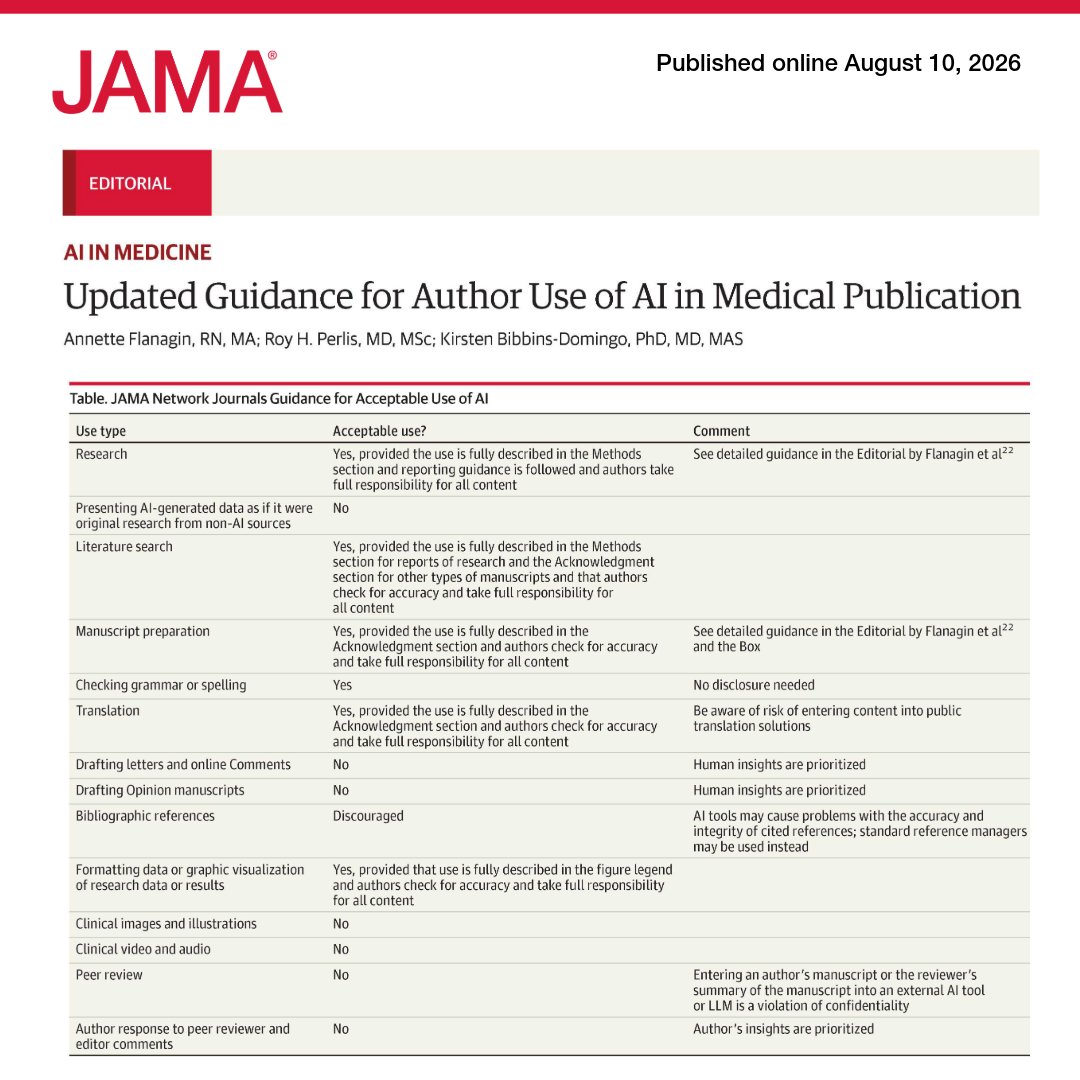
💬 Editorial by JAMA Executive Managing Editor Annette Flanagin, RN, MA, @JAMAplusAI Editor in Chief, Roy Perlis, MD, MSc, JAMA and JAMA Network Editor in Chief Kirsten Bibbins-Domingo, PhD, MD, MAS:
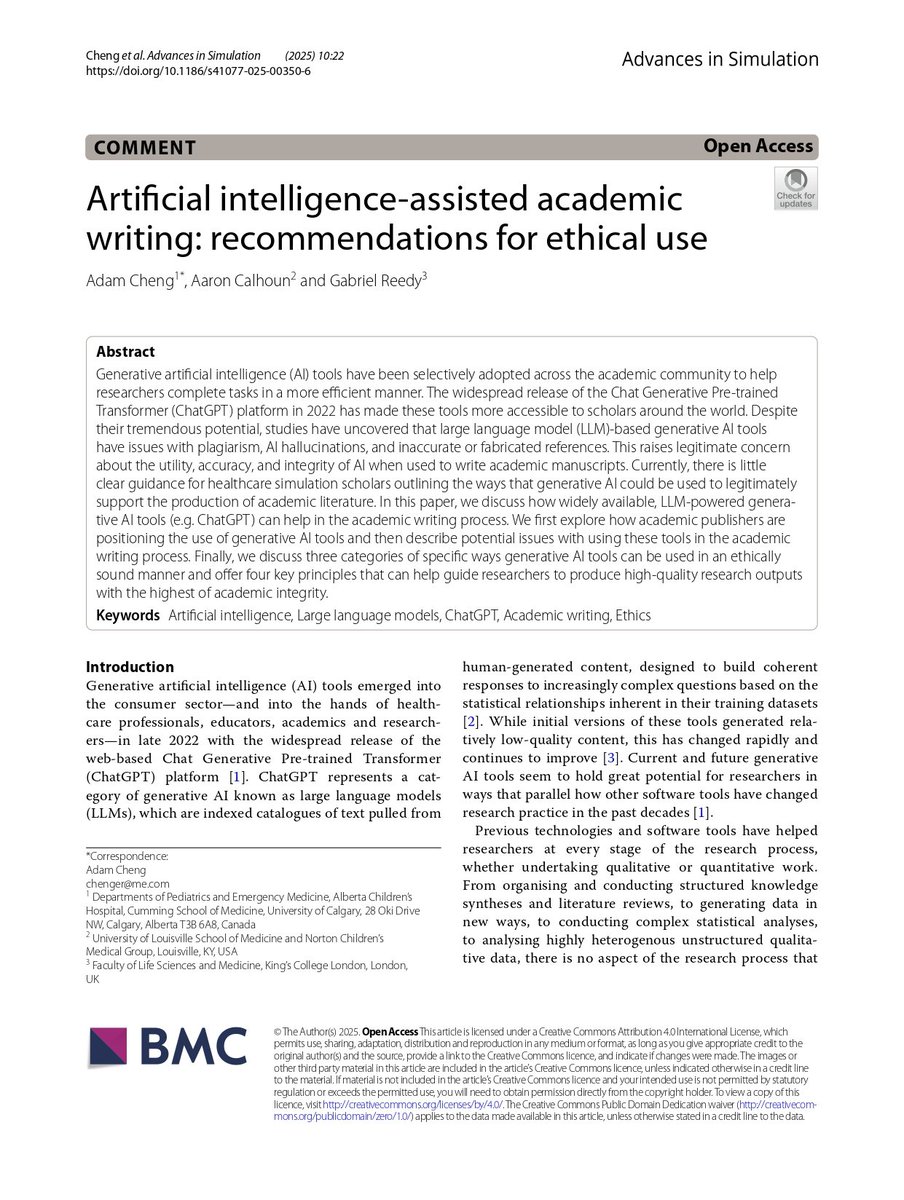
Updated JAMA Network guidance on use of #AI in medical publication permits some uses by authors with disclosure, including manuscript preparation, translation, literature search, and research reporting, while reaffirming that authors are responsible for the accuracy and integrity of all submitted content.
The guidance does not permit use of #AI to draft Opinion manuscripts, Letters to the Editor, or online Comments.
🔗 Read the editorial: https://t.co/czL1M68xE3
The World Society of Emergency Surgery has updated its guidelines for #diagnosis and management of #appendicitis. Watch this video to learn the highlights on #appendectomy timing and use of #antibiotics.
📖 Read the full article for more details: https://t.co/VNelGPjWEm
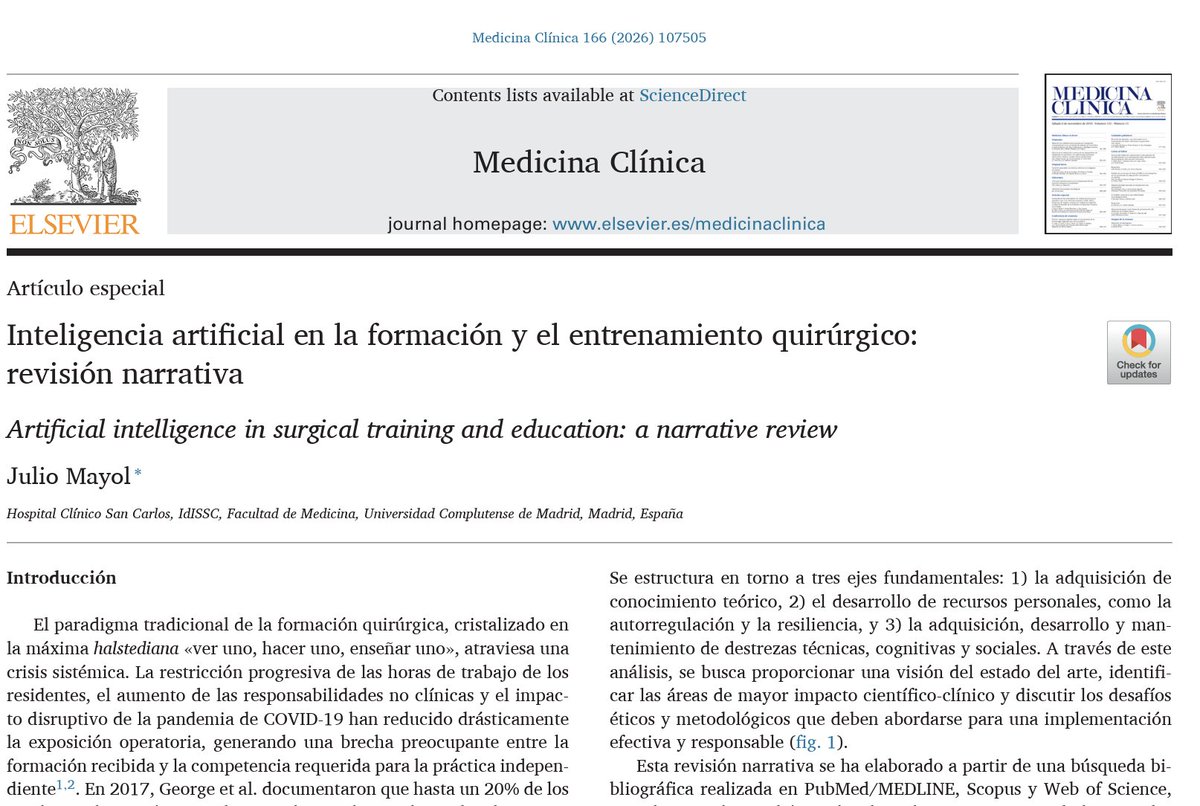
Interested in #AI4SurgicalTraining?
- Artificial intelligence in surgical training and education: a narrative review
- Inteligencia artificial en la formación y el entrenamiento quirúrgico: revisión narrativa
https://t.co/Bngj3yNFSk
@SurgGPT@me4_so@IIS_IdISSC
We've written about AI-induced physician deskilling that has already surfaced
https://t.co/iMy6zyWnhZ @tberzin
AI-induced never-skilling among newly trained doctors, while not yet proven, is a serious concern that needs to be addressed @NatureMedicine@nliulab
https://t.co/yov3YvsGti
Today we all lost our jobs.....
Three Nature papers showing that scientists in the conventional sense are obsolete
At least read the first one.... the AI replaced all things that the scientist does ....
https://t.co/zMsRLaaRDU
This online community brought surgeons & trainees together to grow their skills in evidence‑based practice. Regular sessions, mentoring & shared resources helped learners feel more confident reading research & applying it in real care.
#MedEd@asmeofficial
https://t.co/WAM81jz36T
I read this somewhere: when you are under 15, every new technology feels like part of the natural order. When you are between 15 and 35, it feels like progress. Once you are past 35, it starts to look like the devil’s work, dragging the species toward decline.
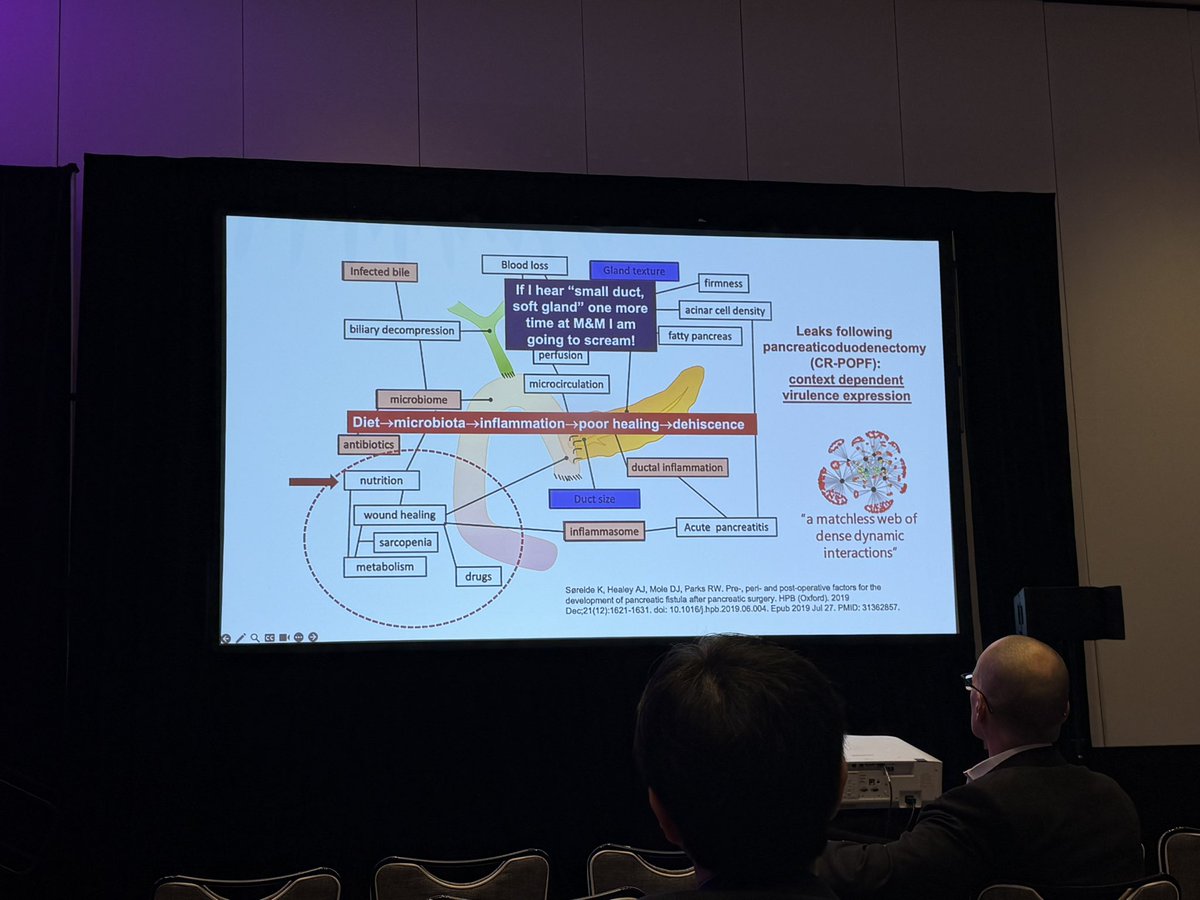
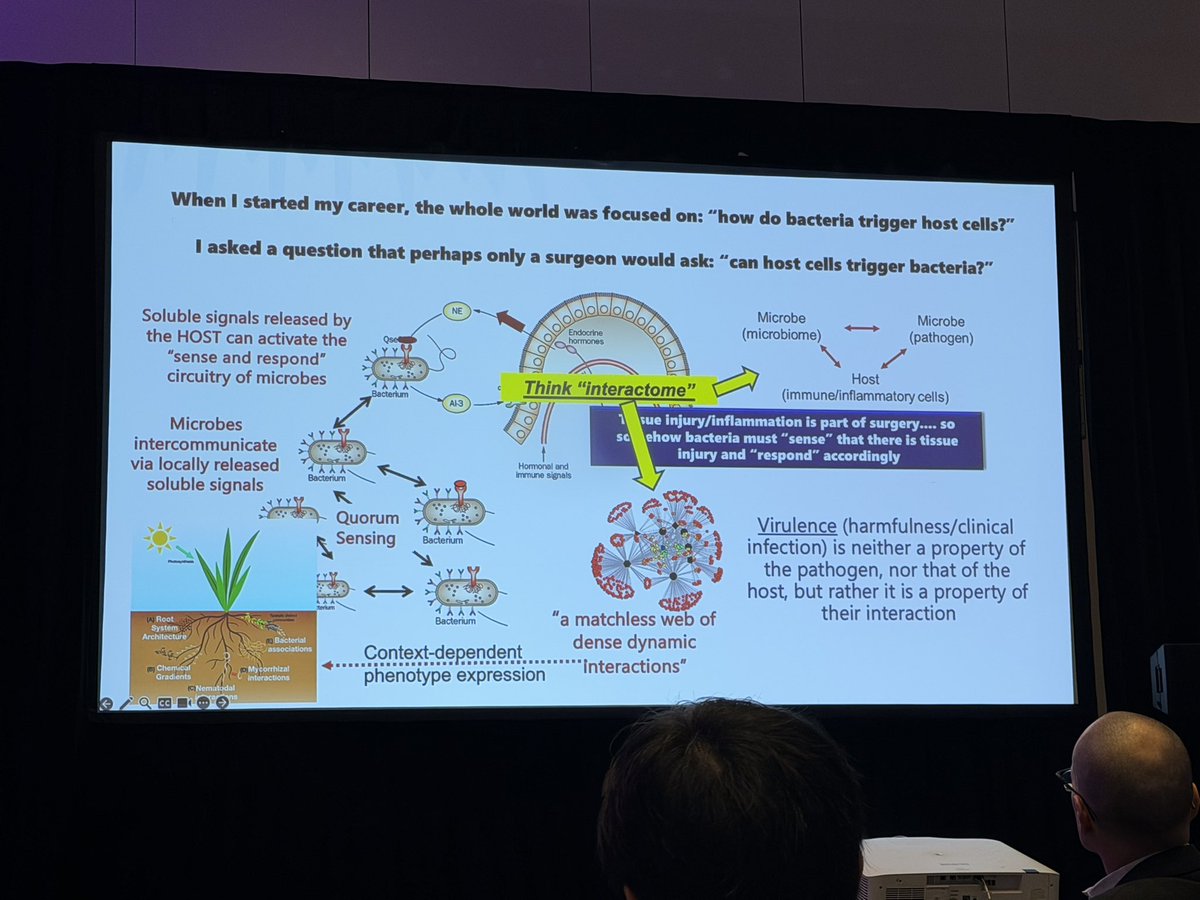
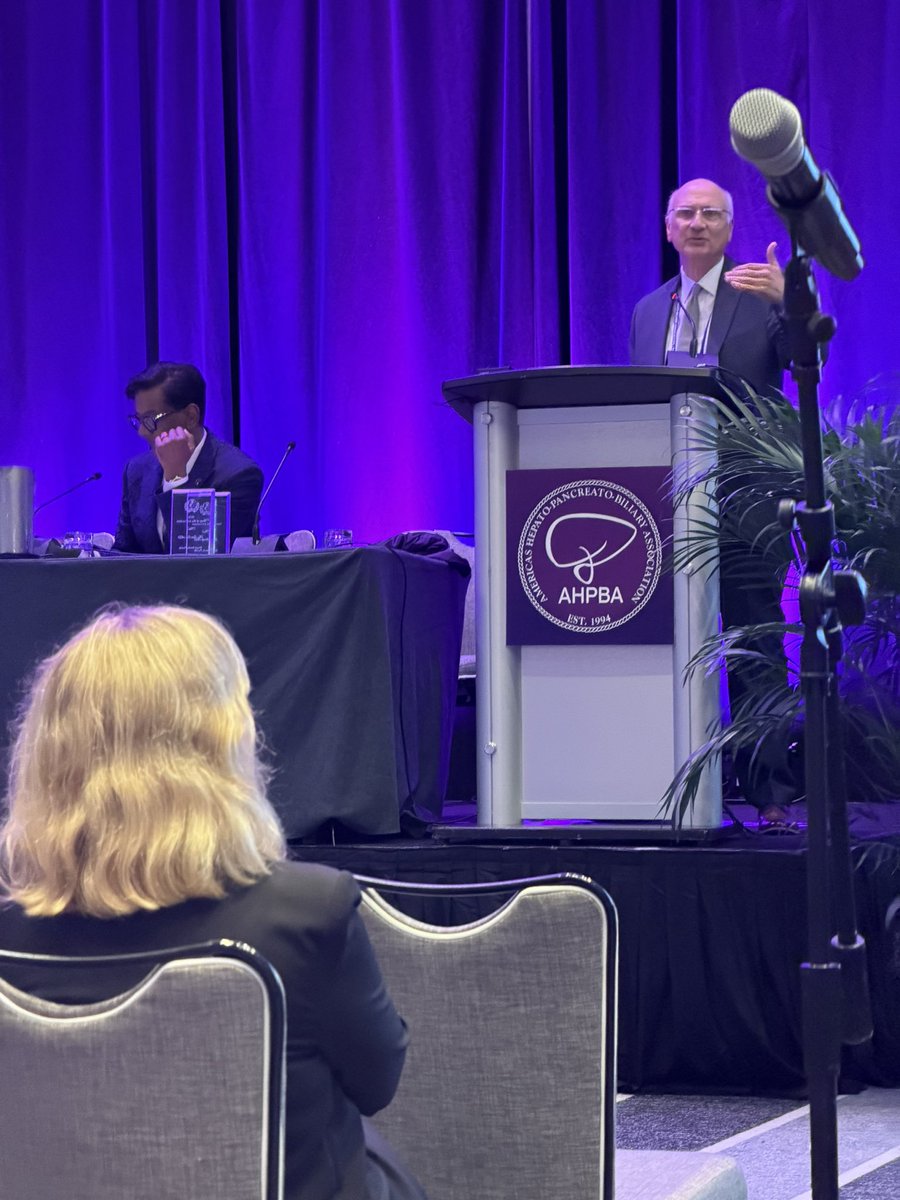
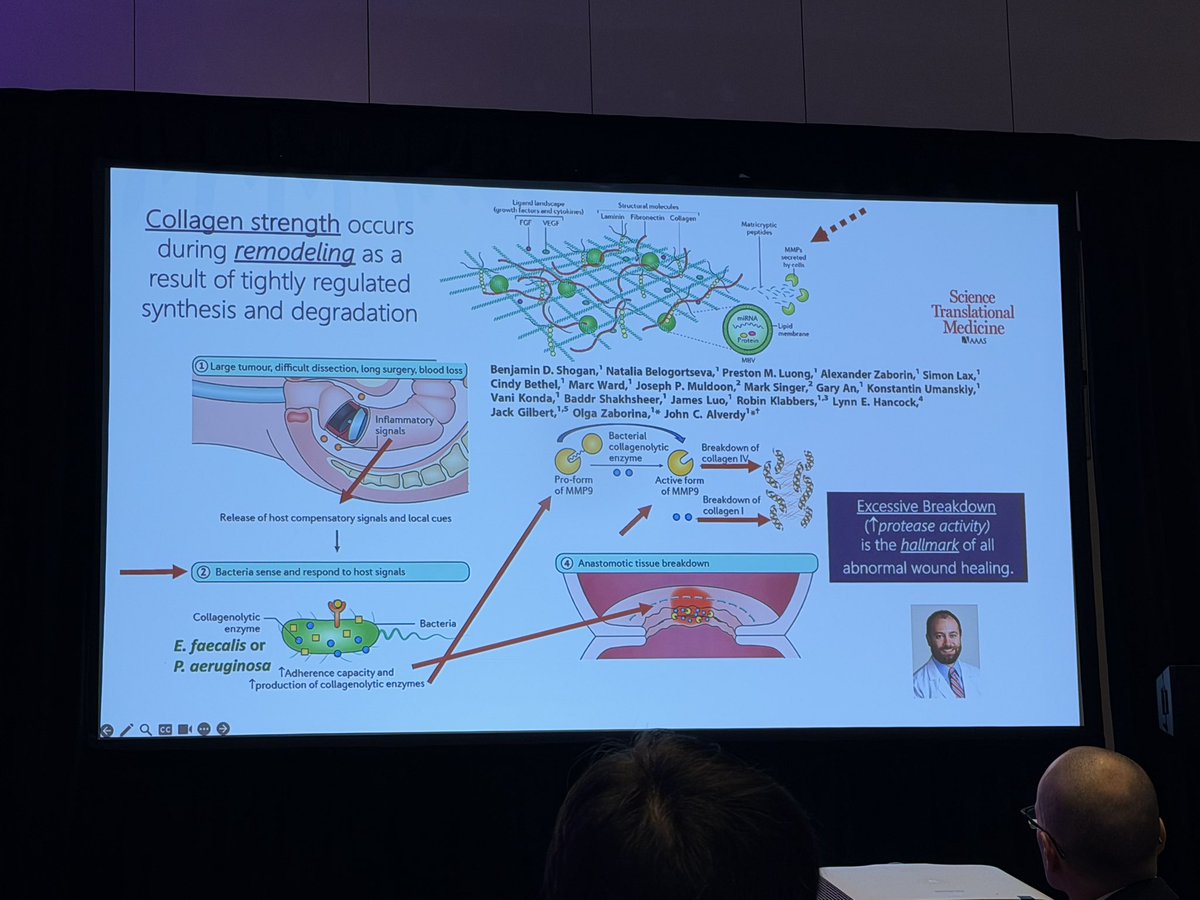
@UChiPritzker lab mentor Dr. John Alverdy
🎤dropping on the etiology of CR-POPF and
introducing the concept of “interactome”
Can cells trigger context-dependent virulence
in commensal bacteria 🦠 to trigger leaks💧?
@AHPBA#AHPBA26@NatPancFdn@PanCAN@Panc_pals@letswinpc
Humanity's unique intelligence comes with unique delusions; we should keep this in mind when facing the rise of artificial intelligence.
Watch the whole thing here: https://t.co/xpCfZRM5d0
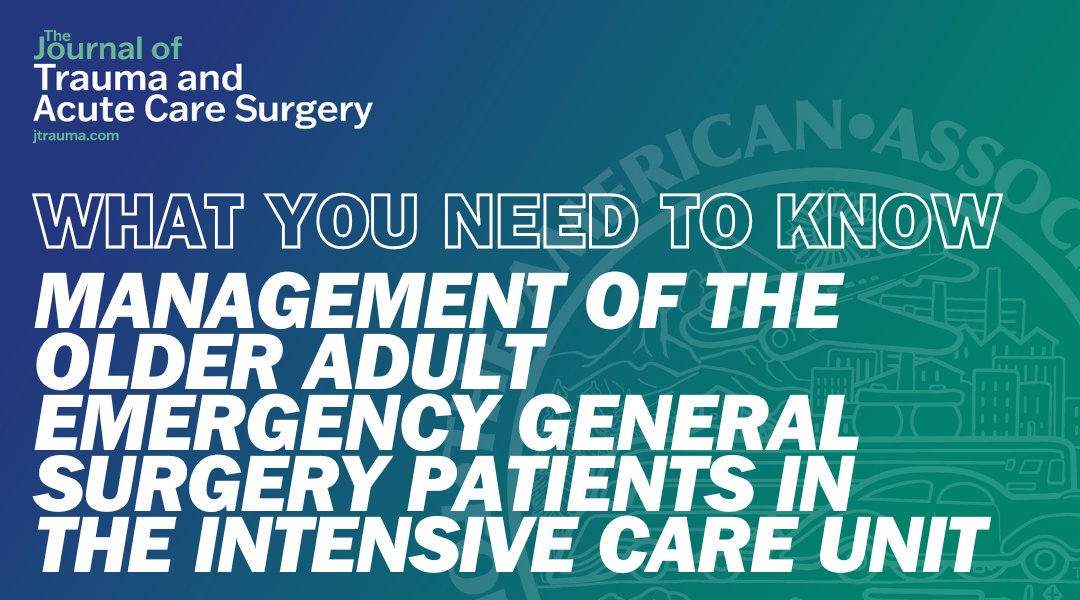
❇️Best of Surgical Critical Care❇️
"Management of older adult emergency general surgery patients in the intensive care unit: What you need to know"
This review emphasizes the clinical implications of aging physiology on organ failure within current surgical intensive care practice, including organ system support, surgical considerations, prognostication, interdisciplinary collaboration, and goals-of-care discussions.
https://t.co/2fOQxiW4Xi
AI's role in medical education is growing! A study found ChatGPT answered 96.6% of surgery shelf exam questions correctly. But, 15.5% of those answers had errors, risking misinformation. Use with caution. #AIinMedicine#MedEd
https://t.co/Ma9WfgDENE