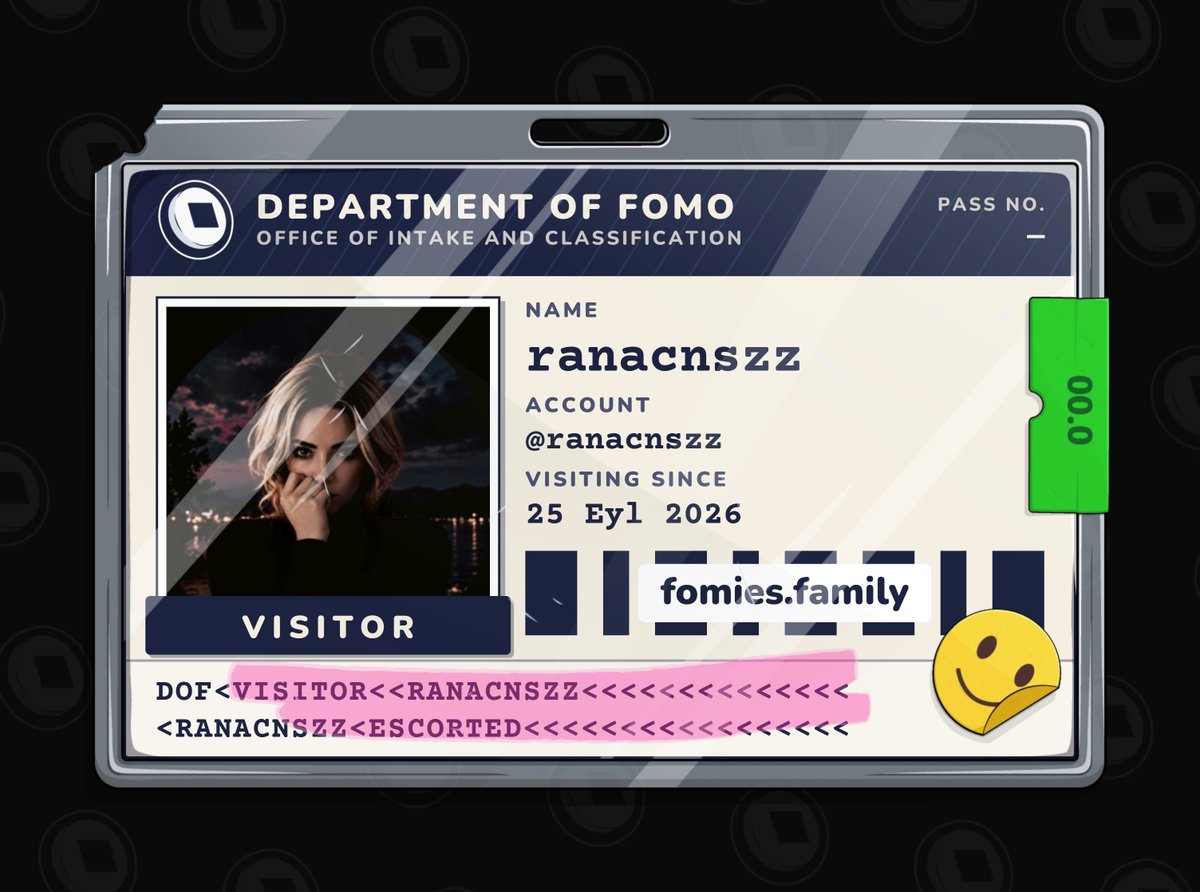
I joined @FomiesNFT and really liked the concept behind the website.
They’ve designed an experience that unfolds through a series of questions, with a different section appearing at each step.
At the end of the process, you get a personal card as part of the experience.
https://t.co/jrmZEB2IO9
Financial institutions’ interest in the onchain economy is moving beyond simply adopting blockchain technology.
The bigger question is how existing financial processes can evolve within an onchain environment.
Stablecoins can support payments and transfers, tokenization can bring real-world assets onchain, privacy solutions can enable more secure institutional transactions, and blockchain-based settlement can create new possibilities across financial markets.
Startale approaches these areas as complementary solutions that can support different stages of an institution’s journey into onchain finance.
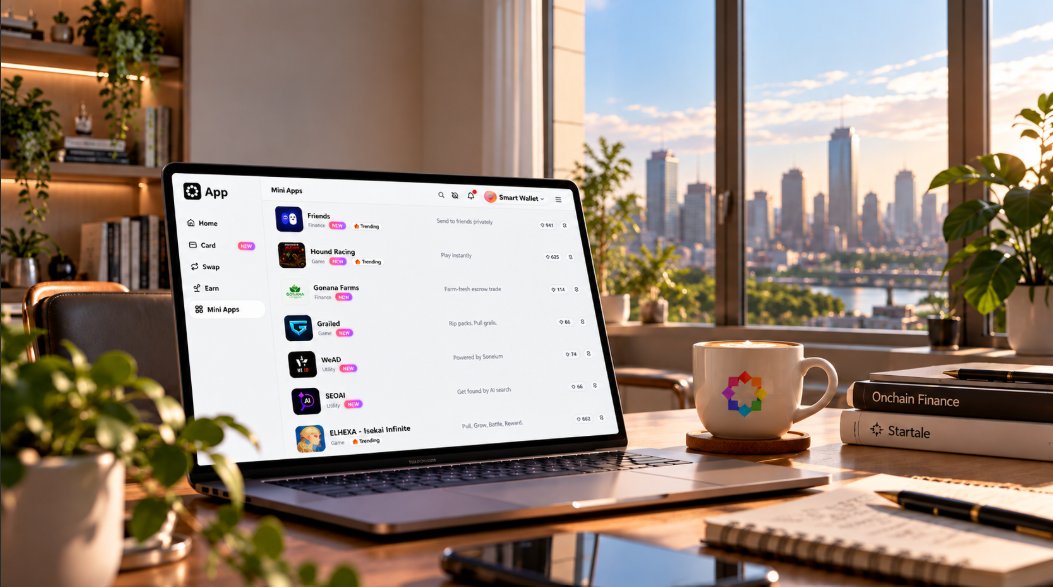
Through Startale OFK, institutions can explore solutions across stablecoins, wallet technology, privacy, developer tools, and settlement within a single framework.
The important part is not simply giving institutions access to a blockchain, but creating a way for existing financial activities to develop within an onchain environment.
As the connection between traditional finance and onchain finance grows, these two worlds can increasingly work together to create new financial experiences.
@StartaleApp@0xRamz@businessj386
I used to think building a physical data network would require dedicated sensors or expensive equipment to be placed everywhere.
With @vangrid_io, no special equipment is needed for this.
The phones people already carry can work as edge nodes. There is no extra device, specialized camera, or hardware setup required.
A contributor records a specific area with their phone, and the short video is then reconstructed into 3D spatial data.
What stands out to me is not just the lower cost.
People in different locations can contribute to the same infrastructure, which could change the scale at which real-world spatial data can be collected.
On one side, you have someone capturing an area with their phone. On the other, you have an organization looking for data from a specific place.
The data moves between them through Vangrid.
Making real-world data collection this accessible is one of the things that caught my attention about Vangrid.