@cutest_animal1 The Sparrow is the lord of the birds. They sit at the highest point of the house and tell all the other birds what is happening. If a large dove or pigeon is eating, the Sparrow flips it's wings and tail in what looks like aggressive behaviour to the doves, they leave.
@Pdonk24@style66133@RDonaldson91@elonmusk I think what they mean is that they keep people in death row cells for decades, hence it may not be cheaper. Now if you speed the process a little it might be, but the court system runs slowly.
@CindybitWindy@ChrisSkinnerSk1@DudespostingWs Exactly. Here comes the next version of Steve Irwin - only he will die from bacterial infection, from what I gather pretty resistant to antibiotics.
@Kekius_Sage To learn to do better from it, and to create something new. It learns from the sum of humanity's past, but creativity is not something AI does well - yet.
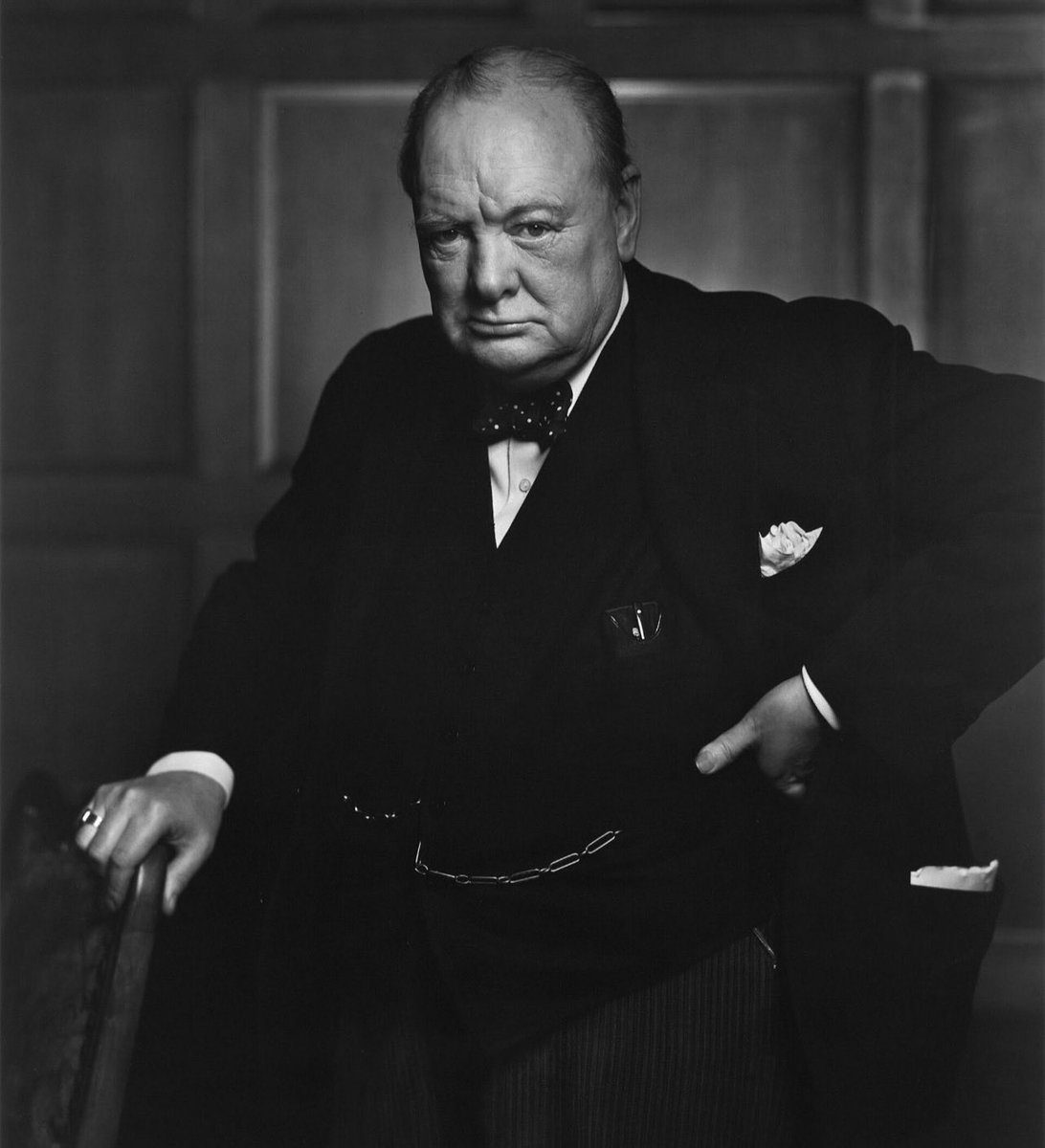
“Never give in. Never give in. Never, never, never, never-in nothing, great or small, large or petty-never give in, except to convictions of honour and good sense. Never yield to force. Never yield to the apparently overwhelming might of the enemy.”
-Winston Churchill
La salud física está fuertemente ligada a las relaciones sociales porque el cerebro humano procesa las amenazas sociales (rechazo, exclusión, soledad) de manera muy similar a las amenazas físicas de supervivencia (depredadores, heridas).
Cuando los humanos se sienten rechazados o solos, se activan los mismos sistemas de alarma que ante un peligro real: el sistema nervioso simpático (respuesta de lucha o huida), el eje HPA (estrés crónico) y respuestas inflamatorias del sistema inmune.
Aunque estas respuestas son útiles a corto plazo para sobrevivir, cuando se activan de forma repetida por problemas sociales generan inflamación crónica, mayor riesgo de enfermedades (diabetes, problemas cardiovasculares...) y aumentan la mortalidad. El aislamiento social le duele literalmente al cuerpo porque el cerebro lo interpreta como una amenaza vital.
A lo largo de la evolución, los mamíferos —y especialmente los humanos, que son una especie ultrasocial— dependieron tanto de formar parte de un grupo para sobrevivir que el cerebro terminó usando los mismos circuitos neurales (amígdala, corteza cingulada anterior, ínsula) para detectar tanto peligros físicos como sociales. Por el contrario, el apoyo social y la sensación de conexión activan circuitos de “seguridad” que inhiben estas respuestas de estrés y protegen la salud. Por eso, sentirse conectado funciona como un escudo biológico, mientras que el sentimiento de soledad actúa como un factor de riesgo tan potente como el sedentarismo, la obesidad o fumar.