CEO, The Tokenized Asset Foundation | Connecting issuers, investors & innovators to advance RWA tokenization, digital securities & tokenized capital markets.
When evaluating custody, I want to understand who controls the keys, how assets are segregated and what happens if a provider fails. The word secure is a starting point for questions, not the end of the conversation. #Custody#RWA
Who can pause transfers, update a contract or recover access? Those are practical governance questions for an RWA project. Administrative powers should be visible and explained so investors understand how the system is controlled. #Tokenization
A smart contract audit is an important input, not a complete risk assessment. I still want to understand the permissions, upgrade process, operational controls and underlying asset. Good security looks beyond a single report. #SmartContracts#RWA
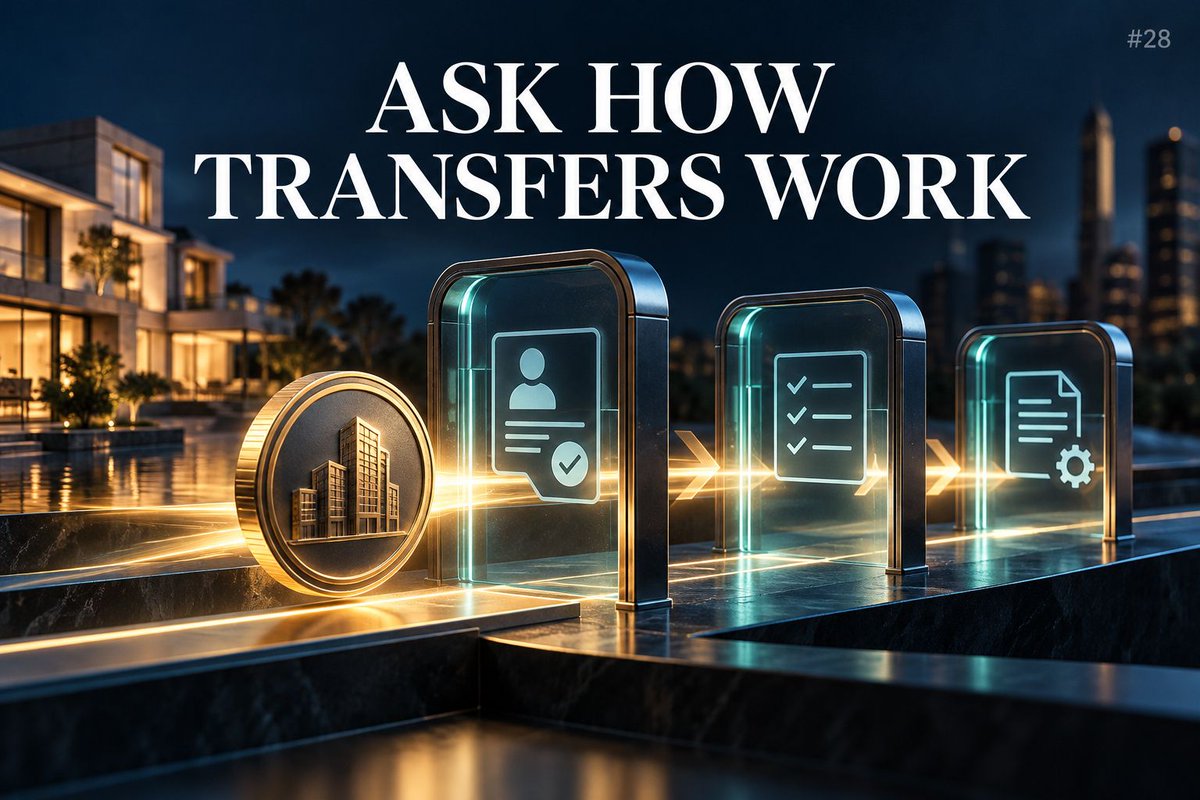
Token standards deserve more attention in RWA conversations. I want to know how the system handles permitted transfers, identity checks and lifecycle events. The useful question is what the design enables for this specific offering. #DigitalSecurities
I would choose a blockchain based on the job it needs to do: compliance features, security, integrations, costs and support. The most popular chain is not automatically the best fit for a particular tokenized asset. #Blockchain#RWA
Before selecting a tokenization platform, ask about the full cost of operating the offering. Issuance, onboarding, custody, servicing and reporting can involve different providers. The launch fee is only one part of the budget. #RWA
An RWA issuer should know which investors fit the offering and why. Investment size, eligibility, asset preference and holding period all matter. A relevant investor pipeline is more valuable than a large list of names. #CapitalFormation
A good data room saves everyone time. Put the asset documents, financials, ownership records and material agreements where qualified investors can review them securely. Strong organization makes an RWA project easier to evaluate. #DueDiligence
A financial projection is useful when I can understand the assumptions behind it. Show occupancy, costs, timelines and downside cases where relevant. A polished return number without the inputs tells me very little. #RWA#InvestorReadiness
Investor readiness starts before the pitch deck. Organize the financials, ownership structure, risks, use of proceeds and operating plan. Tokenization can support capital formation, but preparation earns the serious conversation. #CapitalRaising#RWA
Not every asset needs a token. I want to see a clear business reason: better administration, more useful transfer options or a better investor experience. If the costs outweigh the benefits, a simpler structure may be the better decision. #Tokenization
Before an RWA offering launches, I want someone to explain the default process. Who acts? What rights do investors have? What recovery steps are available? A plan for difficult outcomes deserves as much attention as the launch announcement. #RWA
The best offering documents help someone understand what they are buying, what can go wrong and how the structure works. Clear language is a sign of respect for investors. Complexity should be explained, not used as a sales tool. #DigitalSecurities
Compliance is an ongoing operating responsibility in tokenized markets. Eligibility changes, transfers happen and records need maintenance. I look for projects that budget for the full lifecycle, not just the launch. #RegTech#Tokenization
A global audience is exciting. A global offering needs careful planning. Issuer location, investor location and distribution rules can all matter. I would rather see a focused launch with clear boundaries than a vague promise of worldwide access. #RWA
Investor eligibility should be part of the RWA product design from day one. A smooth onboarding journey starts with knowing who can participate, what checks apply and how the rules continue after issuance. #Compliance#RWA
My view: legal structure belongs at the beginning of a tokenization project. Decide what rights investors receive and how those rights are enforced before choosing the technical setup. The code and documents need to tell the same story. #Tokenization
With tokenized bonds, the questions remain practical: interest, maturity, ranking, collateral and payment mechanics. I want to understand the lender's position in a difficult outcome, not just the coupon in the marketing material. #FixedIncome#RWA
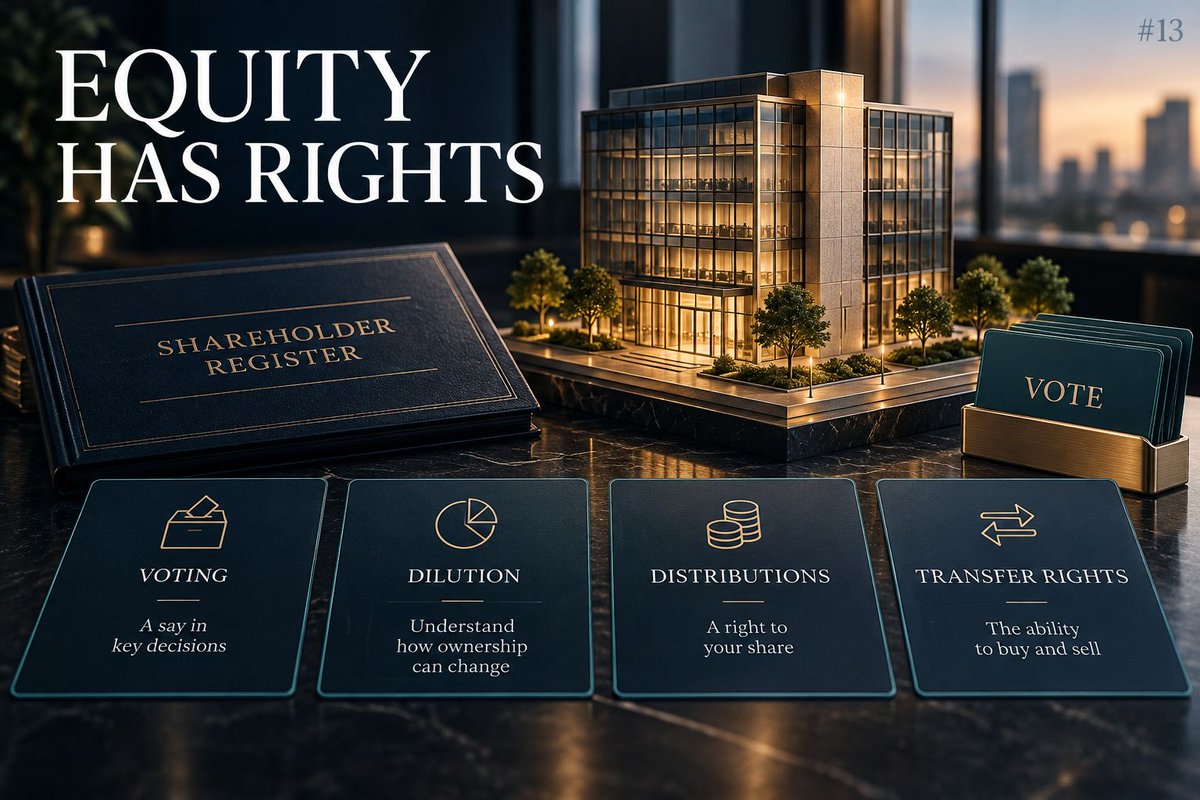
Digital equity should come with a clear explanation of voting, dilution, distributions and transfer rights. I would rather see a simple shareholder rights summary than another slide about how revolutionary the token is. #DigitalSecurities
Infrastructure tokenization interests me because the assets can serve real economic needs. But long timelines, operating costs and project risk still need careful attention. The investment horizon should fit the asset, not the speed of the blockchain. #RWA