Jusuf Kalla menemui Prabowo di Istana, 11 Juni 2026. Pertemuan tertutup, satu jam.
Setelahnya JK bilang: ia mengusulkan pembangunan 2.000 megawatt PLTA baru senilai Rp60–70 triliun, dan "Presiden setuju."
Yang menemaninya: Solihin Kalla , anaknya sendiri, sekaligus CEO Kalla Group.
Bisnis utama Kalla Group: PLTA.
PT Poso Energy, PT Malea Energy, portofolio 1.500 megawatt sudah beroperasi, ekspansi 1.230 megawatt lagi sedang berjalan.
Jadi skemanya: anak punya perusahaan PLTA.
Ayah temui Presiden.
Ayah usulkan bangun PLTA besar.
Presiden setuju.
Nilai proyeknya Rp60–70 triliun.
Pertemuan itu namanya apa : konsultasi kebijakan energi nasional, atau pitching proyek bisnis keluarga di dalam Istana?
You have Claude Fable for only a few days. Here's how to make the most of it.
Introducing /improve: use your most capable model to audit your codebase and write plans for cheaper models to execute later.
Studies your code, figures out bugs, perf, tech debt, missing tests, what to build and writes plans any agent can run.
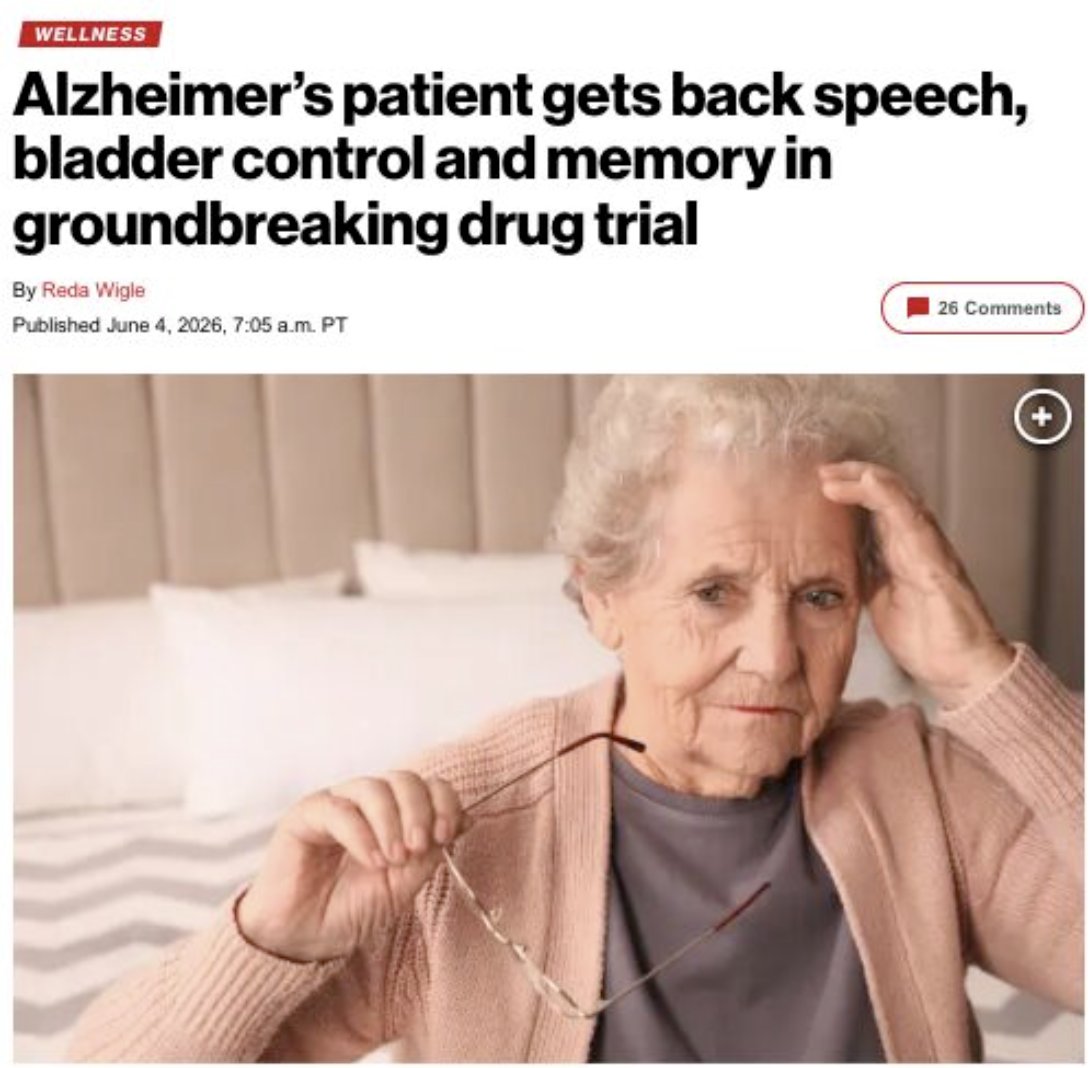
An 80-year-old woman with advanced Alzheimer's, all but silent for five years, took 5 grams of psilocybin and woke up the next day telling stories about her life.
This case study was published just a few days ago in Frontiers in Neuroscience, and I can't stop thinking about it.
She had lived with Alzheimer's for a decade. The last five of those years she spent in the state we are all taught to dread: she was incontinent, could barely walk, and couldn't dress herself.
Her speech had collapsed into single syllables, and her family had come to a painful acceptance that the woman they remembered was no longer reachable.
Then she took five grams of psilocybin mushrooms in a single supervised session in Brazil. The first hours of her journey were hard, with heavy sweating and a long, deep sleep-like state. Then, roughly nineteen hours later, she woke and spoke about her own life for close to four hours, pulling up real memories and events from her past.
Over the following days, the changes kept coming.
She regained bladder control after five years. She started dressing herself and walked with far less help than before. She started meeting people's eyes again. She recognized her family and remembered who had visited her and what they had said.
A month later, with the improvements still holding, the clinicians gave her a second, smaller dose of 3 grams. In that session, she described surfing with her son on a peaceful island, her whole face lighting up as she spoke. At one point, she looked at the people caring for her and said, simply, "It is pleasant to come here."
Her neurodegeneration is still there, and many of these improvements lasted for only weeks. Psilocybin did not completely reverse her Alzheimer's.
But it forces a new potential to the surface, one that would stop any family that has lived through this in its tracks.
We have treated the silence of late-stage dementia as a direct readout of dead tissue. We assumed the lost functions were gone, erased along with the neurons. This case suggests those functions may never have been destroyed at all, only locked away, and that a powerful enough shake-up of the brain's networks can briefly make them accessible again.
I wrote recently about a 92-year-old woman with advanced Alzheimer's who had slipped into a near-vegetative state after eleven years with the disease.
Once her caregiver began giving her microdoses of LSD, she started talking, reading, and recognizing the people she loved, and her wit and personality came back with her.
Both psychedelics produced the same result no one thought was possible: a person their family had already grieved, back in the room with them for a while. If this much can come back, even briefly, then the question worth asking is what else we could reach through responsible psychedelic therapy.
Which neurological condition would you most want to see psilocybin studied for next?
My friend experienced a major breach of privacy ketika ganti battery di cabang bxc2 @iBoxIndonesia di hari ini, sudah dicoba untuk contact pihak terkait tapi belum ada respon. Kalau untuk test fungsi hp setelah service kenapa malah HANYA membuka album?
We are in a golden age where, if you are good at systems and understanding, AI increases your abilities by an order of magnitude. But if you are not good at it, you just spin your wheels and end up nowhere helpful
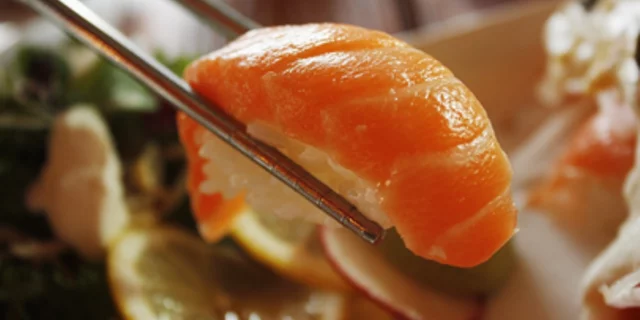
Up until the early 1990s, raw salmon was almost never eaten in Japan, especially not in sushi.
Why?
Japanese Pacific salmon was (and still is) often heavily infested with parasites, so tradition dictated that salmon be cooked (grilled or salted). Raw salmon was considered unsafe and was not part of sushi culture.
In the 1980s, Norway faced a massive surplus of farmed Atlantic salmon and needed new markets. They launched a deliberate, long-term marketing campaign, often called "Project Japan", that lasted roughly a decade.
Norway sent trade delegations and held tasting events, worked with Japanese importers, restaurants, and sushi chefs, promoted the safety and quality of their parasite-free farmed Atlantic salmon and ultimately introduced it first to conveyor-belt (kaiten) sushi restaurants, where it was cheaper and more accessible.
The strategy worked incredibly well. By the mid-to-late 1990s, salmon had gone from virtually unknown in sushi to one of the most popular toppings in Japan. Today, salmon is often the #1 best-selling sushi item in the country, surpassing even tuna in many places.
It’s one of the most successful examples of how a targeted national marketing campaign can completely reshape a country’s culinary habits. Norway essentially created the global phenomenon of salmon sushi.
"This is a protectionist tale as old as time. And the justifications are just as tired: It's about quality! It's about attribution! It's about workers! Spare me. It's about you, your insecurities, and your privileges." https://t.co/SP6DubrXXh
The lndians won’t get it .. they don’t get that people travel to experience the culture of the place they travel to.
Indians travel to show off. They go there and want people to see them. They are not curious about the place they travel to. They don’t care for any cultural experience. They just go to show off themselves. They want to take pics in popular places , doing their own (uncouth) stuff. Their travel experiences for their social media bragging , about how they showed off their own “superior culture) to the people of the host country.
This is extreme form of inferiority complex.
It's not just luxury hotels that are a scam, it's almost everything that's luxury that's a scam
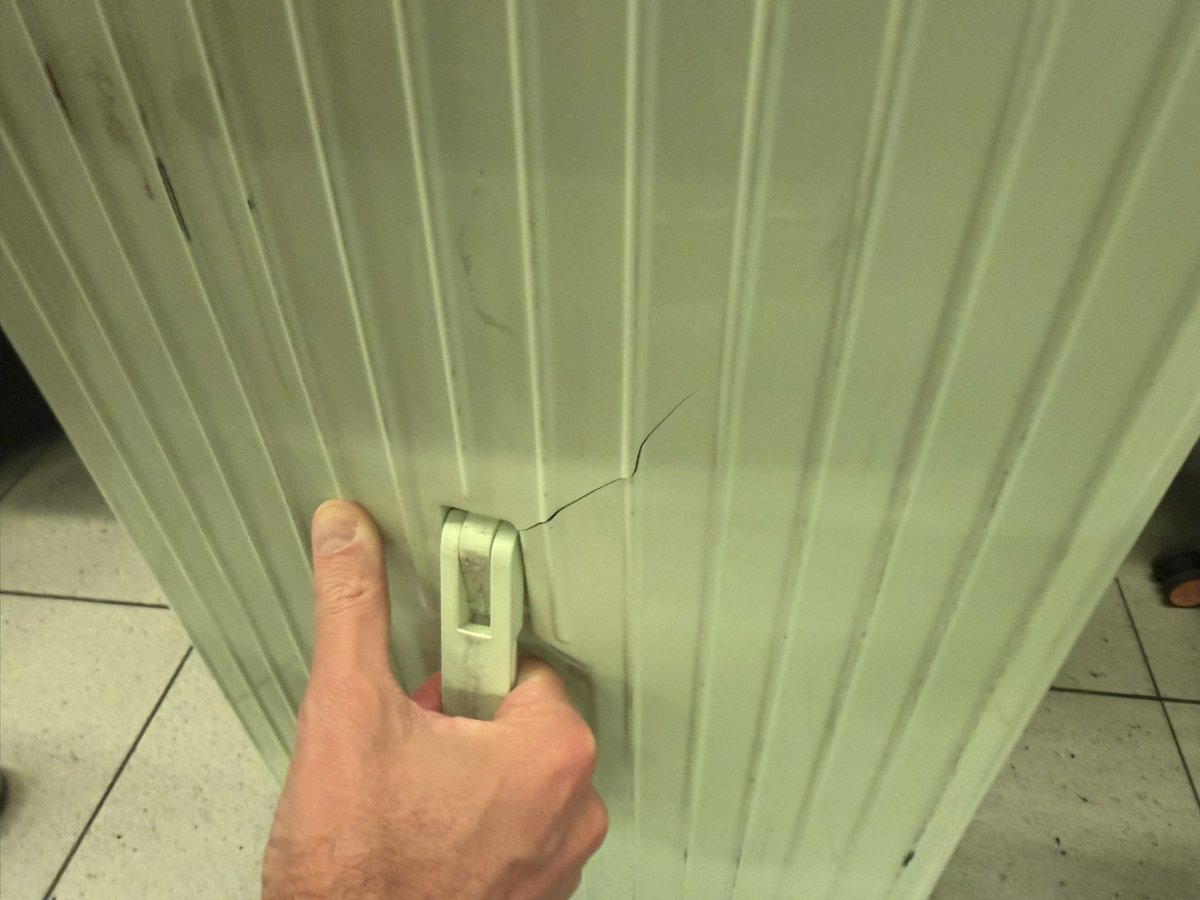
Gf bought Rimowa suitcases, expensive and supposed to be better quality than regular ones, but of course they're much worse
They keep breaking, like all of them, cracks in the handles, cracks in the sides, it's just cheap plastic shit but it costs $1000 or more
Rimowa was bought by LVMH in 2016 which has an average profit margin of 66% and whose strategy is to increase prices by ~5x, decrease costs by ~5x and then create artificial scarcity (limited availability per shop) because people want what they can't get (not me though but many)
LVMH is kinda like the luxury version of private equity, it makes everything more expensive and worse and hard to get!