63 years ago yesterday, Parisian stray Félicette became the first and only CAT in space: a 13-minute hop to ~157 km on a French rocket. Sadly, she was put down afterwards so scientists could study her brain. She never got a say, so the least we can do is remember her.
Also, her American cousins had been floating around a USAF C-131 flying parabolas near Dayton, Ohio, c. 1962.
1/x
According to current orbital elements, the Russian #KOSMOS 2612 satellite is now within 1-2 km of #ICEYE-X36. Based on current elements, it might come within meters of the latter within a few hours from now. This is an #RPO without consent.
(cont.)
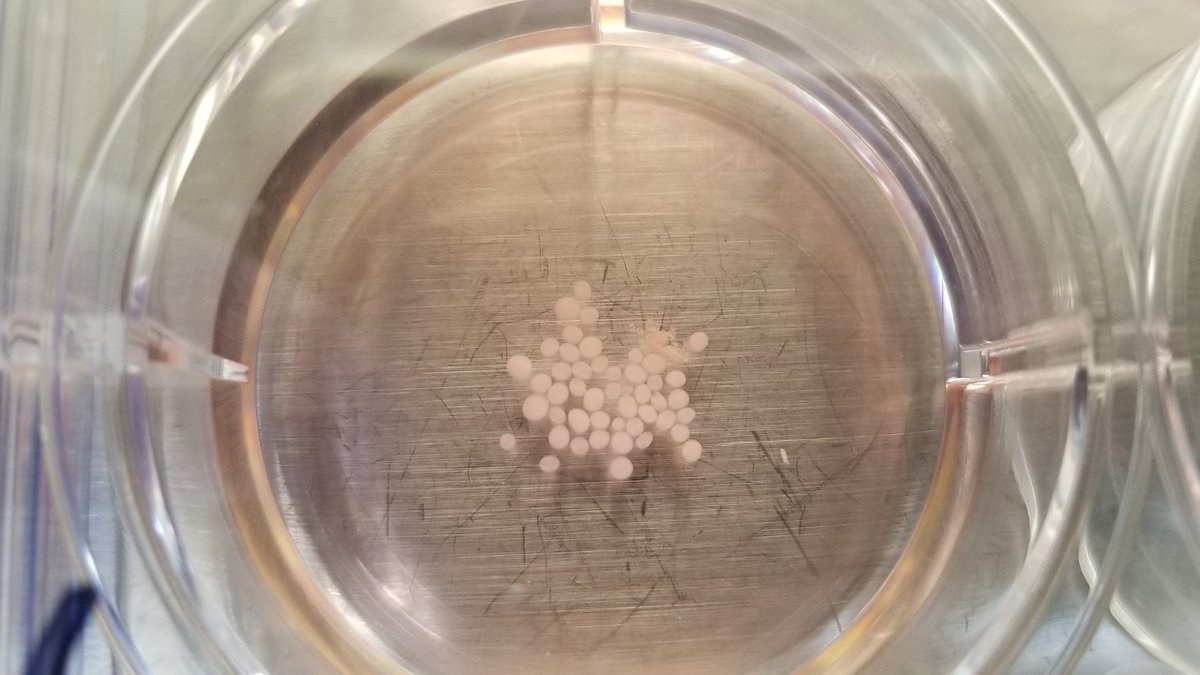
Brain organoids in space could help advance biotech, pharma, stem cell research, and drug discovery: https://t.co/79OUgBnZoq
@UCSanDiego@NationalSCF#BrainOrganoids
Fav @podcast_space episode so far: I invited Hugo & Nebula winning sci-fi author @MaryRobinette to talk about getting the science right in sci-fi, the role of AI, politics and spirituality in it, and how she taught her cat Elsie to communicate with her via buttons.
Yes Elsie the cat joined, too
@ashleevance I suspect there'll be a market for those that vaguely look like humans and then those that *really* look like humans... (In BSG terms: first gen Cylons vs. skinjobs)
$MNTS CEO John Rood joined the @podcast_space with host Raphael Roettgen to discuss our space trucks as he likes to call it, our missions to date and what it is like to be a publicly-listed space company.
Tune in now! https://t.co/znOH5G5Tfc
@aaronburnett Call it Felicette, the only cat that ever went to space and came back alive (anniversary of the flight is in a few days). First Starship to come back alive
@DrPhiltill That's a great book and one of the view that deal with what Super Intelligence may actually do on its interaction with humans. Hyperion is another one.