I'm struggling to actually put together a budget rig using dual 3090s.
Almost all enclosed cases assume you have only one GPU--if you run two and have to stack them, the exhaust of one runs into the other.
Thermals are a huge problem--from what I can tell, people buy gigantic cases with 600 fans inside, and put their feet up next to it in the winter.
Power seems to be another problem--don't single-unit power supplies max out at 15-1600ish W? Do you just jam multiple power supplies in there?
Do people really just run these open-frame designs, which will break/fry the second anything falls on the unit? Drops of water, cats, stuff knocked off of shelves, etc.
Are people buying separate mini ITX cases, and running separate models on separate GPUs, and then orchestrating over a LAN somehow?
Do people build a case or something around the open-frame designs to protect the hardware somehow?
I'm very confused by all this.
@WindowsLatest I remember being excited to learn/use UWP to build some apps, but by the time I got around to it, it was deprecated or something.
I remember the Zune and Windows Phone UIs being very good, but it was a fleeting moment.
@robkhenderson Some call center employees do this on purpose whenever they get a call that pattern matches for "time consuming", "difficult", or "weird". Keep their average-time-to-resolution low.
If their supervisors ask them about it, they just say they hit the wrong button.
I see that, and I'll admit this Super Fancy AI Skill Chart Learning System™️ approach is a bit much, but I'm coming into this in my 40s, supporting a family+home, and there are no good drawing programs around me--even if they existed, I wouldn't be able to take them. In my case, the choices were either "come up with your own art program" or just bury the whole idea.
Furthermore, this system has survived a full-time work schedule, chronic sickness, severe gaps in practice, family deaths, moving my art studio into a storage unit, etc. in various "dialed up" or "dialed down" states that adapted to all the fun stuff 2025 had in store for me.
And, yeah, my progress was stunted by managing all of this (which I did not expect I'd have to do), but I can finally bury the regret of "not studying art" and move on with my life.
Almost a year ago, I posted my "AI learning system for art", where I used Deep Research pointed at The Math Academy Way by @justinskycak to generate a learning system for a skill domain that didn't already have the skill chart figured out.
The question is "Did it work??" -- Yes it has, obviously, but the journey to get to this point has been so strange, I can't quite put it into words yet, and so I'll start with this general outline of some of the main points:
@vivekkumar2k Good luck--since I wrote that post, they changed the model, and it's now generating reports that aren't very useful. I haven't figured out how to coax an actionable learning plan out of them yet.
Looking back on my records now, I see that each supposed full-time day only yielded about 3 hours of actual practice, on average.
An average day, let's say gets 8 active hours.
In my case, usually one of those hours was spent putting around the studio messing with "physical layer" stuff like hanging pictures, sharpening pencils, driving to the art supply store, etc.
Another two-ish hours I'll call "active studying": reading books, doing retros and critiques on my own work, actively watching demonstrations and analyzing their exact process to achieve a specific result. Some might group this as "practice time", and some might group as "planning/researching", but I find this useful to think about as its own thing, because its a bit lower-effort than active practice, and very useful to manage stamina.
And the other two hours I'd say is the "planning and researching time" you asked about. This is the time it took for me to orient myself, build my program, and just decide what to do everyday. Very significant time waster in the art field. Knowing what I know now, I could compress this down into about 30 minutes and take the entire 5ish hours to do focused practice.
That being said, even 3 hours of focused practice per day is well into "I feel tired" territory. For example, some of those days I spent 6 hours mixing Zorn color charts over and over again, and my joints physically hurt at that point.
The key point being that a little active-practice time nets you a lot of skill gain. The trick is to build a system to saturate that practice time per-day, instead of wandering around semi-aimlessly like I did.
Pro tip: you can point Deep Research at The Math Academy Way by @justinskycak to generate a learning system for nearly any skill domain.
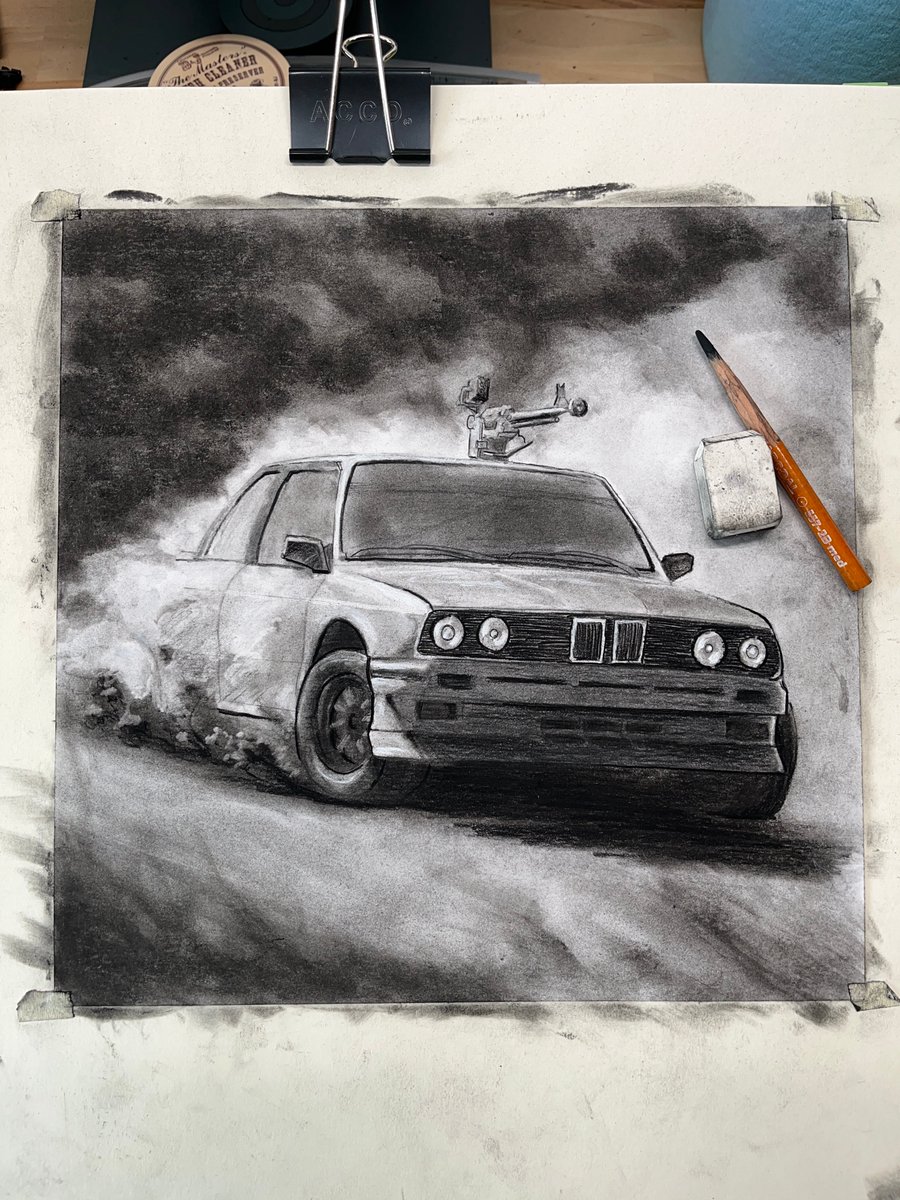
I'm using mine to learn traditional art (I'm following it and actual results shown)--put the time in and do the reps!
The method is a mess, but in general I can say that there's a few main components: first and foremost is devising a skill chart and recognizing where you are (this is what the AI can help with), anchoring mastery with daily exercises that can be dialed up or down based on stamina, specific warm-ups to shift the brain into the right neurology before practice sessions, recognizing skill dependencies within those practice sessions and isolating specific skills at specific times. Recognizing and isolating specific skills that everyone is glossing over because they've been doing it for decades.
For music, I'd imagine it'd be a lot of playing scales and chords. Something to train neurological states, e.g. in bass guitar there comes a moment where you reach "stank face state" where you really lock in with the drummer and groove, and that's the state we want to train ourselves to reach on command. Something to train musical "passages" in a whimsical way--maybe memorizing a repertoire of 12 common passages, and then putting them together based on a dice roll, or something like that, e.g. if your goal is to make up music on the fly.
I would say the "gist" is to identify the smallest goal possible (i.e. something that can survive a full-time job), analyzing the dependency graph of skills (often times 50% of these are hidden), and then reaching "stank face state" intentionally so that your music actually sounds good to you, as a base condition of practice.
Yes, classical portraiture is my home base for learning art, starting from a worst-case scenario (software engineer). I'm building an MA-style skill tree as I go, and cobbling together a training app right now that covers a small portion of it.
In the meantime, I can point out specific learning resources to solve specific problems/goals via DM; art hobbies have a way higher survival rate if they stay small and focused
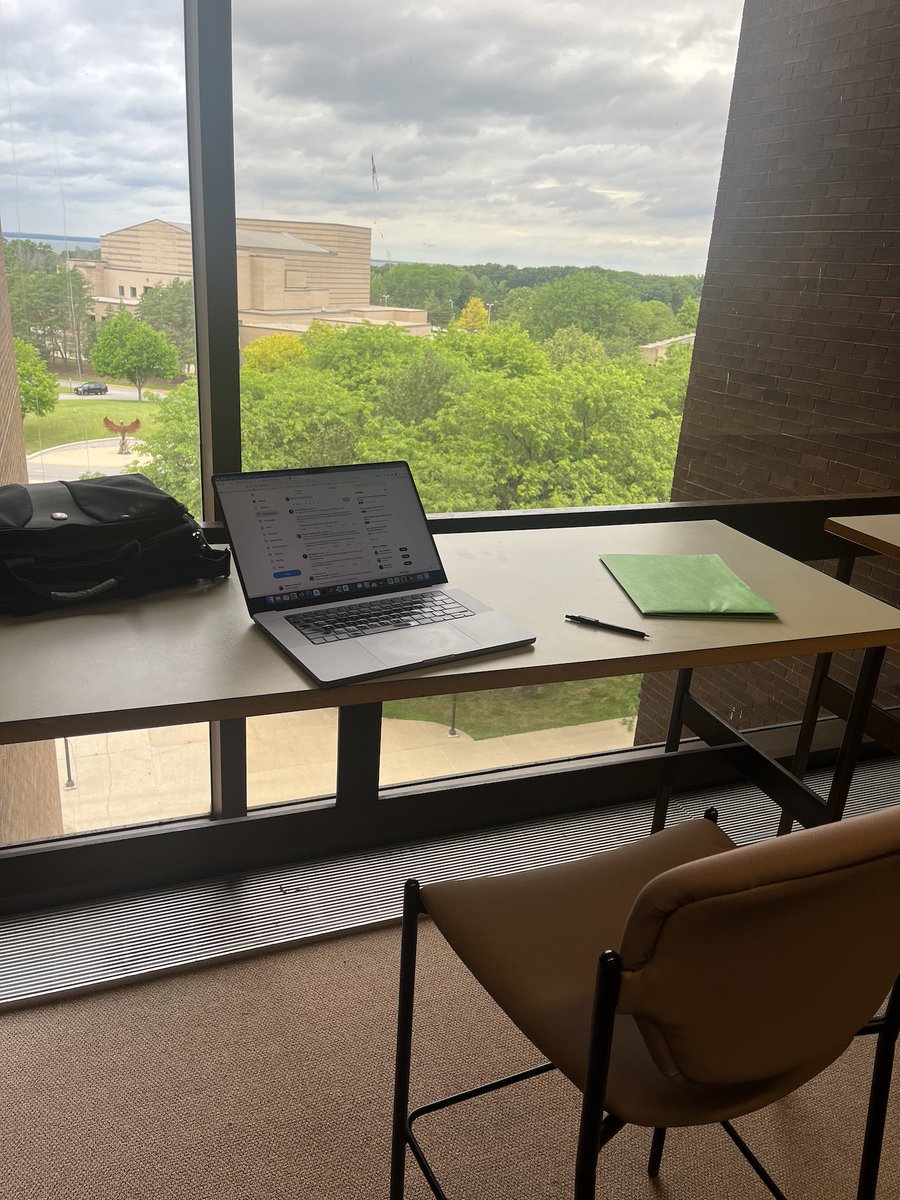
I had no idea all this would unfold, when I climbed the steps of my local college library to train with Math Academy two summers ago.
All I can say is that the lessons from Math Academy can be applied to other domains, and "education" in general is far from solved--there is huge room to improve and grow from here.
I found ways to isolate specific skills and study them one at a time, such as training simplification by using a sculpture, and then applying that simplification to my drawings.
It was exciting to spend the day doing exercises like this, and then get a decent painting at the group session, without straining too hard.