Want your own #LEGO#JWST? When we reach 10k supporters, #LEGO will consider making the set official. We’re already half way there! 🎉 Click support (it’s free) at https://t.co/gw5njoFkI6 #NASA#space
🤩 We’ve reached 4k supporters! 🎉 When we reach 10k, #LEGO will consider making an official #NASA#JWST set. Visit https://t.co/Rzvqdqz4AL and click support (it’s free) to help make it happen!
This invasive Bluetooth car battery monitor was found to be sending the following location data to 🇨🇳
- GPS
- Wifi devices
- Cell phone towers
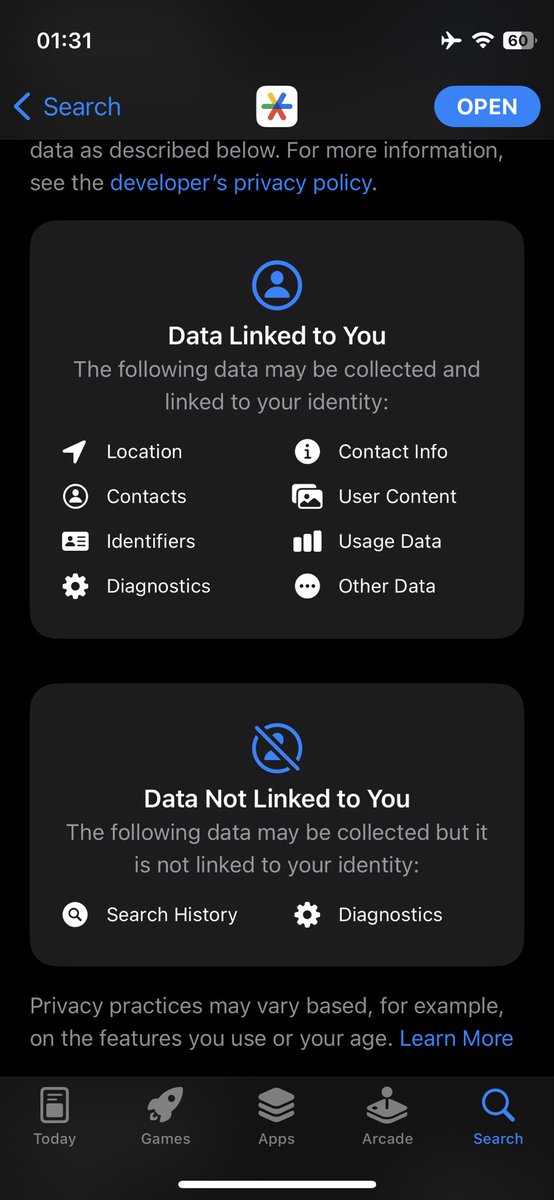
The Apple and Google app stores said no personal data was collected.
A new update has emerged. Let's see what was changed 👇(1/n)
When I first started working on phone surveillance 3 years ago there was one name that kept coming up - Fink Telecom Services. The more security people I spoke to, the more I heard about Andreas Fink. https://t.co/9tYTx6s83H
Google has just updated its 2FA Authenticator app and added a much-needed feature: the ability to sync secrets across devices.
TL;DR: Don't turn it on.
The new update allows users to sign in with their Google Account and sync 2FA secrets across their iOS and Android devices.
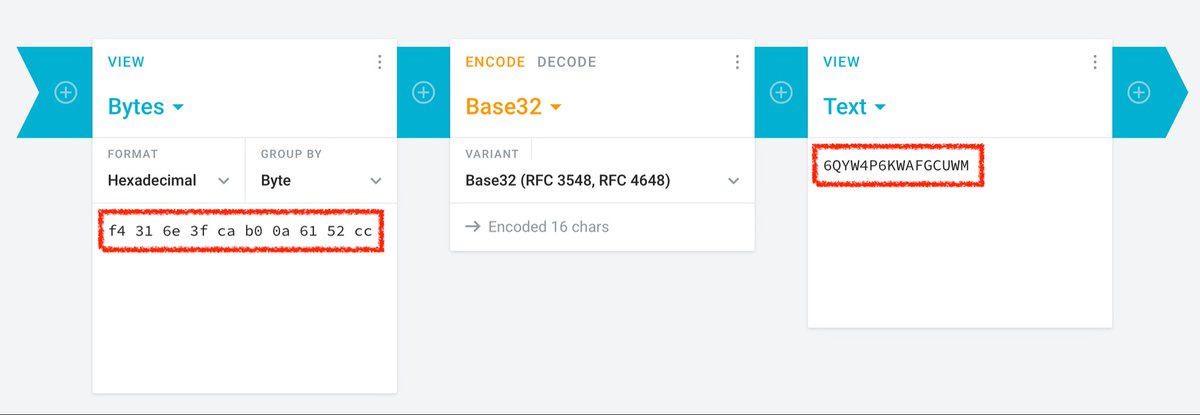
We analyzed the network traffic when the app syncs the secrets, and it turns out the traffic is not end-to-end encrypted. As shown in the screenshots, this means that Google can see the secrets, likely even while they’re stored on their servers. There is no option to add a passphrase to protect the secrets, to make them accessible only by the user.
Why is this bad?
Every 2FA QR code contains a secret, or a seed, that’s used to generate the one-time codes. If someone else knows the secret, they can generate the same one-time codes and defeat 2FA protections. So, if there’s ever a data breach or if someone obtains access to your Google Account, all of your 2FA secrets would be compromised.
Also, 2FA QR codes typically contain other information such as account name and the name of the service (e.g. Twitter, Amazon, etc). Since Google can see all this data, it knows which online services you use, and could potentially use this information for personalized ads.
Surprisingly, Google data exports do not include the 2FA secrets that are stored in the user's Google Account. We downloaded all the data associated with the Google account we used, and we found no traces of the 2FA secrets.
The bottom line: although syncing 2FA secrets across devices is convenient, it comes at the expense of your privacy. Fortunately, Google Authenticator still offers the option to use the app without signing in or syncing secrets. We recommend using the app without the new syncing feature for now.
#Privacy #Cybersecurity #InfoSec #2FA #Google #Security
The wonderful global Submarine Cable Map got a makeover and includes 2023 data. These cables are why you can access all these wonderful maps that I am sharing or do anything else on the internet for that matter. A globe view is in the source: https://t.co/SW4sk9zCBI
If you're doing Wi-Fi research and need a radio silent environment, you can save money on an RF chamber by using a storm drain.
In this case, we found that some of our phones were still sending Wi-Fi packets even with Wi-Fi turned off.
Voel jij je als een vis in het water in de cyberwereld, of kom je net kijken? Allebei goed. Phish niet verder en gooi je hengel voor een plekje op de AIVD/MIVD #JSCUSummerschool - vrouweneditie 2023! ��� https://t.co/sf3ago2tKf #cybersecurity #phishing #MIVD @Defensie