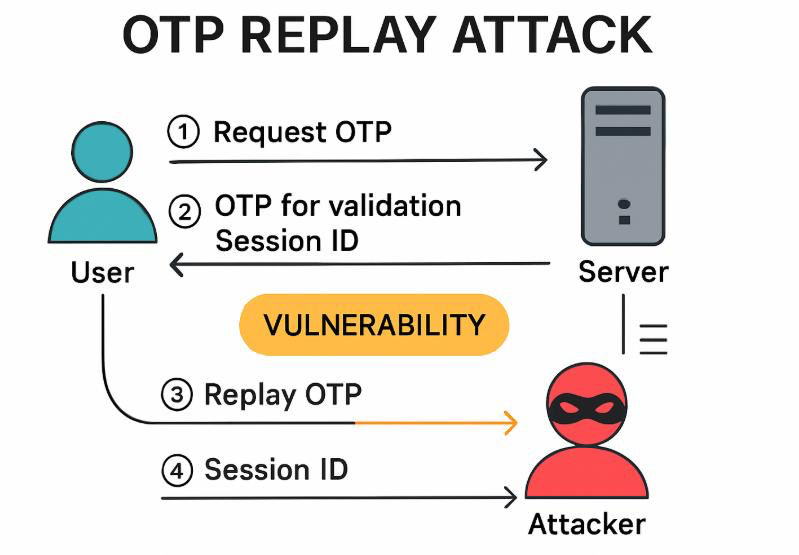
Artifact Lifetime Exploitation -> Replay Attack
POC ->
1. Found a supposedly single-use OTP, token, or temporary link.
2. Used the artifact once through the intended flow.
3. Replayed the same artifact after its expected consumption point.
4. Confirmed the server still accepted the stale artifact.
Learning ->
1. Security-sensitive artifacts must be invalidated immediately after use.
2. Test the full lifecycle: issued -> used -> expired -> revoked.
#BugBounty #CyberSecurity #BugBountyTips #InfoSec #WebSecurity
SubMap just launched 4 hours ago.
Already 2.2M+ subdomains discovered across all scans.
SubMap finds more subdomains than any other tool — period.
Try it free: https://t.co/cwnonG1Ddt
#bugbounty#infosec
Knowing APIs won’t make you a good DevOps engineer. Knowing how they work in production will.
Early in my career, I mostly thought about APIs as:
GET → POST → PUT → DELETE
But working on real systems changes the questions:
→ Should this API be public or internal?
→ REST, GraphQL, or SOAP?
→ Should services communicate synchronously or asynchronously?
→ Is this a partner integration or internal service?
→ How do we secure, monitor, and rate-limit it?
→ Should this traffic go through an API Gateway?
→ How do we handle authentication, TLS, retries, and failures?
That's when you realise there isn't just one type of API.
Different API patterns solve different problems:
🔹 REST → Application & service communication
🔹 GraphQL → Flexible data fetching
🔹 SOAP → Enterprise integrations
🔹 Internal APIs → Service-to-service communication
🔹 Partner APIs → External integrations
🔹 B2B APIs → Business system connectivity
The syntax is the easy part.
The real skill is understanding how the API fits into the overall architecture and behaves in production.
That's what separates someone who knows the tools from someone who understands the system.
📡 Nmap for Pentester: Host Discovery
🔥 Telegram: https://t.co/upuP8k8ckB
✴ Twitter: https://t.co/Za7rYILz6E
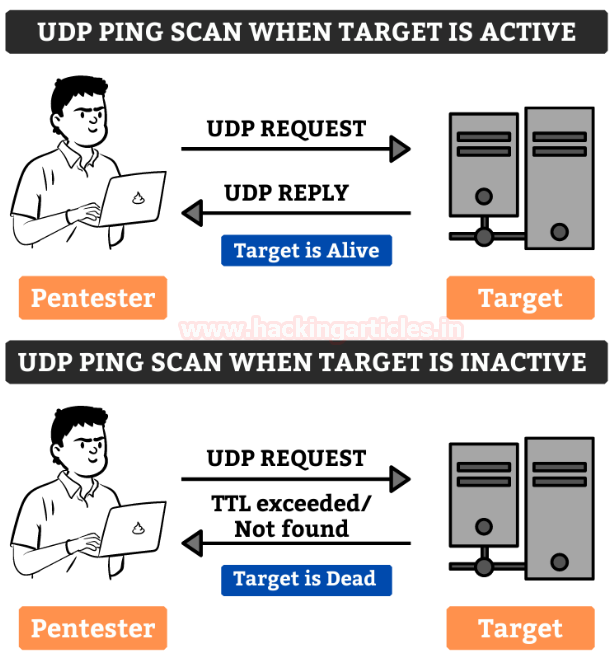
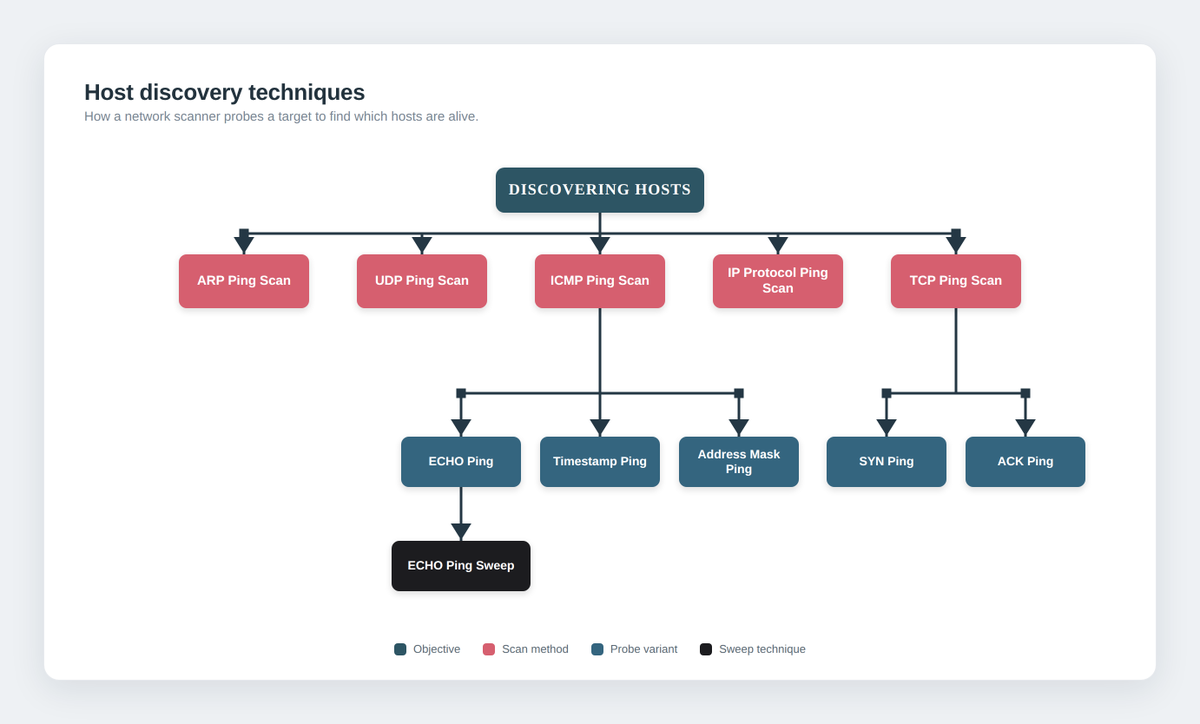
Host Discovery is the first step in network reconnaissance. It helps pentesters identify which systems are alive in a network before performing deeper scans like port scanning or service enumeration.
⚡ Techniques covered:
📡 Ping Sweep (-sn)
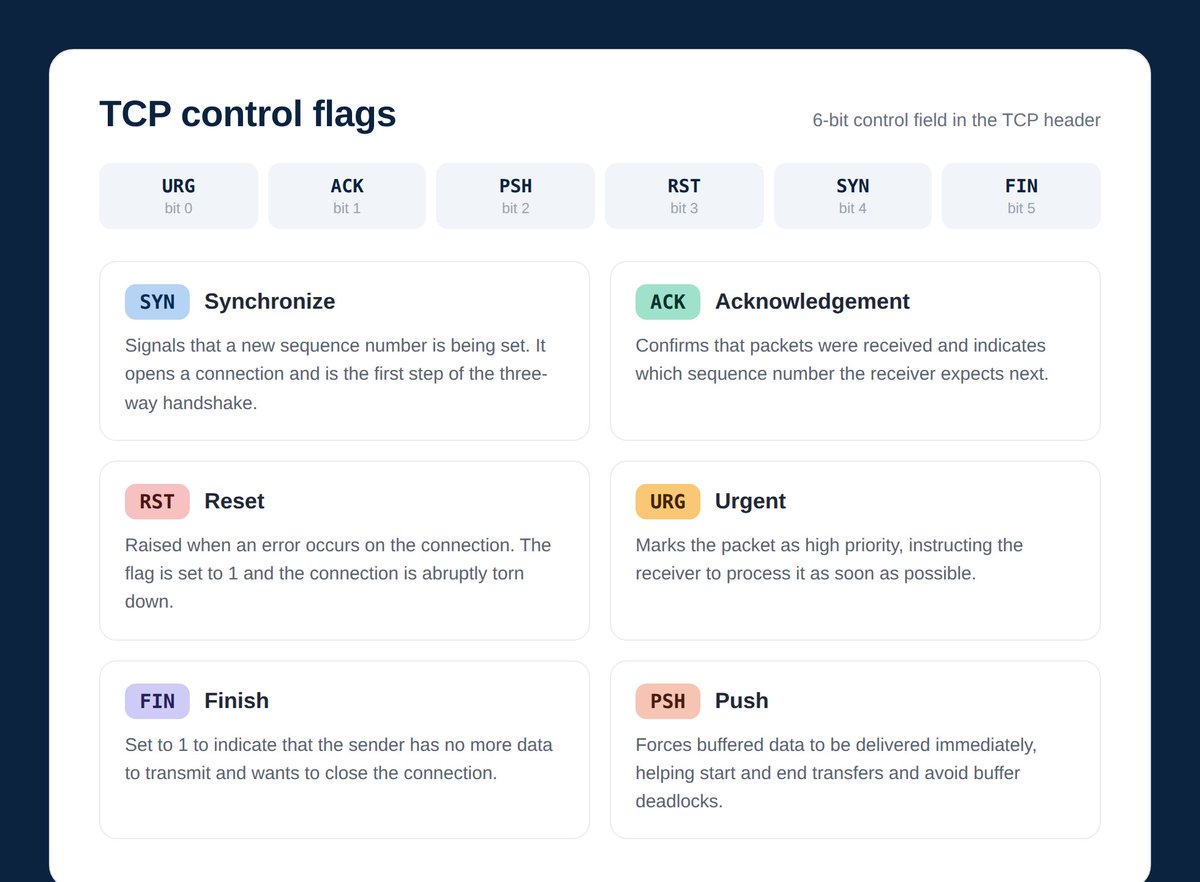
🤝 TCP SYN Ping (-PS)
📩 TCP ACK Ping (-PA)
📨 ICMP Echo Ping (-PE)
📦 UDP Ping (-PU)
🌐 IP Protocol Ping (-PO)
🖧 ARP Ping (-PR)
🚫 No Ping Scan (-Pn)
🎯 These techniques help pentesters identify live hosts, bypass firewall restrictions, and improve target discovery during information gathering.
📖 Read the full guide:
https://t.co/zeVFEgF5bi
#CyberSecurity #Pentesting #Nmap #RedTeam #InfoSec #HackingArticles 🚀