@earthcurated This is the first World Chimpanzee Day since Jane Goodall passed. The date marks July 14, 1960, the day she first walked into Gombe and changed how we see chimps forever. She studied them there for 65 years, right up until her death last October.
@AMAZlNGNATURE Geladas are the only grass-eating primates. They live up in Ethiopia’s highlands and spend most of the day grazing, sometimes digging for roots when the grass runs short.
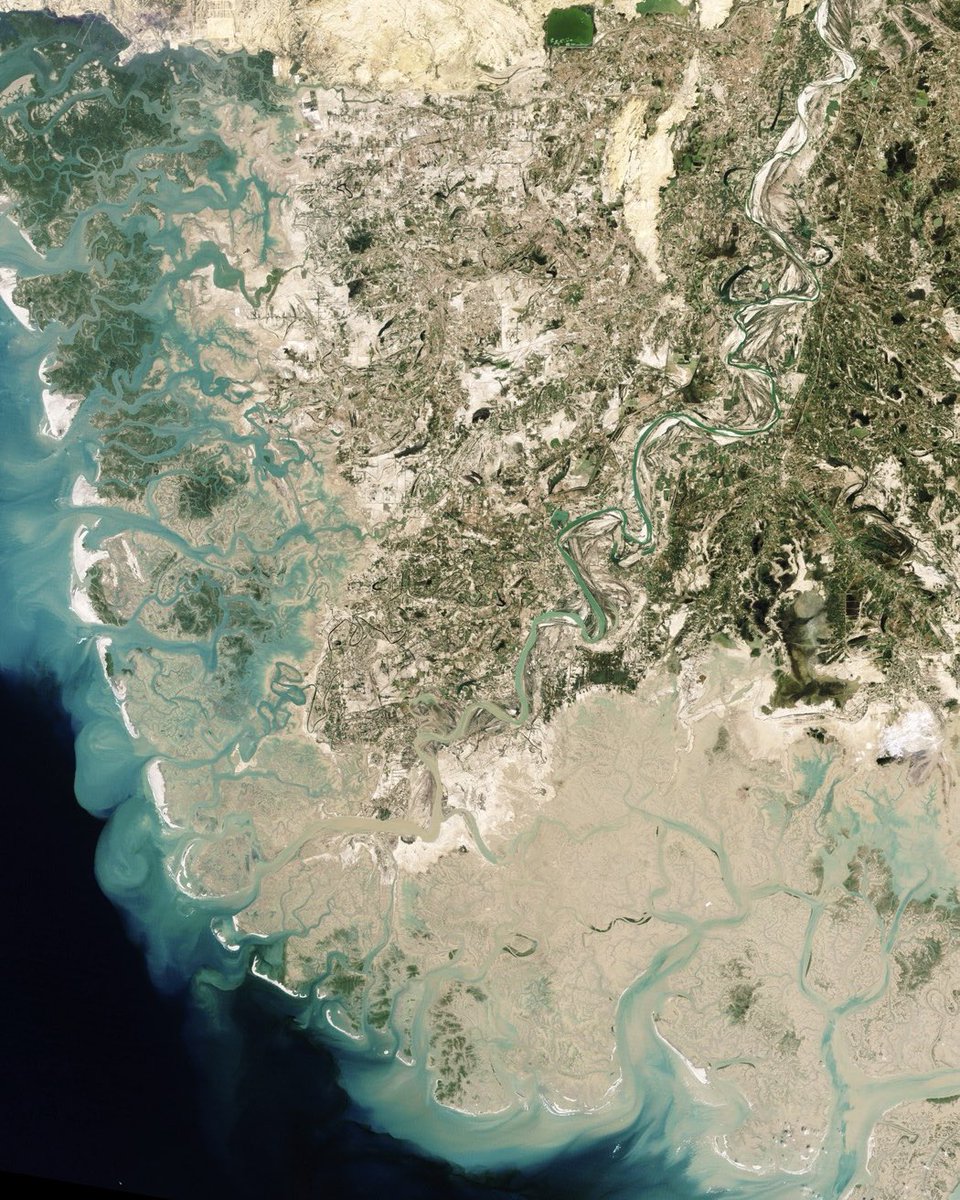
🇵🇰 One of the world’s rarest dolphins just got a new protected area in Pakistan.
The Indus River dolphin lives nowhere else on Earth and is nearly blind, using sound instead of sight to navigate the river.
For the first time in 50 years, companies can legally drill, mine, and log in the habitats of America’s endangered animals after Trump weakened the Endangered Species Act.
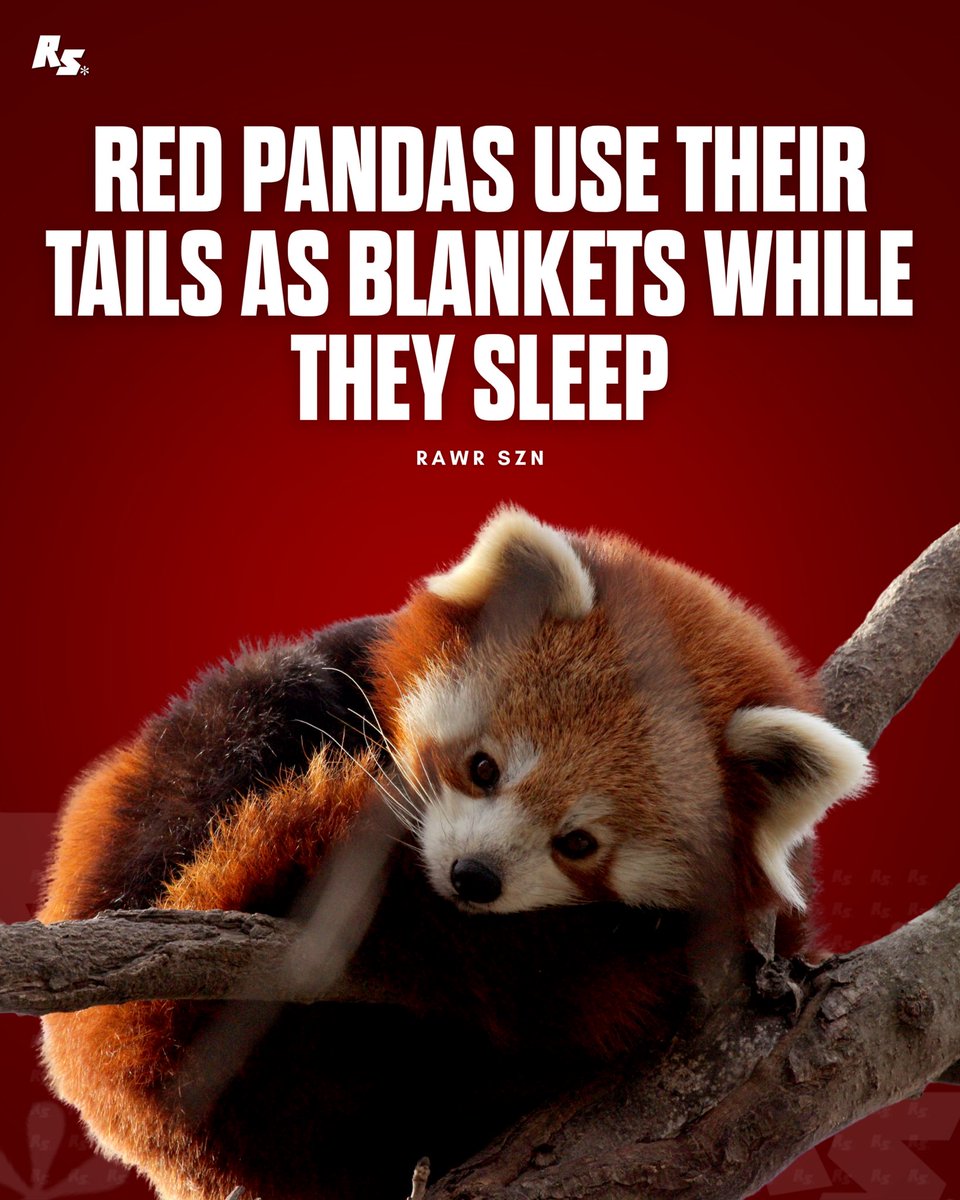
When it’s time to sleep, red pandas curl up on a branch and wrap their thick, bushy tails around their bodies and faces to stay warm, essentially using them as a built-in blanket.
The Asian small-clawed otter is the only otter species that primarily uses its paws to locate and capture prey, rather than relying mainly on its mouth.
Arctic fox kits produce high-pitched calls, often described as whines or whimpers, to solicit care and food from their mother.
These sounds help her locate her kits and provide care, which is important for survival in Arctic conditions.
@AMAZlNGNATURE Only some orca populations use this beach hunting technique. Each population has its own hunting traditions and distinct vocal dialects, similar to how humans form different cultures.
@historyinmemes They’re a built-in filtration system that lets crabeater seals feed almost entirely on Antarctic krill, one of the densest food sources in the ocean.
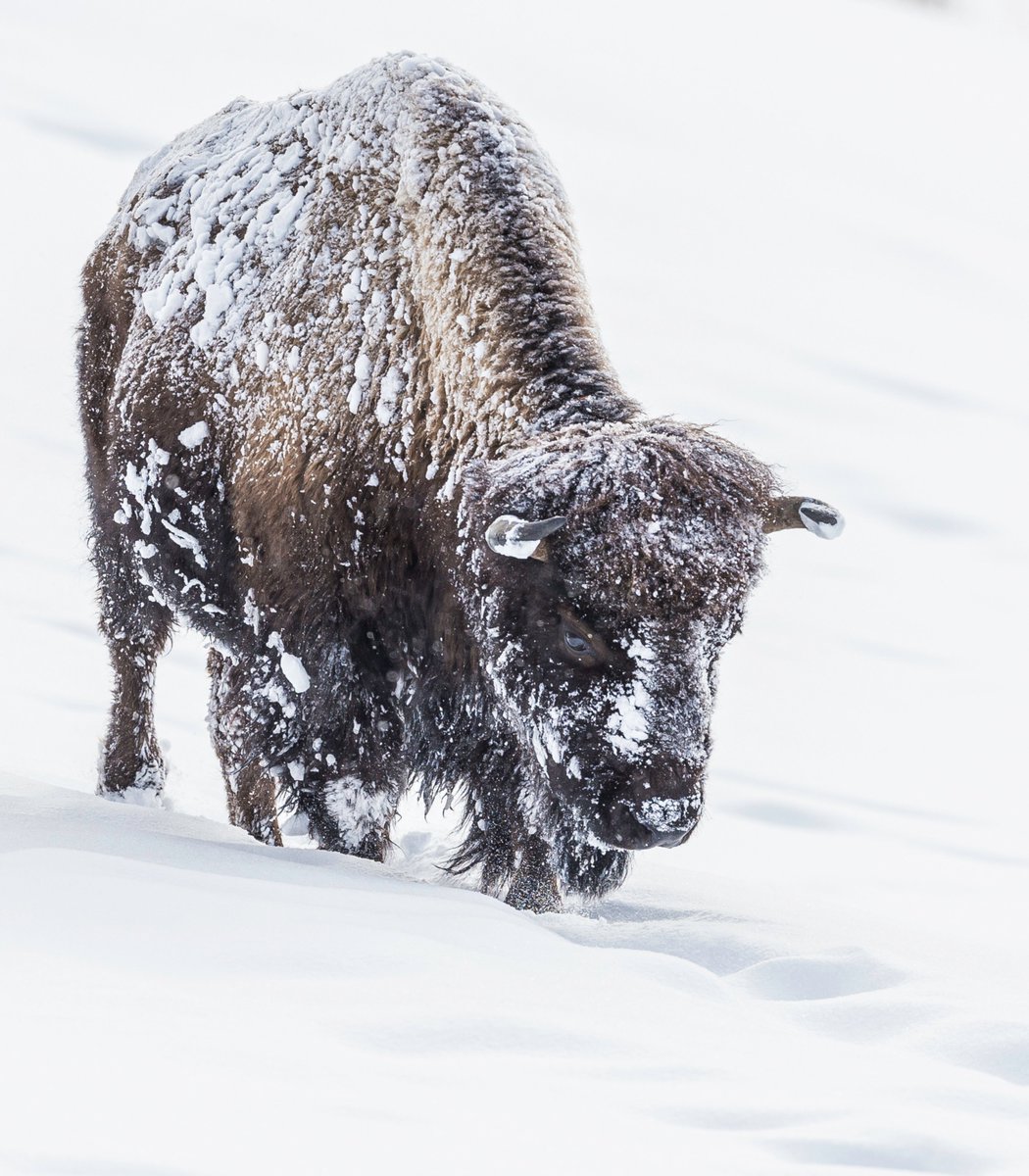
@AMAZlNGNATURE Bison are built for winter. Their coat is so insulating that snow can sit on their back without melting, and they use their heads to sweep through deep drifts to reach the grass underneath.