A man expresses concern after spotting an excavator being driven on the Kwahu road yesterday instead of being transported on a low-bed trailer, causing damage to the road surface.
OPEN LETTER TO MR SIKAOFFICIAL @SIKAOFFICIAL1
I understand how excited you must be after receiving the invitation from the US Embassy and the sense of validation it may bring. But Mr. Sika, as a Nigerian brother, I want to be open with you: this invitation is just the first phase of a psychological operation designed to recruit you as an intelligence asset for the US. Soon, your handler will offer you money and ask you to promote narratives that align with Western interests and work against the interests of Ghana.
I know that economic hardship might cloud your perspective on this, but I want to suggest that you read these books so you can better understand global politics. This might seem like a personal win for you, but in the larger picture, it benefits the US while being a loss for Ghana.
I’m committed to covering the cost of these books on Amazon, so you can read and gain a clearer understanding. Please let me know if you’re open to this. As David said, “Knowledge is a burden.” I just want you to see the bigger picture, my brother.
Bless up.
Acting Rent Control Commissioner Frederick Opoku has expressed strong anger at the University of Ghana authorities, including the Chancellor and Vice-Chancellor, over the alleged increase in hostel fees for the 2026/2027 academic year.
He said this development comes despite his earlier warning that no hostel fee increment should be implemented without approval from the Rent Control Department.
[🎥: GhanaUniUpdate]
@CediFootball247@fanti_boy We know about the warning dome years back and some of the workers at Labadi beach even confessed that they were given 2 weeks notice.
Bro tell us what we don't know. Don't just throw dust in the air.
@CediFootball247@fanti_boy Its even in a security zone so the clearing of the space is eminent. We also know how they are filling up the lagoon small small.
@CediFootball247@fanti_boy Give us evidence. I am also from La and I have friends working in the hotel. We know about the Teshie and La fight over Laboma.
He takes one simple word “belonging” and expands it from family, to country, to identity, before showing how that same sense of belonging can become dangerous when weaponized.
Solid rhetorical framing at its finest.💯
Africa’s textile traditions tell stories that stretch across centuries, carrying the history of communities through color, weaving, dyeing, symbols and patterns. Long before mass-produced clothing became common, textiles across the continent could communicate identity, status, occupation, spirituality and belonging. There is no single “African fabric.” Different regions developed their own materials and techniques, shaped by local resources, trade networks and generations of skilled artisans.
In West Africa, Ghanaian kente became famous for its brightly colored woven strips and patterns associated with Akan and Ewe traditions, while Yoruba artisans in Nigeria developed Aso Oke, another handwoven textile traditionally used for important clothing and ceremonies. Mali is closely associated with Bogolanfini, commonly called mudcloth, in which cotton fabric is decorated through a labor-intensive dyeing process involving fermented mud and plant materials. In Central Africa, Kuba textiles from the present-day Democratic Republic of Congo are especially known for raffia, geometric designs and complex surface decoration.
North Africa has equally deep textile traditions. Amazigh communities, including Kabyle and Tuareg peoples, developed distinctive weaving, embroidery and clothing traditions influenced by geography, trade and cultural identity. Egypt, meanwhile, has been associated with linen and later high-quality cotton production, particularly the long-staple cotton that became internationally famous during the 19th century.
Across eastern and southern Africa, textiles such as kanga, kikoi, kitenge, shweshwe and leteisi became important parts of everyday and ceremonial dress. Kanga is especially fascinating because the cloth can literally carry a message, with Swahili sayings printed onto the fabric communicating everything from affection and wisdom to humor and social commentary. Shweshwe, now strongly associated with southern African fashion, also shows how textile histories can cross borders and evolve through trade, colonial contact and local adaptation.
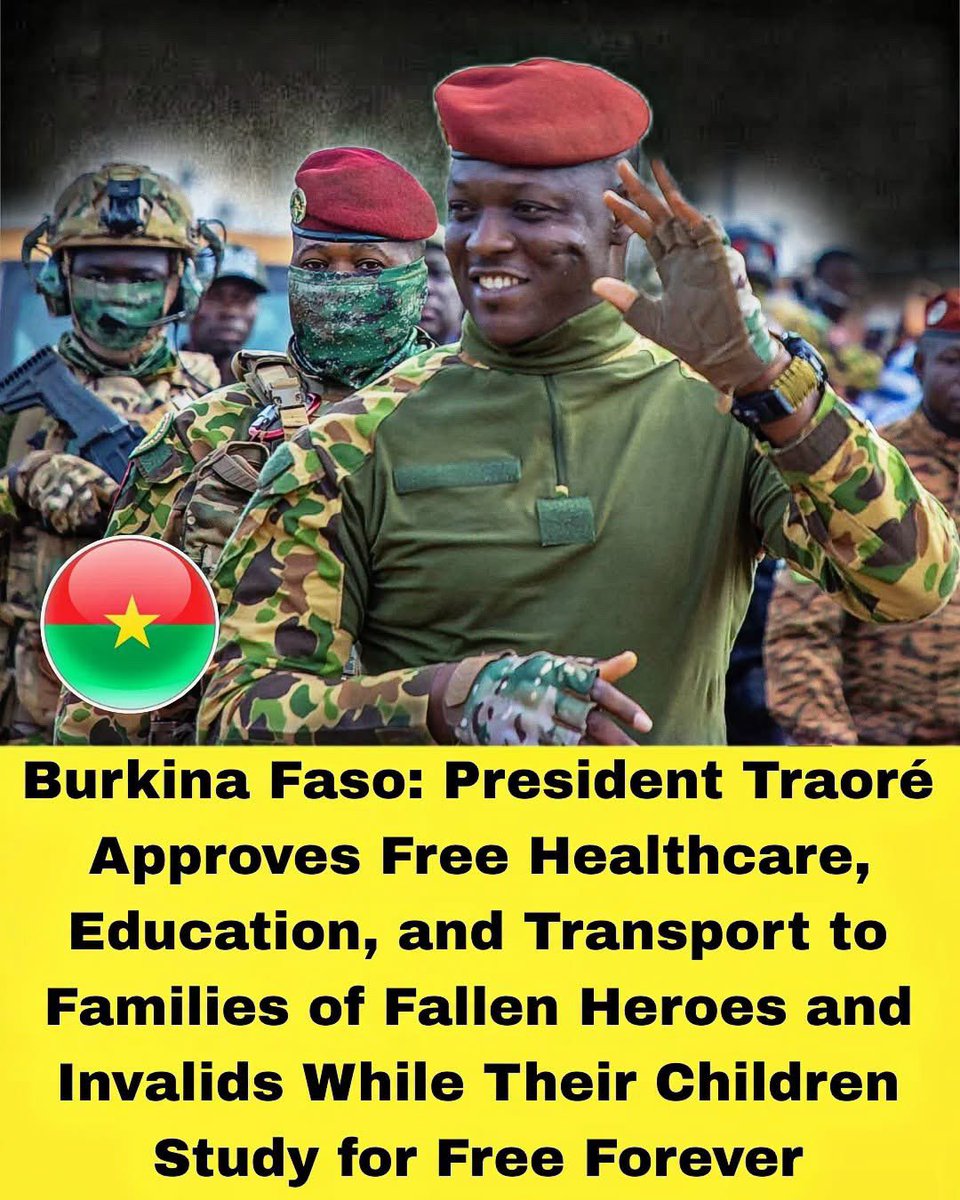
Burkina Faso 🇧🇫 is officially rewriting its history, geography, and citizenship textbooks to replace colonial-era terms like "explorers" and "conquerors" with "invaders" and "spies".