How have software engineering fundamentals changed with agentic coding? Here is our AI Engineering Skills map for software engineering fundamentals. https://t.co/cnRLj43DLs
Oil is up 34.5 percent in a week. Gold is up 2.3 percent. That divergence is the single most important signal in global markets right now and almost nobody is reading it correctly.
The consensus explanation is that dollar strength from oil driven inflation is capping gold. Energy costs denominated in dollars increase global dollar demand. Higher inflation delays Fed rate cuts. Gold rises on the war premium but falls on the rate repricing. Net result: modest gain while oil screams higher.
Mechanically correct. Strategically incomplete.
In every major oil shock driven by Middle Eastern conflict since 1973, gold’s response has followed a two phase pattern. Phase one: gold underperforms oil because the dollar strengthens on the same inflation that drives the oil surge. The correlation between oil and gold compresses from its crisis average of 0.6 to something lower. In the current war the correlation has run at roughly 0.4 since February 28.
Phase two arrives when the market realizes the disruption is structural rather than transient. When the forward curve shifts from pricing a spike to pricing a plateau. When inflation is no longer a fear but a fact embedded in input costs and food prices. When central banks run out of room to hold rates steady against a supply shock they cannot fix with monetary tools. The dollar ceases to be a haven. The correlation snaps back. Gold reprices to match the structural reality that oil already priced.
In 1973, oil quadrupled between October and March. Gold rose six percent during the embargo itself. Then gold rose 73 percent over the following twelve months as the structural inflation embedded.
In 1990, oil doubled during the Kuwait invasion. Gold rose six percent during the crisis. Then gold held its gains while oil collapsed when the war ended in weeks.
The difference between 1973 and 1990 is duration. The embargo lasted months. The Gulf War lasted weeks. Gold’s phase two only detonates when the market accepts that the disruption is not transient.
Now apply the mechanism test. Hormuz is closed not by Iranian gunboats but by the withdrawal of commercial reinsurance. Reinsurance returns on actuarial timelines, not political ones. The DFC backstop covers six percent of the exposure gap. The ships have not moved. Futures are pricing 30 to 60 day resolution. The mechanism says months.
If the mechanism is right and the market is wrong about duration, gold is currently in phase one of a 1973 pattern, not a 1990 pattern. The 2.3 percent gain is not gold failing as a hedge. It is gold waiting for the market to catch up to the mechanism.
Goldman Sachs has a year end target of $6,300 set before the war. If the Hormuz closure persists beyond 90 days, that target is conservative.
The oil chart says the supply shock is real. The gold chart says the market believes it is temporary. One of them is wrong. The reinsurance mechanism says it is gold that has not yet priced reality.
The lag is the trade.
https://t.co/ULBgEzZ3A8
🚨🚨🚨🚨IN A BOMBSHELL INTERVIEW PROFESSOR JIANG PREDICTS THE UNITED STATES WILL LOSE THE WAR AGAINST IRAN AND EXPLAINS EXACTLY HOW🚨🚨🚨🚨
After everything thats going on and watching Iran's methods of retaliation. This all makes sense.
🚨THIS IS A SHOCKING MUST WATCH!🚨
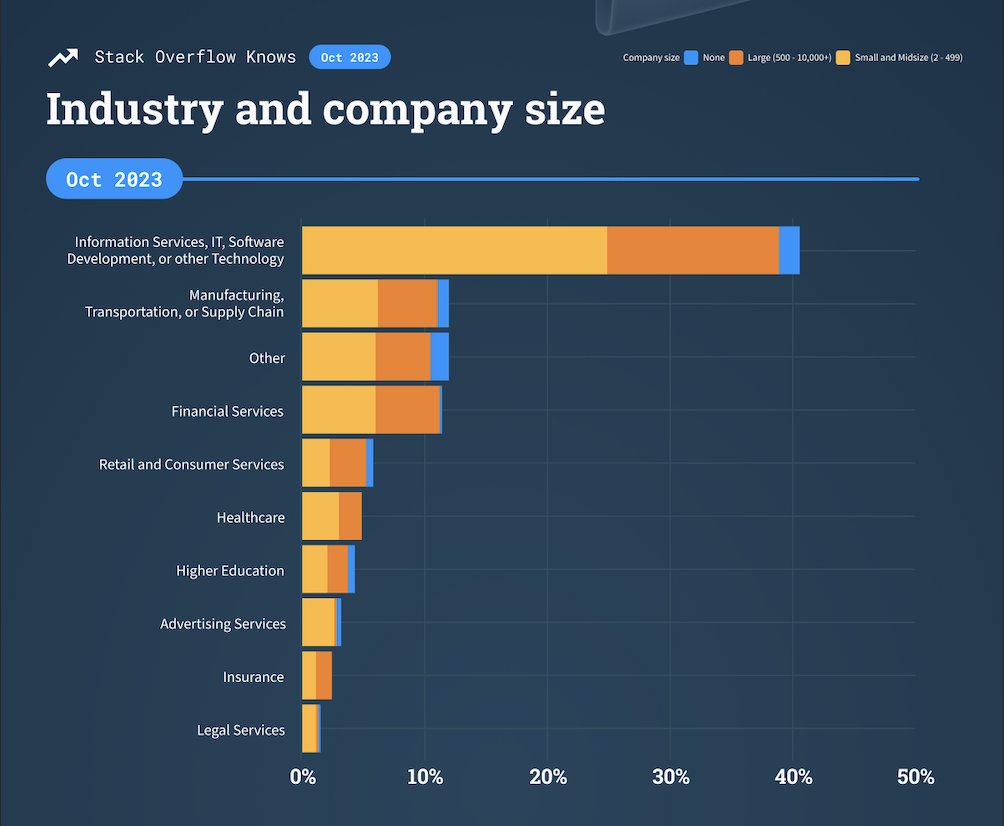
Did you know that 79% of developers are considering new job opportunities? Or that tech talent are migrating from tech to manufacturing and supply chain companies?
Read more insights from our latest #StackOverflowKnows survey: https://t.co/UzcSNsVpMg
Python is popular for web development, often used on the backend with frameworks like Django & Flask.
But there's a new framework called PyScript that lets you use Python on the web with standard HTML.
In this tutorial @Ifihan_ shows you how it works.
https://t.co/erUWuxDVpu
As a developer, you'll always be needing to learn new things - new skills, new tools, new processes.
But how do you actually take it all in?
In this guide, @kealanparr shares his top tips to help you keep learning and getting better all the time.
https://t.co/cHjtnqFBSE
"72 Rules for Investing and Winning in the Market".
I usually dismiss content with these titles, but this short book was excellent. Solid & practical advice for long-term individual investors. h/t @RobinSpeziale👏
cc: @dmuthuk@Gautam__Baid@saxena_puru
https://t.co/Y4B8TcxC6k