The India–US Trade Deal strengthens economic ties by easing tariffs, reducing regulatory barriers, and improving supply chain access. For India, it creates an opportunity to integrate deeper into US value chains. In tea, furniture and carpets, the focus is higher value addition through design, compliance, branding, and premium manufacturing at home @ficci_india
The India–US trade deal is critical for labour-intensive sectors that employ nearly 80 million Indians in textiles, apparel, carpets, furniture, gems, tea and pharma. The US is India’s most important export market, while US VC and PE are among the largest backers of India’s start-up ecosystem. Together, India and the US are among the biggest contributors to global economic growth
India, the world’s fastest-growing major economy, can partner with Europe’s technology, brands, and heritage to build a new, win-win trade story
This trade deal will open global markets for tea, textiles, carpets, and design, and reaffirming the case for free trade @ficci_india
Mark Tully - a wonderful man and a brilliant journalist passed away earlier today - a friend of Obeetee and Luxmi Tea for years and a friend of India - I am sharing his two videos made almost twenty years ago
Luxmi: A Century in Tea https://t.co/A9F0tS9qAM via @YouTube
https://t.co/Y5Xowxrbb9
@dilhanfernando Thank you Dilhan for your insights and experience, and it was great to learn from Chris’ analysis and from Tanvi on Vahdam’s D2C strategies
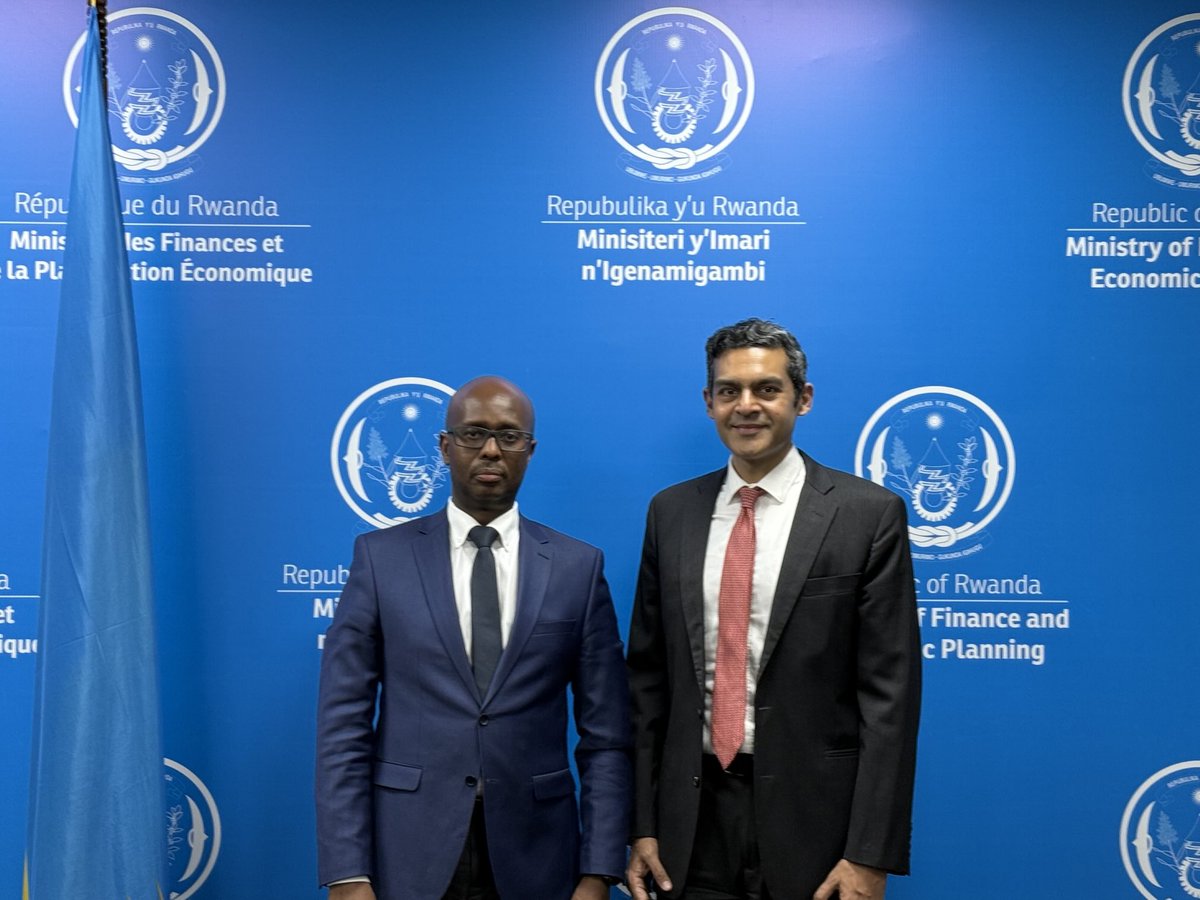
Pleasure meeting Hon’ble Finance Minister Yusuf Murangwa via @RwandaFinance to discuss Rwanda’s remarkable growth journey — focused on business, execution, and opportunity
Every carpet is a witness. In Threads of Empire, historian Dorothy Armstrong, Beattie Fellow in Carpet Studies at the Ashmolean Museum at Oxford, unravels twelve that saw empires rise, faiths converge, and peace negotiated. Personally, it is a treasure - design history scholarship meets the living traditions we carry at Obeetee @SoDesignHistory@obeeteecarpets
In THREADS OF EMPIRE carpet specialist, Dorothy Armstrong, tells the stories surrounding twelve of the world’s most fascinating carpets. Read the full review of the book here: https://t.co/kFkE7IEvCd https://t.co/6pDfFLoFaX
“We passed from the hand to the machine… we began to miss something in our cheap but ugly products. Efficiency was not enough. Machines did not satisfy the soul.” The answer was to introduce beauty into consumer objects.
— The Invention of Design, p.26, Maggie Gram
A brilliant history of how design became both a commercial tool and a cultural language
🎨 New Release: THE INVENTION OF DESIGN by Maggie Gram
Explore how "design" evolved from mere aesthetics to a powerful tool shaping our modern world.
"A rich, literate exploration of how the concept of design emerged as a way to humanize and soften the harsh edges of capitalism.” —@KirkusReviews
☎️ Learn more: https://t.co/NwnOXntP8r
#TheInventionOfDesign
Since the fall of communism, trade and human capital flows lifted millions out of poverty. India rose from low to lower-middle income. World Bank data shows how every country moved upward. As new barriers are considered, we must not forget what’s at stake https://t.co/ZmdO5g6Ge2
#Opinion | Bengal need not replace Gujarat or Tamil Nadu; it can elevate what they make. It can help India become a nation where one beloved brand outweighs a container ship of undifferentiated goods, writes Rudra Chatterjee
#WestBengal#IndianEconomy#Culture
https://t.co/Y4w83cOHgi
From worrying about not receiving PL-480 wheat from US in 1962 as part of an aid package to worrying about receiving GM wheat in 2025 from US as part of a trade package — India has come a long way