I just created a primer to summarize my research on health care (the many ways in which conventional wisdom is wrong). Much of this content was previously spread across several posts, and some of it is new.
https://t.co/UUUbhX3kmT
This is yet more brilliant work by Parker.
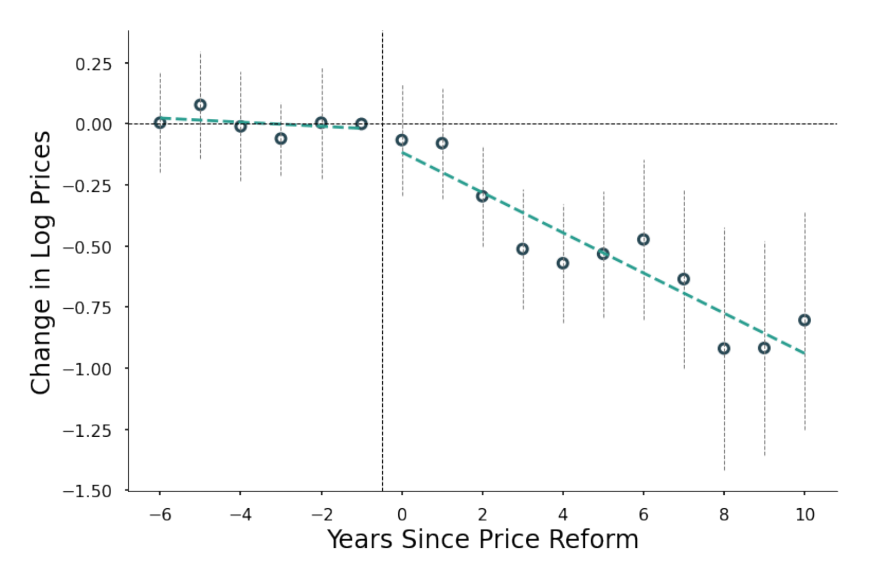
The government can constrain Medicare prices:
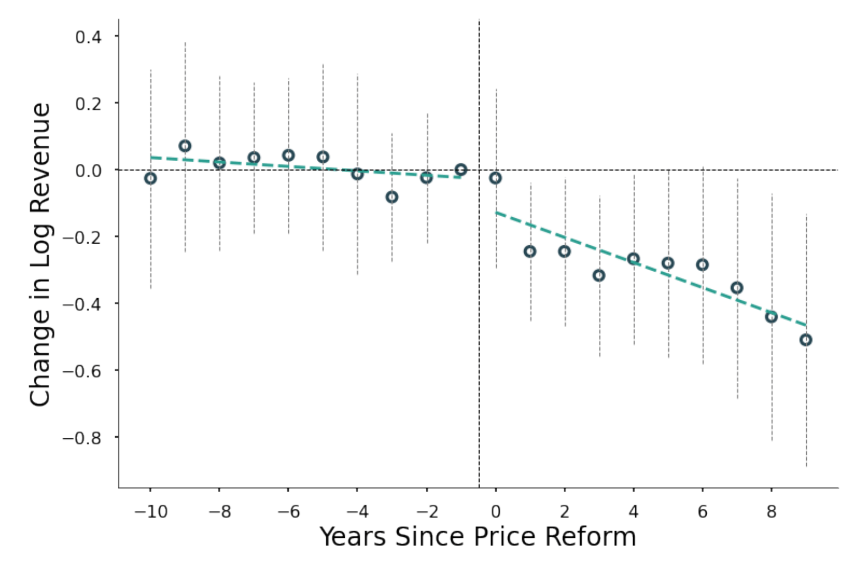
And this lowers manufacturer revenues:
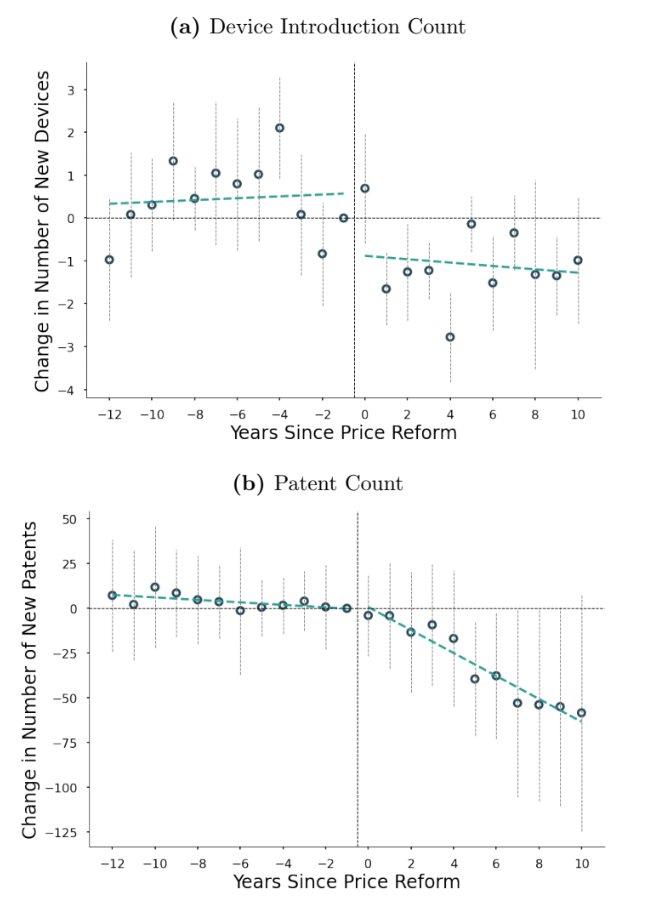
Leading to less R&D spending, and then to fewer new medical devices and patents:
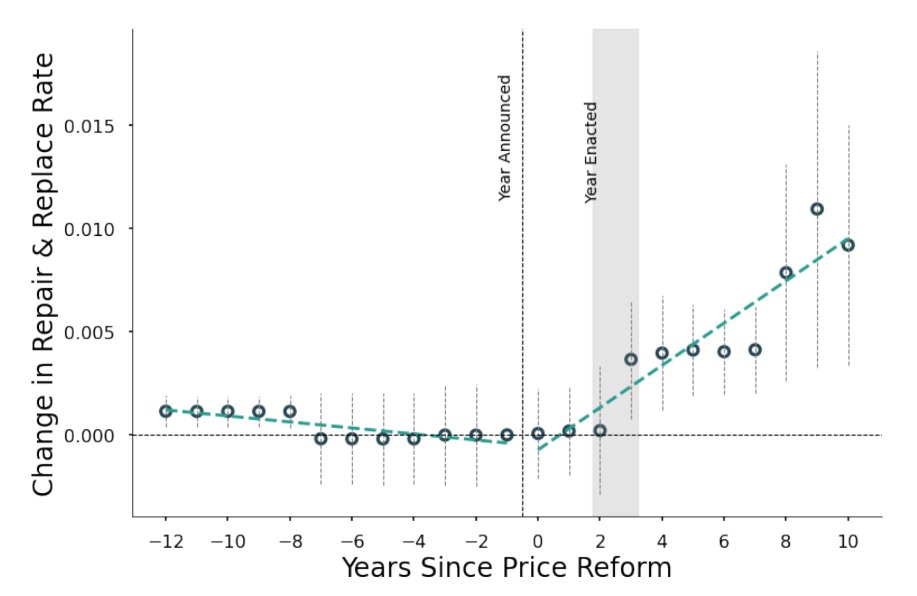
And lower overall product quality:
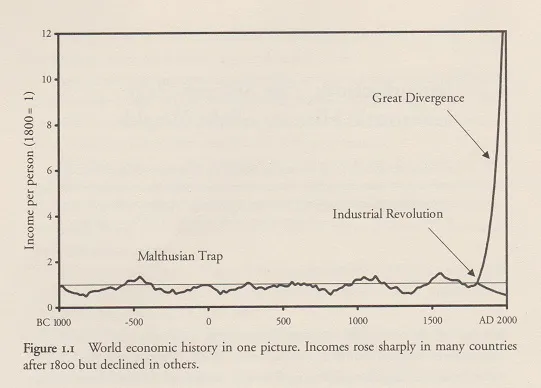
@27_saffy @datepsych@robertlufkinmd Ultimately it's downstream of economic prosperity and technological advancement in food production. Humanity is adapted to food scarcity, not the sort of abundance we take for granted today.
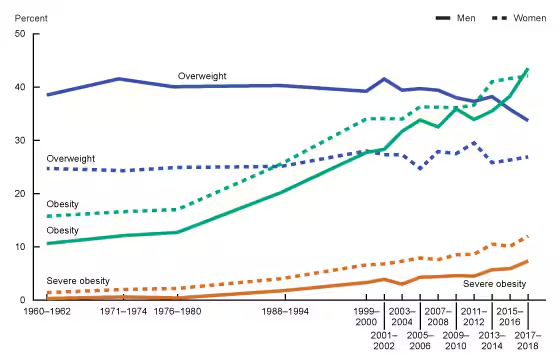
@27_saffy @datepsych@robertlufkinmd BMIs were rising long before "ultra-processed" foods even became available. Anything that increases the availability and affordability of palatable energy-dense foods (e.g., shelf-stable snacks, fast foods, affordable fats) can be expected to shift population BMI right.
How credible was the "credibility revolution"? How robust is empirical research in economics? We just replicated a year's worth of the American Economic Review & had economists predict robustness. Here's what we learned. https://t.co/kOWJvSa6vJ
New article by me:
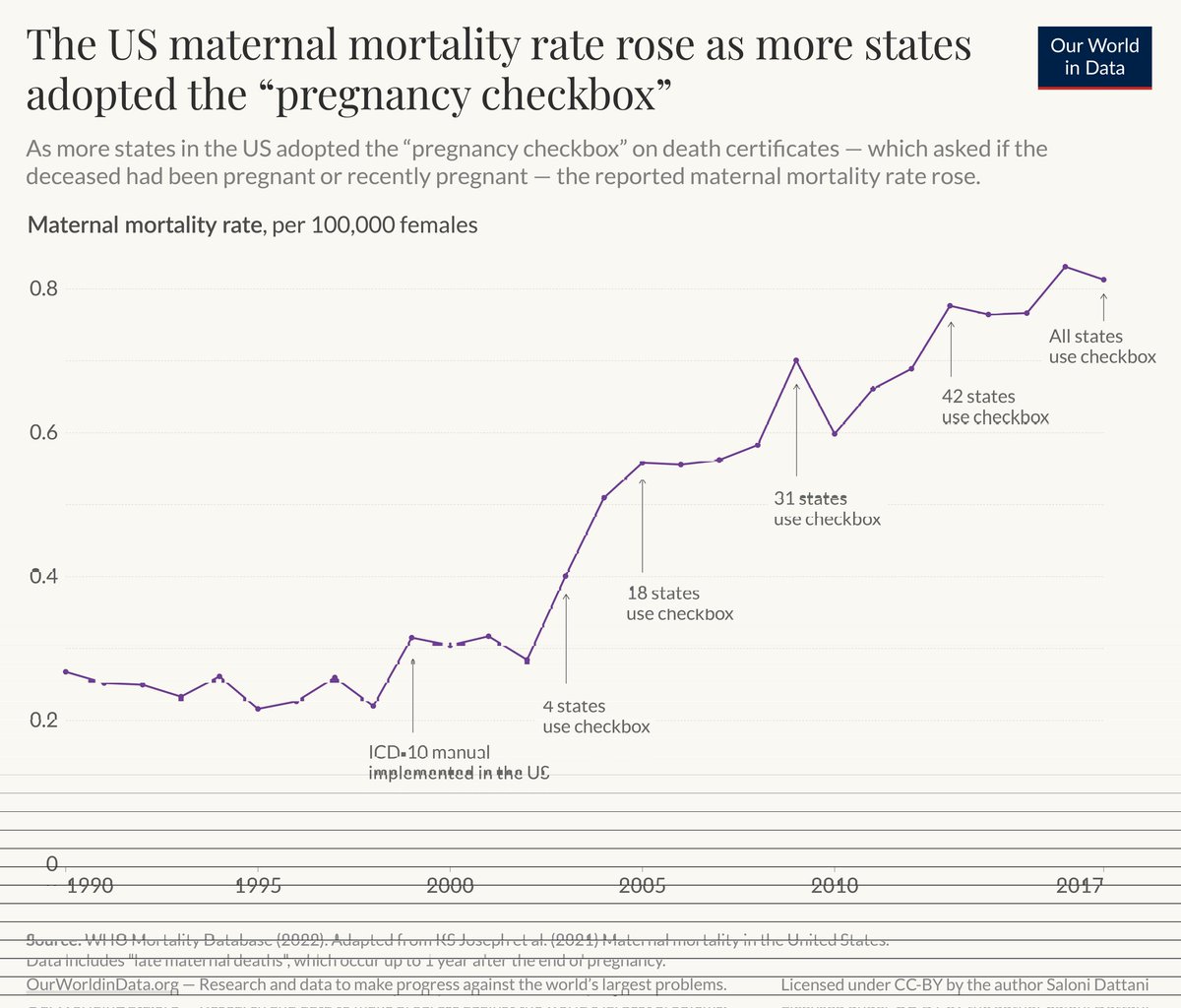
The rise in reported maternal mortality rates in the US is largely due to a change in measurement.
https://t.co/P9fa7GKXUb
The change was adopted by different states at different times, resulting in what appeared to be a gradual rise in maternal mortality.
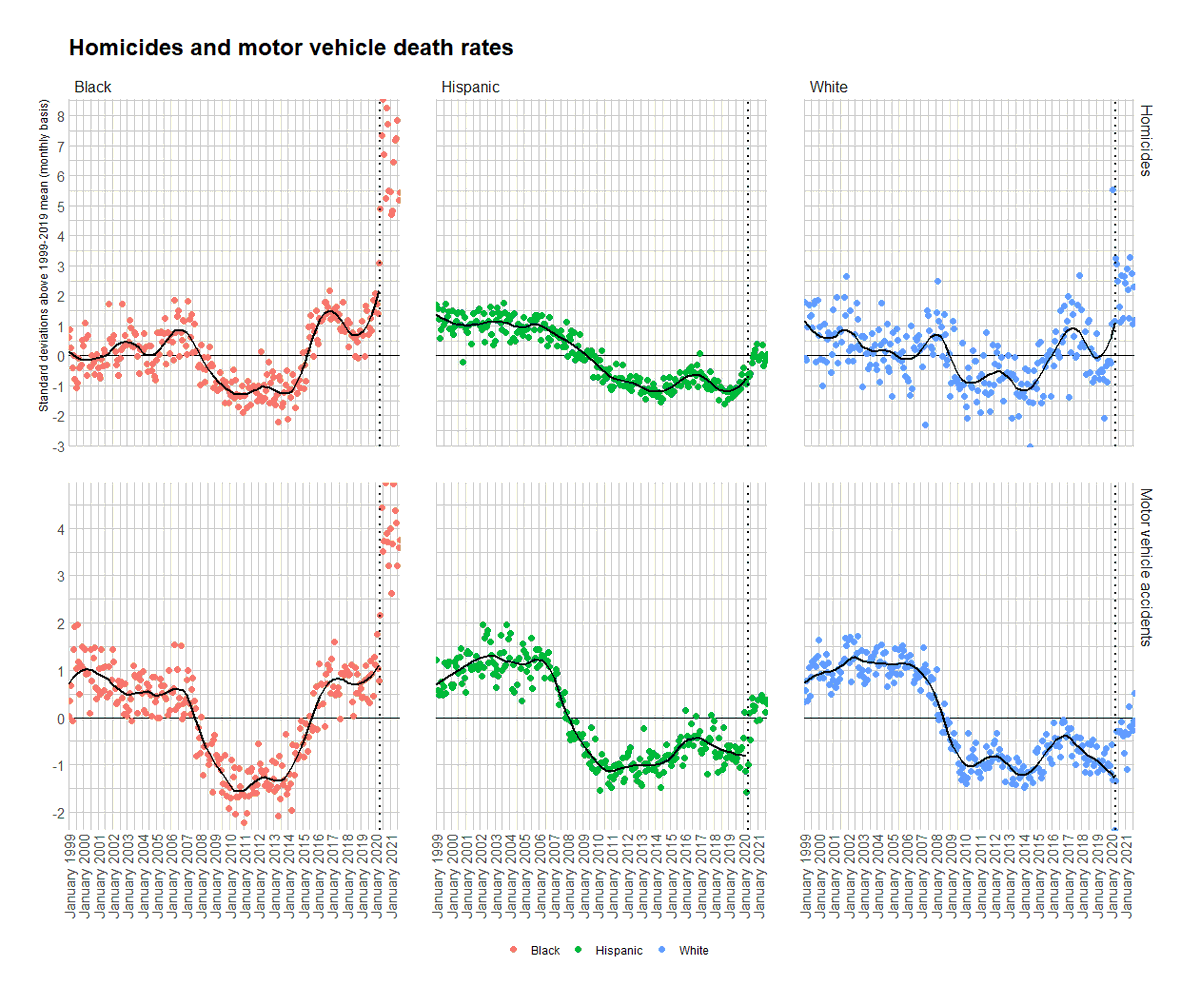
@drjohnm The change in trend was substantially more concentrated amongst men, the young, and black people. They were also substantially spread across the country and by no means limited to urban areas.
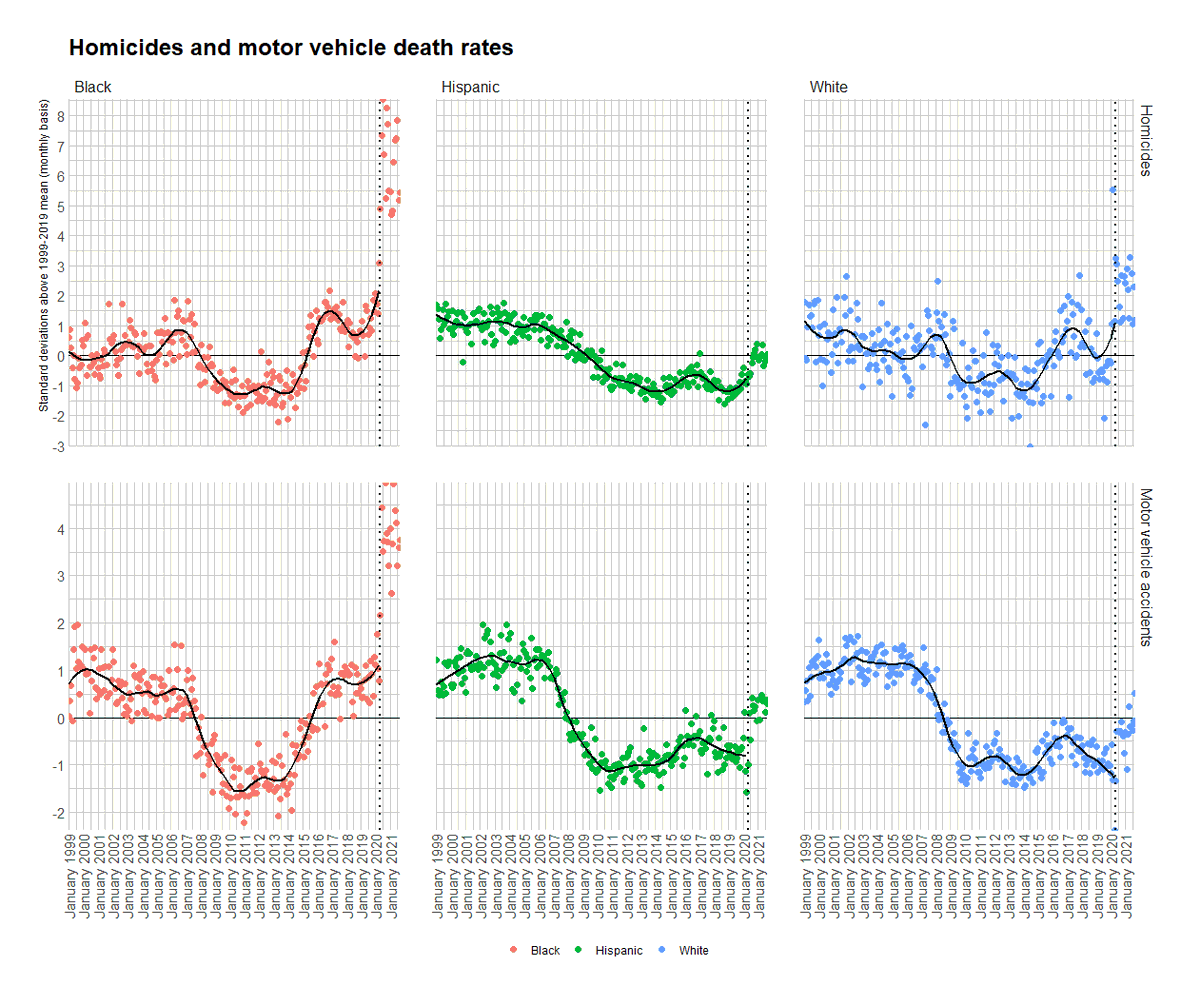
@drjohnm Given the overall and subgroup trends, I have a fairly strong hunch it's substantially related to the increase in social disorder (see: fatal violence, car accident deaths, etc) that started in 2014 and exploded in 2020. Psychosocial stress seems a plausible channel.
@JulienTerzariol@BayesReality Slime got a lot of important facts wrong here, and he never really contended with the elephant in the room vis-a-vis prices or increasing the affordability of tasty, high-calorie food.
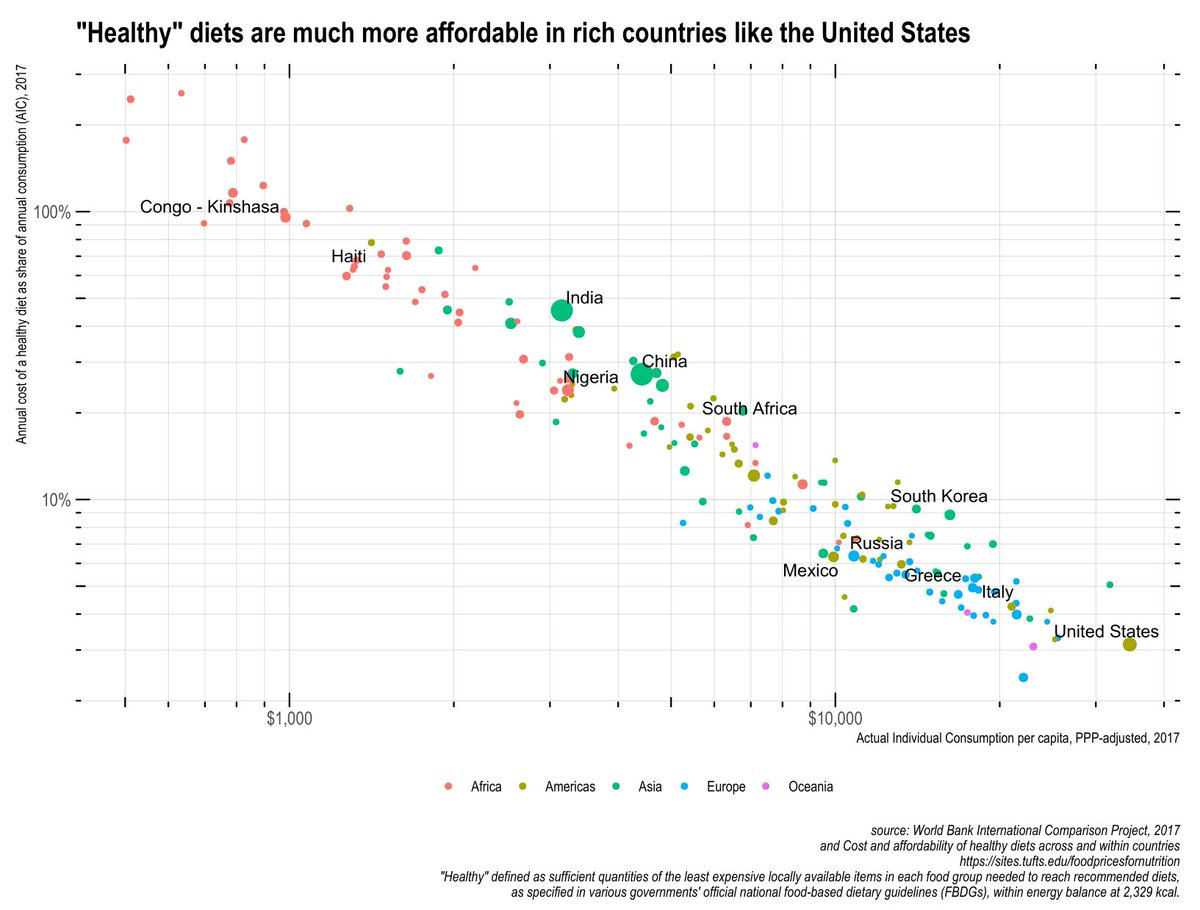
No, it 𝘪𝘴 the calories. All calories, particularly palatable and energy-dense foods, such as fats and sugars, are much more affordable and accessible today than at any other time or place in history. The Hadza don't have DoorDash.
https://t.co/FpubjoAlCM
In the 1980s, something happened and obesity suddenly began to spike in the United States. But what caused the spike?
Here is why it's...
- Not the sugar
- Not the PUFAs
- Not the nnEMFs
- Not the calories
THREAD 🧵
@davisdilanchian The dip in the late 1800s in the US was probably real, however, and I believe there's similar pattern in the UK (with perhaps somewhat different timing)
@davisdilanchian You might be able to determine that by closely examining the footnotes in clioinfra and its sources, but height is estimated from some other varying data sources, which adds some noise/volatility.
@davisdilanchian Oh I agree, mostly, but the trends for less healthy foods are similar. It's just a convenient way to demonstrate it with a reasonable basket of foods.
@davisdilanchian Even though England industrialized first, the US had a relative abundance of food in the colonial era due to the low population density vs productive agricultural lands.
@davisdilanchian Indeed, I suspect this is part of the reason why the United States and other anglosphere countries seem to be a bit fatter than one might expect, independent of racial/ethnic factors.