Voyager 1 is 24 billion kilometers from Earth.
It communicates with us using a 23-watt transmitter.
Less than a refrigerator light bulb.
The signal takes 22 hours to reach us, traveling at the speed of light.
By the time it arrives, it's 20 billion times weaker than the power of a digital watch battery.
NASA's Deep Space Network picks it up using 70-meter dish antennas cooled to near absolute zero to reduce electronic noise.
The engineering required to hear a 23-watt signal from 24 billion km away is arguably more impressive than the spacecraft itself.
Launched 1977.
Still transmitting.
Still being heard.
We built something that works perfectly, 47 years later, in conditions no one has ever tested in.
That's what engineering for the long term looks like.
Daylight reveals the extent of damage caused to Launch Complex 36 (LC-36) and the surrounding area of Cape Canaveral Space Force Station in Florida, following last night’s massive explosion of Blue Origin’s New Glenn during a Static Fire Test. Significant fire damage to the launch pad, tower, and other infrastructure can be seen - which will undoubtably require months of repairs - while debris from New Glenn lay scattered around LC-36.
Photo credit: @asherbphotos@tweetsiphotos@LaunchHeavenX
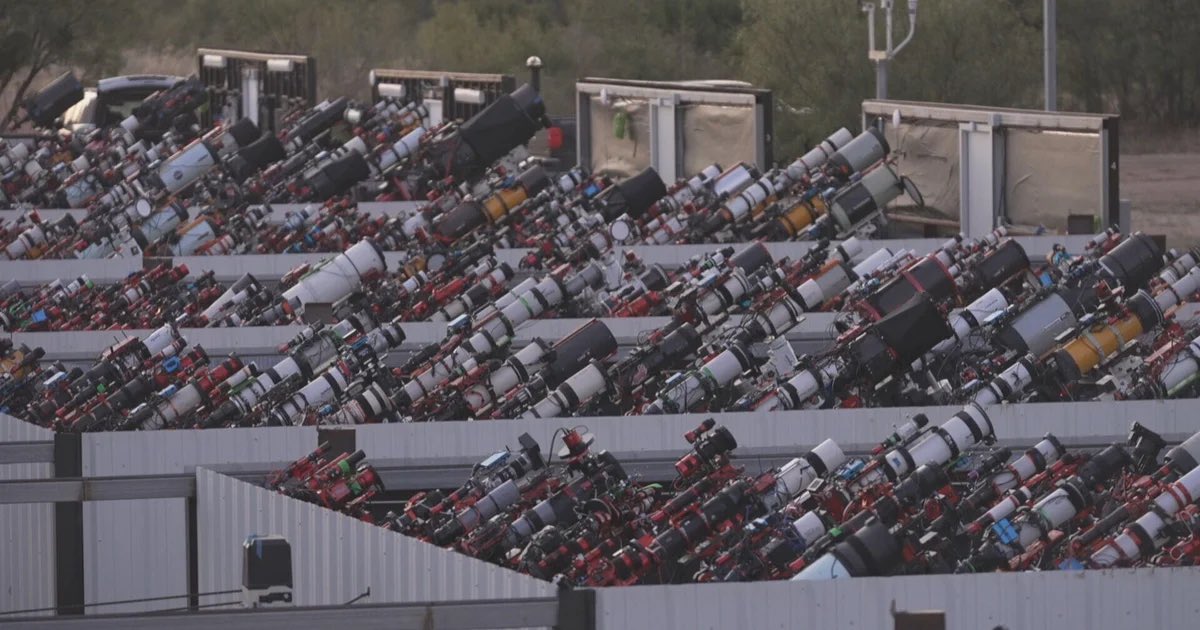
Just learned about the concept of a “telescope ranch” in Texas.
People pay to have their $10,000+ telescope rigs set up in the middle of TX to avoid light pollution.
Every night the roof rolls back off the warehouses.
Then you can remote in to your telescope and use it from anywhere in the world.
Liftoff of Starship V3, from the dunes right outside the pad.
This is the most insane shockwave action I have ever seen on video. Absolutely mad.
📽️ Me for @WeAreSpaceScout