The Red Cross Scientific Advisory Council is a 50+ member panel of nationally recognized experts that ensures learning is based on the latest and best science.
Can conservation planning be more resilient by embracing uncertainty? A new study in @GlobalChangeBio, co-authored by @RobertLempert, applies Robust Decision Making to stress test strategies across hundreds of climate futures. https://t.co/S7VKvZTnD9
Is timing of surgery for congenital lung malformations in infants linked to outcomes? A new study in @JPedSurg co-authored by Tamar Levene explores national practice variations and asks whether earlier or later intervention makes a difference.
Survival rates for non-shockable OOH cardiac arrest rhythms remain alarmingly low. New research in @Resus_Journal from Jestin Carlton explores whether advanced airway management could improve outcomes, especially when defibrillation isn’t an option. https://t.co/QlRaooHxaX
Can antivenoms trigger allergic reactions in patients with α-GAL sensitivity? A new study in @AnnelsofEM with co-author Nathan Charlton explores the link between pit viper antivenoms and anaphylaxis risk. https://t.co/a5l6AAU2L9
Are regional nerve blocks and NSAIDs a safer, narcotic-free option for pediatric circumcision pain management? A new study in @AmSurgeon co-authored by Tamar Levene explores current practices and the potential for opioid-sparing protocols.
https://t.co/vnsLhsiPFg
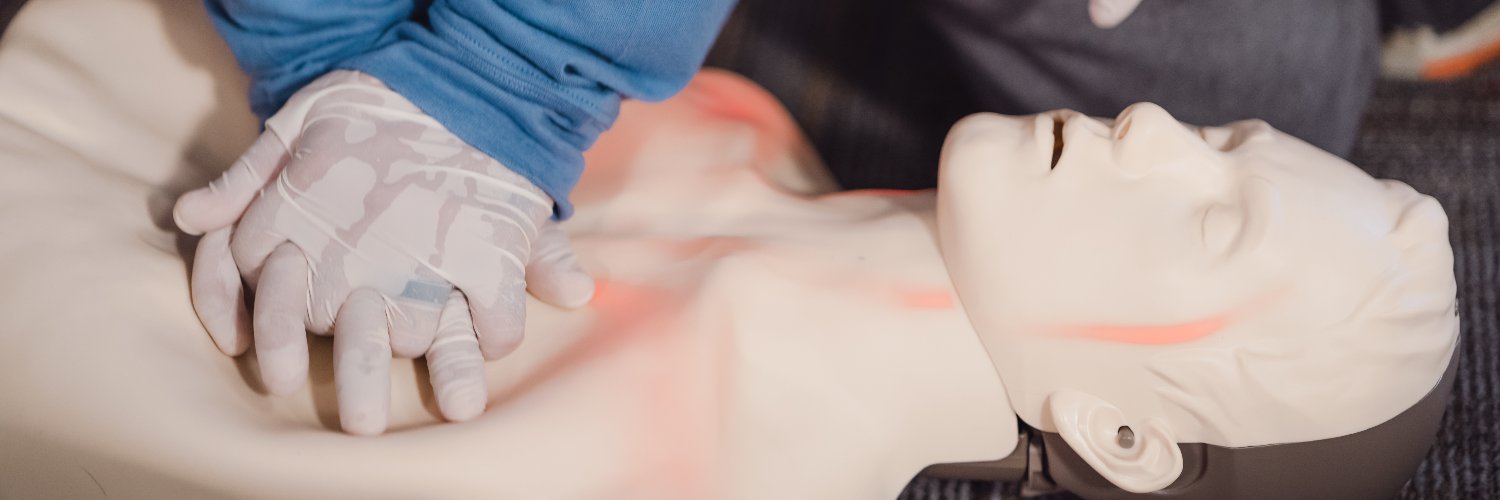
Today is World Restart a Heart Day, a global recognition day championed by @ilcor_org. You can be a lifesaver in three simple steps:
1. Check: Make sure it is safe to approach
2. Call 911 and send someone to get the AED
3. Care: Start immediate CPR and use an AED when it arrives
Radiation exposure in pediatric CT use varies across facilities & raises long-term health concerns. In The American Surgeon, Tamar Levene discusses how prioritizing radiation stewardship & standardizing practices can reduce unnecessary risk/improve care. https://t.co/hro2R1n8QU
Can select non-elderly adults with isolated grade III blunt splenic injuries safely avoid ICU admission—without increased risk of complications, splenectomy, or death? This study in @JSurgRes is co-authored @CatherinekuzaMD. #TraumaSurgery#CriticalCare https://t.co/xWCMufs6OM
Advances in ED resuscitation are improving outcomes for critically ill patients. Yet challenges like overcrowding & burnout persist. A multidisciplinary, tech-enabled approach is key, per this study in @CO_CriticalCare w/ co-author @Heatherleebail1. https://t.co/xKcZMuI0NN
Advanced airway devices facilitate ventilation and oxygenation during OOH cardiac arrest but the differences in gas exchange between advanced airway devices are unknown. This study in @Resus_Plus w/ co-author Jestin Carlson examines the correlation. https://t.co/g2axQo9iIv
This study, conducted under 1st author Iqbal El Assaad and published in @JCardioEP, aims to evaluate CPET for detecting chronotropic suppression and compare life-threatening event rates between submaximal vs. maximal treatment strategies. #Cardiology https://t.co/eTZHYz62TU
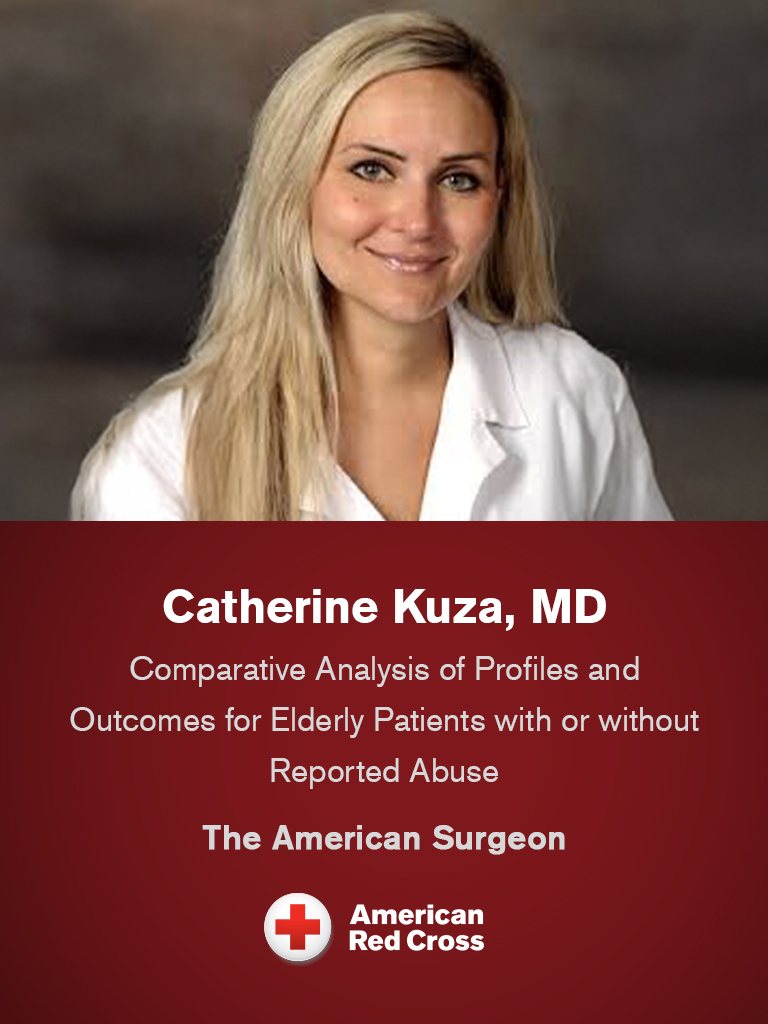
Could older adult abuse be linked to higher rates of penetrating trauma, longer hospital stays & increased mortality? Findings from 1,500+ cases suggest a critical public health concern. Published in The American Surgeon w/ co-author @CatherineKuzaMD. https://t.co/Qpa834CarH
A retrospective review in The American Surgeon w/ co-author Tamar Levene finds no significant differences in complication or ER return rates among neonatal circumcision techniques. Technique choice should reflect patient factors and surgeon preference. https://t.co/PZQQEp2UBO
How can EMS systems safely and effectively implement prehospital blood transfusion programs to improve outcomes in hemorrhagic shock? These clinical practice guidelines can be found in @TSACO_AAST w/ first author @drmattlevy. #EMS#TraumaCare https://t.co/02ljlC1tvM
AI is reshaping critical care & a multidisciplinary consensus published in @Crit_Care, co-authored by @heatherleebaily1 outlines key challenges/actionable steps for ethical, patient-centered AI deployment in ICUs. #CriticalCare#AIinMedicine#EthicsInAI https://t.co/6cUadGoxRi
This study in @PLOS_ONE with co-author Aaron Orkin aimed to describe the experiences of Canadian emergency physicians caring for people who use drugs, and facilitators and barriers to implementing harm reduction interventions in the ED. https://t.co/eui6idPCMo
New in @AnnalsofEM: Co-author Jestin Carlson reports 75.1% first-pass intubation success in 12,713 EMS cases. RSI patients had highest success (82.4%). Results are promising—but limitations reveal gaps in our understanding of out-of-hospital RSI. #EMS https://t.co/YMbtoRD3HV
Co-author Catherine Kuza, MD examines in research published in @JSurgRes how overall and #ICU admissions vary between pediatric-only hospitals and combined pediatric-adult #trauma centers. #pediatrics https://t.co/vUTpTlzT8L
Implementing an #ERAS protocol for Nuss repair of pectus excavatum cut hospital stays, eliminated ICU admissions and halved opioid use. A big win for recovery, cost, and quality of life. Published in The American Surgeon with co-author Tamar Levene, MD. https://t.co/COgWGxOY5C
A @CureusJournals review w/ 2nd author @niciems1 finds major evidence gaps in spinal motion restriction by first aid providers. Despite widespread EMS use, no studies tested these interventions in lay responders, highlighting urgent research needs. https://t.co/IqYWl7U0a7