The final paper of my PhD thesis is officially in #MNRAS! 🥳
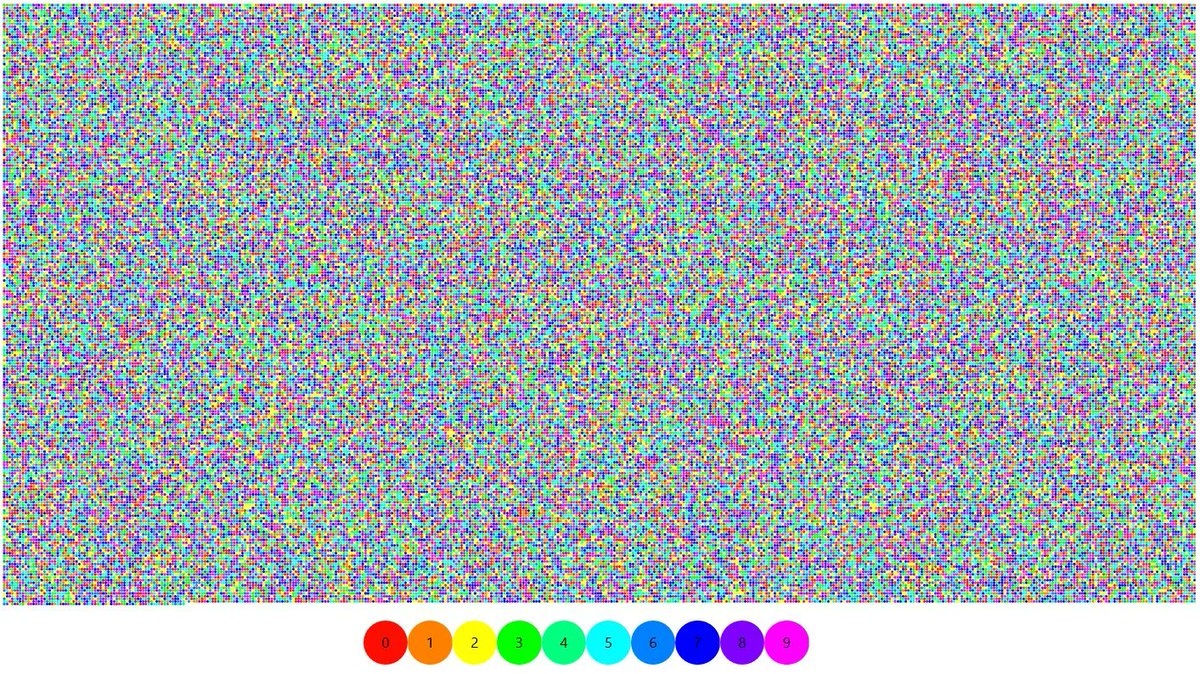
Here’s a Rorschach-like image I made to sum it up.
What do you see? 😅
How we model unresolved neutral hydrogen in the early Universe shapes reionization & could influence the Ly-α forest. 🔭
https://t.co/RioczPX87v
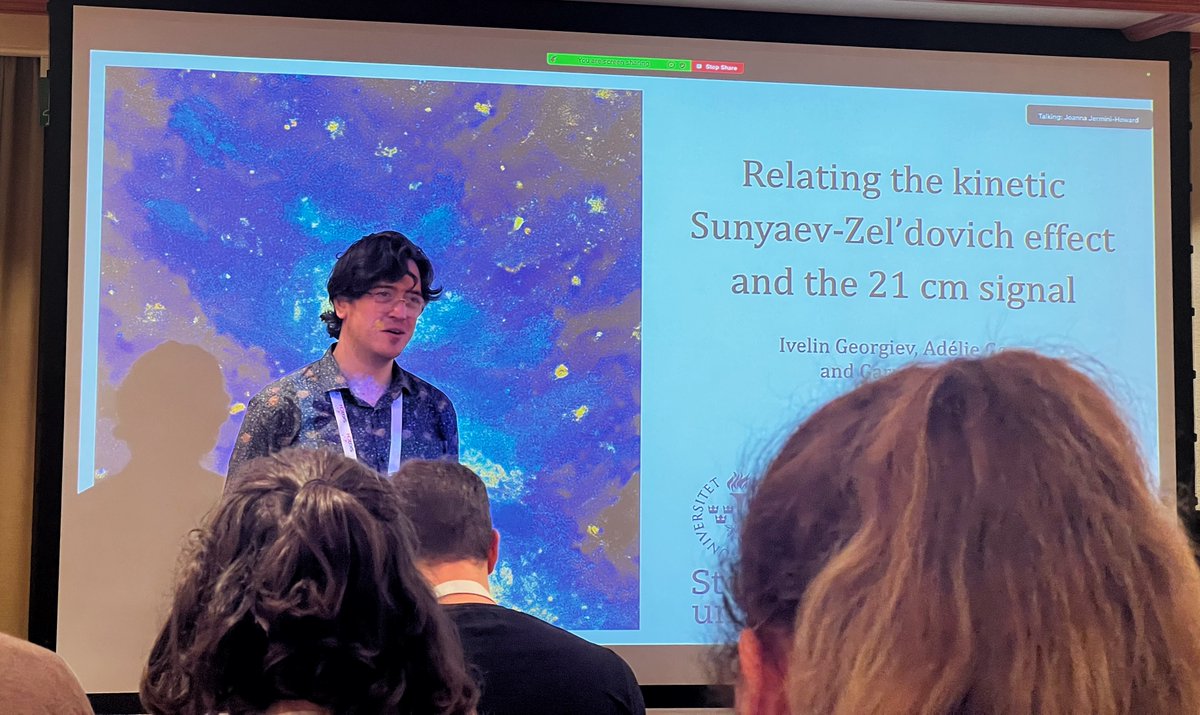
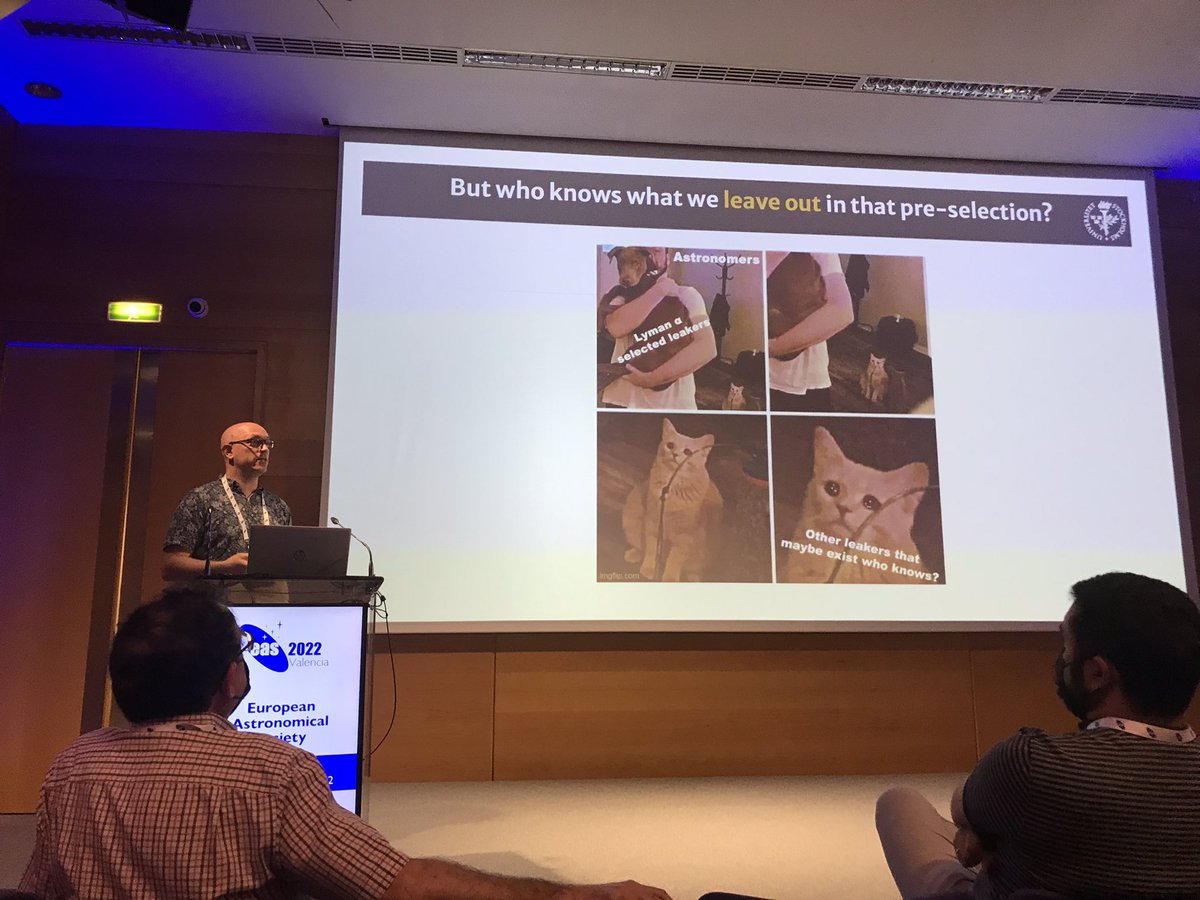
Thank you to @SKAO for awarding me an Early Career Researcher Scholarship, which has allowed me to attend & present at the Cosmology in the Alps Conference!
The views have been breathtaking 🏔️ and the science fascinating 😎!
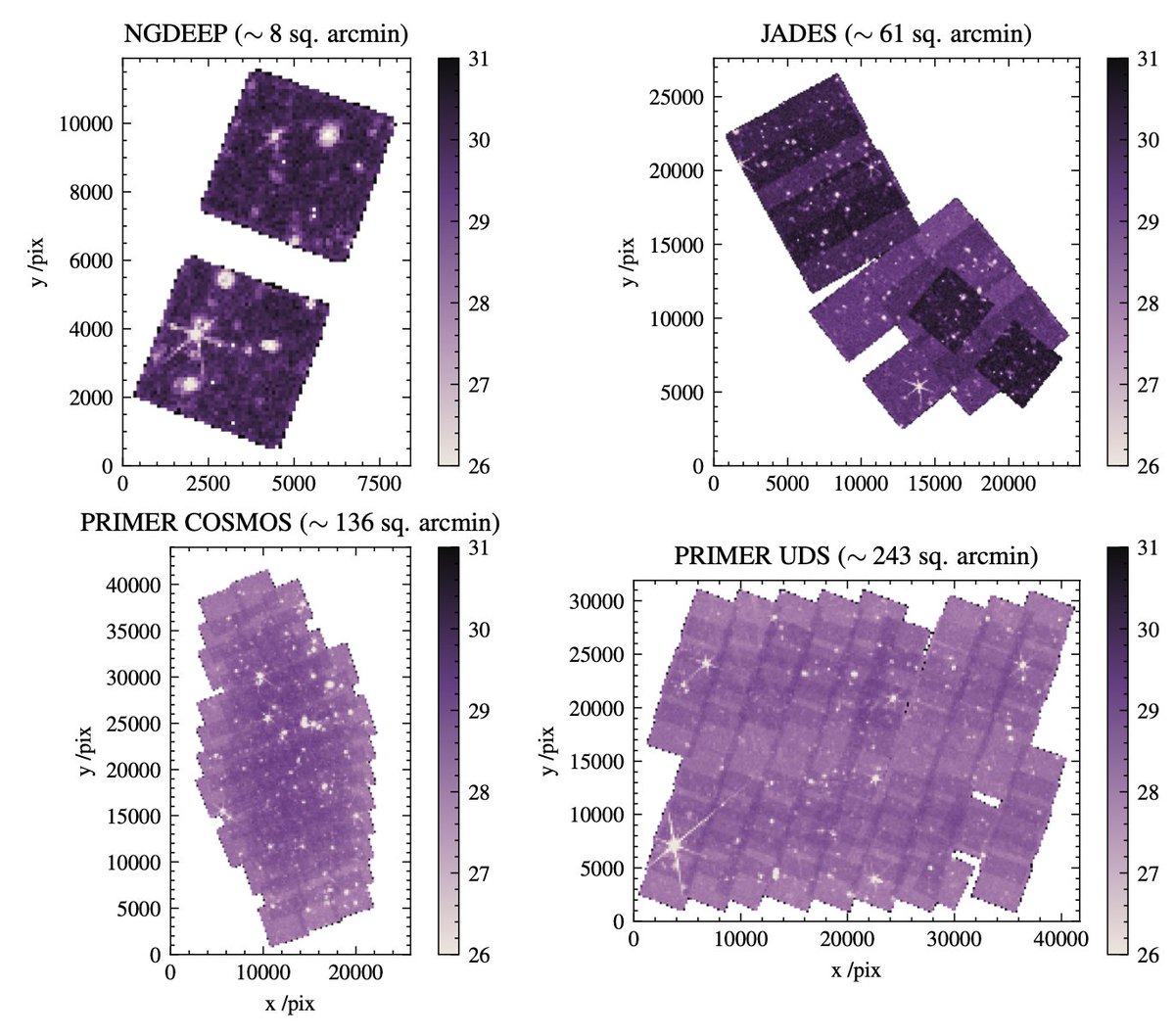
I'm happy to present our new paper on the UV luminosity function at z=9-15! We use a combination of the PRIMER, JADES and NGDEEP surveys covering 370 sq.arcmin. and reaching depths of 30 AB mag in the deepest region. 1/6
https://t.co/wIrvmANcIn
These images are pretty crab-tivating. 🦀
The Crab Nebula is a supernova remnant (the "leftovers" of a star's explosive death) that's about 6,500 light-years away.
Hubble and @NASAWebb study this nebula to uncover more about the lives and deaths of stars. Find out more ⬇️
Thrilled to receive the Magnus Axelsson prize at @Stockholm_Uni@Fysikum for planning a unique Astronomy & Classical music event!
Collaborating with talented pianist Octavian Leyva Dragormir & Barbro Saléns stipend winner Julia Lindgren for an exciting concert! 🎼Stay tuned!
As Halloween looms closer, even the Sun is putting on a costume! 🎃
On the 25th of October, members of SU Astronomy observed this beautiful partial solar eclipse ☀️. A solar eclipse is an event where the Moon 🌚 obscures the Sun ☀️ for a small amount of time.
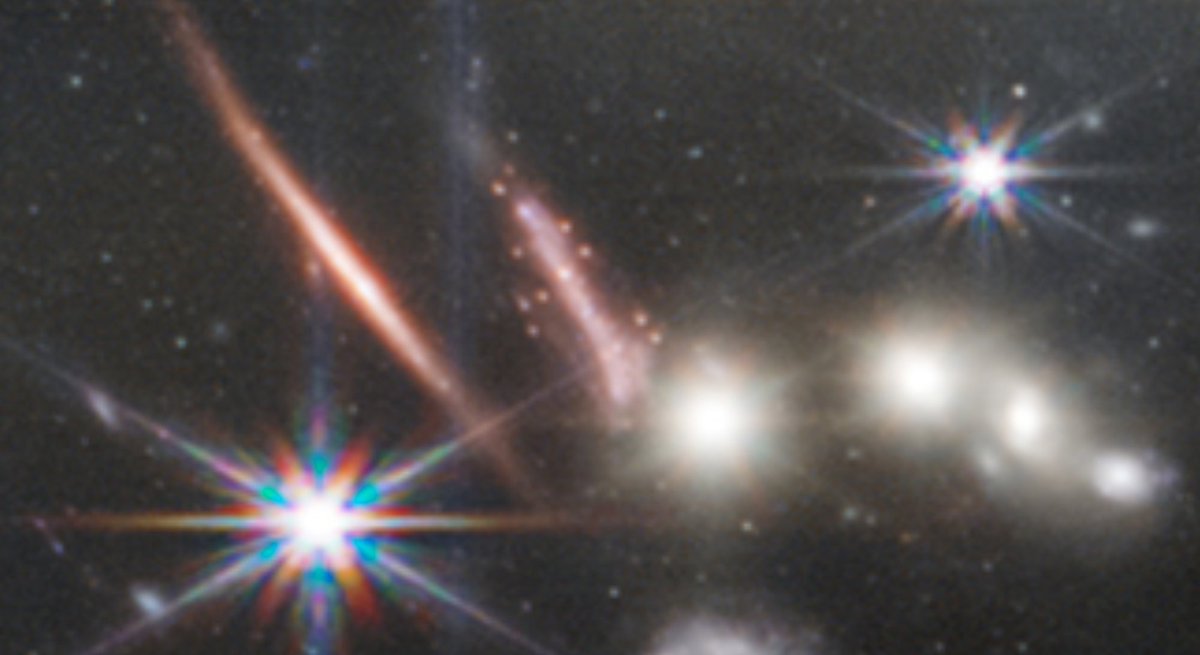
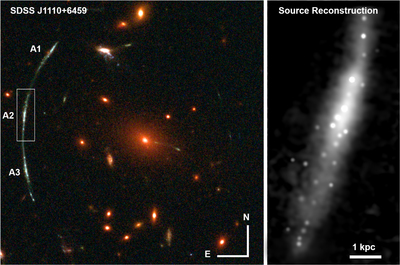
This is what we thought we might see with JWST. The figure on the right from @tracijo32's paper is a *source reconstruction* done by forward modeling, this is what you'd see with incredible resolution. It's a different lensed galaxy. ❤️JWST
paper here-->
https://t.co/ute9u5B8sk
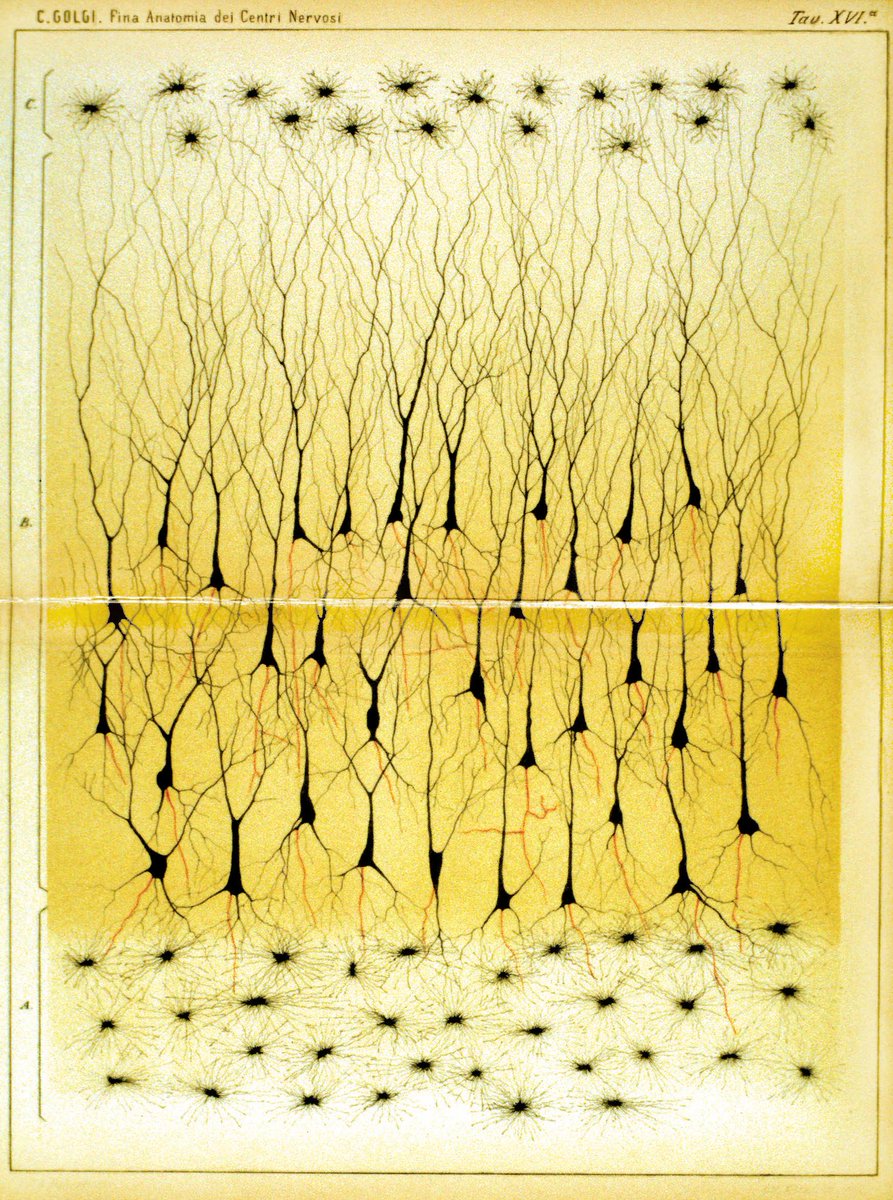
Camillo Golgi was born #OTD in 1843. He was awarded the #NobelPrize in Physiology or Medicine for discovering that nerve cells could be stained with silver nitrate, enabling him and other researchers to make detailed studies of our nervous system, such as the one pictured.
Today we celebrate the birthday of the "Mozart of poetry": Wisława Szymborska. The Polish poet wrote around 400 poems during her lifetime, using common everyday images to reflect on larger truths about love, death and passing time.
Read her lecture: https://t.co/BRyX25WlTg