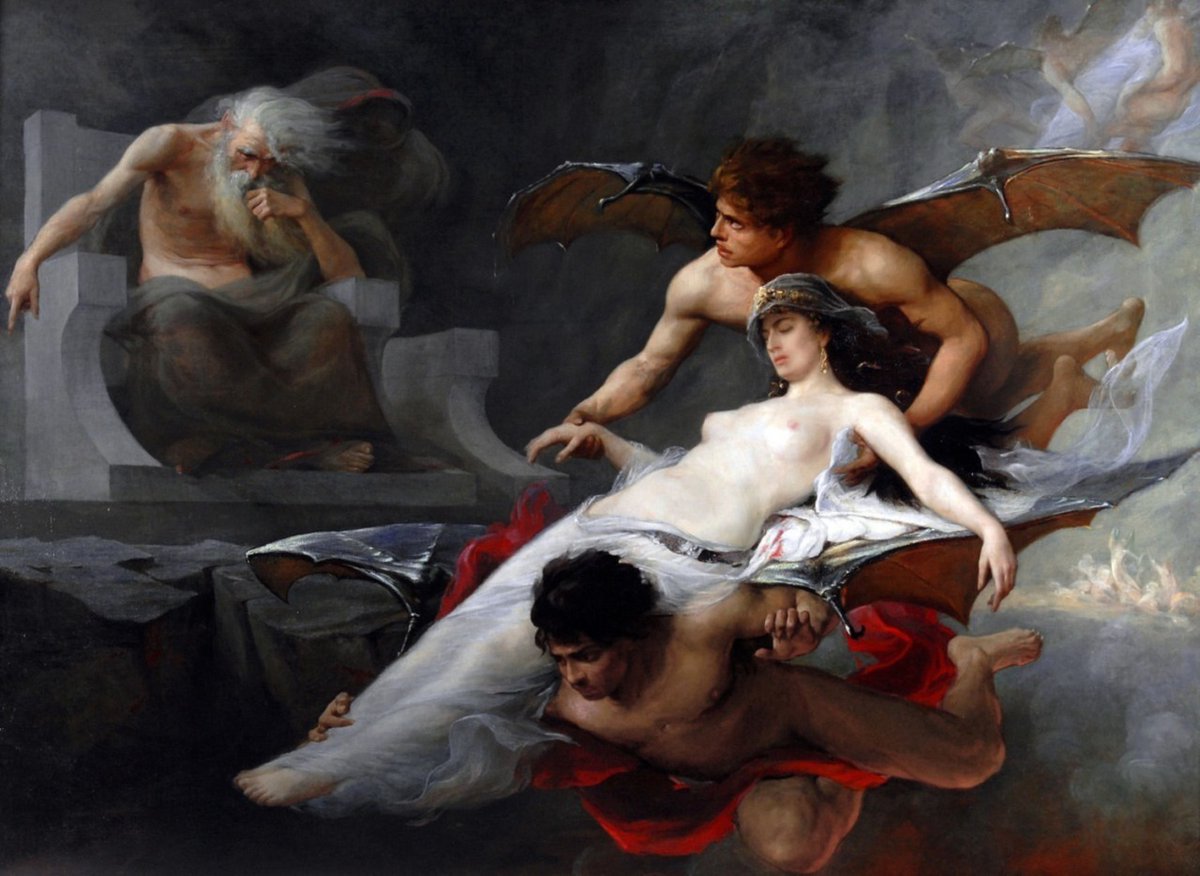
The Devil racing across the London sky in a blazing motor car, Arthur Severn's 1910 illustration for Marie Corelli's 'The Devil's Motor' captures the era's fear and fascination with speed and technology.
By Arthur Severn (1842–1931)
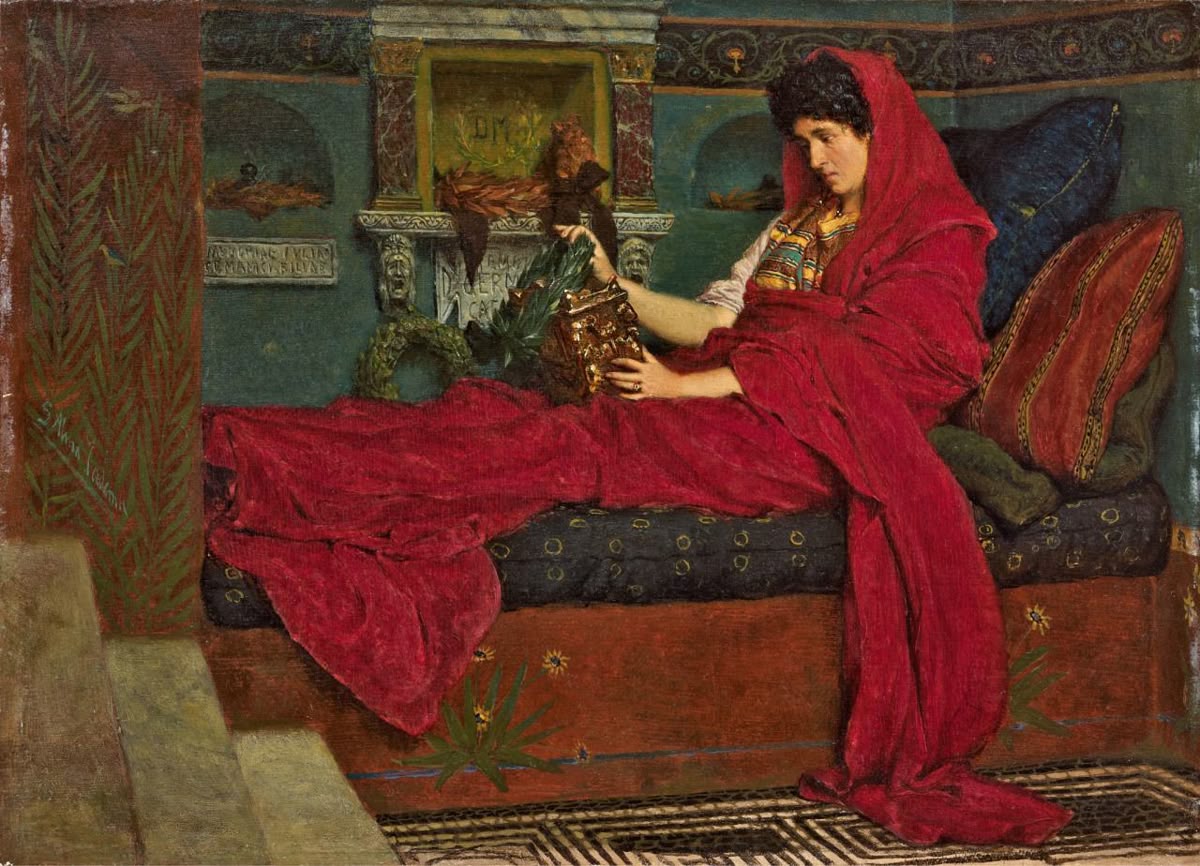
After the death of her husband, the Roman general Germanicus, Agrippina the Elder personally carried his ashes back toward Rome. She never stopped mourning him.
~Agrippina with the ashes of Germanicus (1866), Sir Lawrence Alma-Tadema
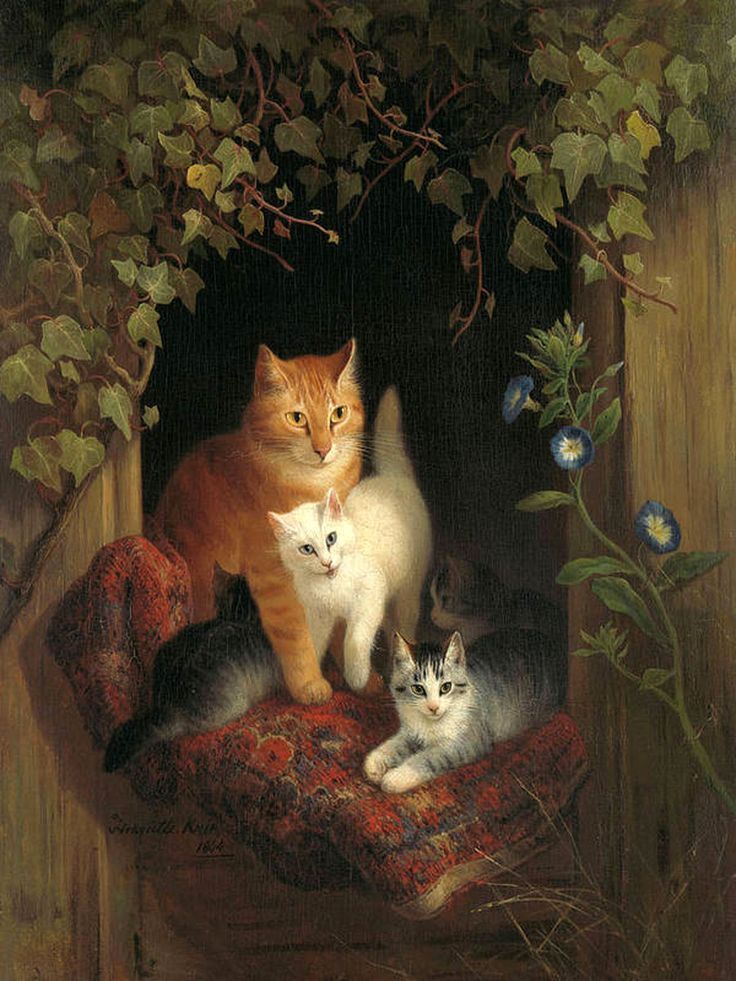
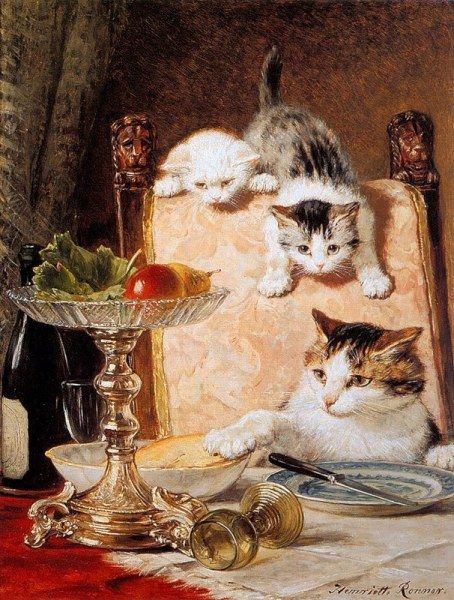
She built a glass-walled cabinet just to study how cats sit, sleep, and play.
She placed newspaper ads asking strangers to lend her their pets. She painted hundreds of kittens in velvet interiors until all of Europe called her the "Queen of Cat Painters."
~Henriëtte Ronner-Knip
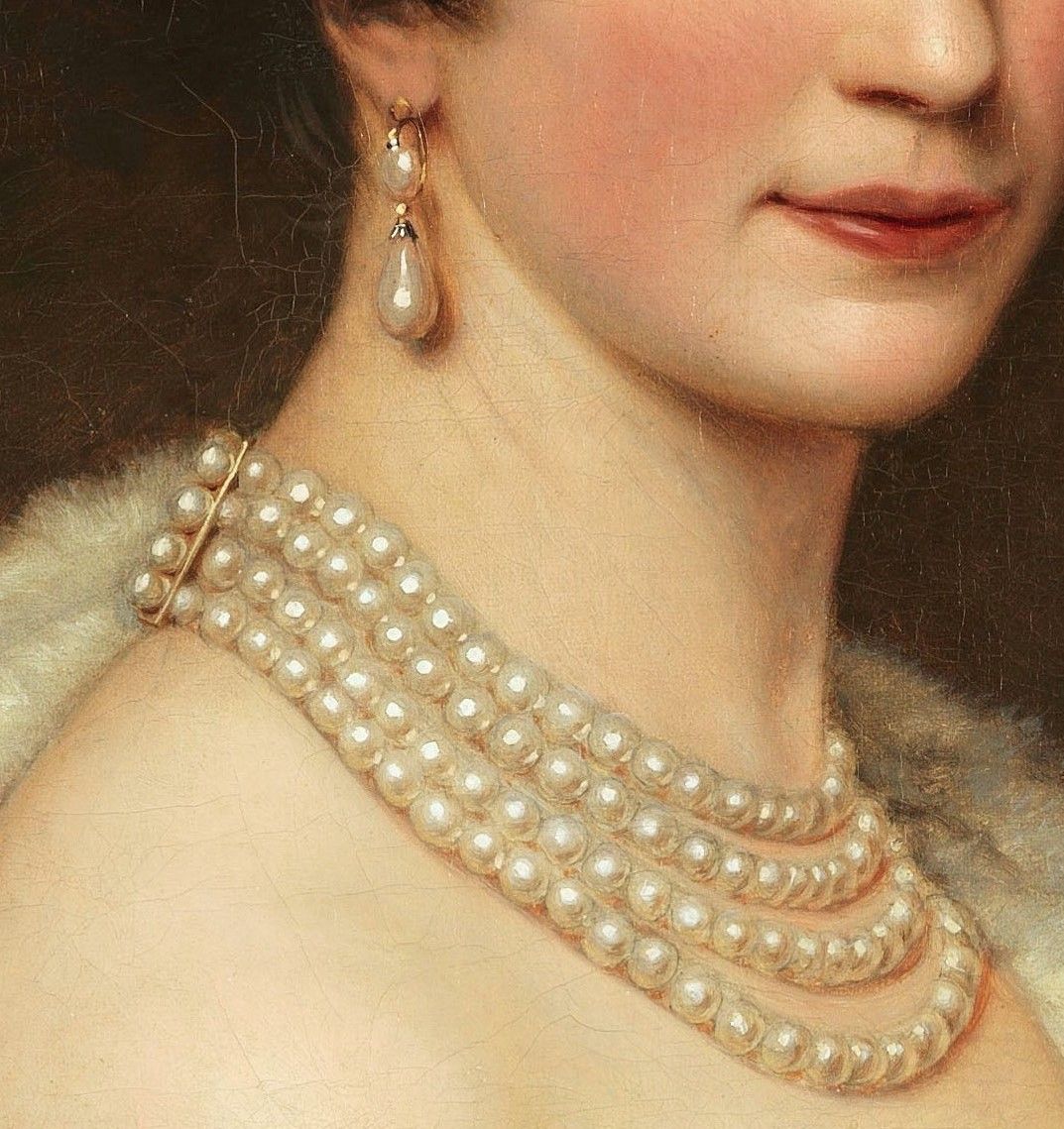
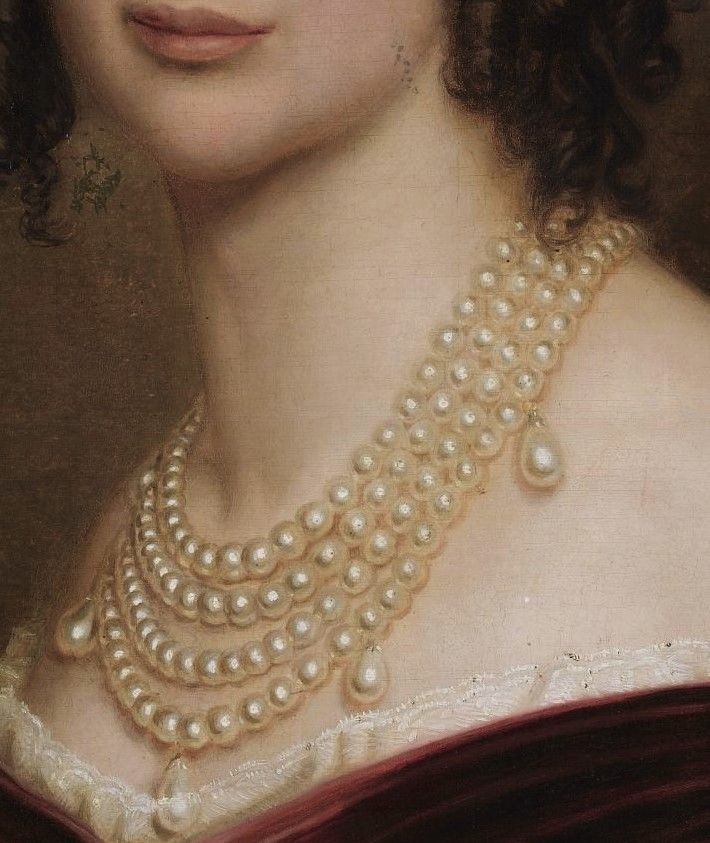
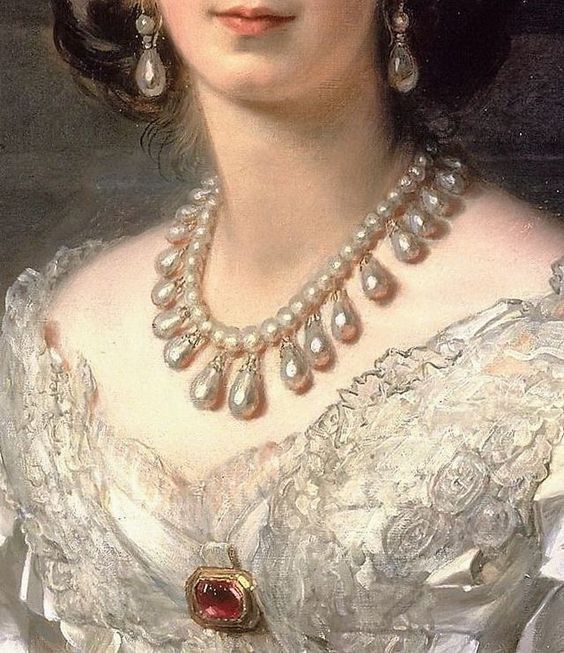
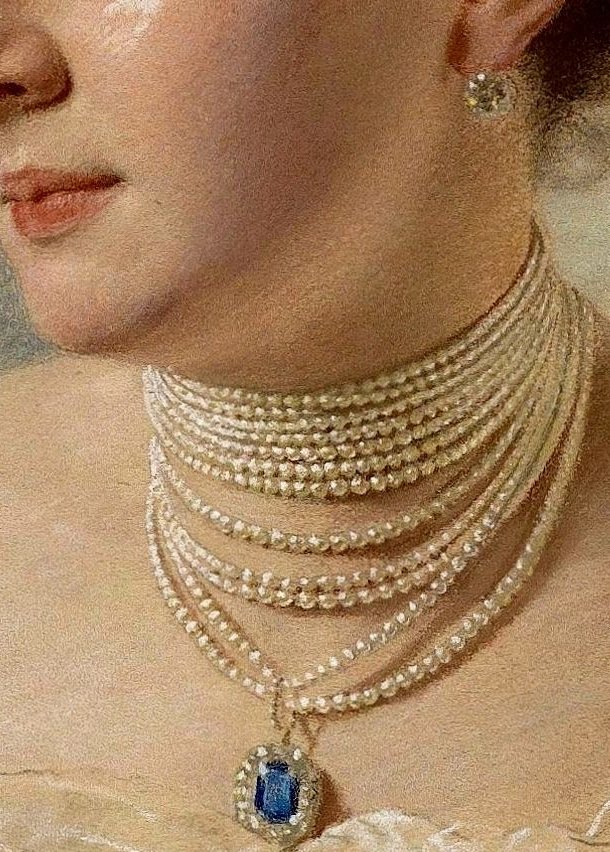
Look closely at the pearls.
Every tiny reflection, every drop of light was painted by hand. These jewels once belonged to a world of balls, portraits, marriages, ceremonies....and private moments we will never know.
The jewels survived.
The stories are left for us to imagine.
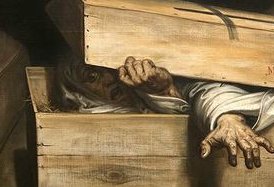
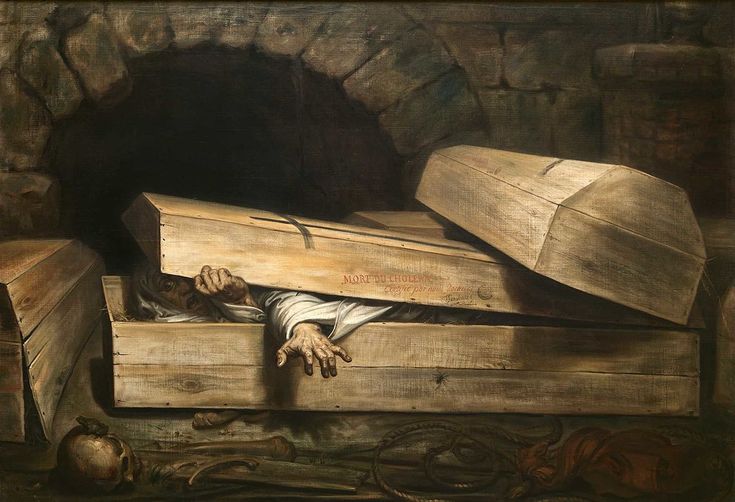
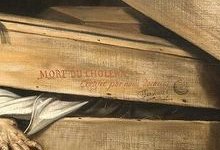
The inscription on the coffin reads:
Mort de Faim,
Death by Hunger.
But that's a lie.
The hunger here is for air.
Wiertz painted this in 1854,
the year the fear of being buried alive
swept through Europe like a fever.
La inhumación precipitada Antoine wiertz.
@CoffeewClassics And my favorites...
"You starvelling, you elf-skin, you dried neat's tongue, you bull's-pizzle, you stock-fish!"
“Thou sodden-witted lord! Thou hast no more brain than I have in mine elbows.”
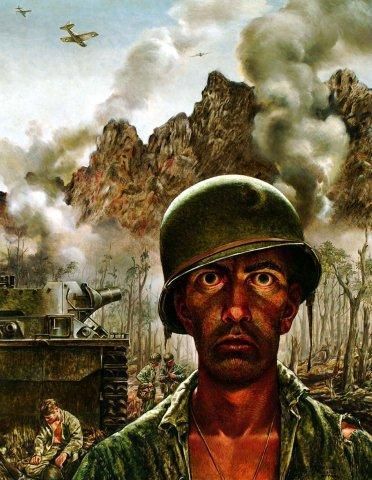
In 1944, American artist Thomas Lea went to Peleliu as a war correspondent for LIFE.
During the battle, he encountered a Marine standing near a makeshift sick bay, staring blankly into nothing.
Lea later painted what he had seen.
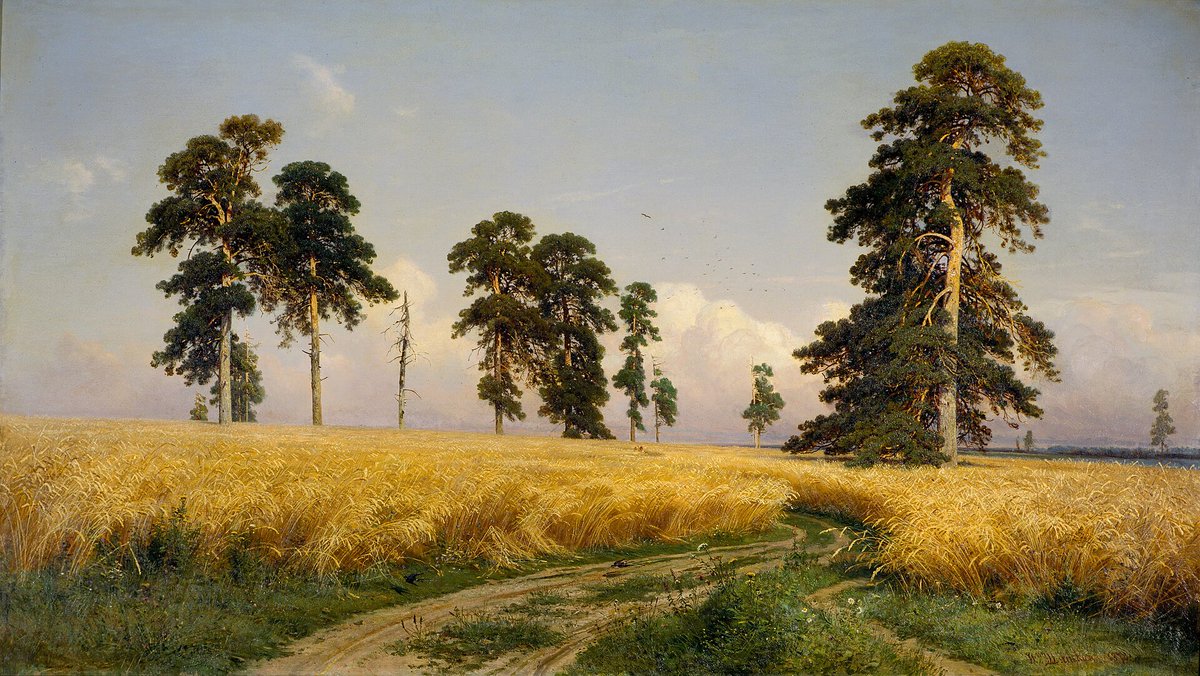
Shishkin painted it during an extremely difficult period of his life.
In the years leading up to it,he had lost his young wife, his father, and his two small children.
In 1877, he returned to his native Yelabuga with his surviving daughter and sketched the field near Lekarevo.
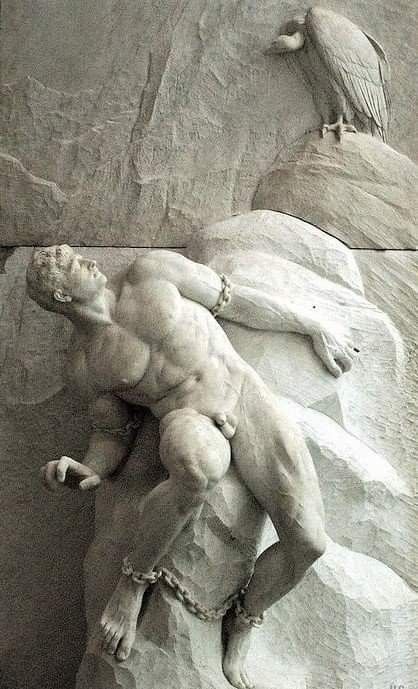
Prometheus defied Zeus by stealing fire from the gods and giving it to humanity.
As punishment, he was chained to a rock, where an eagle came each day to devour his liver. It would grow back overnight, making the torment endless.
~Prometheus, c. 1900 — Reinhold Begas
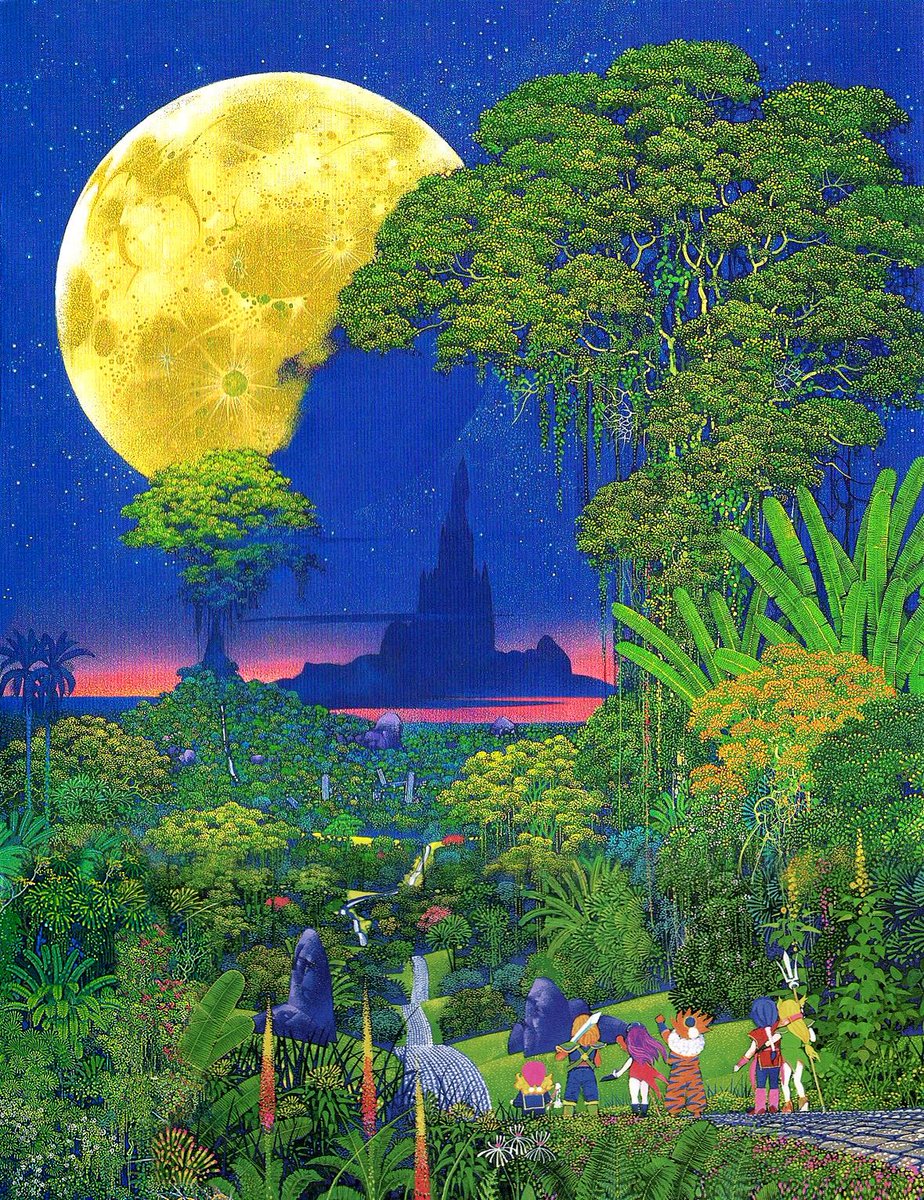
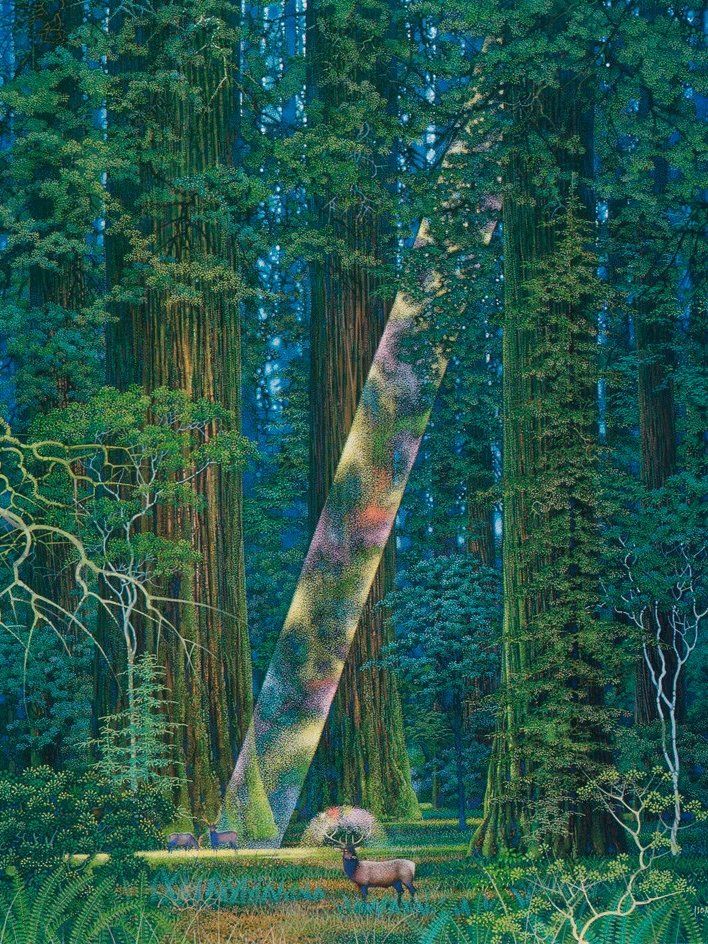
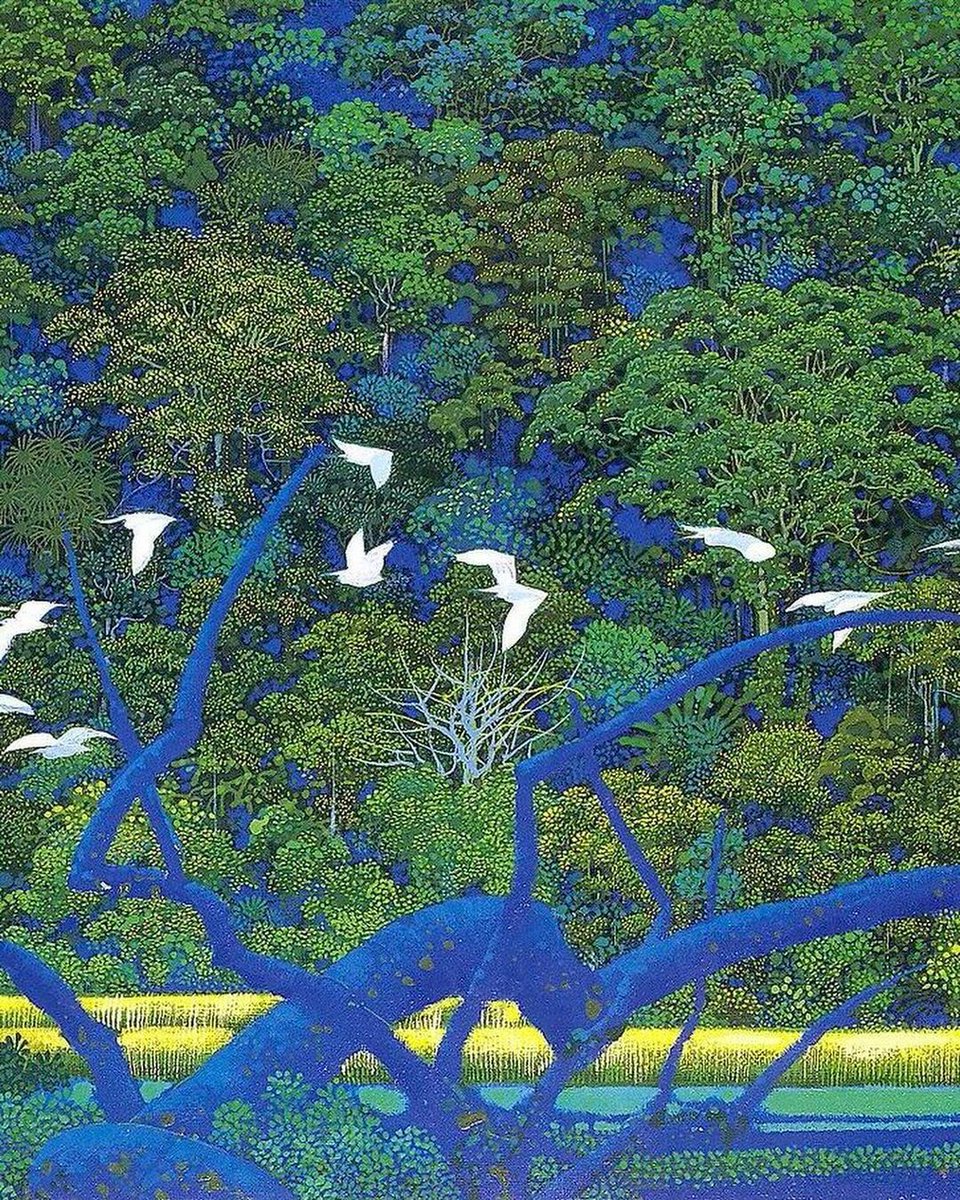
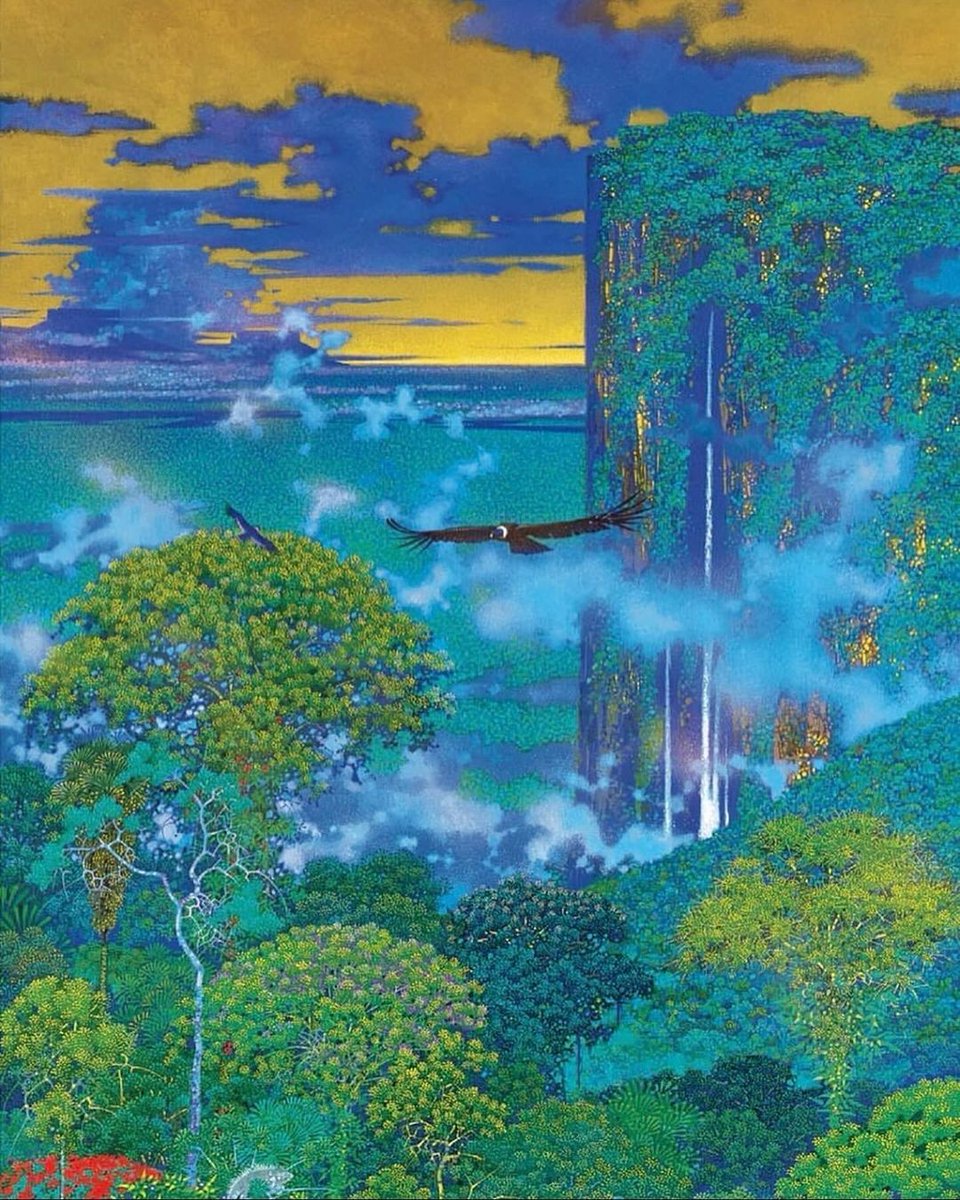
You may not know his name, but you know his forests.
Hiroo Isono painted the lush, dreamlike landscapes that defined Secret of Mana, worlds where trees felt ancient, light filtered through leaves like magic, and nature itself was the main character.
Hiroo Isono (1945–2013)
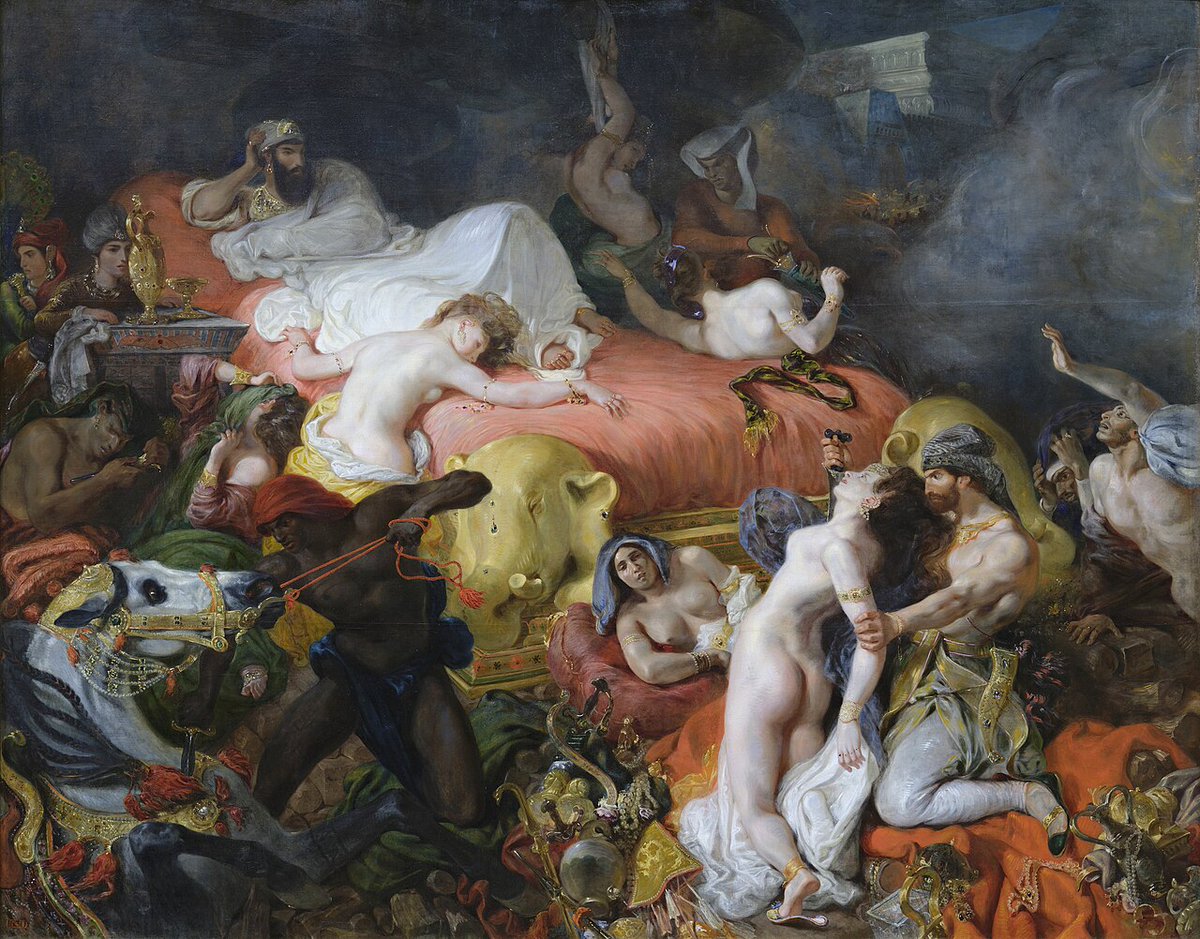
In The Death of Sardanapalus (1827), the legendary Assyrian king watches as his servants carry out his final command: his concubines, horses, jewels, and possessions are destroyed before the enemy can claim them.
Everything he possesses is being consumed- and he simply watches.
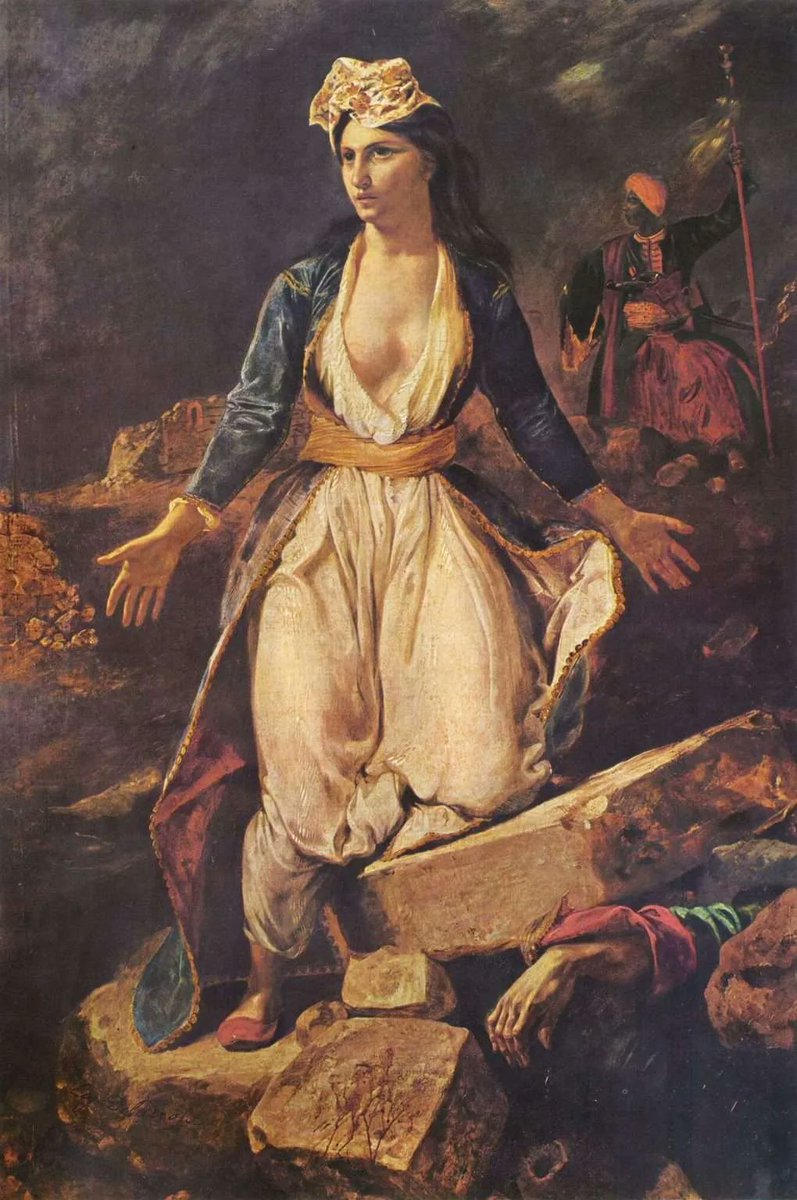
Delacroix was deeply moved by the Greek struggle for independence.
In Greece on the Ruins of Missolonghi- (1826), he transformed the tragedy of the besieged city into an image of mourning and defiance.
You don't see Pilate's face. You see what he sees.
Antonio Ciseri spent almost 20 yrs painting this moment.
Christ has been beaten. Pilate steps onto the balcony and presents him to the crowd:
Ecce Homo.
Behold the man.
ANTONIO CISERI - ECCE HOMO (BEHOLD THE MAN! c.1871-91)