Suite à Lorient du procès de Kevin Escoffier pour agressions sexuelles.
« La France des grands navigateurs continue de nous faire rêver », selon Macron.
À l’audience de ce matin, le monde des grands navigateurs ne faisait pas franchement rêver.
Suite du live du @canardenchaine
*Des Quarantièmes rugissants à prévenu*
Live tweet @canardenchaine
avec Jean-Louis Le Touzet.
Le skippeur Kevin Escoffier, sauvé des eaux lors du Vendée Globe 2020 par Jean Le Cam comparaît aujourd’hui à Lorient.
Il est accusé d’agressions sexuelles par 4 plaignantes.
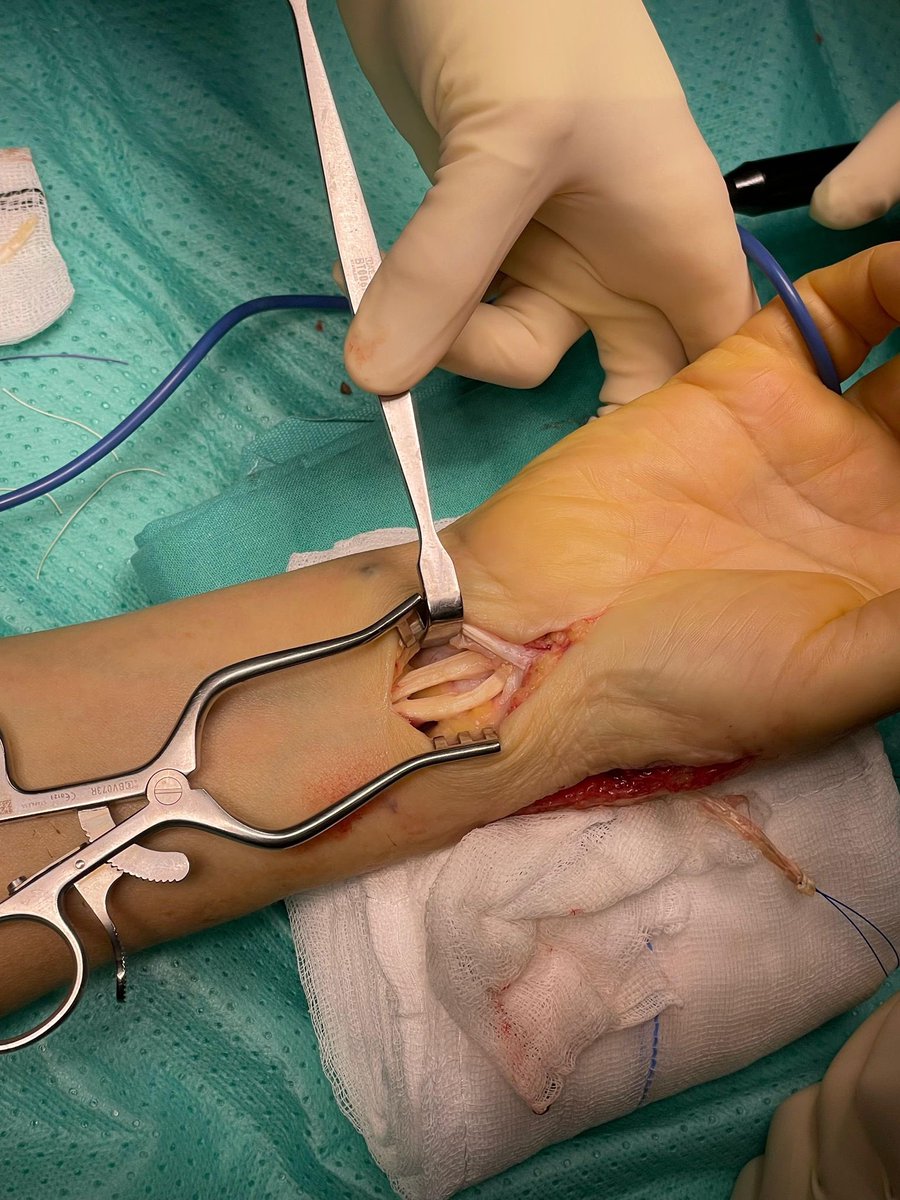
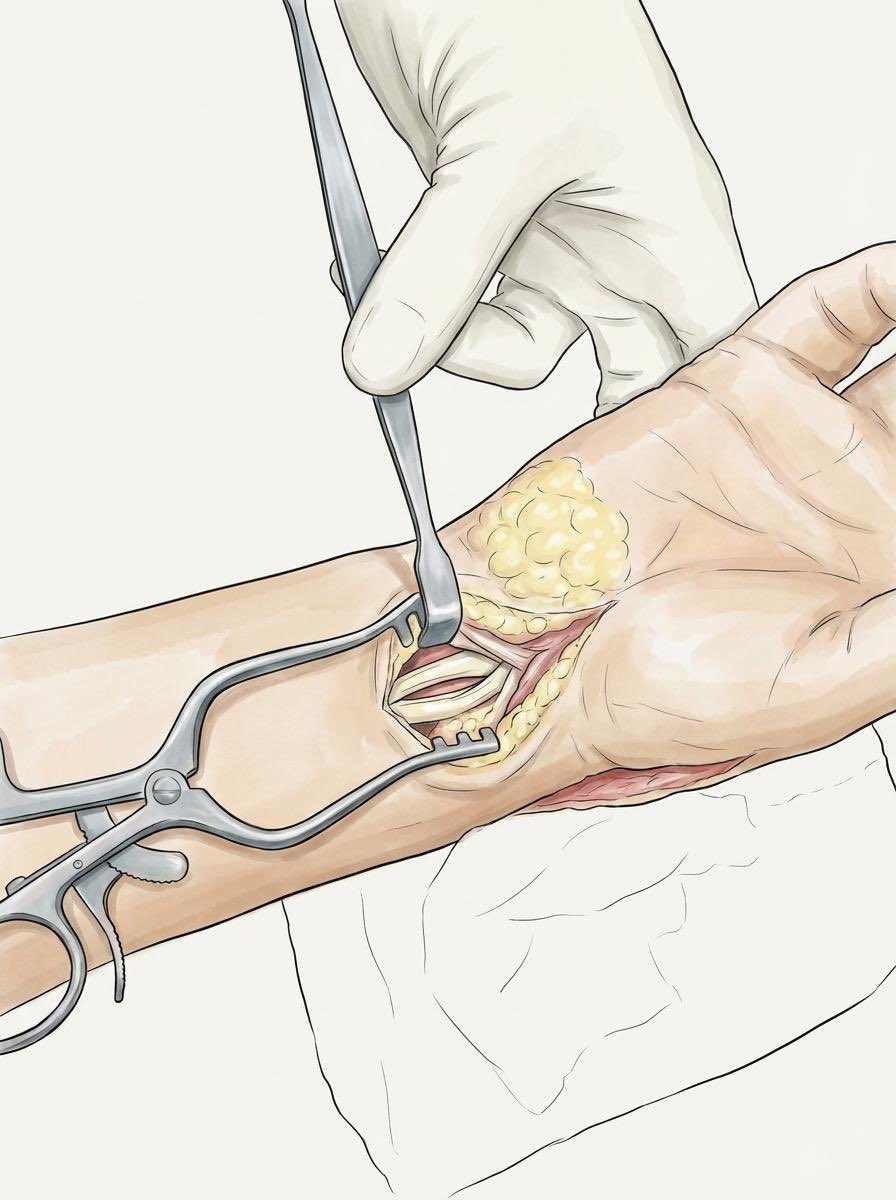
A Hidden Cause of Low Back Pain
•Stanford pain scientists Einar Ottestad and Anthony Machi highlight a little-known cause of low back pain: superior cluneal nerve entrapment.
•This happens when small nerves near the lower back get trapped, leading to pain in the back, buttocks, or upper leg.
Key points:
•This condition may affect up to 14% of people with low back pain.
Doctors can find it using ultrasound or special X-ray techniques.
•Treatments include nerve blocks, heat treatments (radiofrequency ablation), cold treatments (cryoablation), nerve stimulation, or surgery.
•One patient had an 80% drop in pain after a heat treatment. Another study showed 50–90% pain relief within 10 weeks.
Why it matters:
Many people with back pain never find out what’s causing it. If doctors look for this nerve problem, more patients might get the right treatment and feel better. Scientists still need to study the best ways to diagnose and treat it.
Source: https://t.co/89zBrBmhxm
Sur @canardenchaine :
Morandi et Corniola, les 2 anciens chef de service de neurochirurgie du CHU de Rennes étaient poursuivis par l'Ordre des médecins du 35. La chambre disciplinaire les a condamnés à 6 mois d'interdiction d'exercer. Ils ont fait appel
https://t.co/aGOIxG7kEd
@nyctalope_92@DrJeanLefebvre @DrAkhilX Les technos d’affichage de ce type existent depuis le début des années 2000; c’est vite imbitable d’avoir autant de trucs devant les yeux, des fois c’est bien de voir le patient aussi 😁
😱 Cette maman montre son exaspération après l’achat d’un livre nommé « meow » qui n'est constitué que de « meow » sur toutes les pages.
Le livre est vendu 19 dollars sur Amazon 😳
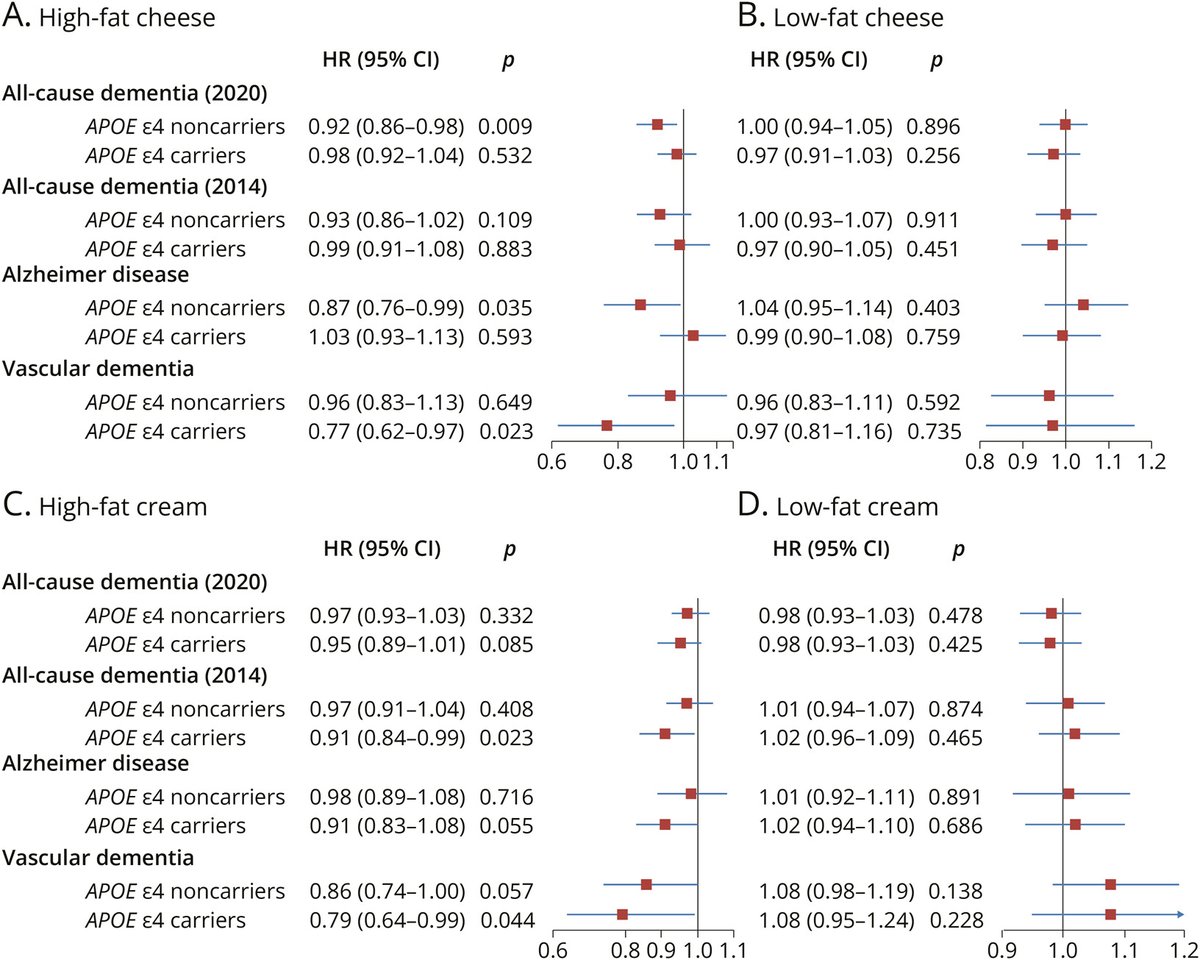
"Higher intake of high-fat cheese and high-fat cream was associated with a lower risk of all-cause dementia."
Results of a 25-year prospective study of ~27,000 participants.
The purported benefit was not linked to APOE4 carriers or low-fat cheese intake
https://t.co/tj2lHJRSzR
Bonne nouvelle : France Santé Mobilité fonctionne à merveille.
@FMFofficiel
Jura. La justice lui a interdit d'être directeur d'hôpital en Bourgogne-Franche-Comté, il est nommé dans le Vaucluse https://t.co/UqfPYp0pcV
#NEUReview Implantable Vagus Nerve Stimulator–Paired Neurorehabilitation for Upper Limb Function After Ischemic Stroke: Evidence From a Systematic Review and Meta-Analysis With Best Practice Recommendations https://t.co/kvrzF9Pudg by Khan et al @mumedicine@CNS_Update@dgolubMD
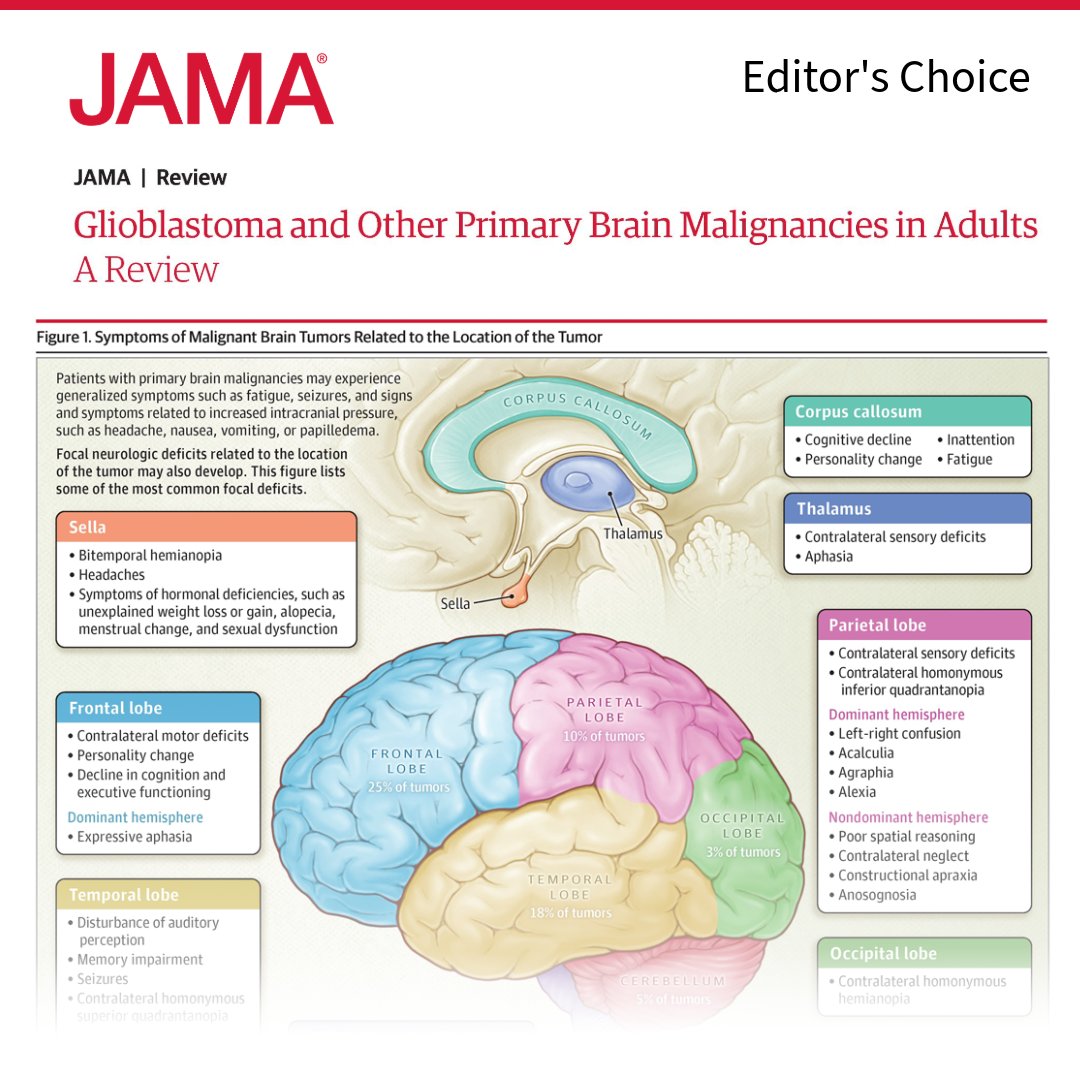
✅ Editor’s Choice: This Review summarizes the diagnosis and management of primary malignant #BrainTumors in adults, including glioblastoma, lower-grade gliomas, primary CNS lymphoma, malignant meningiomas, and ependymomas.
Save this for your citations: https://t.co/rzdYutjvBr
Despite their frequent use, opioids have limited benefits in managing noncancer pain (seen in figure). For acute musculoskeletal pain, opioids have a small mean effect in reducing pain (a decrease of <10 points on a scale of 0 to 100, with 0 indicating no pain and 100 worst pain) relative to placebo in the first days, have no effect after the first week, and are probably associated with a small increase in pain after 12 weeks. On the basis of evidence with very low to moderate certainty, opioids have no effect on physical function. For chronic noncancer pain, opioids have a small effect on pain reduction relative to placebo in the short-to-medium term (seen in figure) and either a small effect or an effect similar to that with placebo on other clinical outcomes (e.g., physical function and quality of life). The effects of opioids relative to placebo for chronic pain beyond 6 months are unknown.
The lack of evidence on the long-term benefits of opioids, the similar effectiveness of opioids and nonopioids on some pain conditions, and the dose-dependent relationship of opioid-related harm together suggest that avoiding long-term opioid use, reducing the opioid dose, or replacing opioids with nonopioid alternatives may reduce the risk of opioid-related harm.
Learn more in the Clinical Practice article “Opioid Deprescribing in Patients with Noncancer Pain” by Chung-Wei Christine Lin, PhD, and Aili V. Langford, PhD: https://t.co/dxDc7gxaqo
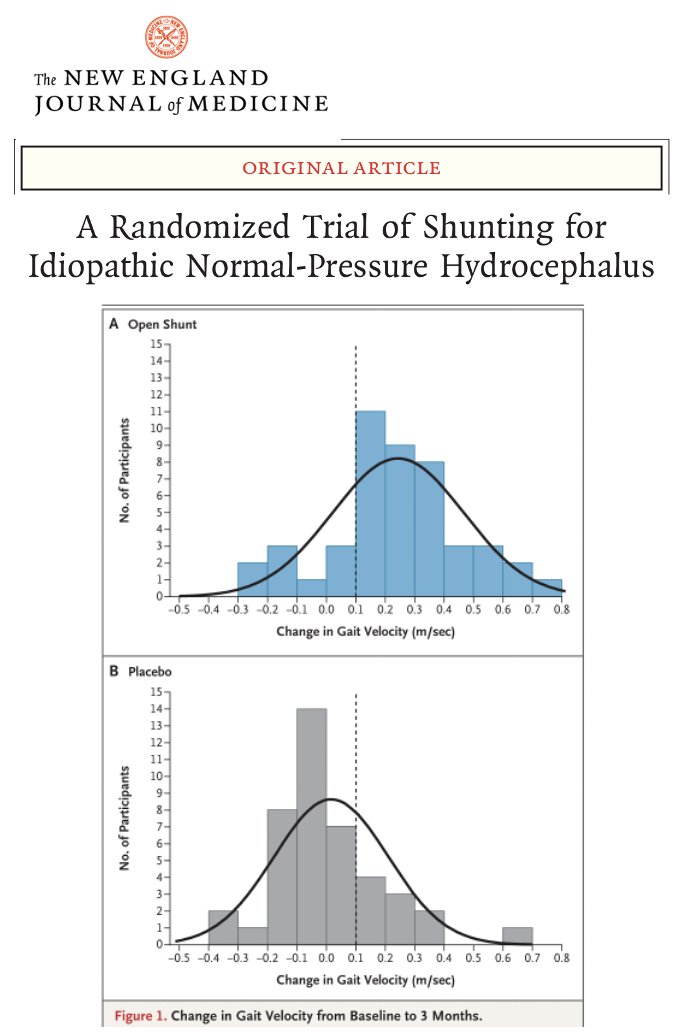
To shunt or not to shunt, that is the (NPH) question? The first large randomized trial of shunting for normal pressure hydrocephalus (NPH) just dropped in NEJM, and there was clear benefit for walking, and it favored the group receiving shunts. Spoiler alert: Walking improved, however thinking (cognition) and bladder function did not.
Key Points:
- NPH is a condition usually presenting in older adults where fluid builds up in the brain and it associated w/ trouble walking, memory and thinking challenges as well as bladder incontinence.
- Shunting significantly improved walking speed and balance compared w/ placebo.
- No meaningful change in cognition or bladder control observed at 3 months.
- Risks included subdural bleeding and headaches, underscoring the need for careful follow up.
My take: NPH has always been a tricky area for clinicians when trying to decidr 'to shunt or not to shunt.' Here are 5 points that resonated w/ me: 1- Shunting in well selected persons can restore some walking ability in NPH. 2- Thinking did not improve at 3 months. 3- Incontinence showed no clear benefit. 4- Risks to always discuss w/ people considering shunts should include bleeding and headaches (as not uncommon). 5- Walking gains may possibly reduce falls and boost independence, however we must be careful as sometimes improved walking w/o improved balance, can actually trigger falls.
https://t.co/yCnSCpclPL @FixelInstitute@ParkinsonDotOrg@alzassociation@SfNtweets@SfNtweets@NEJM