I've spent the last ~3 yrs working in energy for major utilities, companies & federal agencies.
Excited to be at @nationalgrid & learning in public on my substack.
Wrote my favorite piece so far on the rise of electrostates & how the US is falling behind China.
Link below👇
BTM buildout for data centers is a symptom of a broken planning, permitting, and financing system. We need structural solutions, not just near-term affordability band-aids.
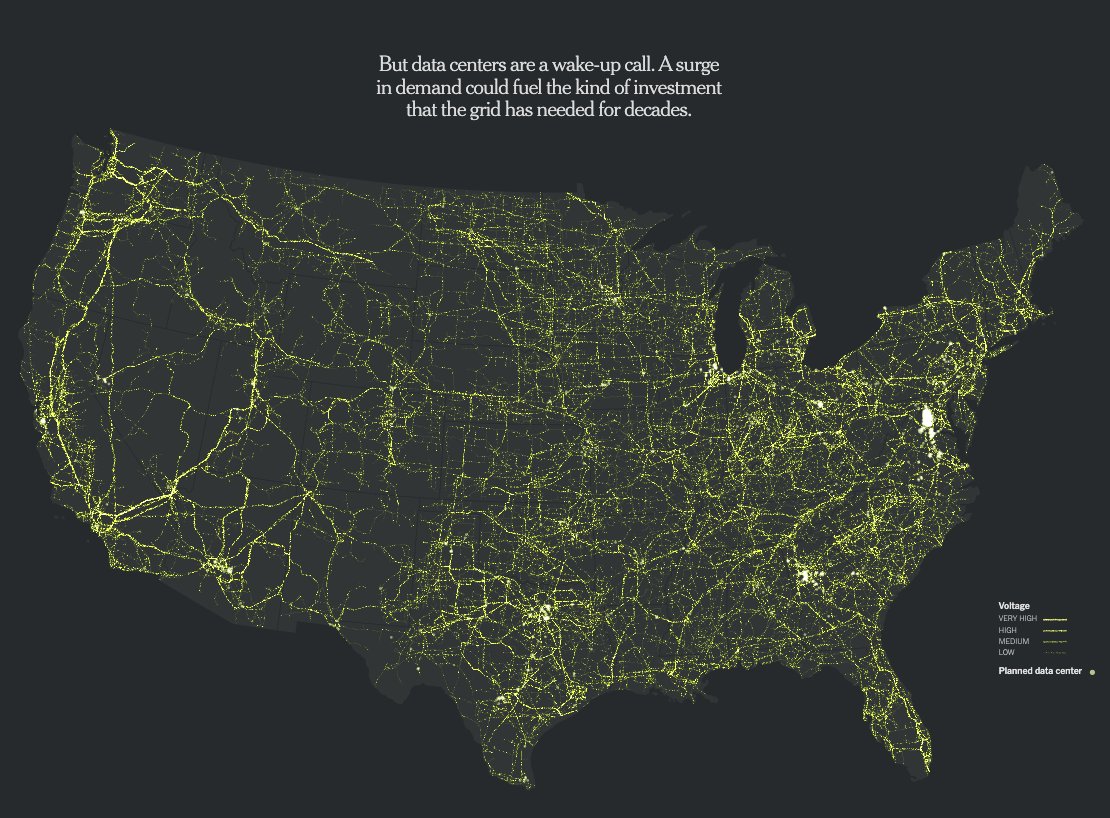
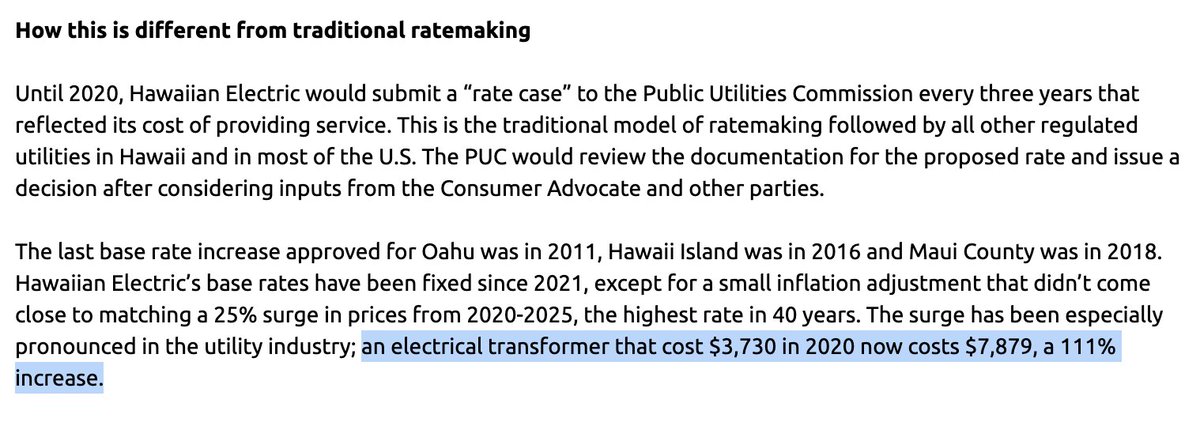
The US needs ~5,000 miles of new high-voltage transmission per year, the interconnection queue has 2,600+ GW waiting to connect, transformer lead times are 2.5-3 years. These are not utility profit problems.
This is a very smart and clear push from Governor Shapiro. Utilities should finance grid investment the same way a well-run infrastructure company would: with more debt! Anti-slop, we love to see it.
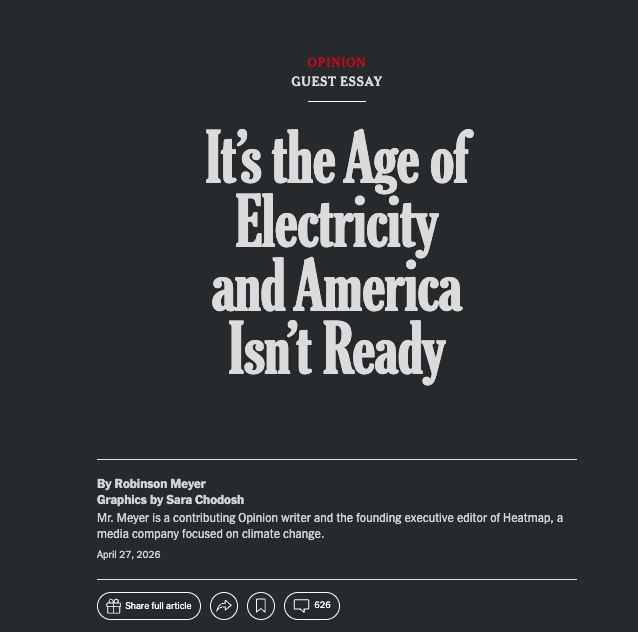
It’s the age of electricity and America isn’t ready.
Virtually every goal that Americans care about requires big changes to the power grid. I’m in @nytopinion today on why power bills are going up, whether AI is to blame, & what we need to do about it:
https://t.co/wgJeAEzF8h
This is excellent, including the discussion of leveraging the data center buildout for grid modernization—an idea I’ve written a lot about in the last few weeks!
1. American grid infra fund: https://t.co/JLrpEReKUk
2. Conditional state tax abatements: https://t.co/lozjiasLbf
Data centers and other big customers of Georgia Power have won a way to pay for their own new clean energy projects—a big win for BYONCE in the Southeast. But can this new clean energy offset the utility's massive and costly gas-fired power plant plans?
https://t.co/QzJuNprnK7
New pod: SUDDENLY, EVERY NEWS STORY IS A FIGHT ABOUT ENERGY
-> The Iran War is about energy flows
-> The AI buildout is an energy project
-> The future of populism—i.e., AI, electricity prices, data center moratoria—is an energy debate
w/ @NatBullard
Plus:
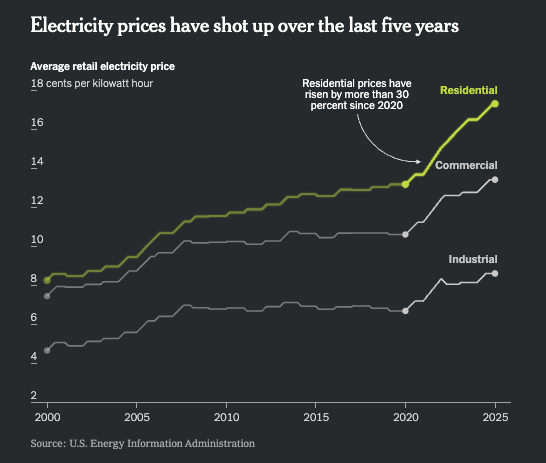
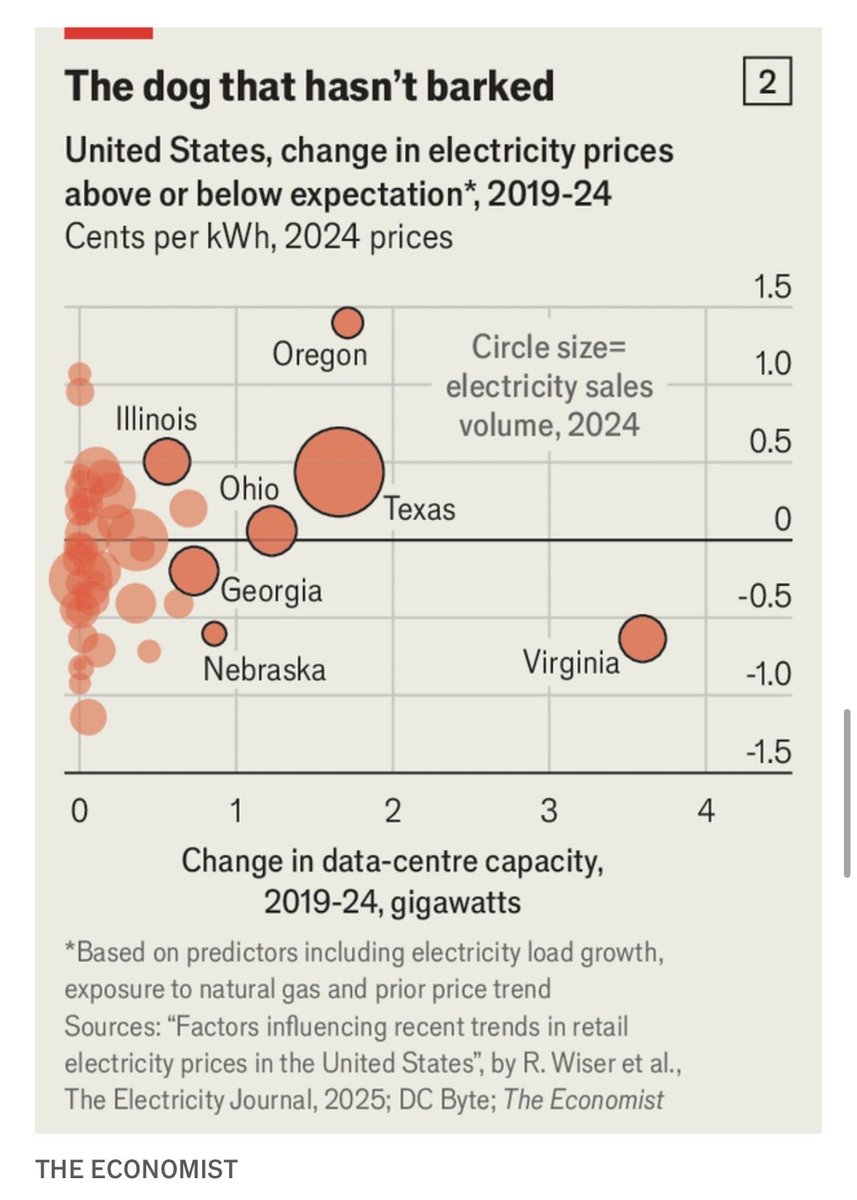
- why politicians are wrong about the drivers of rising electricity prices
- is the US auto industry doomed?
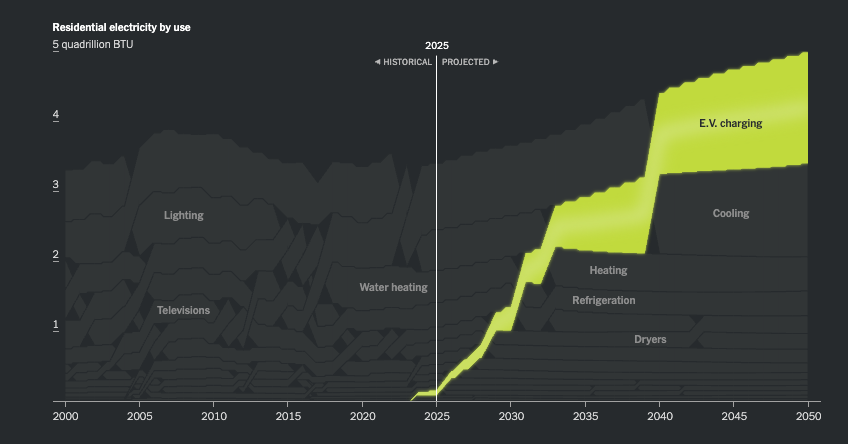
- implications of the end of energy-demand stagnation
- if the renewables vibes are so bad, why is solar still soaring?
https://t.co/zn4c785zol
NEW US electricity data ⚡️
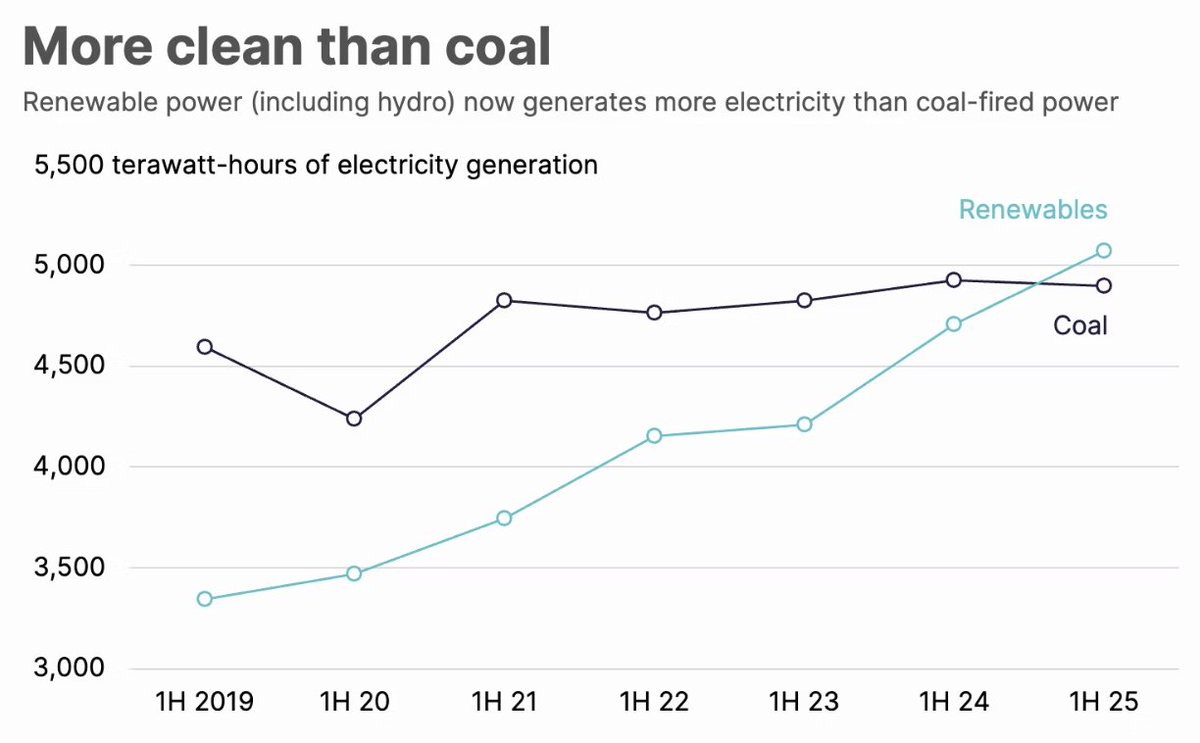
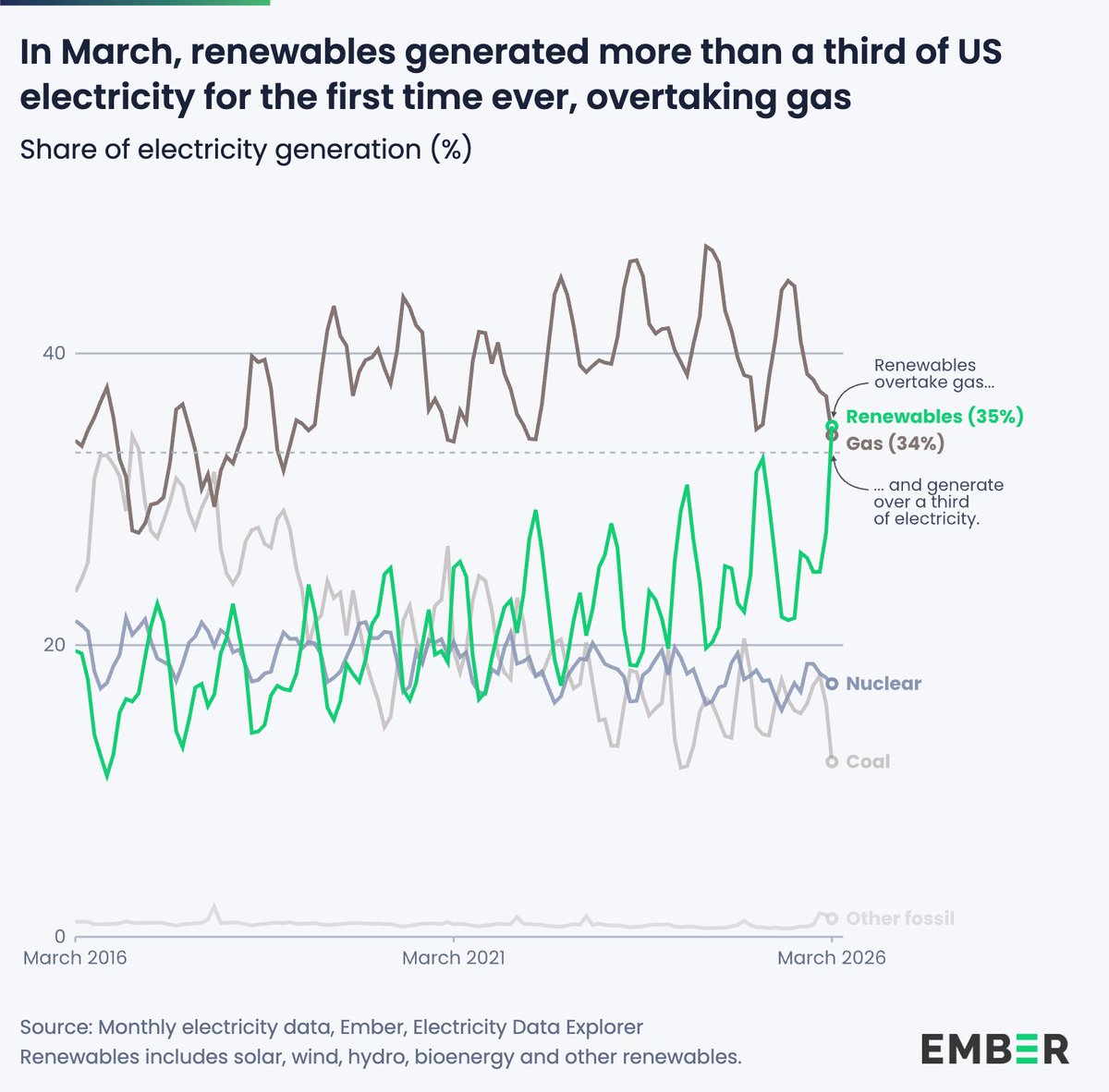
In March, renewables produced more than a third of US electricity for the first time ever, even overtaking gas generation!
Wind and solar combined reached over a quarter (26%) for the first time.
This is a big deal as monopoly investor-owned utilities increasingly seek to own (as regulated assets incl. in rates) technologies associated with distributed energy resources.
Wise words from @JaneAFlegal: "We’ve got to find a better way to take advantage of the potential upside here and avoid the downside of them basically building a secondary grid behind the existing grid that benefits only them.”
https://t.co/RxLKVojTzr
Illinois utility ComEd, solar developers and environmental groups collaborated to enable flexible interconnection to fast-track 50+MW of community solar in record time. Participants think other states and utilities can follow their collaborative lead:
https://t.co/04k6d1GJmr
Most electricity price data focus on rates—but households experience bills, which depend on usage, efficiency, and system costs.
That’s why places can have average-looking rates but still some of the highest bills in the country.
If you want to understand how utilities are going to handle AI, you need to start with rate design. That’s where a lot of the real decisions are getting made.
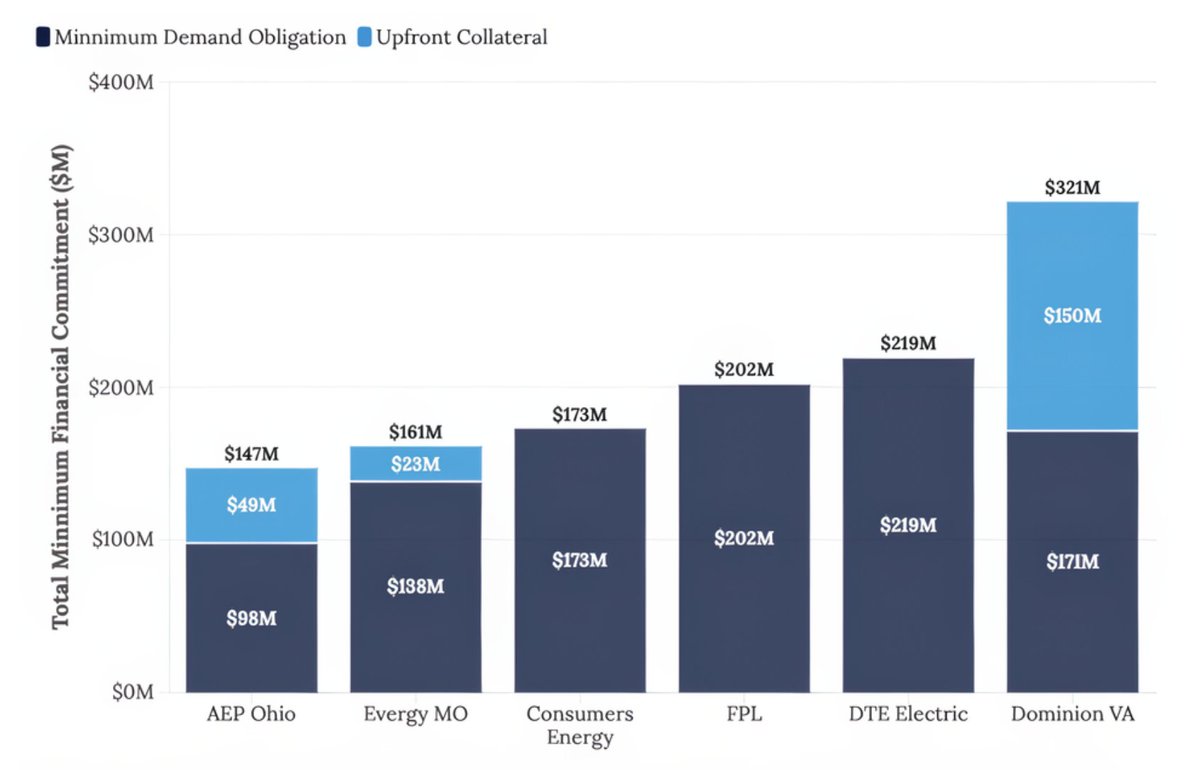
We just dug deep into 25 new data center tariffs across 19 states. A few years ago, this category didn’t really exist.
With a ton of speculative development, there’s a lot of uncertainty around how data center demand shows up and whether it sticks around. Utilities don’t want to build out a bunch of infrastructure and then get stranded.
So we're seeing similar design choices that require longer-term commitments, fairly high minimum demand charges, and significant financial guarantees.
Interestingly, flexibility is not showing up yet.
Grid stress is often concentrated in a relatively small number of hours each year. And outside of those windows, there’s often quite a bit of capacity available.
So in theory, large loads like data centers could be incentivized to reduce demand to create more headroom on the system. There's lots of debate over how data centers could deploy this flexibility (batteries, on-site gas, turning down compute), but it's 100% possible.
But when you look at these tariffs, that idea just isn’t really built in.
Utilities are doing a lot to lock in reliable demand and protect against downside. But so far there isn't much thought about how to actually coordinate that load with the needs of the grid.
We pulled all of this together in a free report at Latitude Media.
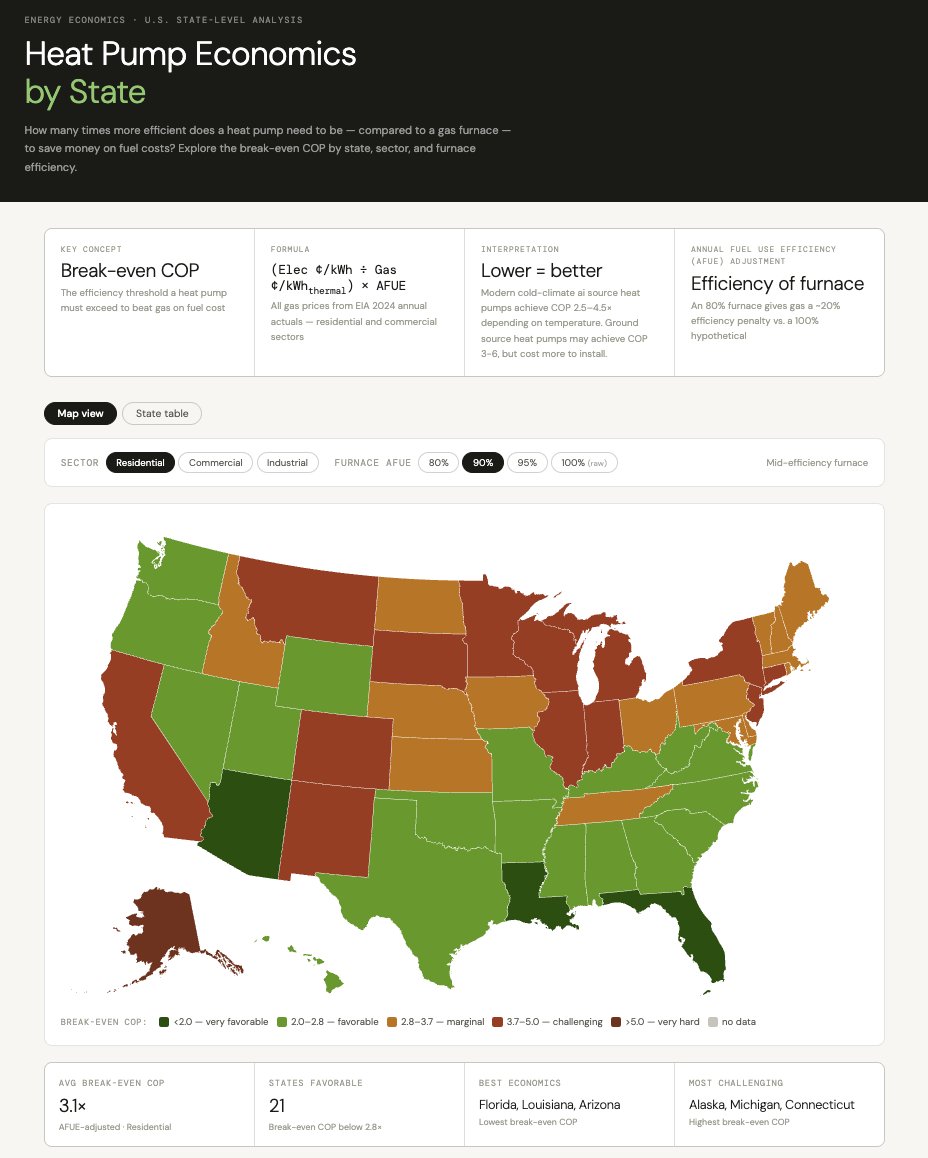
I made a thing: https://t.co/uFVjRvBFVv
By which I mean I told Claude to make a thing.
The economics of heat pumps are very challenging in a country that has cheap gas and where policy makers load retail electricity rates with a whole bunch of policy-related costs (rooftop solar cross-subsidies; 'decoupling' policies that raise volumetric rates to compensate utilities for implementing efficiency programs; public benefits charges, etc.) and price network services volumetrically.
If folks want electrification, affordable electricity is essential, and we need rate reforms that more accurately price electricity's real cost.
It’s insane that it can take longer to permit a transmission project than to build it, not to mention the yearslong connectivity backlog.
Addressing rising energy costs doesn’t just mean more energy projects - we need a grid that can handle the future we’re trying to building.
Interesting commentary from FERC chair Swett about tech companies not knowing the landscape of power markets, per Axios at CERAWeek:
“Hyperscalers […] come to FERC to complain about electric utilities, but when they do, they "show a lack of understanding" about how utilities and the grid typically function, she said.
"I think it's improving, but I don't know, because I don't talk to them as much as I think I would."”