Multidisciplinary collaboration can lead to exciting scientific results! In our oven fresh Science paper we reveal a new BSOA intermediated plant-plant interaction mechanism. The study was led by @JDBlande.
@UniEastFinland@ACCC_FS
Read more here: https://t.co/rmJWdfPjkX
Our new Laboratory is finished. The equipment has still not been moved in so enjoy in the view of the empty lab. Thanks to @QUT for the great support we have received.
In this new paper by @SnehithaKommula we show that vegetation fires from southern Europe enhance CCN number in northern Europe and the high Arctic and that liquid clouds show strong response to fire aerosol both in in situ and satellite observations. https://t.co/ihU4uEq3Pg
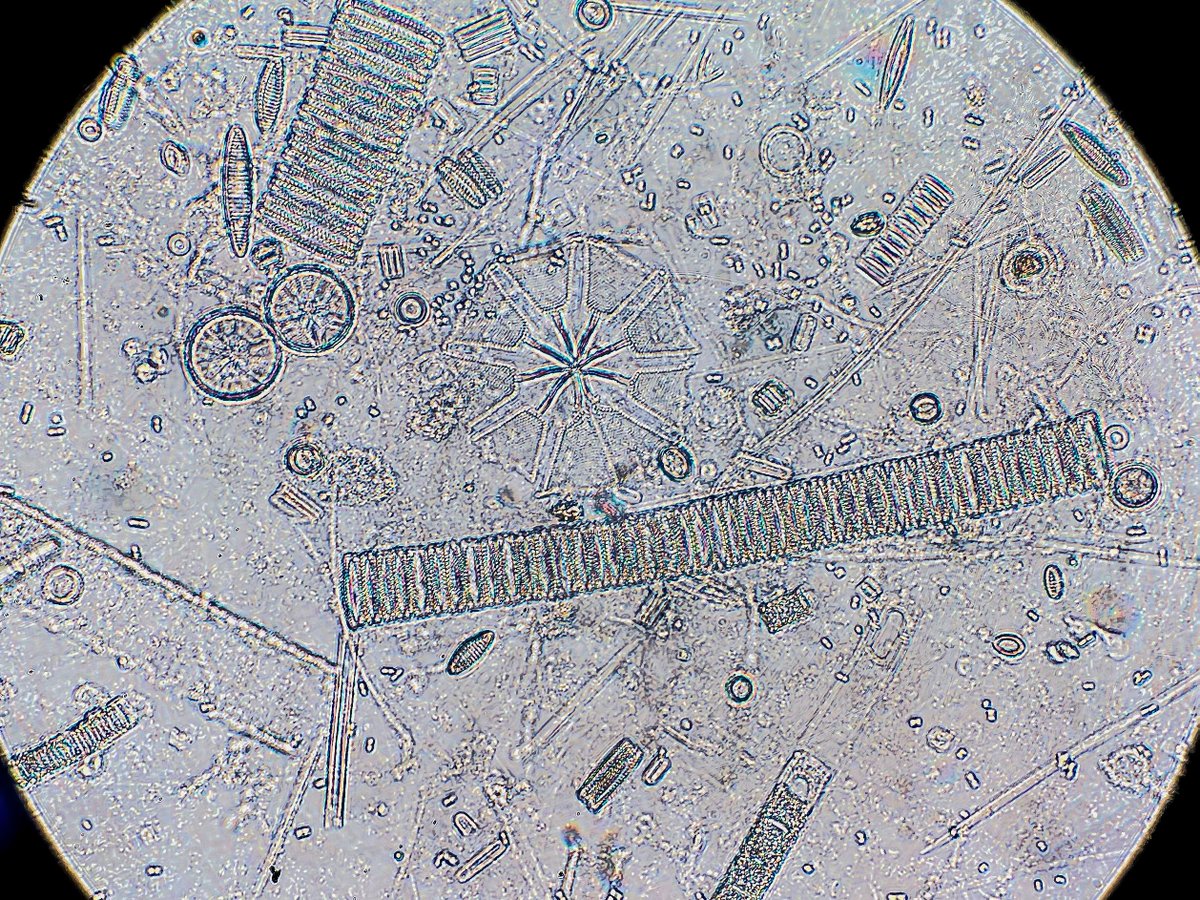
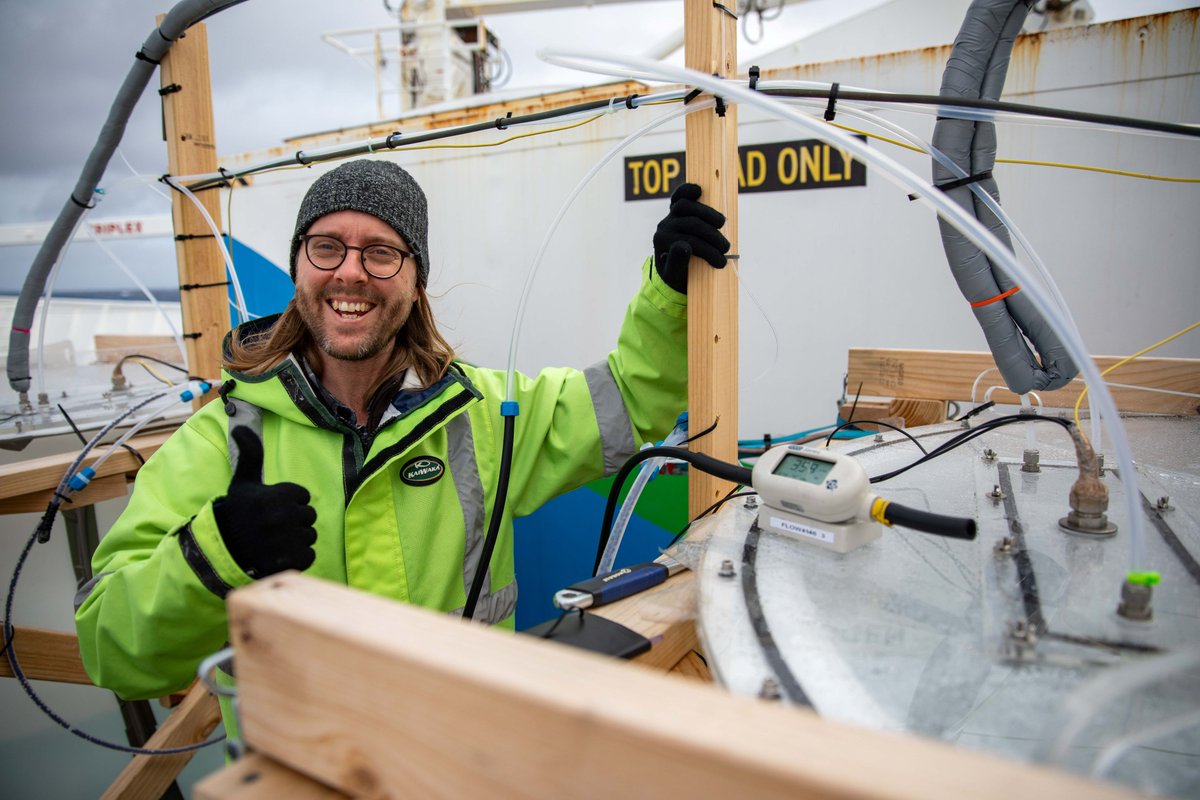
Our #MISO voyagers have created a mini @_SouthernOcean aboard @CSIRO research vessel #RVInvestigator, to explore the amazing links between phytoplankton biology and cloud formation.
Read more 🦠↔️🌨️ https://t.co/sVJUyA180N
Blog – https://t.co/mNNtcEgWmP
📷 C Traill, @RStrzepek
Just published: Dynamics and Viability of Airborne Respiratory Syncytial Virus under Various Indoor Air Conditions | Environmental Science & Technology https://t.co/53TaPiJiVc
Great work by the whole team but specially by @sadegh_niazi . 3rd publication showing a V-shaped curve.
ResearchGPT is a custom GPT especially designed for researchers.
It has a database of 282 million research articles and it answers your questions with references to published articles.
No fake citations.
Here's how to use it:
One more excellent article from our PhD student Priyanka Arora. Well done!
Morphology and nanostructure of soot particles from diesel engine unde... https://t.co/mLMSZG2zwS
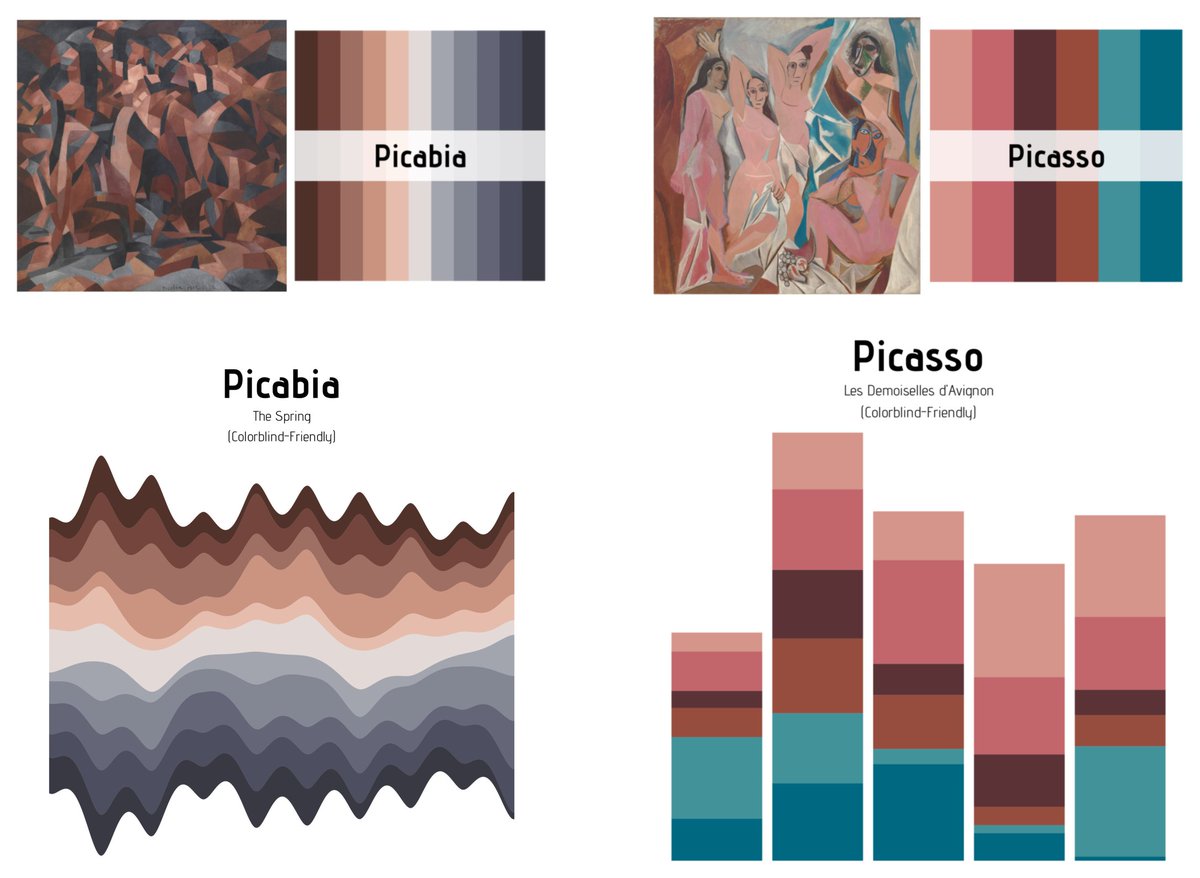
✨✨ New Package ✨✨
Happy to announce that I am soft launching another R color palette package, {MoMAColors} today! Currently has 35 palettes based around artwork at @MuseumModernArt.
Download Instruction and Palettes here: https://t.co/xWbfV1vsGm
#r4ds#dataviz#rstats
Central limit theorem... often stated, but do we understand it?
I made a #Python@matplotlib dashboard to perform averaging over 'n' random variables. Choose any input distribution and watch the output approach the Gaussian distribution!
On #GitHub @ https://t.co/mxH8FEEKdF ∀.
Tools aren’t the threat. Someone using them is!
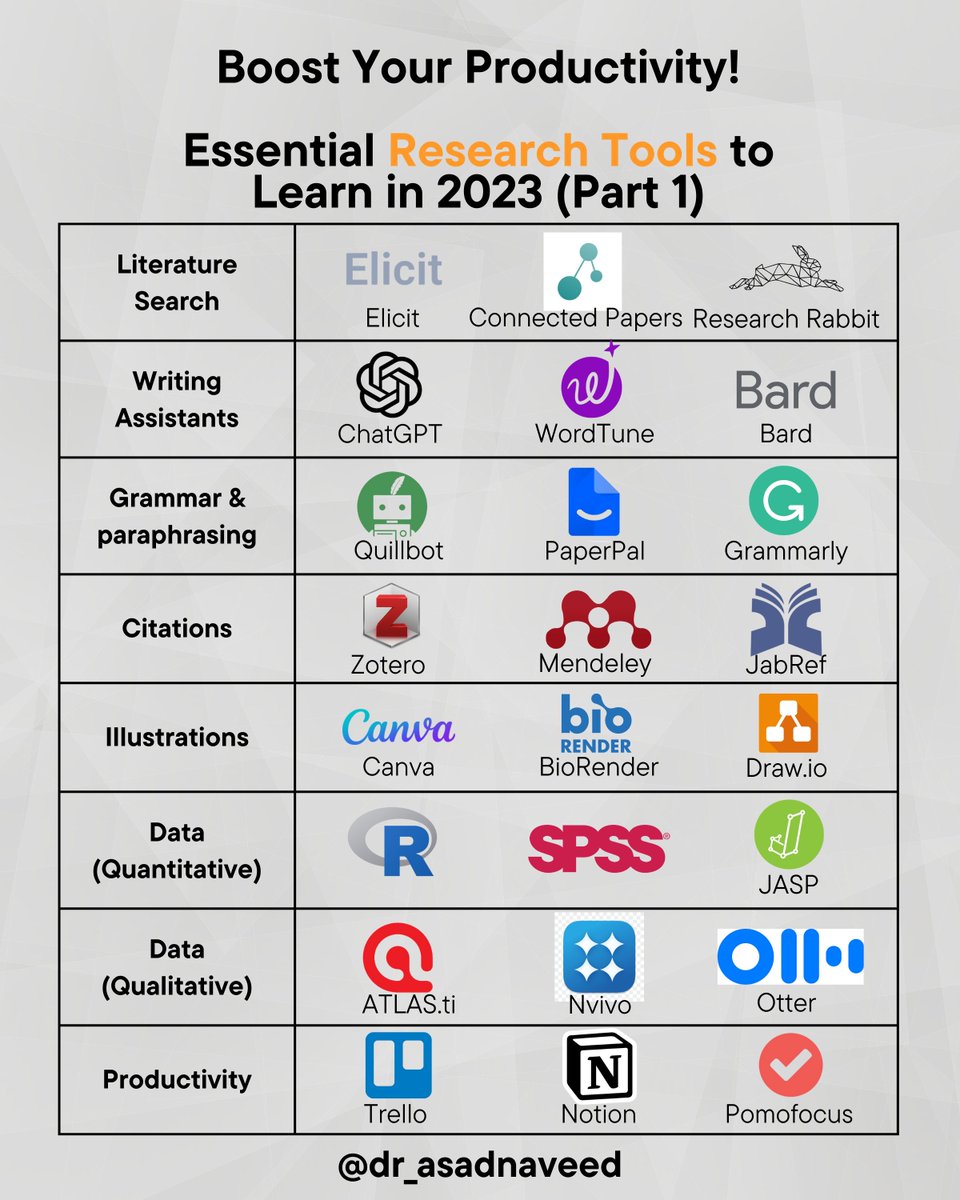
Here are the essential research tools you should learn in 2023 (part 1).
Wave goodbye to 100s of wasted hours.
Do you have any favorites in this collection?
Had a great time with great guests at the Conference dinner for @icnaa2023 . Thanks to our great sponsors @kenelec @alphascientific Benchamrk Monitoring @airmodus and RSC Environmental Science Atmosphere
Information on career resources, development, job listings, scholarships, fellowships, awards, grants, etc., targeted to students and early-career scientists in the geosciences, especially the atmospheric sciences:
https://t.co/lbWWYz4YHp #AtmChemAeroJobs
Forget Google Scholar. Here are seven AI-powered apps to fast-track your literature review.
1. Research Rabbit
2. Connected Papers
3. Inciteful
4. Litmaps
5. Elicit
6. Iris
7. Scite
Below is a comparison to help you choose the best one for your work:
Interested in X-ray Absorption Spectroscopy?
Well over 100 lectures on applications and foundations of XAS are at the Global XAS Youtube Channel, https://t.co/sBfRKfXjwK #chemtwitter DM or email me if you have recommended speaker (especially early career scientists!)
The program for ICNAA 2023 is live! Hosted by @QUT, this conference covers 4 themes with special sessions over 4 days. Don't miss out, register today! https://t.co/S1y0Hcj1rR #ICNAA2023#conferenceprogram#science
Viral transmission studies often use a synthetic substitute for human respiratory aerosol. Yet, comparing pig respiratory fluid to a common synthetic surrogate suggests that the physicochemical properties of the two fluids are not the same. In PNAS Nexus: https://t.co/JhXL0kPwBx
Non-white scientists appear on fewer editorial boards, spend more time under review, and receive fewer citations; barriers to entry & success in academia https://t.co/c16r5YRtkB