A lot of work behind the scenes. A big week ahead.
We're gearing up to celebrate the grand opening of our new drone R&D center in Richfield, Wisconsin, on October 27.
Here's a look at one of our drones in action during yesterday's test flight.
Rownd is expanding in Wisconsin.
Join us at 10 AM at Hartford Municipal Airport on Tuesday, October 27, to celebrate the grand opening of our new drone R&D center in Richfield, Wisconsin.
See Rownd's drones in action with live demonstrations. The expansion is expected to create 10 manufacturing jobs in Wisconsin.
RSVP by emailing [email protected]
Today, we're launching @RowndAI.
You may have seen some sneak peeks into what we're doing, but it's exciting to remove the curtain and show off the future.
Autonomous drones built for scale and rapid replenishment, delivered directly to the warfighter's hands.
America needs a new type of weapons system. We're building it.
This is the future of warfare.
Today, Rownd is officially launching its autonomous drones out of stealth.
We build economical, attritable drones to defend the United States against foreign threats.
We've secured a $10 million contract with the @DeptofWar, as well as contracts with @AFSpecOpsCmd, @USSOCOM, and @usairforce BESPIN to out-iterate our enemies.
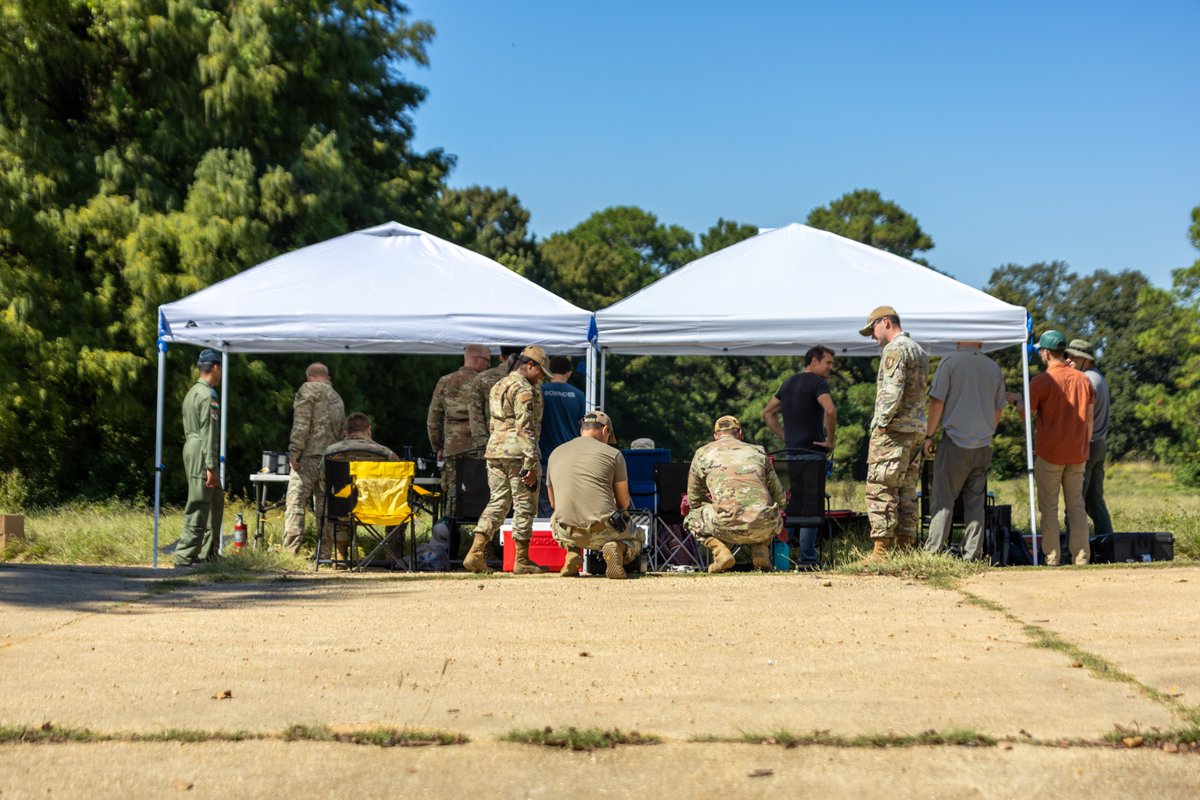
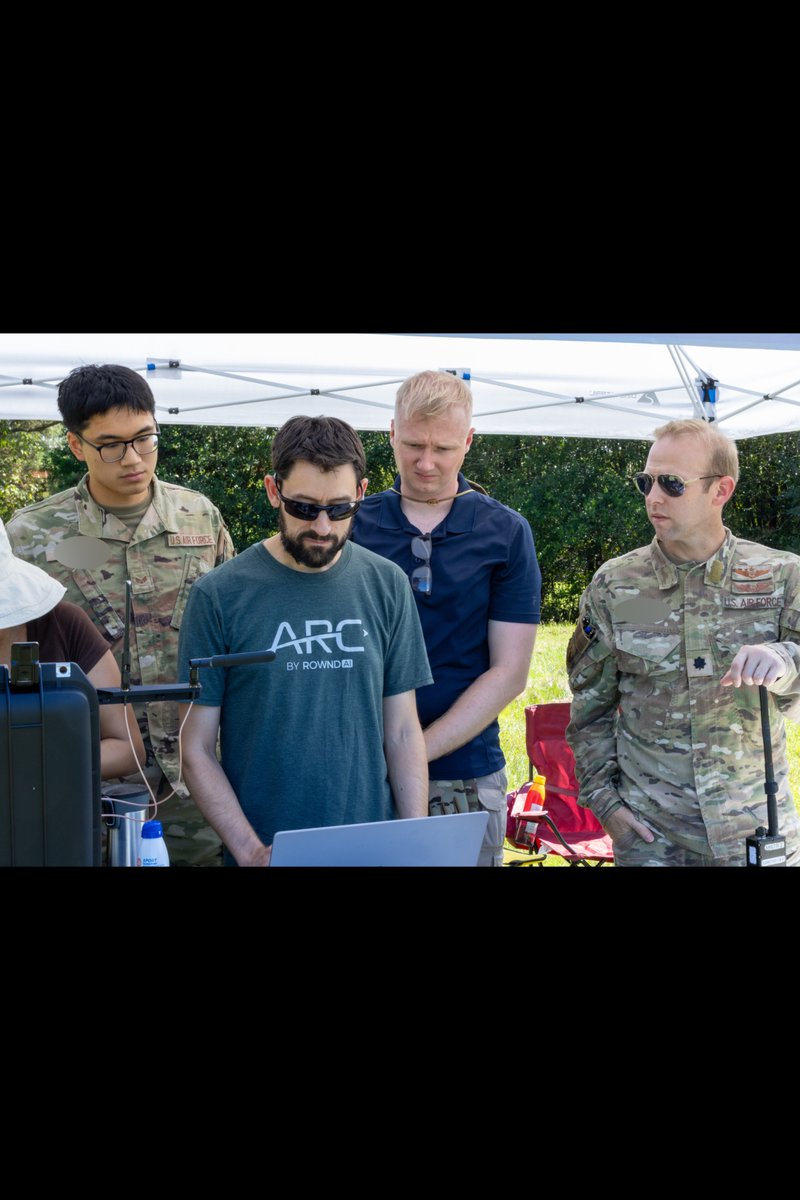
A phenomenal end to our exercise in Alabama.
On Thursday, the Rownd team successfully completed 21 flights at Maxwell Air Force Base.
That includes 4 mobile launches and 4 fleet tests.
It also marked the first time Rownd flew a drone swarm.
Another great day of flights in the books.
On Wednesday, the Rownd team successfully completed 7 flights at Maxwell Air Force Base.
This was also the first time that members of the @usairforce BESPIN team got to fly our drones.
Our first full day of flights in Montgomery, Alabama ✅
On Tuesday, the Rownd team successfully completed 13 flights on Maxwell Air Force Base, joined by BESPIN personnel.
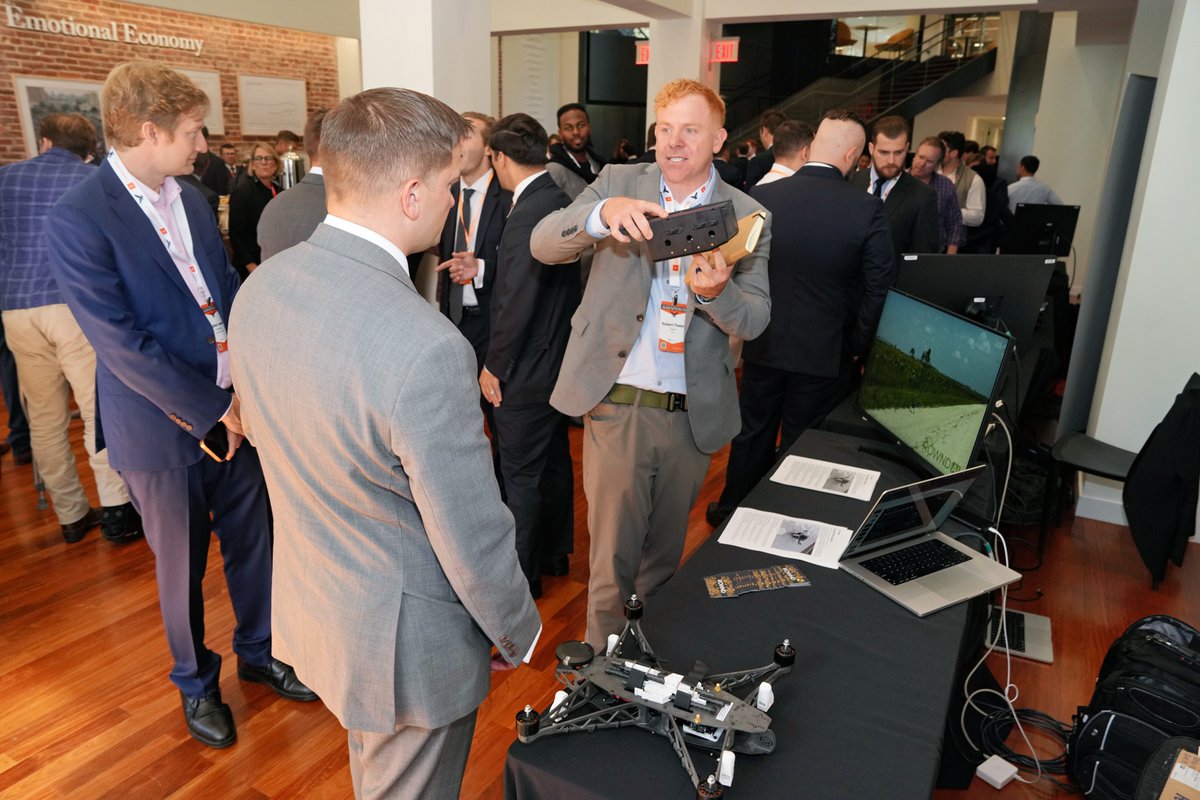
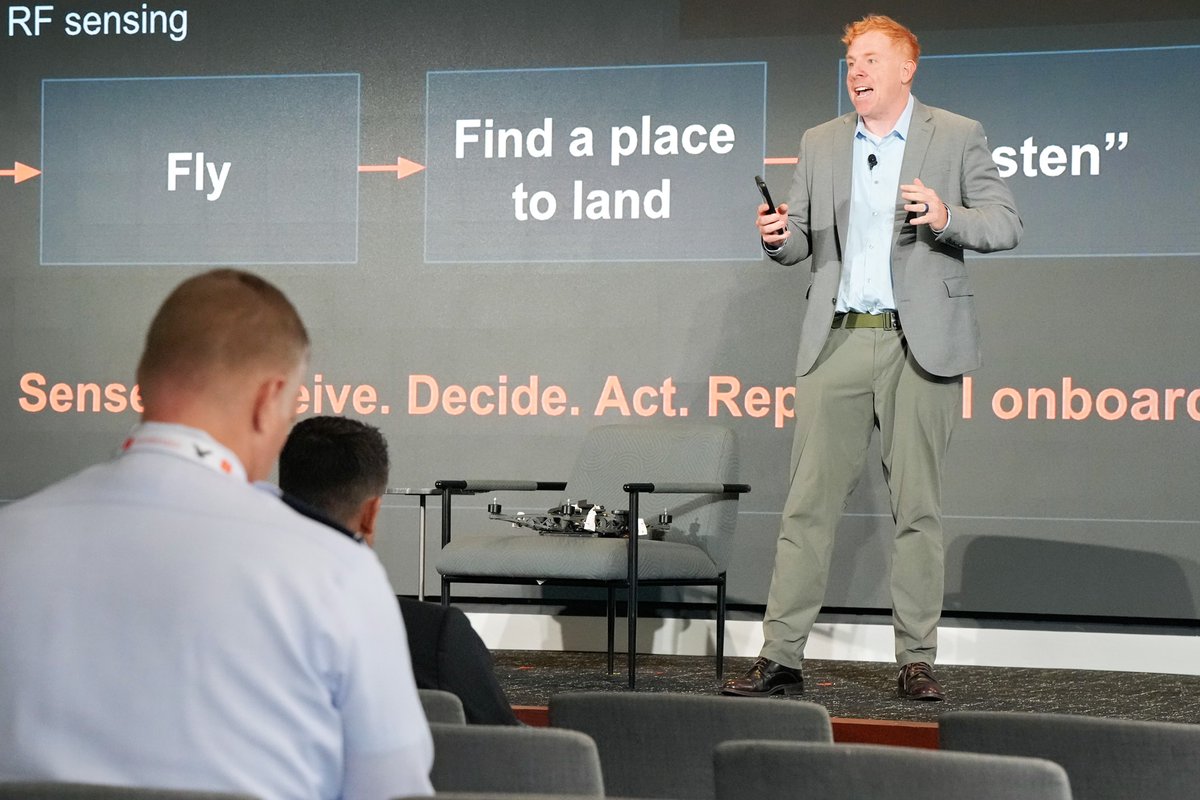
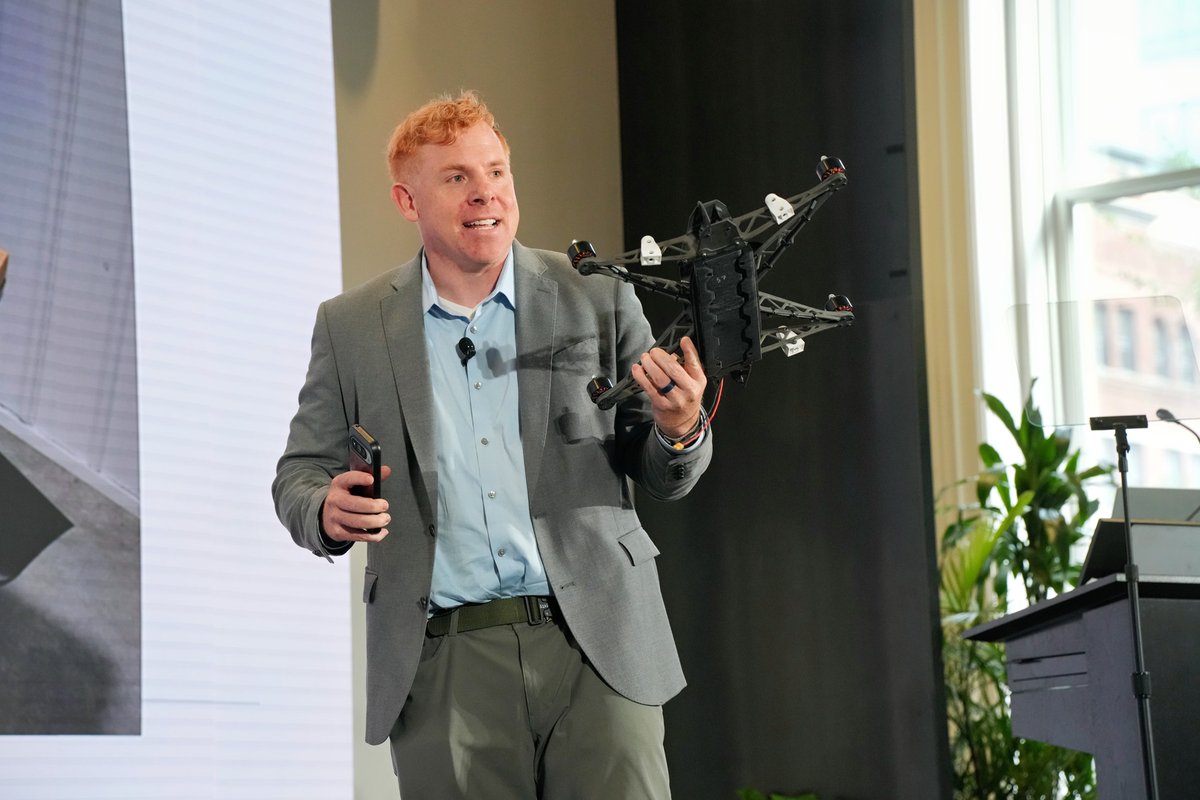
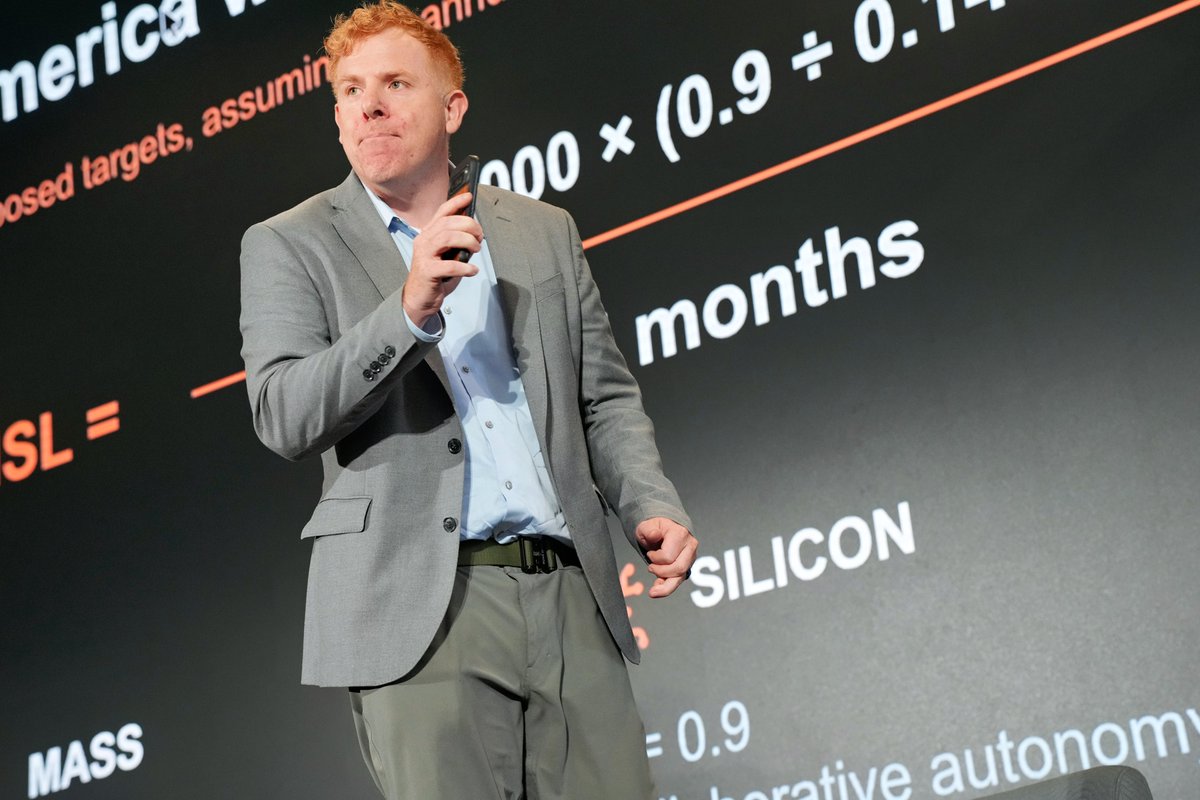
Under Secretary of War Jules Hurst appreciated the opportunity to join @ycombinator's Startup Industrial Base: Building for the next 250.
He highlighted how greater budget transparency and timely execution data can help the @DeptofWar, Congress, and industry better align resources with priorities, thus moving proven capabilities to the warfighter faster.
He also advised innovators to solve real problems, understand the acquisition path, and demonstrate to the Department they can deliver at scale.
"Having the users like your products is incredibly necessary," Hon. Hurst said. "But it's the program offices and the [portfolio acquisition executives, or] PAEs who really have the power to make you successful. You have to provide the solution to them.
"Again, they’ve made their budget. They made it a year and a half ago. They've made a plan to execute that budget. So anything you're bringing in is, at times, disruptive to them if they have an established program. So you've got to figure out how you can fit in.”
Two words kept coming up yesterday at @ycombinator's The Startup Industrial Base: Building for the Next 250:
Super Intelligence. The transition from AI to SI is real.
Loved chatting with Under Secretary of War Jules Hurst @DoWCFO about the future of defense tech and how @RowndAI can help solve real problems for the warfighter and deliver economical, autonomous systems at scale.
A Wednesday well spent in Washington, D.C.
The need for attritable and autonomous mass has never been greater. Wonderful conversations in our nation’s capital at @ycombinator’s The Startup Industrial Base: Building for the Next 250.
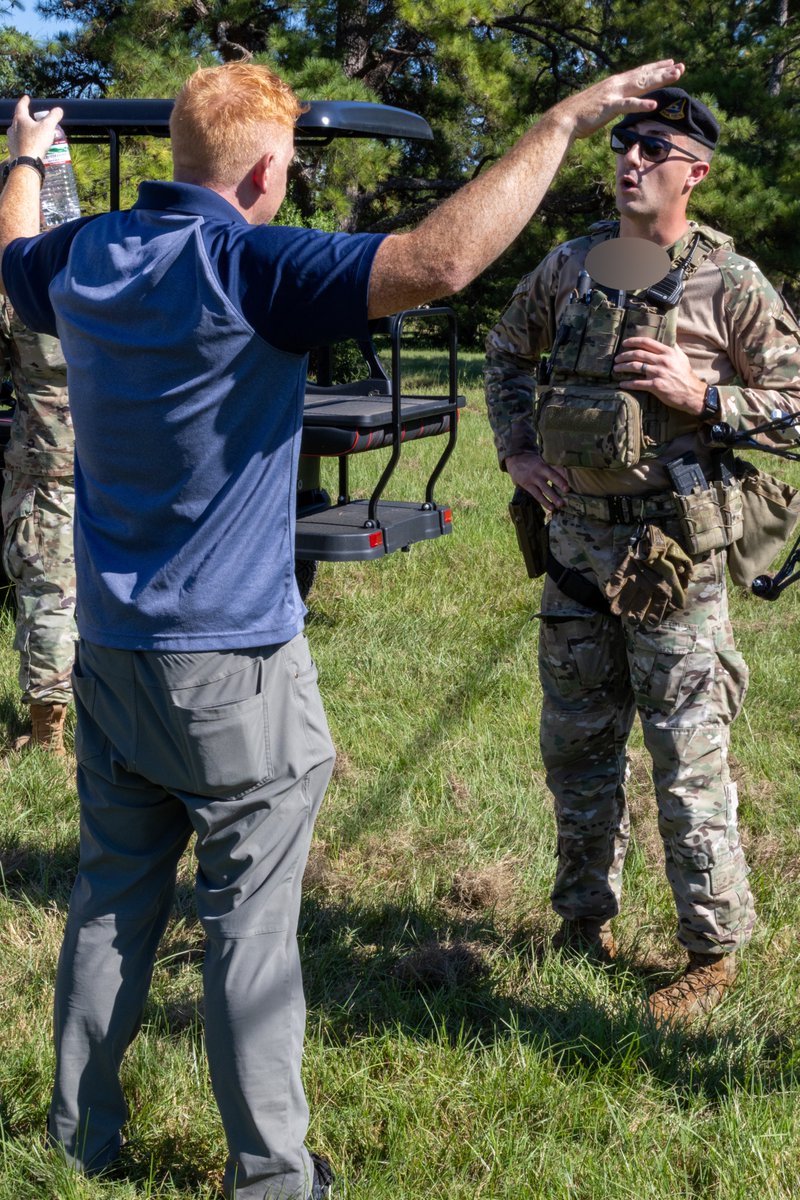
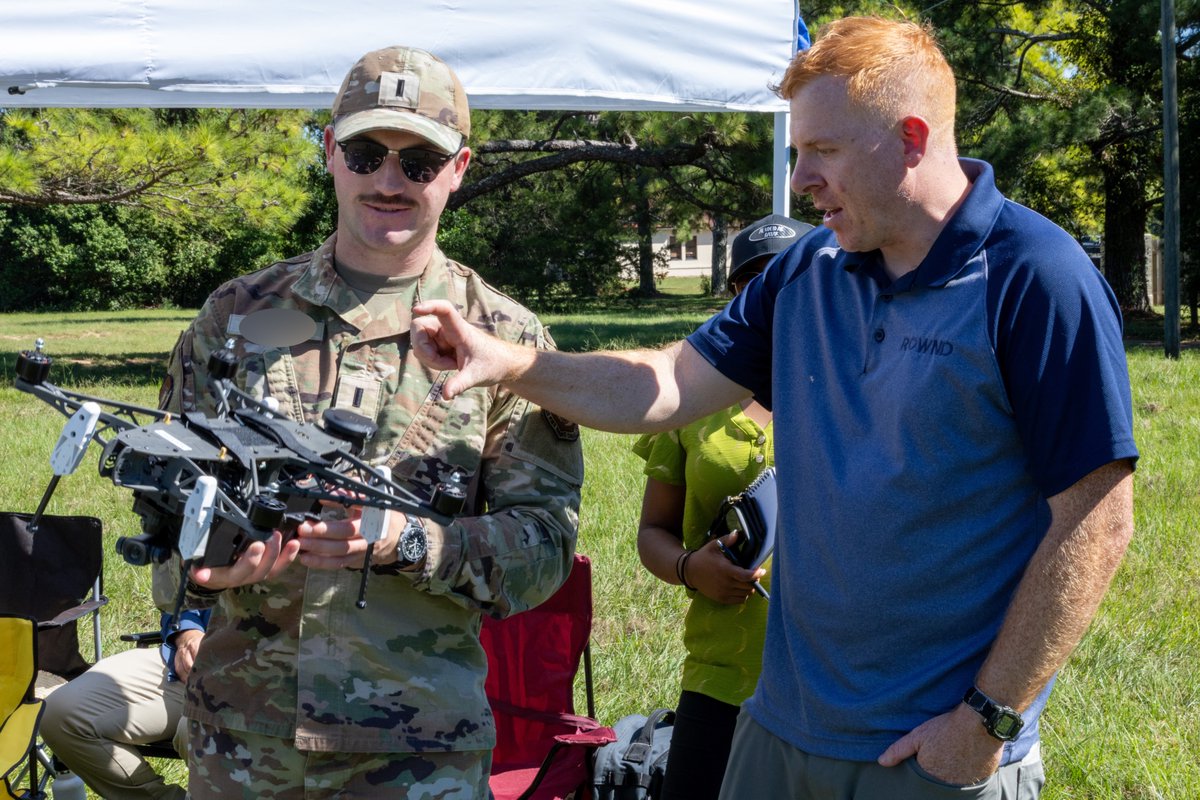
Prep work is essential before any flight.
A quick look at one of our engineers calibrating the drone's compass. Rotating the aircraft helps correct directional errors so it knows which way to fly.
With America's current technology, we're not going to win the next war.
That's why scale has never been more important. We need one soldier to command hundreds--or thousands--of drones to defend areas without putting U.S. personnel at risk.
That's the case for autonomy.
Drones that act more like teammates than tools.
@RowndAI's drones are designed for autonomy with agency: understanding intent, choosing the next action, and adapting as conditions change.
Our goal is to make drones quick to replace when lost in combat. If one goes down, replacing it should be more like replenishing ammunition than replacing a conventional aircraft.
Fast to make. Simple to assemble. Ready to replace.
Rownd builds economical, AI-powered autonomous drones to defend America against its foreign enemies.
Just spent the weekend @Creative_Def Foundation's annual Disruptors By The Lakes event in Minnesota.
3 Takeaways:
1. America needs to rebuild its industrial base by whatever means possible
2. The Department of War has some interesting programs to do it (low-interest loan programs, for example)
3. Innovation is being driven by startups
@MediaBtw AI governance in emerging markets will look different than US/EU approaches - different constraints, different priorities. The question is whether CAIGA can move fast enough to be relevant as AI deployment accelerates.
@RunOnFlux Reliability in decentralized infrastructure is the hardest problem - you can't just throw more nodes at availability. How does Flux handle consensus when nodes have heterogeneous reliability?





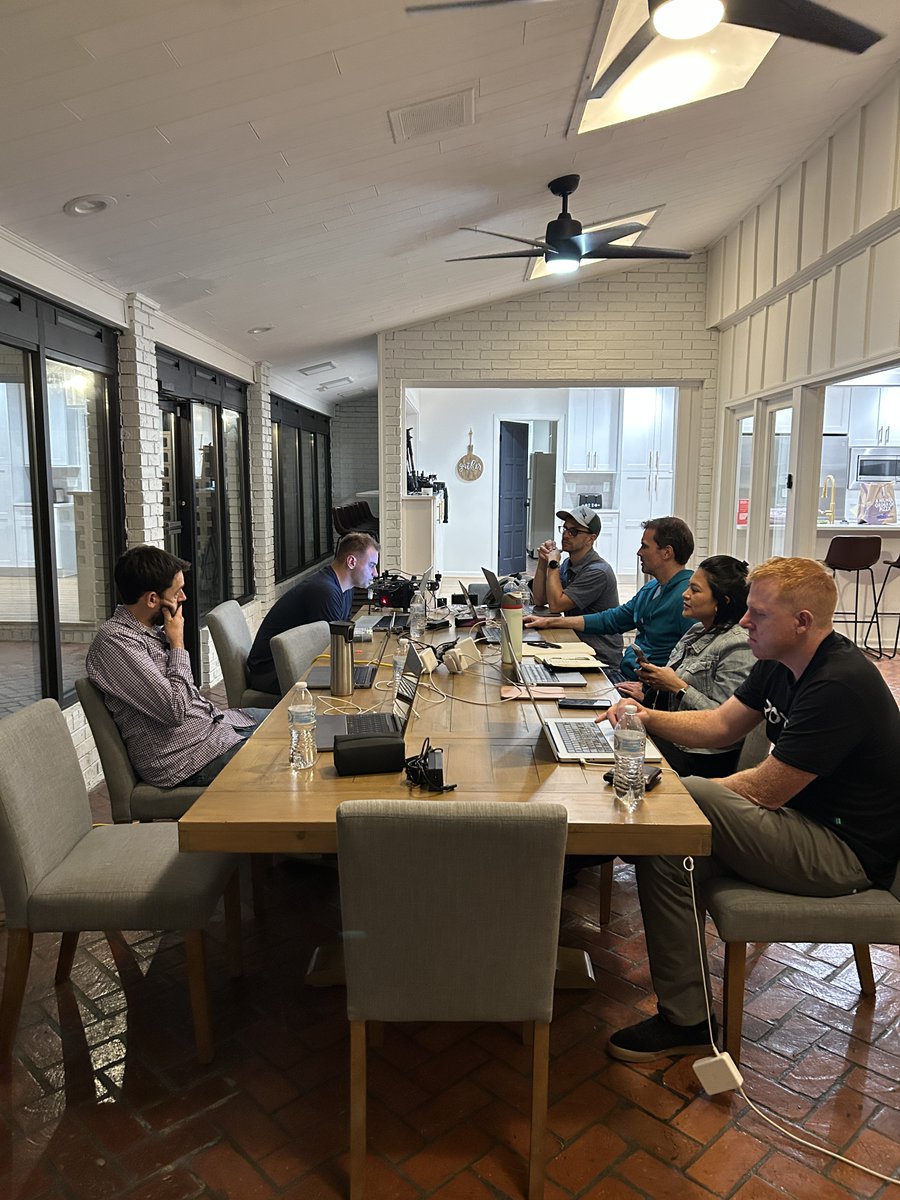

![DoWCFO's tweet photo. Under Secretary of War Jules Hurst appreciated the opportunity to join @ycombinator's Startup Industrial Base: Building for the next 250.
He highlighted how greater budget transparency and timely execution data can help the @DeptofWar, Congress, and industry better align resources with priorities, thus moving proven capabilities to the warfighter faster.
He also advised innovators to solve real problems, understand the acquisition path, and demonstrate to the Department they can deliver at scale.
"Having the users like your products is incredibly necessary," Hon. Hurst said. "But it's the program offices and the [portfolio acquisition executives, or] PAEs who really have the power to make you successful. You have to provide the solution to them.
"Again, they’ve made their budget. They made it a year and a half ago. They've made a plan to execute that budget. So anything you're bringing in is, at times, disruptive to them if they have an established program. So you've got to figure out how you can fit in.”](https://pbs.twimg.com/media/HTjShfwX0AAlYE8.jpg)
![DoWCFO's tweet photo. Under Secretary of War Jules Hurst appreciated the opportunity to join @ycombinator's Startup Industrial Base: Building for the next 250.
He highlighted how greater budget transparency and timely execution data can help the @DeptofWar, Congress, and industry better align resources with priorities, thus moving proven capabilities to the warfighter faster.
He also advised innovators to solve real problems, understand the acquisition path, and demonstrate to the Department they can deliver at scale.
"Having the users like your products is incredibly necessary," Hon. Hurst said. "But it's the program offices and the [portfolio acquisition executives, or] PAEs who really have the power to make you successful. You have to provide the solution to them.
"Again, they’ve made their budget. They made it a year and a half ago. They've made a plan to execute that budget. So anything you're bringing in is, at times, disruptive to them if they have an established program. So you've got to figure out how you can fit in.”](https://pbs.twimg.com/media/HTjSgfNWYAEc4in.jpg)
![DoWCFO's tweet photo. Under Secretary of War Jules Hurst appreciated the opportunity to join @ycombinator's Startup Industrial Base: Building for the next 250.
He highlighted how greater budget transparency and timely execution data can help the @DeptofWar, Congress, and industry better align resources with priorities, thus moving proven capabilities to the warfighter faster.
He also advised innovators to solve real problems, understand the acquisition path, and demonstrate to the Department they can deliver at scale.
"Having the users like your products is incredibly necessary," Hon. Hurst said. "But it's the program offices and the [portfolio acquisition executives, or] PAEs who really have the power to make you successful. You have to provide the solution to them.
"Again, they’ve made their budget. They made it a year and a half ago. They've made a plan to execute that budget. So anything you're bringing in is, at times, disruptive to them if they have an established program. So you've got to figure out how you can fit in.”](https://pbs.twimg.com/media/HTjSf_SWYAA7qbu.jpg)


![DoWCFO's tweet photo. Under Secretary of War Jules Hurst appreciated the opportunity to join @ycombinator's Startup Industrial Base: Building for the next 250.
He highlighted how greater budget transparency and timely execution data can help the @DeptofWar, Congress, and industry better align resources with priorities, thus moving proven capabilities to the warfighter faster.
He also advised innovators to solve real problems, understand the acquisition path, and demonstrate to the Department they can deliver at scale.
"Having the users like your products is incredibly necessary," Hon. Hurst said. "But it's the program offices and the [portfolio acquisition executives, or] PAEs who really have the power to make you successful. You have to provide the solution to them.
"Again, they’ve made their budget. They made it a year and a half ago. They've made a plan to execute that budget. So anything you're bringing in is, at times, disruptive to them if they have an established program. So you've got to figure out how you can fit in.”](https://pbs.twimg.com/media/HTjSmM3XkAAmUHR.jpg)