Published a new paper with my colleagues in Canada quantifying the effect of multiple #MHW events on krill distribution on the west coast of Canada @ResearchGate: https://t.co/5VeAp0uIeO
Our new paper just came out today!
"Contrasting fishing effort reduction and habitat connectivity as management strategies to promote alewife (Alosa pseudoharengus) recovery using an ecosystem model. "
https://t.co/QI9x9nIYfK
1/
The 2nd paper of my postdoc was published with CJFAS! We reviewed over 200 papers modelling environment-krill interactions in the NE Pacific to figure out what worked and what didn't to develop a framework of best-practice for future models from an ecological perspective
➡️ Paper outlining ecological considerations for species distribution modelling of Euphausiids, a keystone species in marine food webs of the NE #PacificOcean, important for forage fish, commercial fish species & marine predators such as seabirds & whales. https://t.co/nfvxx1RzqP
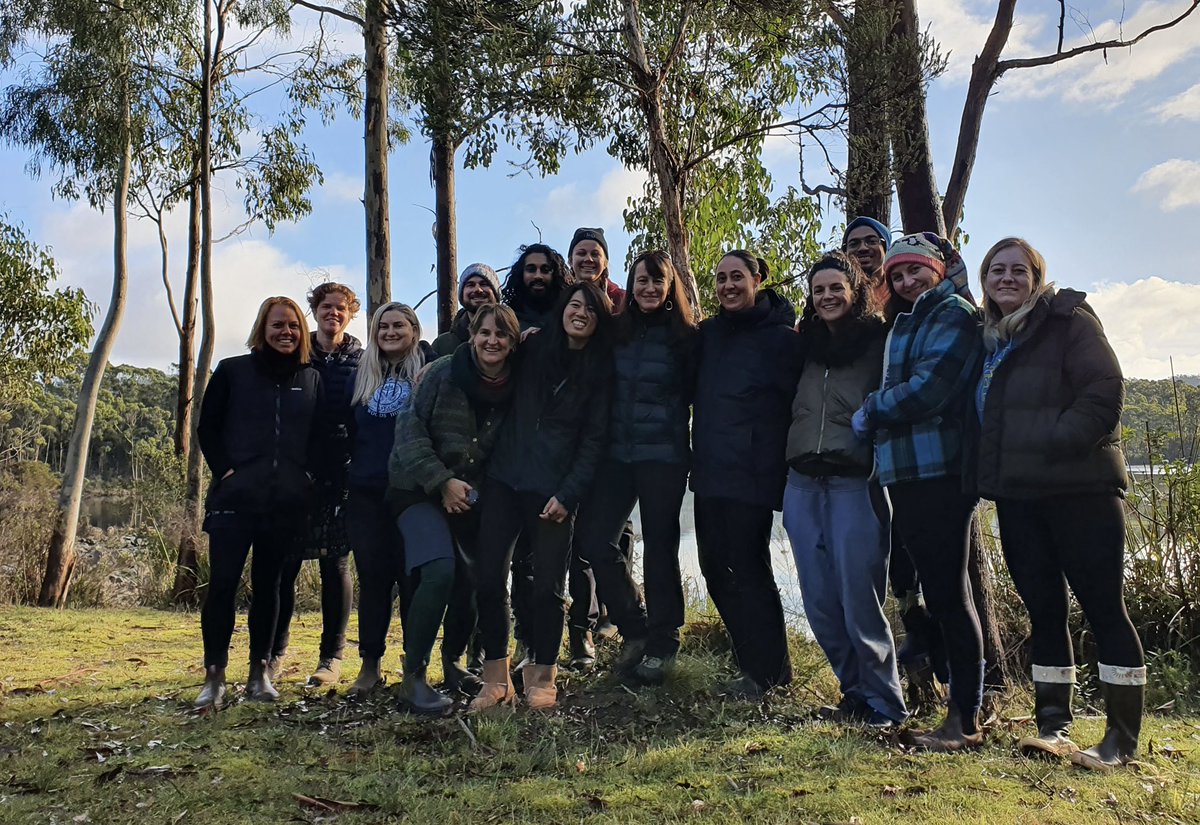
On #WorldOceansDay we were enjoying our first annual retreat in 3y in person! 😀Sharing, laughing, connecting, curiosity, diversity & mutual understanding are all critical in underpinning our combined approaches to ocean research & conservation @mpred_lab 🌊🇦🇶 🦐🐟🐧🦭🐋🏳️🌈 🌎
Many potential harmful algal species, and their ecological contexts in the Salish Sea. Great work @docjaypea with @pollicipes and @SMEAatUW folks Kelly Cribari and Abby Keller. COI #metabarcoding#eDNA. Support from WOAC.
https://t.co/b2yu6YFUJ3
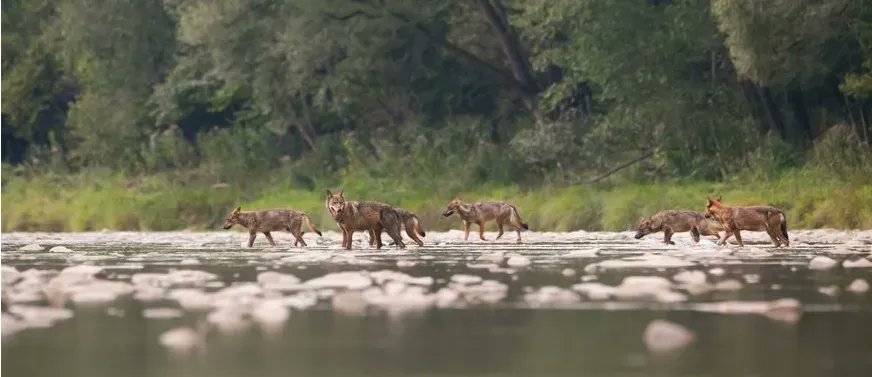
B.C. is looking for input on a five-year extension to existing wolf and cougar culls. However, a blank cheque to kill predators, while more habitat is lost, is not a serious strategy to recover endangered caribou. Learn more and take the survey by Nov. 15:
https://t.co/VO7QNTRR0H
📢GOOD NEWS!📢
A new Marine Protected Area in the North Atlantic high sea was officially designated today!
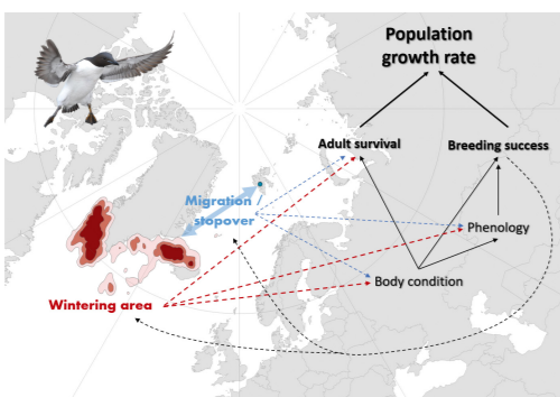
NACES is a major seabird hotspot used by up to 5 million birds from 21 species!
Find out more here⬇️
Interested in the non-breeding behaviour of North Atlantic seabirds?
Impressive Theme Session out today "Non-breeding distribution and movements of North Atlantic seabirds" with 12 papers and 60+ authors. @MEPS_IR
https://t.co/FIlMT4YdGF
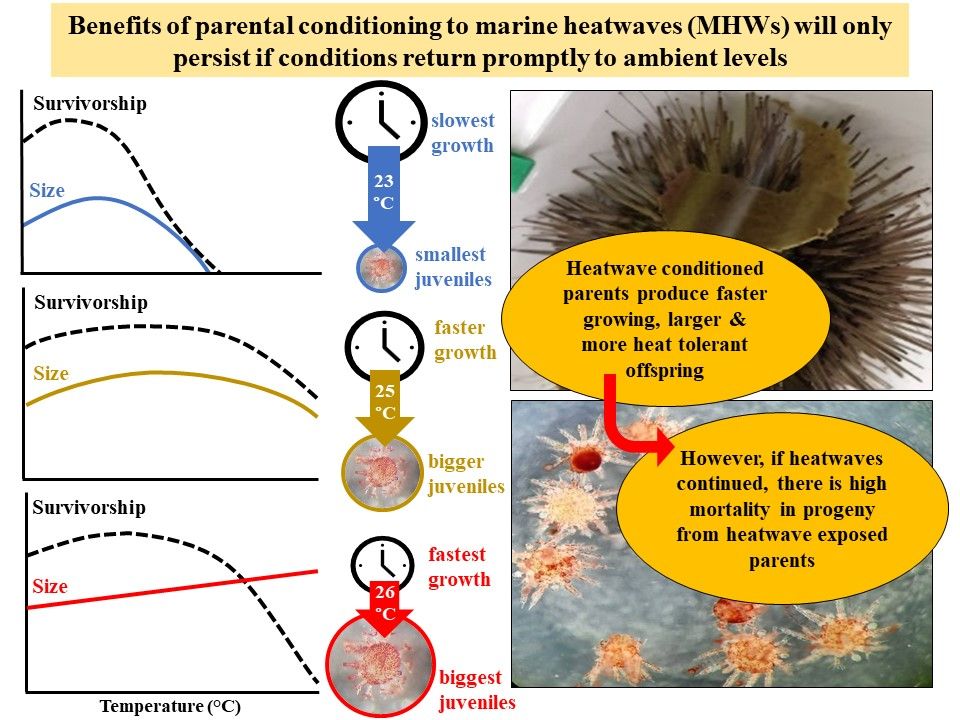
MHWs have intensified in recent decades as a result of anthropogenic heating, with 8 of the 10 most severe events recorded in the last decade.... (https://t.co/HTTnBDgTpx)
I'm loving reading children's questions about climate change, and the passionate and caring responses of the 58(!) experts who have put up their hands to answer. Great working with @GabiMocatta@RachelKelly___@GrettaPecl@kim_beasy@charlotte_tas@UTAS_
https://t.co/ousiIUQTjd
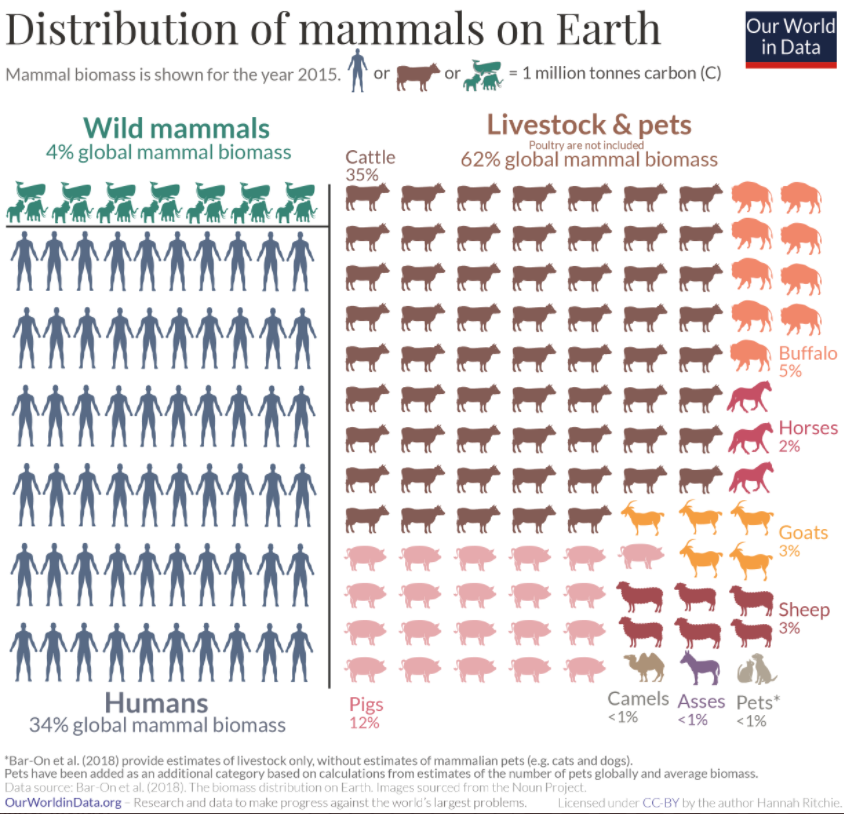
I keep thinking about this amazing graphic which shows how wild mammals make up only 4% of global land mammal biomass. To me, this helps explain why we have converging crises of climate change biodiversity loss, extinctions, and fresh water depletion. https://t.co/E8p3tFsCgd
Check out our new paper on using DNA to detect cryptic species in an ecosystem recovering after pest eradication. Great to work with fellow ecologists @justine_d_shaw@_jezbird Bruce Deagle and Andrea Polanowski. @mpred_lab