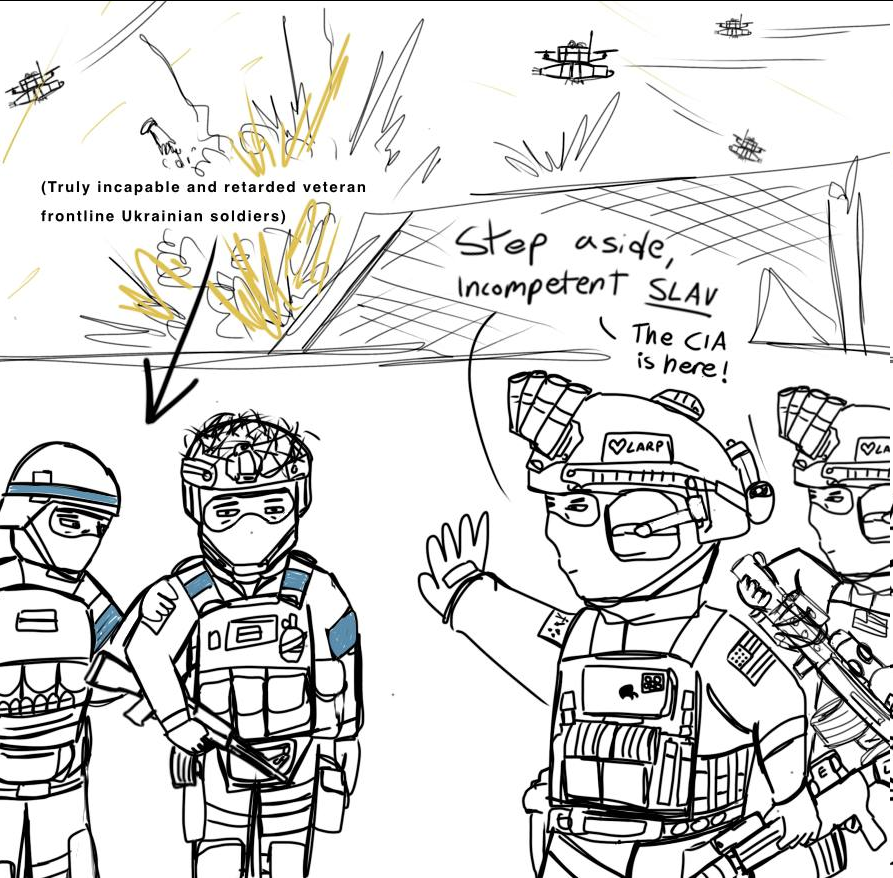
@Alterwines @cringeborne_ "And when it is said to them, 'Do not cause corruption on the earth,' they say, 'We are but reformers.' Unquestionably, it is they who are the corrupters, but they perceive [it] not."
— Q.S. Al-Baqarah, verse 11-12
Naskah proklamasi Negara Islam Indonesia, 7 Agustus 1949.
PROKLAMASI
BERDIRINJA
NEGARA ISLAM INDONESIA
بسم الله الرحمن الرحيم
Dengan nama Allah, Jang Maha Murah dan Jang Maha Asih
اشهد ان لا اله الا الله واشهد ان محمد رسول الله
Kami, ummat Islam Bangsa Indonesia
MENJATAKAN:
BERDIRINJA
„NEGARA ISLAM INDONESIA”
MAKA HUKUM JANG BERLAKU ATAS NEGARA
ISLAM INDONESIA ITU IALAH:
HUKUM ISLAM.
ALLAHU AKBAR! ALLAHU AKBAR! ALLAHU AKBAR!
ATAS NAMA UMMAT ISLAM BANGSA INDONESIA
IMAM NEGARA ISLAM INDONESIA:
(Tanda tangan)
S.M. KARTOSOEWIRJO
MADINAH-INDONESIA, 12 S.JAWAL 1368 / 7 AGUSTUS 1949
📷 Wikimedia Commons
@Covenant_watch Born in the third world, crushing poverty > move to the West to escape poverty > children get oneshotted by Kuffarslop & leave Islam
@twizted8913@Volke__@SlavianAlt I too lost interest, though much earlier when I first saw that a lot of the characters were just goonslops and I agree with you that it just pandered to surface level aesthetics
Journalist: They (americans) came to liberate Iraq. Had you not resisted that there wouldn't have been any bloodshed.
Al Sharaa: And if there was no american presence there wouldn't have been a resistance.
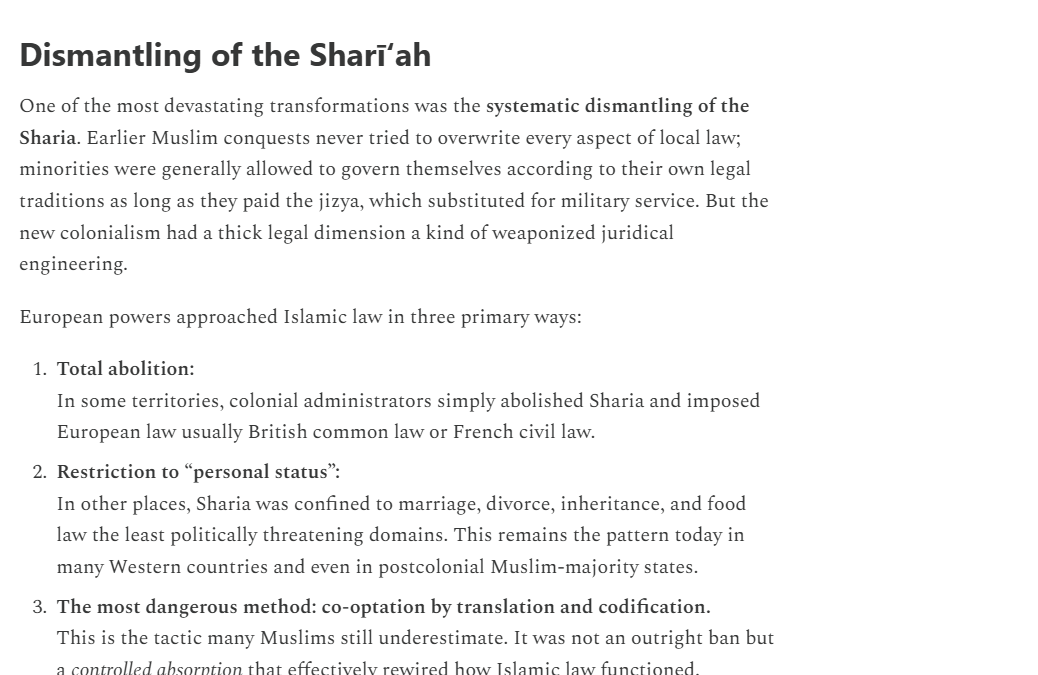
People underestimate how well-read historical figures were, and how favorably classic Islamic law (Sharia) was viewed by early legal thinkers and classical liberals. For example, in one of my articles i gave a scenario of
When the British East India Company took control of India the from Muslim rulers, Warren Hastings the Governor-General who was appointed to take charge, explicitly complained that the existing Sharia penal system was too lenient, his exact words were “ The sharia was founded on the most lenient principles and on an abhorrence of bloodshed.”
So, to enforce colonial control, the British systematically dismantled these protections, replacing them with harsher statutory laws that restricted the population's liberties.
This statement from ʾIbn al Qayyim really stuck with me, and I want to share it so others may benefit from it too, In Shāʿ Allāh.
al-ʿImām Ibn al-Qayyim (رحمه الله) said :
“When the servant falls into a sin, that harshness and hardness depart from his heart, as does that wrathful mannerism which he used to have towards the one who committed a sin. So much so that, if he had power over him, he would destroy him. He might even supplicate to Allāh against him, asking that He destroy him and seize him, out of anger for Allāh and out of zeal that disobedience shouldn’t be committed.
Thus, he finds no mercy in his heart for the sinful wrongdoers, and he sees them only through the eye of contempt and disdain. He mentions them only with a tongue of disparagement against them, fault-finding, and condemnation.
But when the decrees come upon him, and he is left alone with his own soul, he cries out to Allāh for help and seeks refuge in Him. He writhes before Him with the writhing of one who has been stricken, and he calls upon Him with the supplication of one in dire necessity.
Then that harshness [he had] toward the sinners is transformed into tenderness, and that hardness toward the wrongdoers into mercy and gentleness, while still upholding the limits of Allāh.
His supplication against them is transformed into supplication for them, and he assigns them a portion of his lifetime, asking Allāh to forgive them.
How beneficial this sight is for him! And how tremendous is its benefit and usefulness to him. And Allāh knows best”.
مدارج السالكين (1/425,426)
https://t.co/AuXsT43lWE
Literate societies don’t account for the richness of oral traditions. The Nabatis, being Bedouins, may not know how to read at all, but you’ll have a number of them who know over 60,000 poetic verses and their compendium is ever-growing. Others know at least thousands.


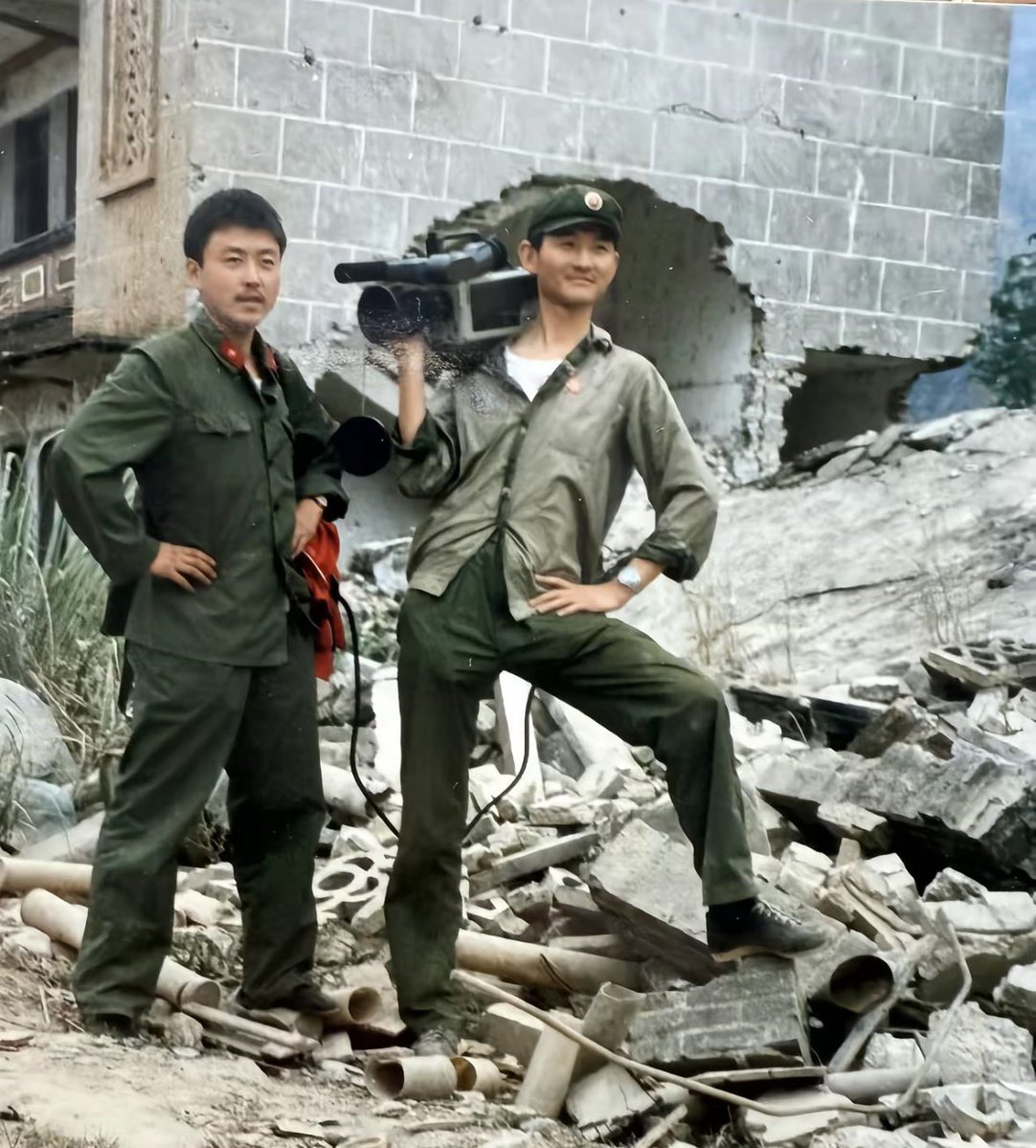




![rhin_kal's tweet photo. @Alterwines @cringeborne_ "And when it is said to them, 'Do not cause corruption on the earth,' they say, 'We are but reformers.' Unquestionably, it is they who are the corrupters, but they perceive [it] not."
— Q.S. Al-Baqarah, verse 11-12 https://t.co/7ORMukymhl](https://pbs.twimg.com/media/GzfrNKvWcAAm4IU.jpg)