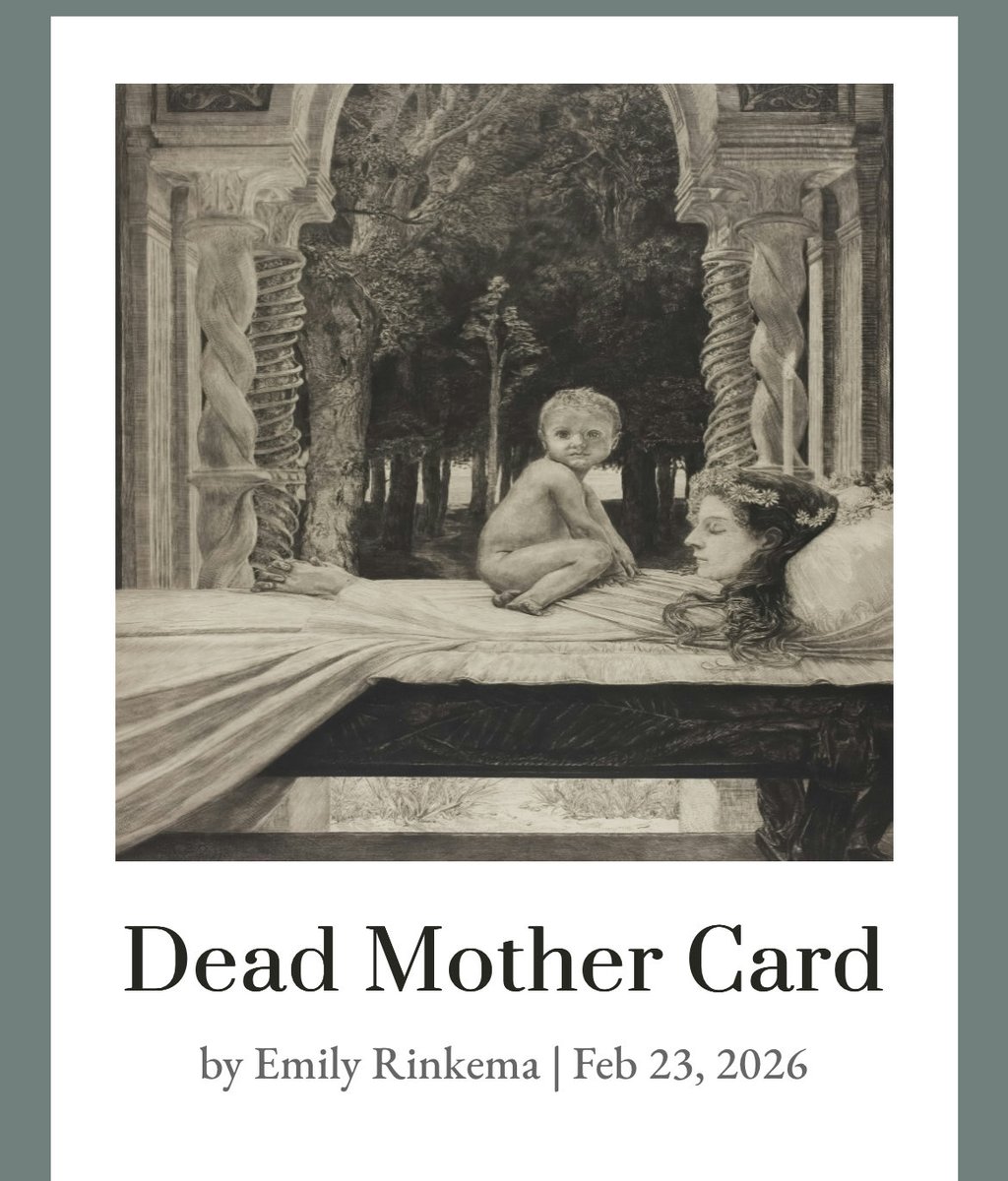
Thanks to @GreenMtnPower and Vermont Magazine for selecting my story for the Vermont Writers’ Prize! A huge honor, and thrilled to be in the mag that I grew up reading in dentist office waiting rooms! https://t.co/pLR8JFCHNe
My recent blog argues that teaching is about navigating paradox, not solving problems. Education researcher Mary Kennedy identified five competing demands every teacher juggles: make content comprehensible, keep students engaged, assess understanding, manage behavior, and stay authentic. These work against each other—clear explanations bore students, engaging activities hide what they learned, tight management kills participation.
The same move serves different jobs in different moments. Monday's think-pair-share surfaces confusion; Wednesday's rebuilds energy; Friday's amplifies quiet voices. Lists of "effective practices" miss this—they show what teaching looks like without explaining how moves address competing problems. Teachers need judgment about what job needs doing right now and what trade-offs their choices create, not more techniques to memorize.
https://t.co/7N3PEqfSn2
In a completely terrifying and vulnerable shift from flash fiction, I wrote a very personal essay and it's up at Herstry today. Hope it resonates. https://t.co/In76CDrITt
For the first time I brought back a character from a previous story—I guess I wasn’t done with Skitzy yet. Here’s “Millie or Timothy or Gwendolyn, but we’d call her Gwen” in @TinyMolecules https://t.co/sfNqF5xCMl
I could not be any happier about where this story ended up...Thank you so much @Wigleaf for seeing the heart in this flash. Hope you'll all give it a read: "Things That Happened at or around My Cousin Kelly's Funeral, in No Particular Order."
https://t.co/U6hMmG23dS
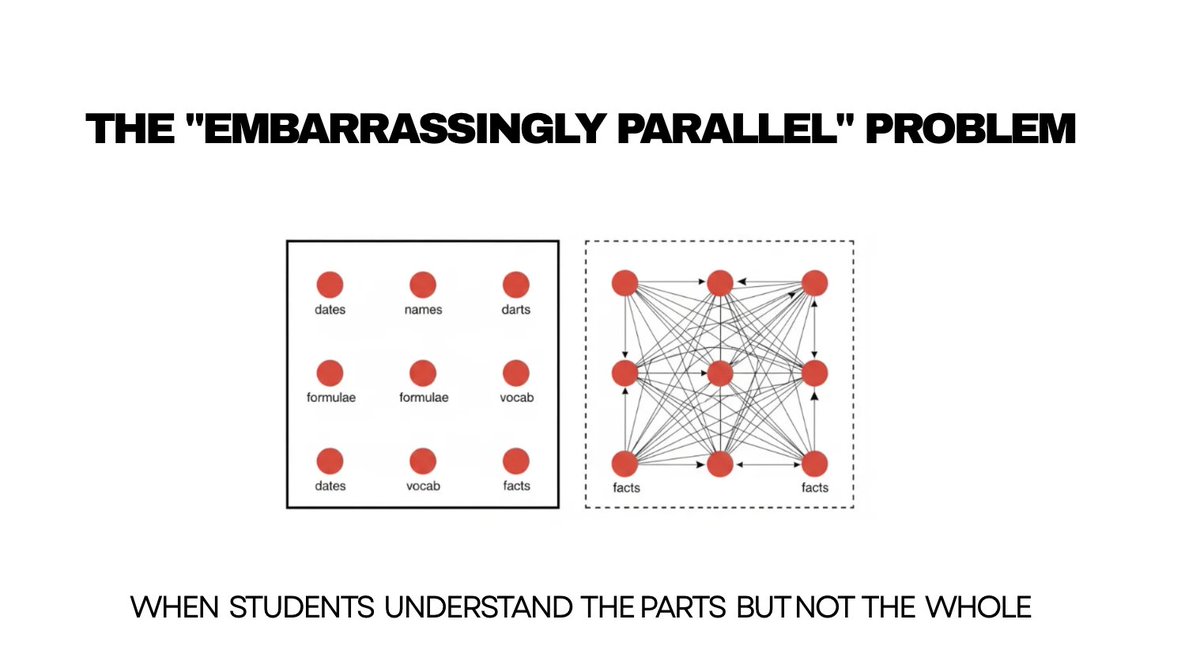
Why do students sometimes master 3,650 words but still struggle to read a novel? Because understanding is not a parallel problem. In my latest post, I explore what computer science reveals about knowledge vs understanding. Post in reply ⬇️
I believe children need to do productive work to feel valuable. That doesn’t mean three- and four-year-olds should be “working” in a formal sense. It means they can help, contribute, and be part of the household's real life.
When it comes to adolescents, it becomes essential. Teenagers need to feel they are contributing in some way. A lot of our mental health crisis comes from the fact that many teens, and often many twenty-somethings, do not feel they are contributing anything real.
This does not have to look like a traditional job. At The Socratic Experience, we emphasize entrepreneurial, creative, and intellectual projects for exactly this reason. Whether or not a student makes money, they can still produce something of value and offer it to the world.
One example is our student Sui, who is an exceptional writer. She may not be making money from her writing right now, but the work is serious and artistic. She publishes on Substack for the public. There is a message in that act: “I am presenting something to the world with the expectation that it will be taken seriously.”
Feeling like we are doing something valuable is central to happiness and well-being.
That is why we build so much of our program around adult-level projects. Teens need to experience themselves as contributors, not just as box-checkers chasing grades for college applications.
Check out my interview with Holly Korbey where I discuss the "systemic incoherence" plaguing schools today. After returning to teach, I saw firsthand how teachers' days are consumed by administrative busy work—learning new digital platforms, incorporating various initiatives, checking boxes—instead of focusing on real teaching and learning. Students face wildly different expectations from class to class with little instructional leadership unifying the direction. There's almost no time dedicated to solving the "problems of practice" that actually affect all teachers. Research shows teachers in supportive, focused environments improve 20% more over five years. Bottom line: schools need to do fewer things better and create space for teachers to tackle fundamental instructional challenges.
https://t.co/JaiNfRwW31